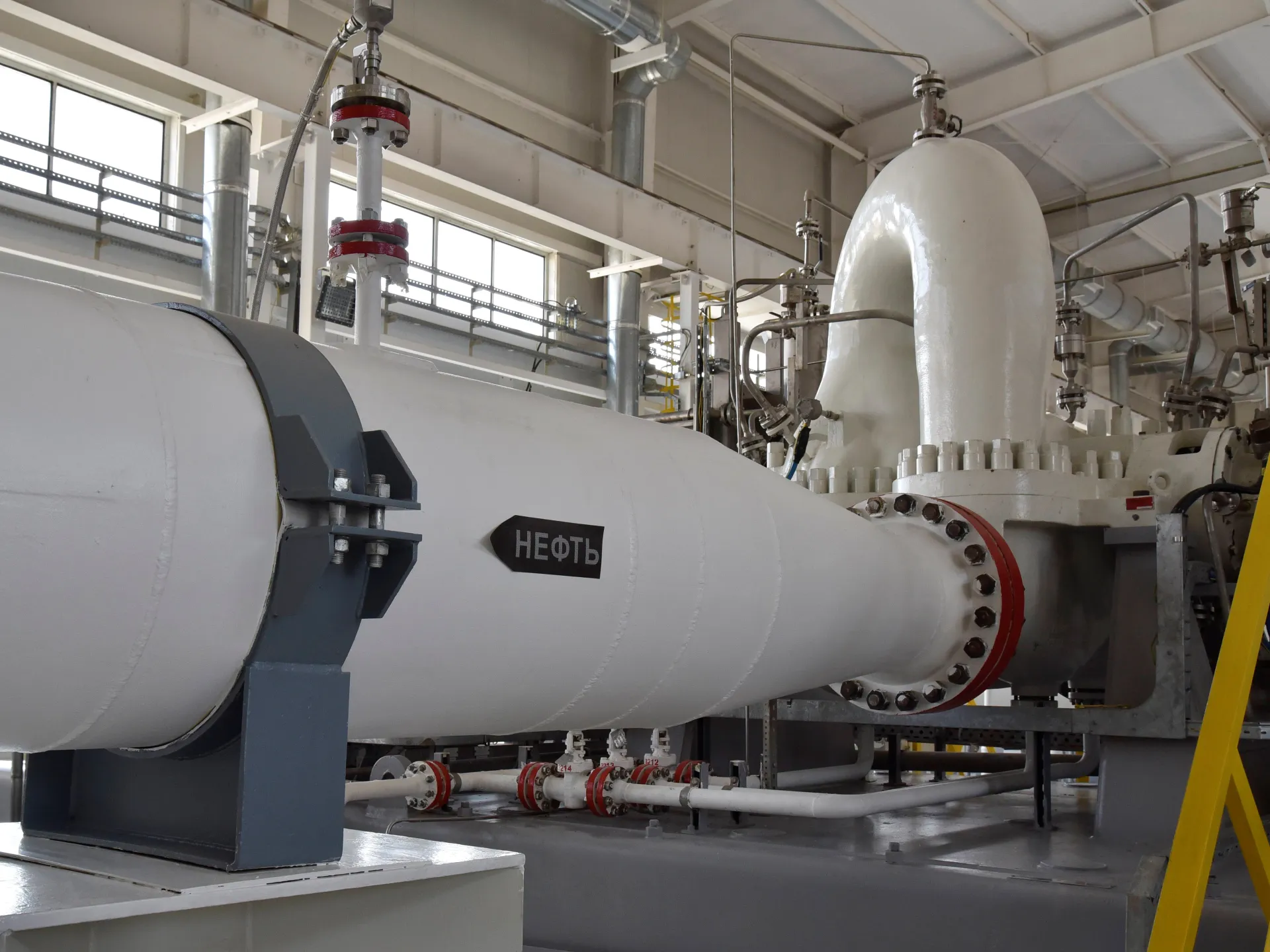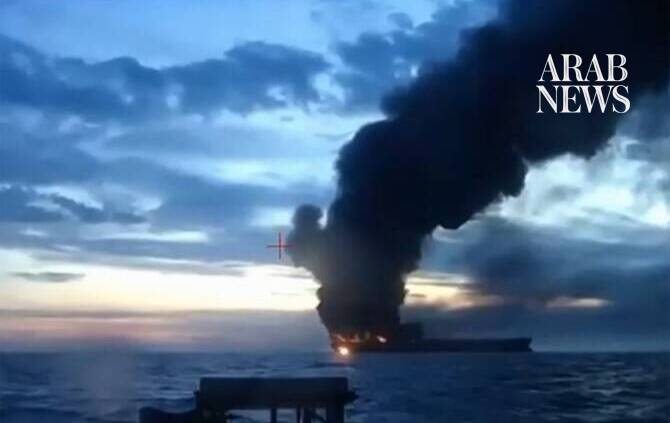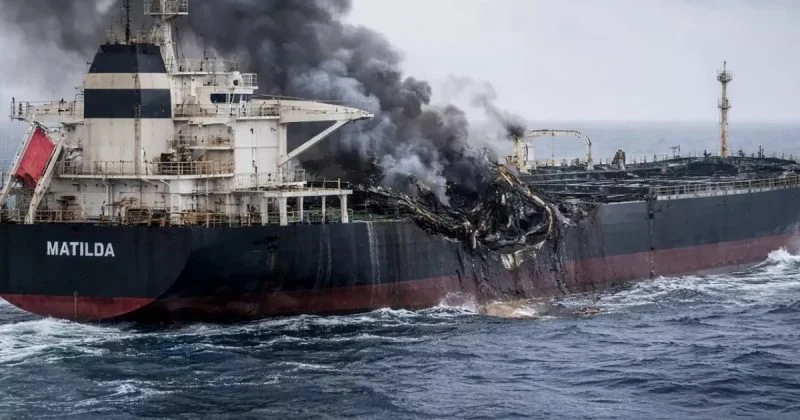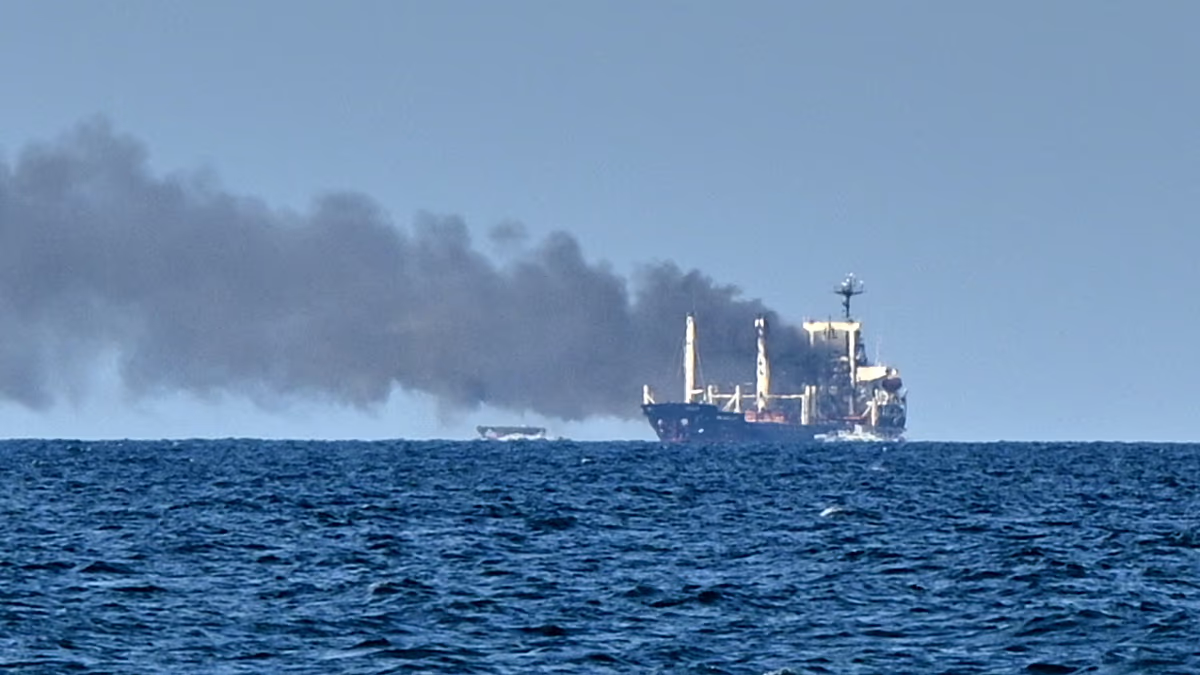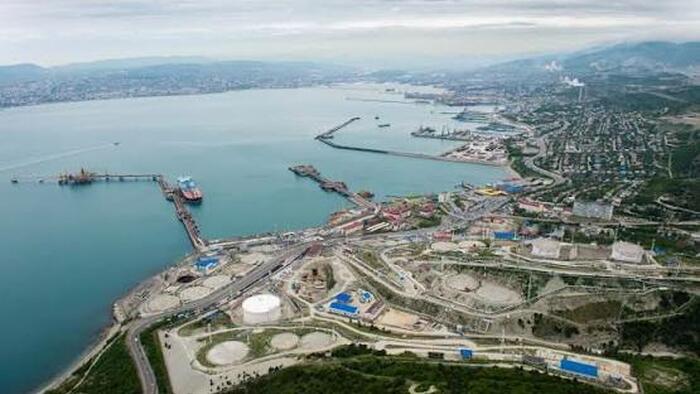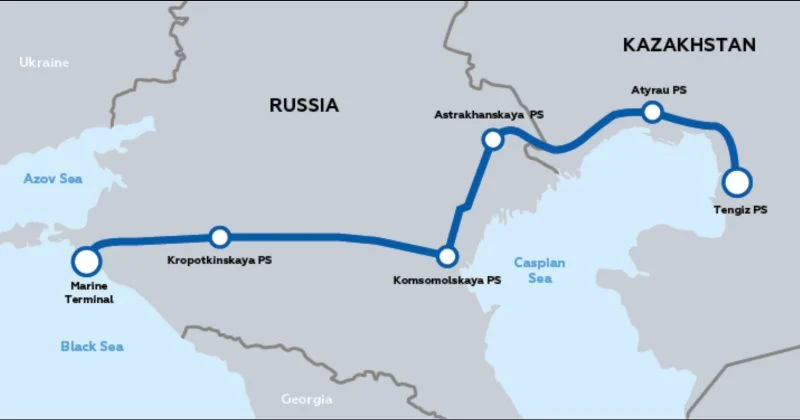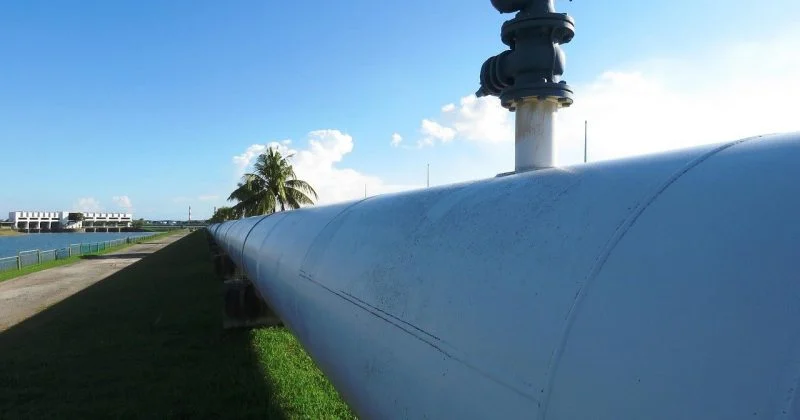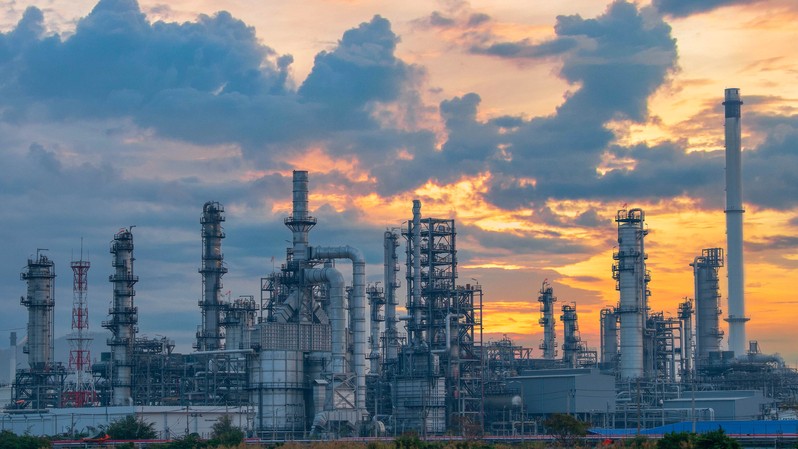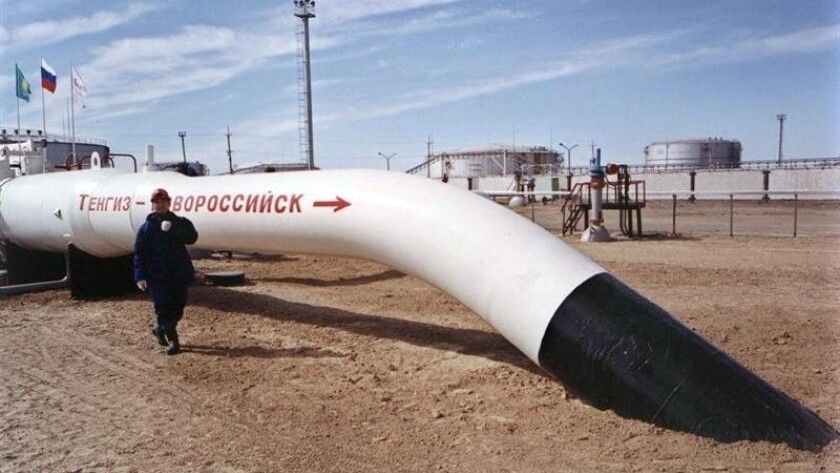
Kazakhstan should, in theory, be one of the major beneficiaries of Russia’s growing isolation from global energy markets. Its crude is unsanctioned and European refiners need alternatives to Russian barrels. Yet instead of gaining a clear geopolitical advantage, Kazakhstan has found itself exposed to many of the same risks as its northern neighbour: attacks on export infrastructure, disruptions inside Russia and repeated operational failures at its own largest fields.The roots of that vulnerability lie partly in geography and partly in the regional energy system Kazakhstan inherited from the USSR. The Caspian Pipeline Consortium (CPC) is the most important example. The pipeline was conceived and built after the collapse of the Soviet Union to provide the giant Tengiz field and other western Kazakh producers with direct access to international markets. It carries crude more than 1,500 kilometres from Kazakhstan to a dedicated Black Sea terminal near Novorossiysk (Russia), following the shortest and most economical route from the Caspian production basin to the sea.CPC exports averaged about 1.7 million b/d in the last 3 months, including around 1.42 million b/d to Europe and 280,000 b/d to Asian buyers. Overall, that stands for 80% of total Kazakh crude exports. Such a concentration could be efficient in normal conditions but dangerous in a crisis - when CPC stops, Kazakhstan does not lose one export route among many; it loses the backbone of its oil trade.The war in Ukraine has made that dependence increasingly dangerous. The Novorossiysk region (where the CPC oil terminal is located) has repeatedly come under Ukrainian drone attack, while vessels linked to CPC loadings have also faced growing security risks. A naval drone strike in November 2025 severely damaged one of CPC’s single-point moorings, and repeated attacks on tankers in 2026 further undermined confidence among shipowners, charterers and contractors. By July 21, CPC had stopped accepting crude into the pipeline from Kazakhstan after loadings were suspended. As of July 23, no authoritative confirmation of a full restart had emerged. Even though terminal infrastructure right now remains intact, the commercial effect resembles physical destruction. Tanker owners and operators (including ExxonMobil and Chevron) refuse to call at the terminal, being reluctant to expose vessels and crews to repeated attacks.As a result, Europe is particularly exposed. Italy’s port of Trieste is the largest destination for CPC exports globally, with a steady 300,000 b/d flow providing a lifeline for Austrian, Czech and German refiners. France, the Netherlands, Spain and Greece are also major destinations.A prolonged disruption would tighten Mediterranean supply and force refiners toward longer-haul barrels from the Atlantic Basin. Yet CPC Blend is not that easy to replace. It is light, at around 45 degrees API, but contains about 0.6% sulphur, leaving it sourer than grades such as Azeri Light or Saharan Blend. Refineries need sufficient desulphurisation capacity to process it efficiently.Before the latest disruption, CPC Blend traded at a discount to Dated Brent that had widened to around $3 per barrel before narrowing towards $2 over the past four months amid the Middle East crisis. The discount reflected the grade’s quality profile and abundant supply following the 2025 Tengiz expansion, as well as weak European refining demand. It also captured the rising cost and uncertainty of handling a crude stream whose logistics are increasingly exposed to the Russia-Ukraine war.A prolonged halt to loadings at the CPC terminal will inevitably increase crude oil differentials in the Mediterranean, but Kazakhstan itself would be poorly placed to benefit because its barrels could not reach the market. Instead, alternative regional suppliers (most notably Libya and Azerbaijan) would be better positioned to fill part of the shortfall and capture the resulting price upside.Kazakhstan has alternatives, but none can absorb a major CPC outage. The Atyrau–Samara pipeline can carry crude into Russia’s Transneft system, but it handled only around 220,000 b/d in 2025 against nominal capacity of roughly 350,000 b/d. Those barrels, marketed as KEBCO, still depend on Russian pipelines and ports (where, ironically, they might get droned again)The Kazakhstan–China pipeline offers about 400,000 b/d of capacity, but it is already integrated into regional flows and is also used to transport Russian crude to China. Diverting any incremental Kazakh barrels eastward would require major commercial and logistical adjustments. The most frequently discussed non-Russian option is the route from Aktau across the Caspian Sea to Baku and then through the Baku–Tbilisi–Ceyhan (BTB) pipeline. Current volumes are only around 30,000 b/d, largely because the Caspian Sea is extremely shallow and only allows navigation for ships that carry up to 15,000 tonnes (10% of the usual Suezmax load volume).Moreover, the Kazakh port of Aktau lacks sufficient storage and loading capacity, while the Caspian tanker fleet is limited. Kazakhstan and Azerbaijan have discussed lifting shipments to as much as 140,000 b/d in 2027, but that would require expanded ports, more tankers and new infrastructure. Building additional Caspian vessels is also unusually expensive because the sea (which is in fact a salt-water lake) is landlocked and new ships must be constructed locally rather than sailed in from global markets. Even if achieved, 140,000 b/d would replace only a fraction of 1.4 million b/d CPC flows. The route is strategically useful, not a near-term CPC substitute.Kazakhstan’s vulnerability extends beyond transportation. Karachaganak (one of 3 Kazakh major oil and gas fields) depends on Russia’s Orenburg gas processing plant because the field produces liquids along with large volumes of sour associated gas. Much of that gas is sent across the border for processing. When Orenburg reduces intake, Karachaganak must curb gas production and therefore liquids output as well.Following a drone strike on Orenburg on June 24, Karachaganak’s liquids output reportedly fell from around 34,000 t/d to 25,000 t/d, equivalent to a decline of roughly 70,000 b/d. That might be modest when looking at total CPC exports but significant for the 300,000 b/d capacity field itself.Tengiz field has added another layer of instability. A fire and power outage in January temporarily halted production at Tengiz and the nearby Korolev field, cutting output from around 900,000 b/d to 360,000 b/d and forcing the field operator Tengizchevroil to declare force majeure on CPC Blend supplies (which dropped to roughly 880,000 b/d that month). Another operational incident in May caused a further sharp, although brief, decline. Overall, the Tengiz oilfield has always been at the forefront of output cuts in the country: the suspended loading at the CPC terminal has led to the halving of production to 406,000 b/d (from 925,000 b/d on average in July), while the total Kazakhstan crude oil production dropped to 1.63 million b/d this week (in comparison to July’s average volumes of 2.07 million b/d).Kazakhstan therefore currently faces a three-part oil crisis: an export system concentrated on one war-exposed route, alternative corridors too small (and unworkable) to compensate, and major fields suffering recurring operational disruptions. The consequences extend beyond Kazakhstan’s oil and gas industry, as CPC and KEBCO together accounted for almost 15% of EU crude imports in June, while oil-related revenues support roughly half of Kazakhstan’s state budget. Higher regional prices may help other suppliers, but they offer little protection to a producer that cannot guarantee access to the market. Kazakhstan’s problem is not a lack of oil or buyers. It is the growing fragility of the infrastructure linking the two.By Natalia Katona for Oilprice.comMore Top Reads From Oilprice.comBrent Breaks $96 as U.S. Strikes Iran for 12th Consecutive NightIndia Keeps Buying Russian Oil at Near-Record Pace Despite Expired WaiverIran Says U.S. Struck Unfinished Nuclear Plant, Warns of Safety Risk
Ukraine’s Drone War Is Choking Kazakhstan’s Oil Exports | OilPrice.com
Kazakhstan has emerged as one of the Russia-Ukraine war’s silent victims: its oil is unsanctioned, but the infrastructure carrying it to market is increasingly trapped inside the conflict.
1,244 words~6 min read