Read The Diplomat, Know The Asia-Pacific
After roughly 10 months in power, the differences between Takaichi and Abe are becoming increasingly difficult to ignore.
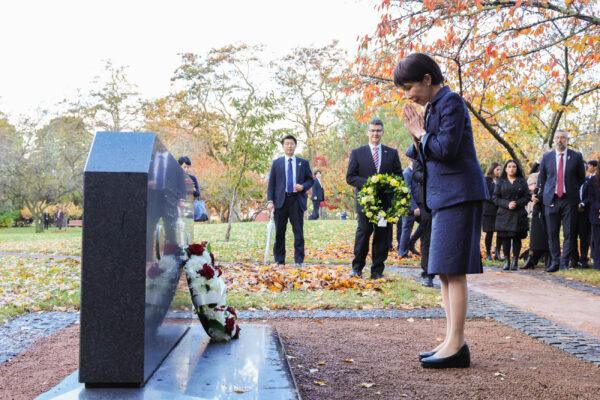
Japan’s Prime Minister Takaichi Sanae offers flowers and a prayer at the memorial for the late Abe Shinzo, former prime minister of Japan, in the Canberra Nara Peace Park, Canberra, Australia, May 4, 2026.
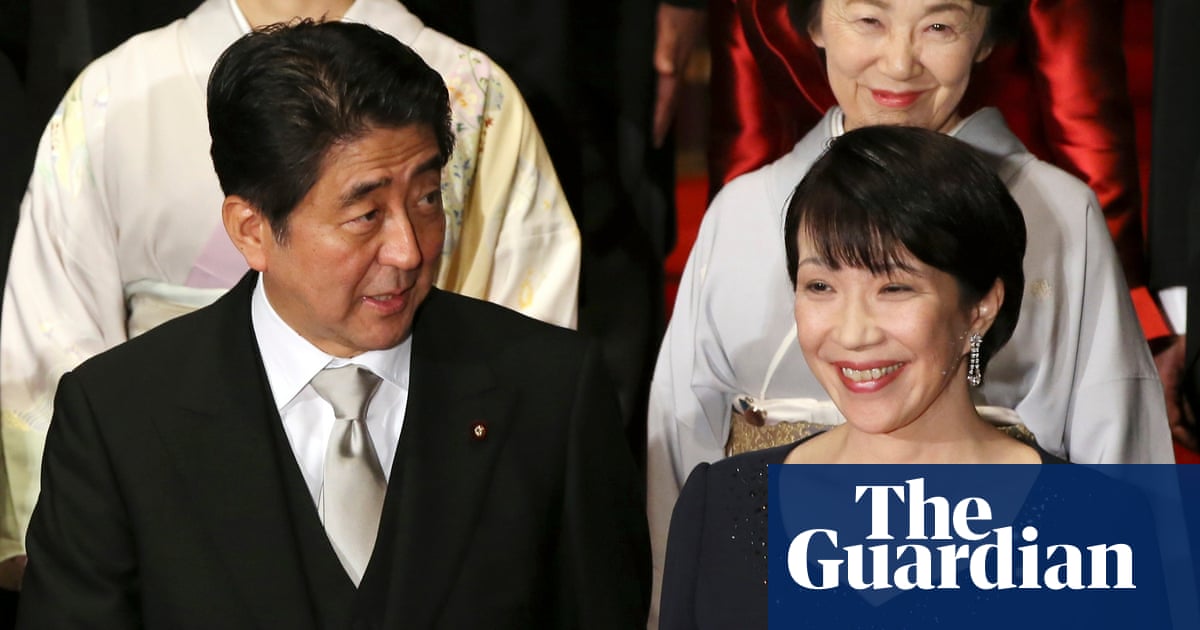
For many years, Japan’s current Prime Minister Takaichi Sanae has been portrayed by international media as the heir to Abe Shinzo’s political legacy. Her nationalist views, assertive security posture, and close ties to Japan’s conservative movement have made the comparison seem natural.
There is good reason for the comparison. As Michael Green recently argued in Foreign Affairs, Takaichi has continued an important part of Abe’s strategic legacy: strengthening Japan’s defense capabilities, deepening the Japan-U.S. alliance, and responding more assertively to the challenge posed by China. From this perspective, Takaichi represents the continuation of a strategy that seeks to make Japan a stronger and more indispensable U.S. ally.