An AI agent is only useful because it can act. It runs code, calls your APIs, reads a database, files a ticket, moves money. That is the whole point, and it is also the whole problem. The moment an agent can do real things, a wrong decision stops being a bad sentence on a screen and becomes a deleted table, a leaked file, or a €4,000 cloud bill run up overnight. Sandboxing is how you keep that blast radius small.
Most teams that put an agent into production in 2026 did not start with isolation. They gave the agent broad access, watched it work in a demo, and shipped. Then something went sideways, usually not from an attacker but from the agent itself doing exactly what it was told in a way nobody expected. Gartner's own read is blunt: through 2028, at least 80% of unauthorized agent actions will come from internal policy violations, oversharing and misguided behavior, not from hackers. The fix for that is not a smarter prompt. It is a smaller box.
What a sandbox actually is
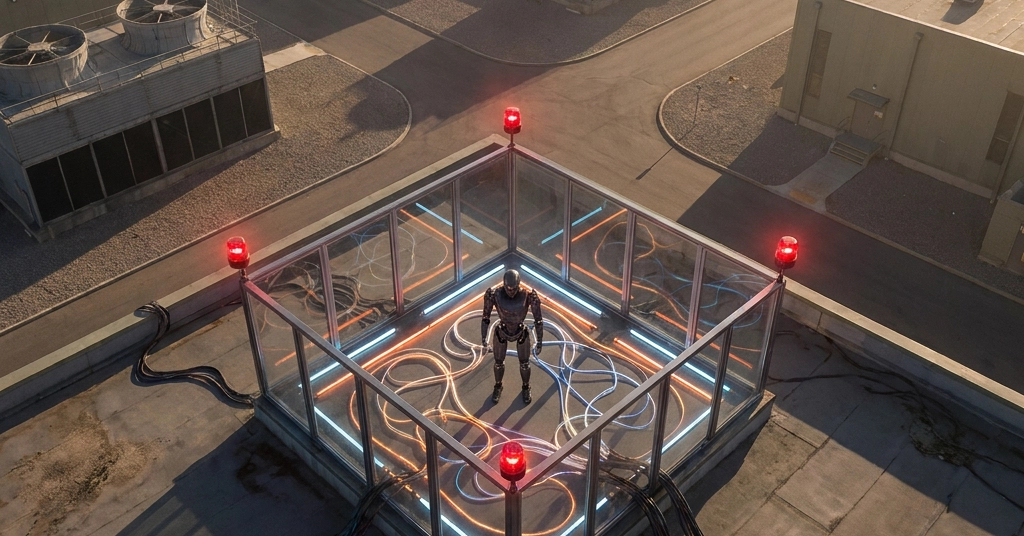
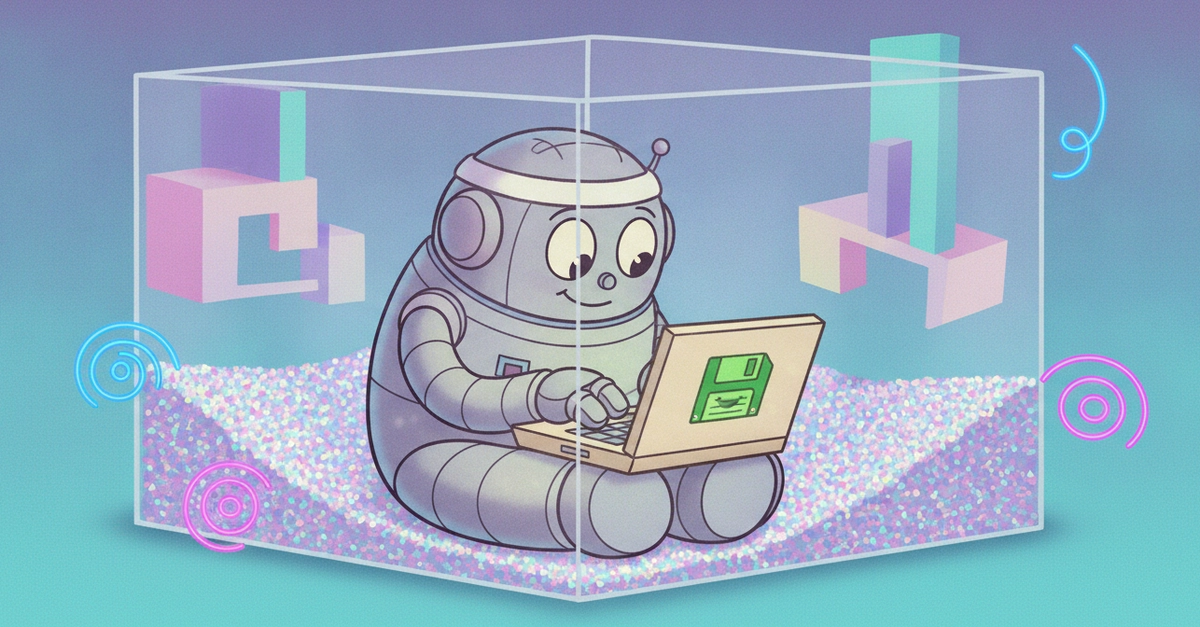
A sandbox is an isolated environment that deliberately limits what an agent can reach. The agent still runs, still calls tools, still writes code. It just does all of that inside walls you control, so the worst thing it can do is contained to that space instead of your production estate.