metamorworks/Shutterstock
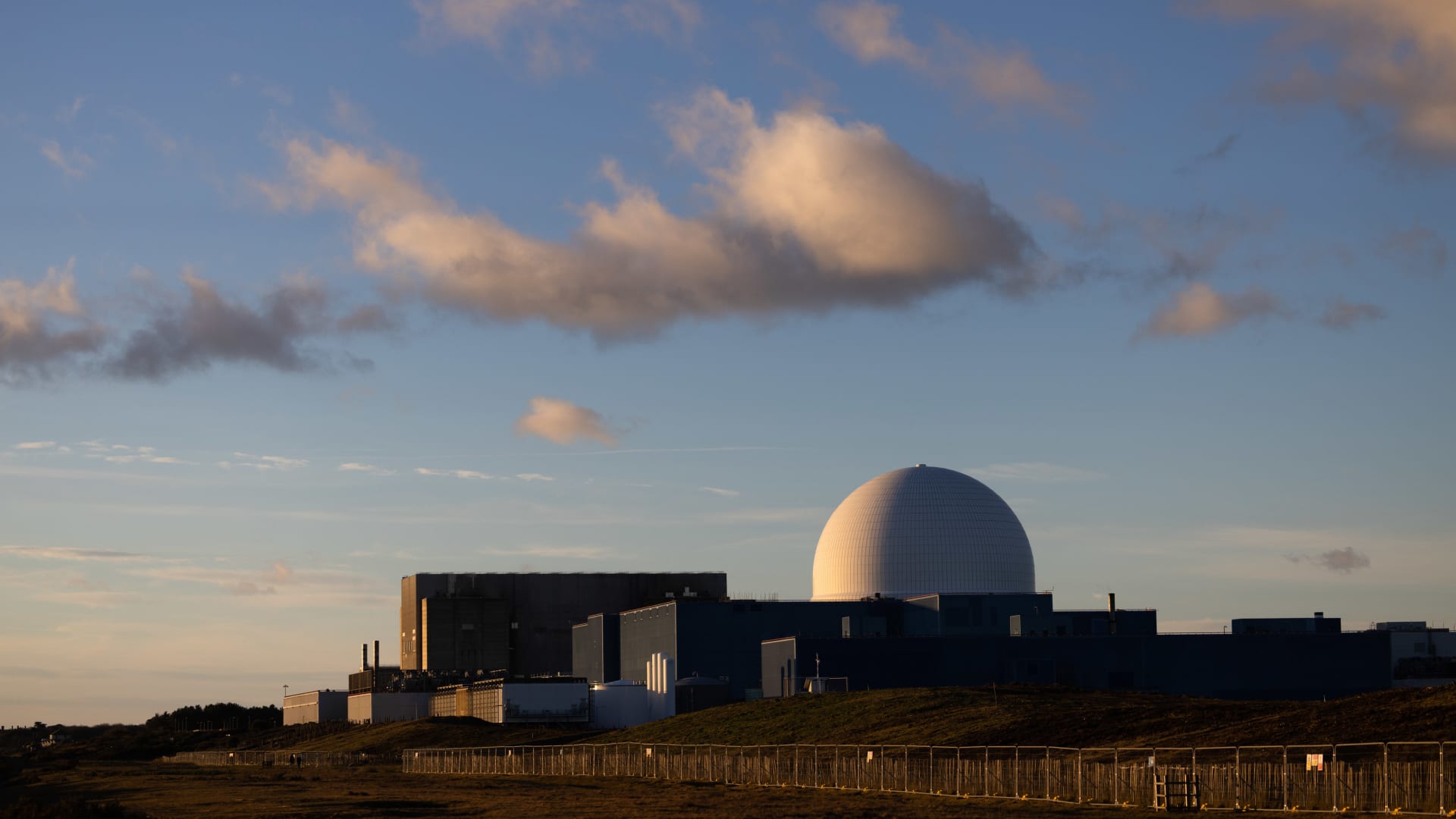
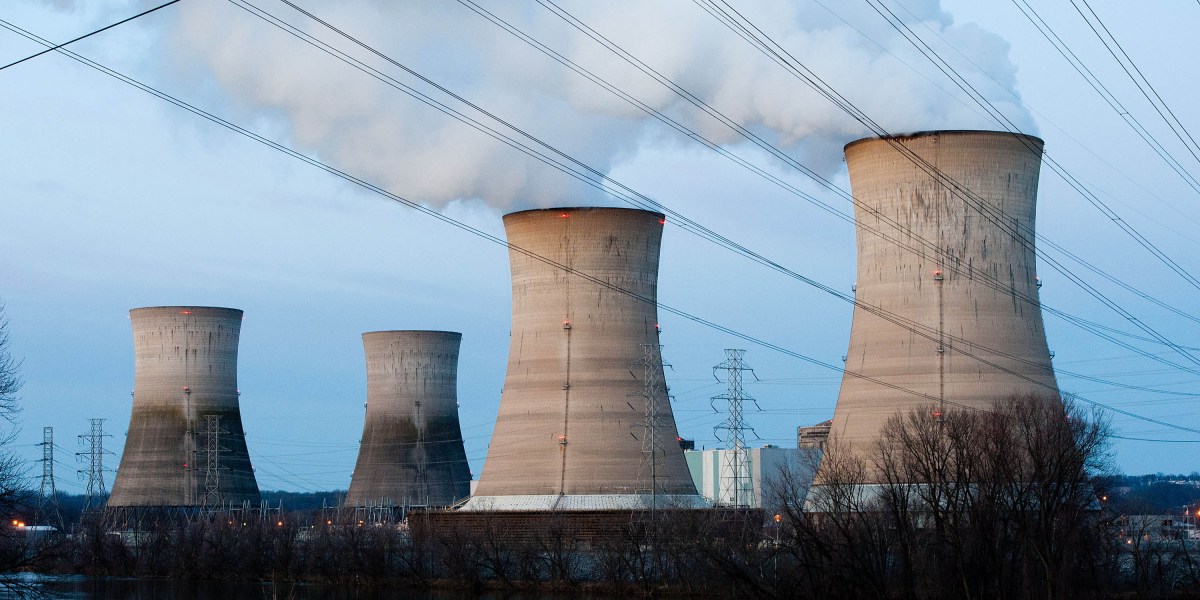
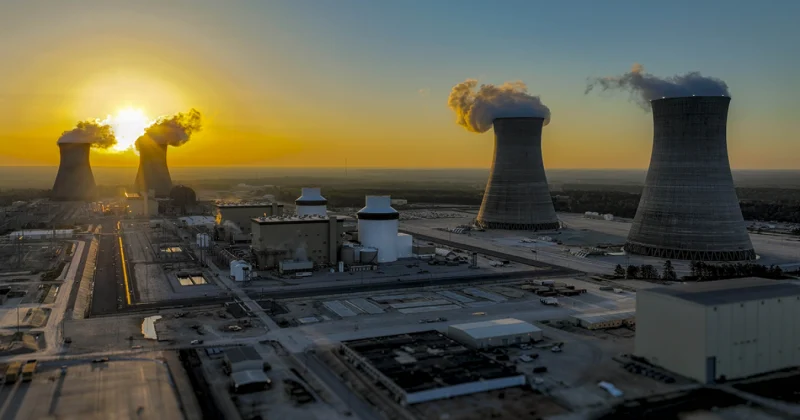
Big tech’s growing interest in nuclear power could provide the investment needed to expand the sector’s supply chain. There is a risk, however, that the rapid influx of new projects could create additional pressure on an industry already struggling with shortages in qualified workers, components and manufacturing capacity needed to service and maintain existing public infrastructure.The world’s largest technology companies, such as Google and Microsoft, first entered the energy market in the 2010s, seeking to build renewable energy sources for their data centers. Since the watershed moment when generative artificial intelligence was made widely available to businesses and the global public, however, the scaling demand for digital infrastructure has driven many of the industry’s biggest players and their investors to explore alternative sources of clean energy.AI data centers are unforgiving consumers of electricity. Unable to rely solely on variable renewables, many tech giants are turning to nuclear power for dependable, low-carbon energy, with the emerging promise of privately built small modular reactors (SMRs) offering a particularly attractive solution.The question is whether this new private capital will unlock the global nuclear supply chain or overload it.Choosing the Nuclear OptionUnlike many industrial users, demand can’t be turned down when the wind drops or the sun sets. Data centers need a continuous, stable power supply to prevent server failure. Most grids in developed markets were built around large thermal power stations — first coal, then combined-cycle gas turbines — to provide a stabilizing baseload. As coal is phased out and gas faces climate scrutiny, nuclear once again stands out as a proven, zero-carbon option for firm generation. SMRs are well suited to meet this demand: Their size resembles legacy coal and gas units, while their lower water use provides greater flexibility for inland sites closer to centers of demand.Major tech companies have already taken steps to secure the energy they need, with the first projects now operational in the US. In Pennsylvania, Amazon Web Services has partnered with Talen Energy to build a data center campus beside the Susquehanna boiling-water reactor nuclear station, ensuring a steady long-term supply of traditional nuclear power. The first facility came on line in 2024, with a second building opened earlier this year, and the project is expected to reach full volume in 2032. Further west, the company is working with Energy Northwest to bring advanced SMRs on line near the Columbia Generating Station, to serve both regional demand and AWS’s expansion.Agreements signed with Vistra, TerraPower, Oklo and Constellation Energy now make Meta “one of the most significant corporate purchasers of nuclear energy” in the US, according to a January 2026 press announcement. With a total commitment of 6.6 gigawatts, Meta is narrowing the gap with Amazon’s industry-leading 7.5 GW of new and existing power.In the UK, SGE (formerly Synthos Green Energy) is leading a program to deploy 14 GE Vernova-Hitachi BWRX-300 SMRs in a clear example of this new approach. Rather than a single project, this initiative aims to deliver about 4.2 GW of capacity across several locations, backed by private funding and featuring Google Cloud as a technology partner, with new data centers planned alongside them.A Supply Bottleneck?While tech capital is driving a wider mix of projects and faster builds, it also places unprecedented demand on an already stretched supply chain. Today’s nuclear sector is juggling three massive workloads:It must safely operate and maintain the existing reactor fleet. That includes refueling, routine inspections and replacement of aging components, all of which require qualified suppliers and experienced personnel.Regulators in many countries are now reviewing requests to keep older plants running for longer, such as the recently announced 20-year extension for Britain's Sizewell B plant. Extending plant life isn’t simple; it requires extensive review and often calls for major upgrades or replacements, all drawing on the same small group of qualified nuclear suppliers and contractors.The sector is building around 80 newbuild projects at GW-scale worldwide — from Hinkley Point C and Sizewell C equivalents in Europe, to new plants in North America and emerging nuclear markets. These projects demand large forgings, reactor vessels, safety-critical piping and complex control systems. Many of these items come from a small number of heavy manufacturing facilities worldwide.On top of this is now the emerging SMR market. SMRs are often described as modular, factory-built reactors that promise economies of replication. But the factories themselves, and the associated tooling and specialist labor, are only just being planned or expanded. In the near term, they will compete directly for construction resources with electric vehicle gigafactories, logistics hubs, data centers and major transport infrastructure.Pushing a thin supply chain creates severe quality and safety hazards, including the risk of counterfeit or substandard components entering facilities. If they slip through and are installed in the wrong place, they can put the entire plant at risk and undermine public trust.New Resources and IdeasOn the other side of the coin, long-term commitments by major tech companies might provide suppliers with the certainty needed to expand factories, train apprentices and adopt nuclear-grade standards.Historically, the sector has struggled with construction delays caused by regulatory holdups, causing uncertainty for suppliers. The new tech players seem to be entering the market with a can-do attitude and new ideas that could help break this deadlock. In March 2026, Microsoft and Nvidia announced an “AI for nuclear” partnership intended to “streamline the permitting, design and operations of nuclear power plant facilities ... while maintaining regulatory standards and engineering accountability.”Understanding the CultureFor these first-time entrants, success means recognizing that nuclear is a strictly regulated, multi-decade infrastructure in which documentation, safety culture and public trust are as critical as the megawatts delivered.The greatest risk is assuming nuclear behaves like conventional infrastructure. Instead, it is governed by national regulators, international conventions and a safety culture that treats documentation, traceability and conservative design decisions as central to the license to operate.For companies looking to power data centers or AI campuses with nuclear energy, a few realities need to be front of mind:Regulatory timelines and paperwork: Securing a license isn’t quick. It takes years of back-and-forth with regulators and mountains of documentation — designs, safety reviews, environmental studies and supply chain checks. You can get a head start, but there’s no shortcut through the red tape.Assurance and safety culture: The nuclear supply chain is tightly regulated. Suppliers have to meet nuclear-grade standards, watch out for counterfeit or suspect parts, keep everything fully traceable and document every decision so that regulators and independent assessors can check their work.Long-term risks: Nuclear plants are designed to run for decades. Risks from component degradation, skills attrition and supplier turnover must be managed over that horizon, not patched with short-term fixes or fragmented sourcing.Public confidence and local impact: Projects will be measured by more than just power output and carbon savings. Jobs, training, housing, local infrastructure and how safe people feel all matter. Honest and clear communication can turn nuclear investment into a local win rather than a source of controversy.Tech investors who understand these realities and plan for them are far more likely to deliver projects on time and on budget, with public and regulatory support over the life of the asset.A Conditional Opportunity for Nuclear and TechAI’s appetite for energy is rising just as governments are pushing for a major expansion of nuclear capacity. In a best-case scenario, tech capital and commitment could help unlock new manufacturing capacity, skills and modernized supply chains.The key to success will be working together to strengthen the supply chain and recognizing that in nuclear, understanding supply chain dynamics, risks and planning cycles is just as important as gigawatts and financial returns.Simon Emeny is head of nuclear at global risk management specialist LRQA. The views expressed in this article are those of the author.