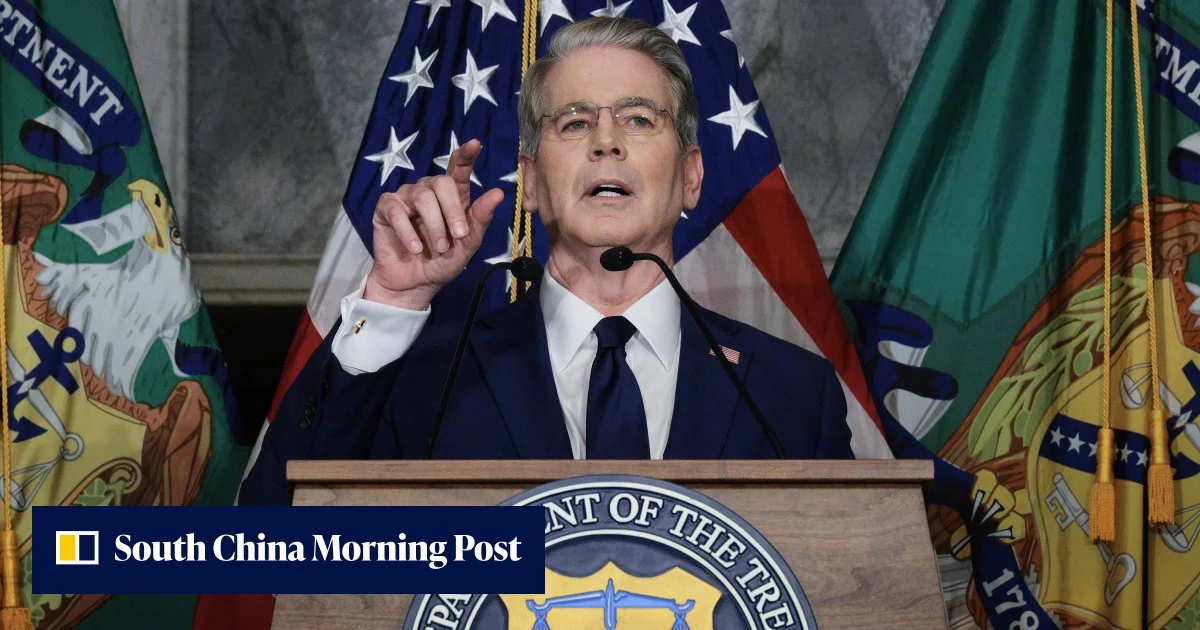
The US Treasury’s Financial Crimes Enforcement Network has proposed a rule that would sever a foreign bank’s access to the American financial system, citing its role in facilitating money laundering for illicit networks spanning multiple sanctioned nations. The action, taken under Section 311 of the USA PATRIOT Act, represents one of the most aggressive tools available to US regulators: a formal designation as a “primary money laundering concern.”
Alongside the FinCEN proposal, the Treasury’s Office of Foreign Assets Control (OFAC) has sanctioned individuals and companies linked to Iran’s money laundering activities, targeting a sprawling shadow banking infrastructure that has used the UAE as a critical hub for moving funds on behalf of sanctioned entities.
What FinCEN’s proposal actually does
When FinCEN designates an institution as a primary money laundering concern, it can invoke “special measures” that essentially build a wall between that institution and the US dollar system. In this case, FinCEN is pursuing special measure five, which would prohibit US financial institutions from opening or maintaining correspondent accounts for the designated bank.
FinCEN’s notice explicitly states that no lesser measure would be sufficient to address the money laundering risks posed by the institution. The bank has been implicated in facilitating money laundering for illicit actors connected to Venezuela, Russia, and Iran.