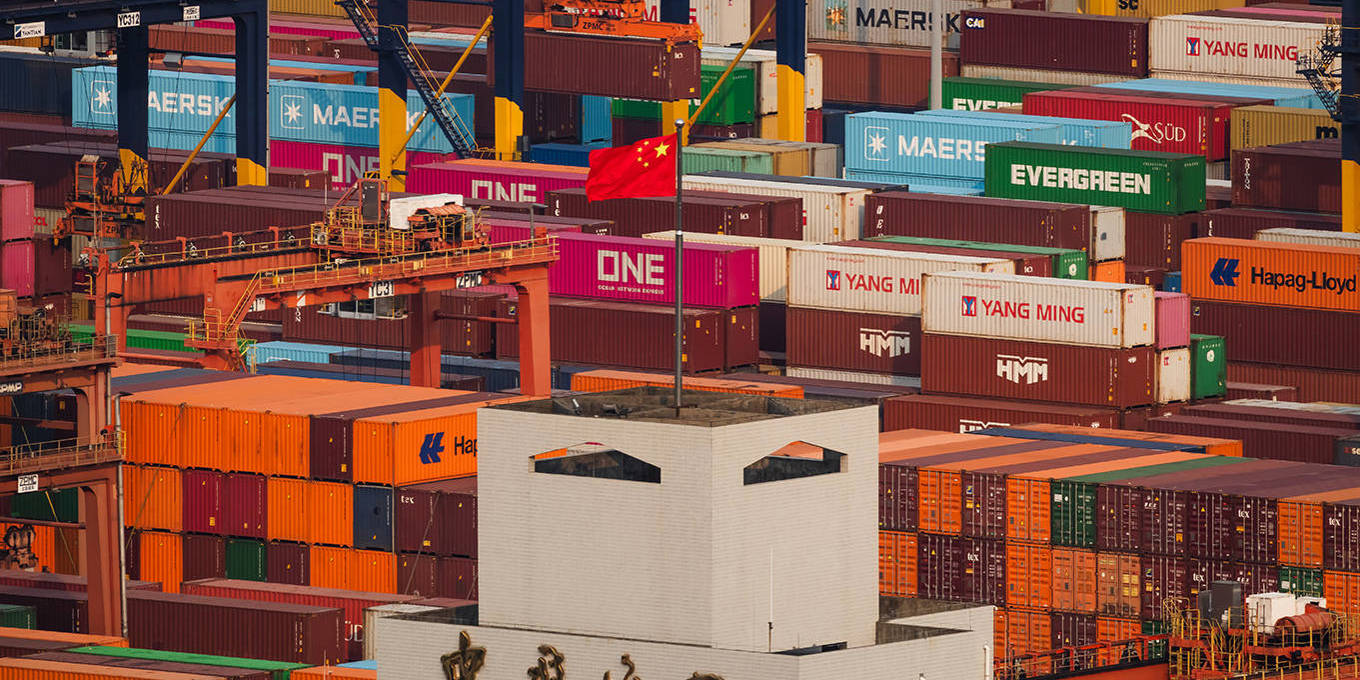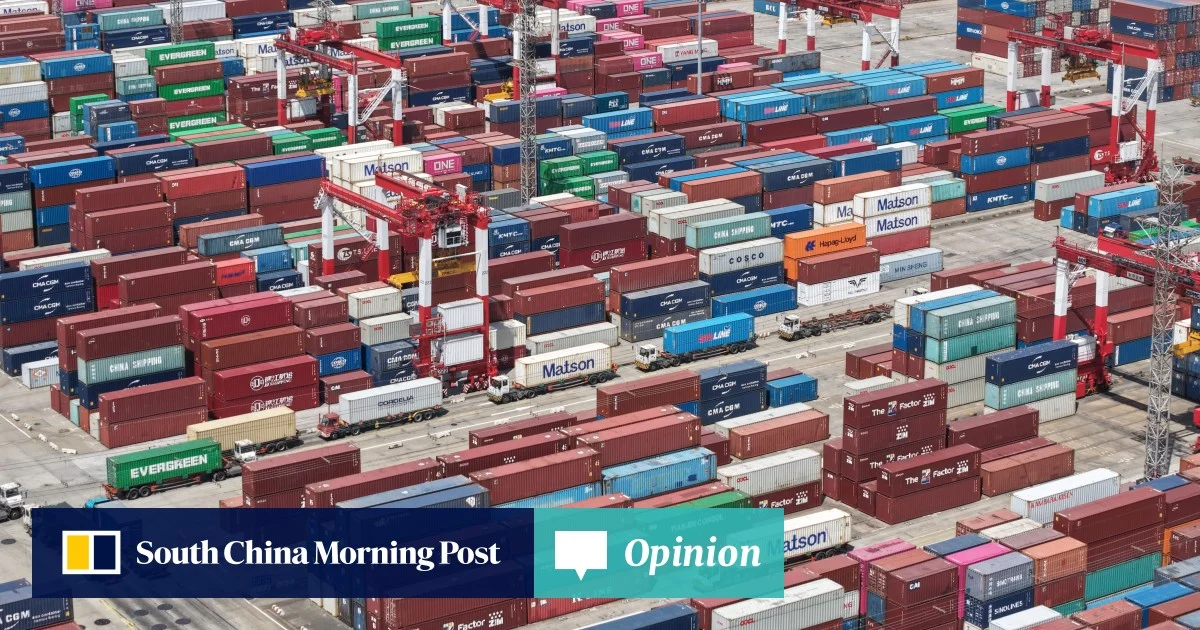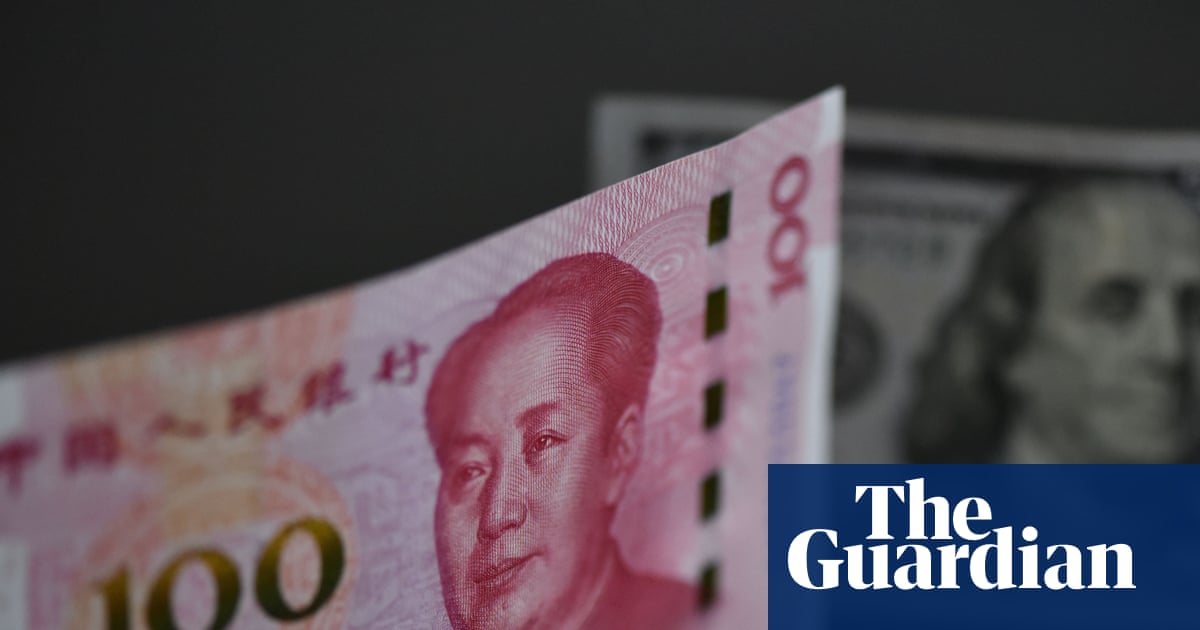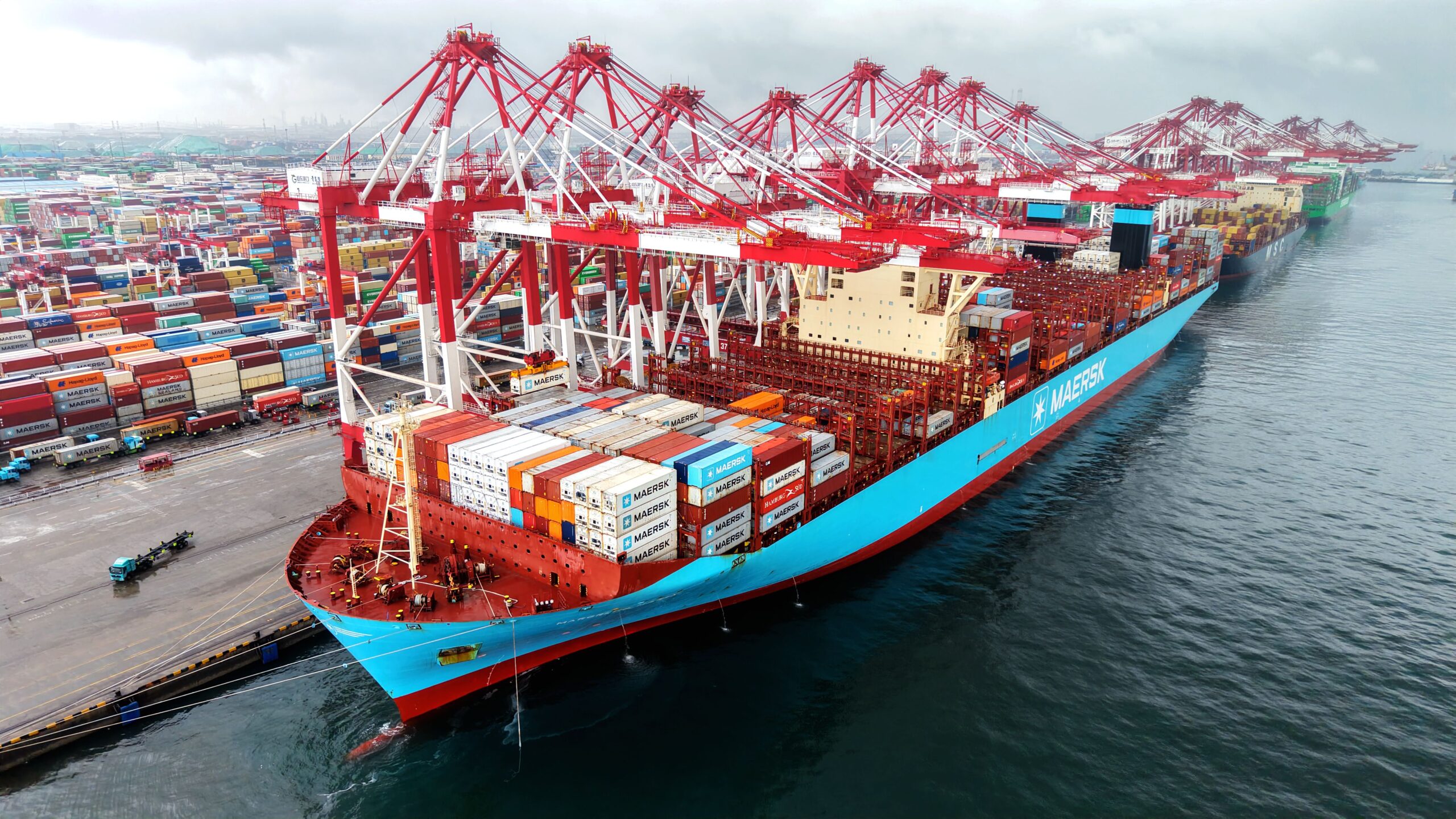
WASHINGTON—China’s trade surplus, the largest in history at $1.2 trillion in 2025, is routinely cited as evidence of unfair competition or currency manipulation. It is much more than that. It is the visible byproduct of a deliberate strategy aimed at self-sufficiency that discourages private consumption, subsidizes industrial investment, and exports whatever the domestic market cannot absorb.
China’s strategy is mercantilist in a way many analysts recognize—but what is less widely appreciated is how that familiar label now operates through advanced manufacturing, global value chains, and geopolitical positioning. Western countries cannot correct China’s mercantilism merely through trade or exchange-rate diplomacy, and treating it simply as part of a broader global imbalances story misses the central problem. Whether China’s trade surplus is fair or manipulated is therefore an interesting but not essential question. The more important one is whether China’s geopolitical strategy can be contained by the democracies whose living standards and political stability it increasingly threatens.
The next China shock
China’s strategy rests on three mutually reinforcing pillars. The first is industrial: rapid technological diffusion, fierce state-sponsored competition encouraged by public subsidies in selected industries, and tight integration across the production chain. All are playing out inside a domestic market large enough to give Chinese firms a scale advantage that few rivals can match. The result is a manufacturing base that has kept expanding even as domestic demand has stagnated, forcing firms into destructive price competition at home and aggressive export pricing abroad. This has displaced Western producers in what has been dubbed the China Shock 2.0.