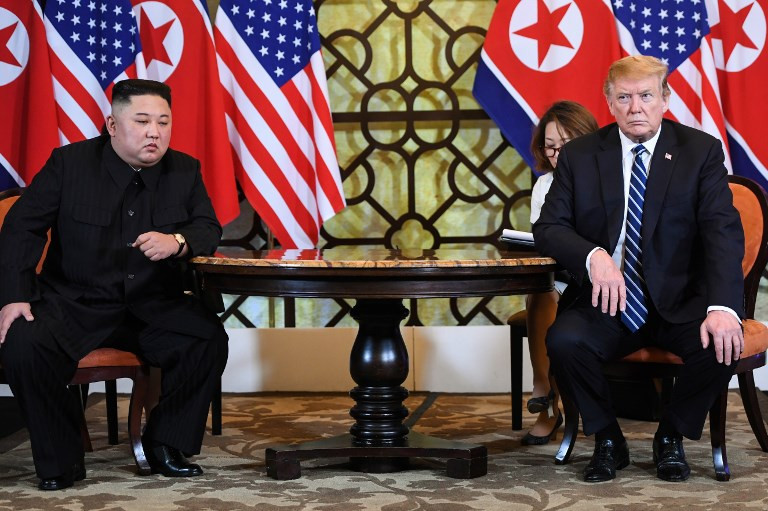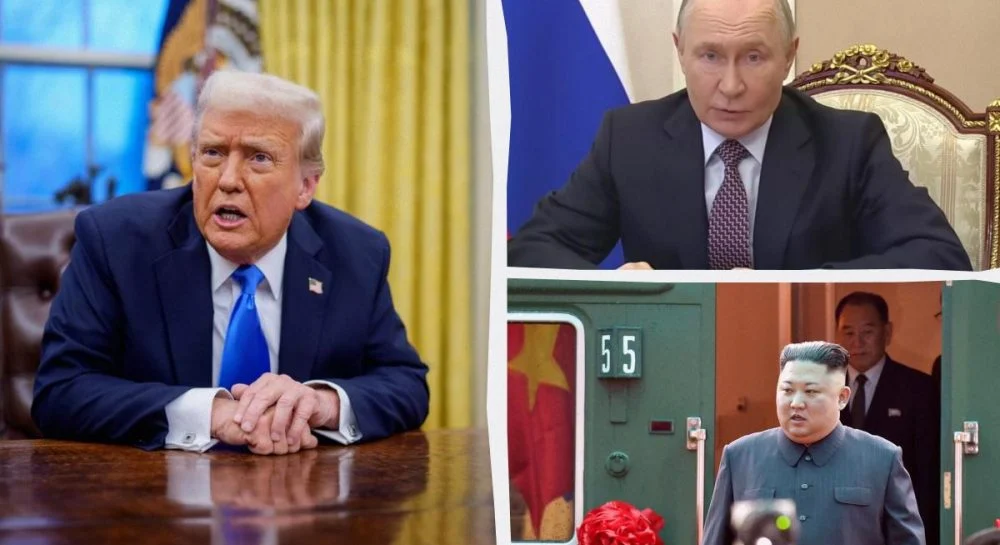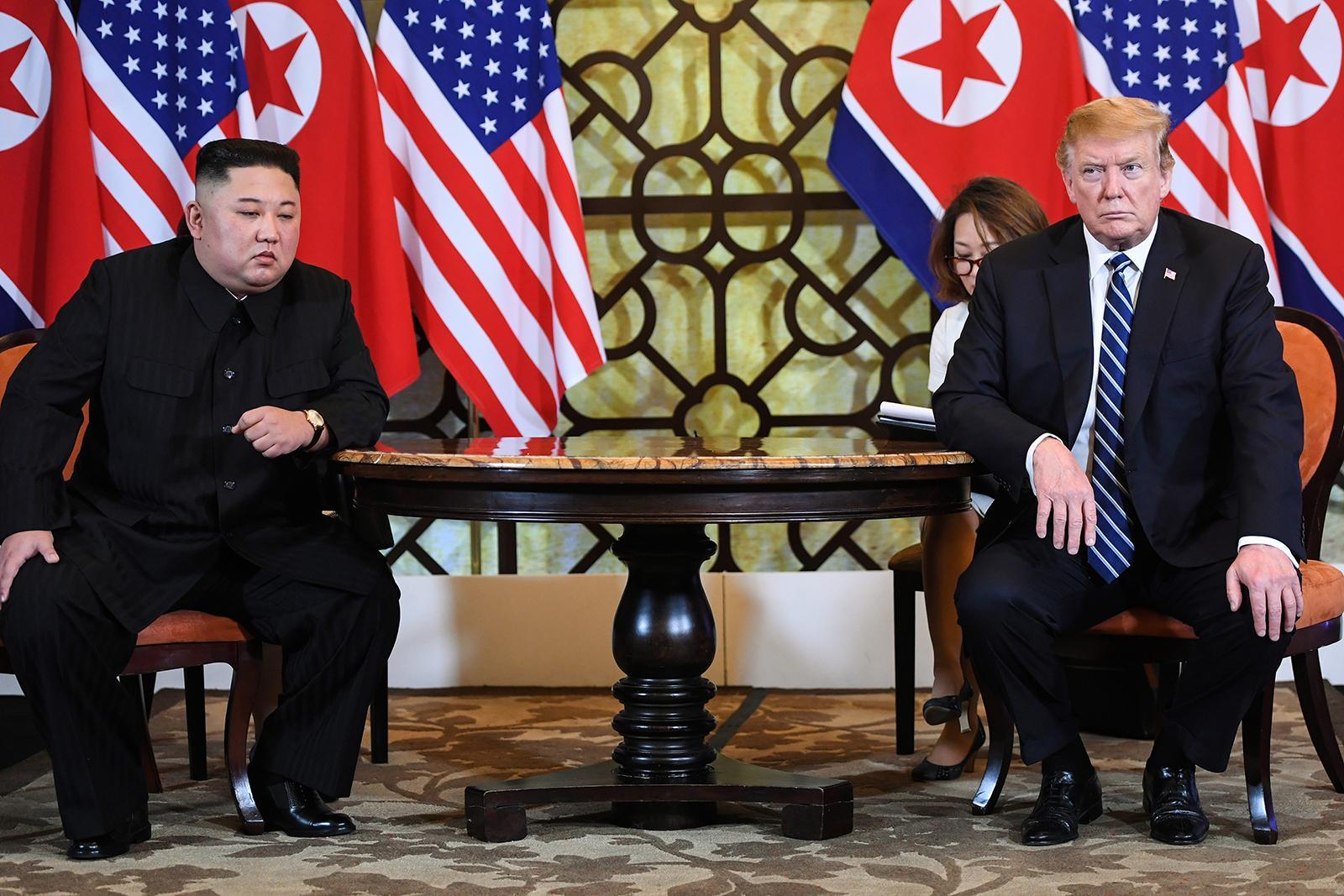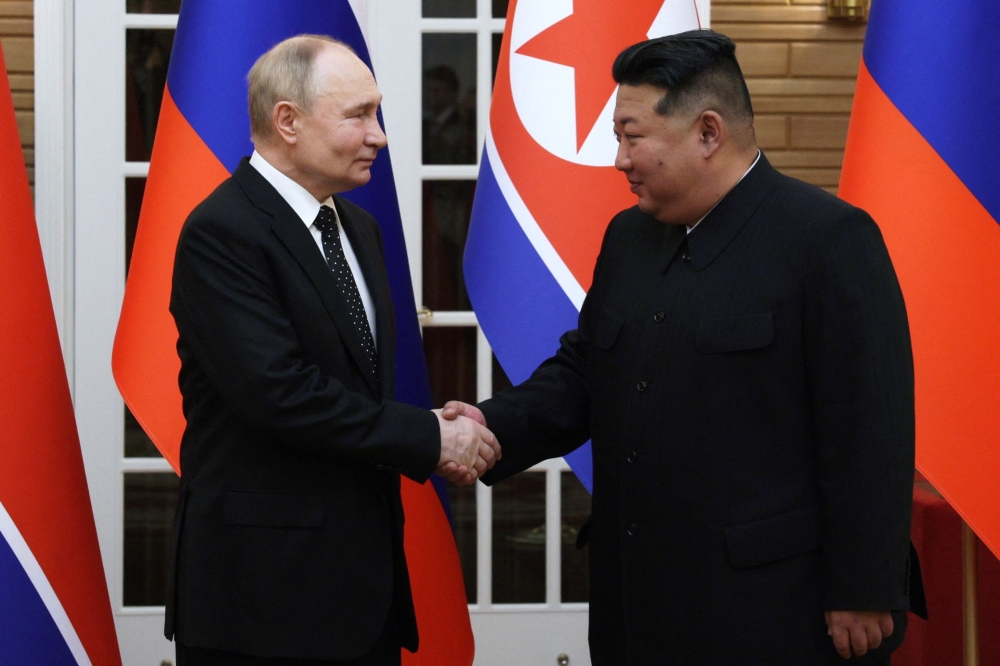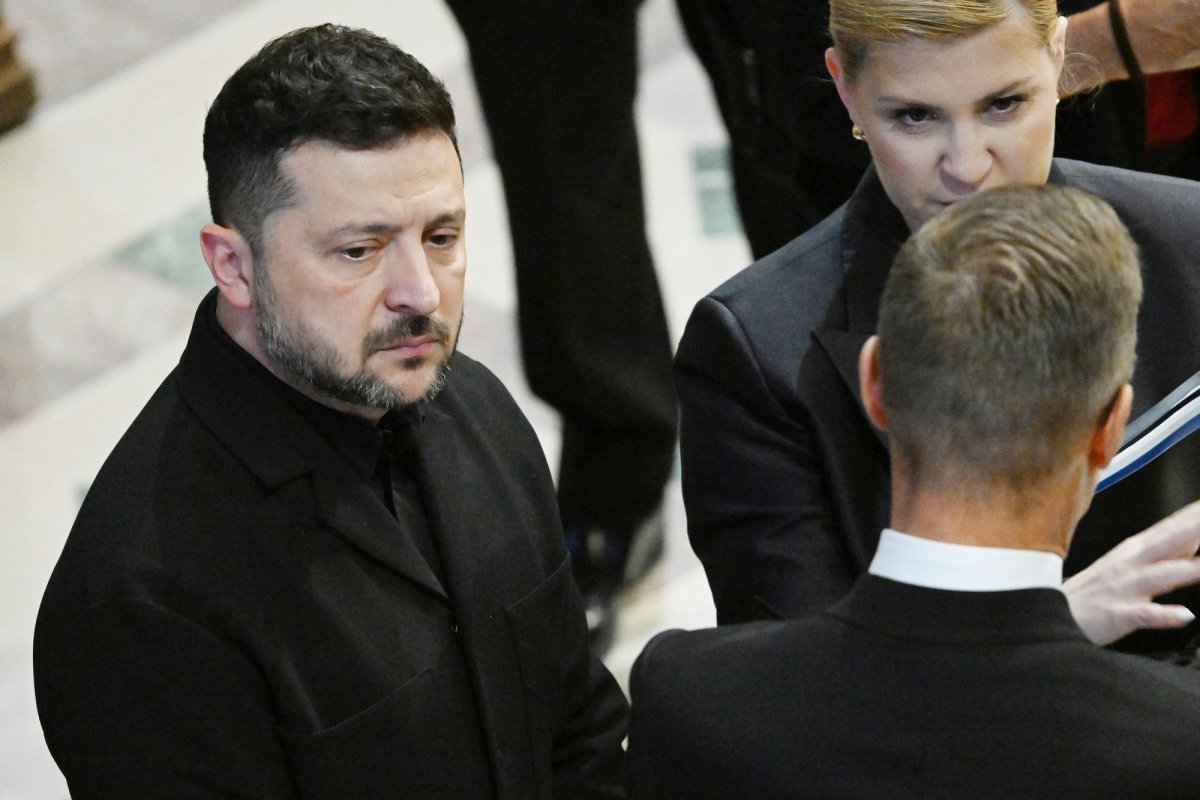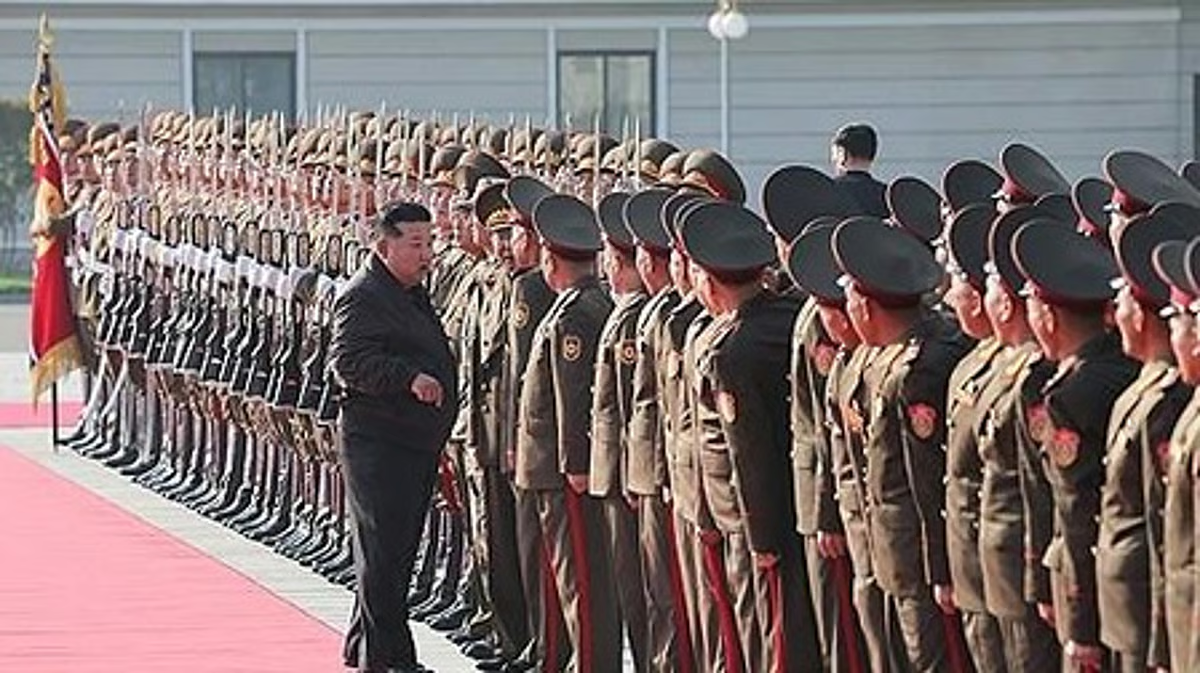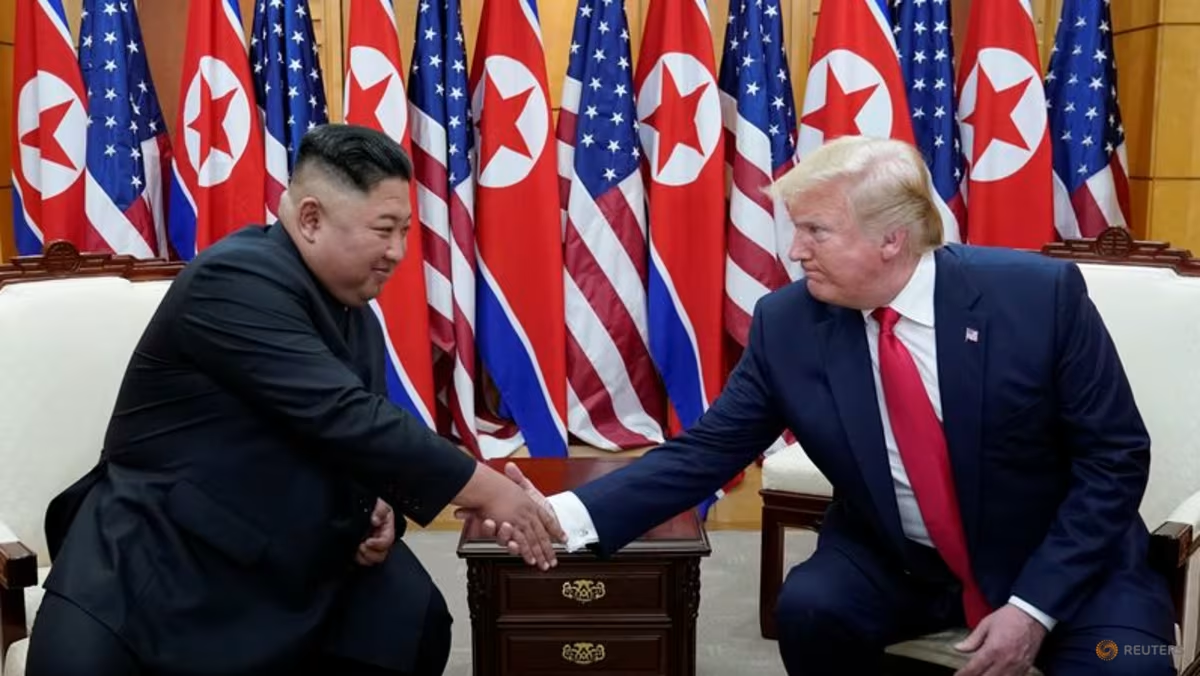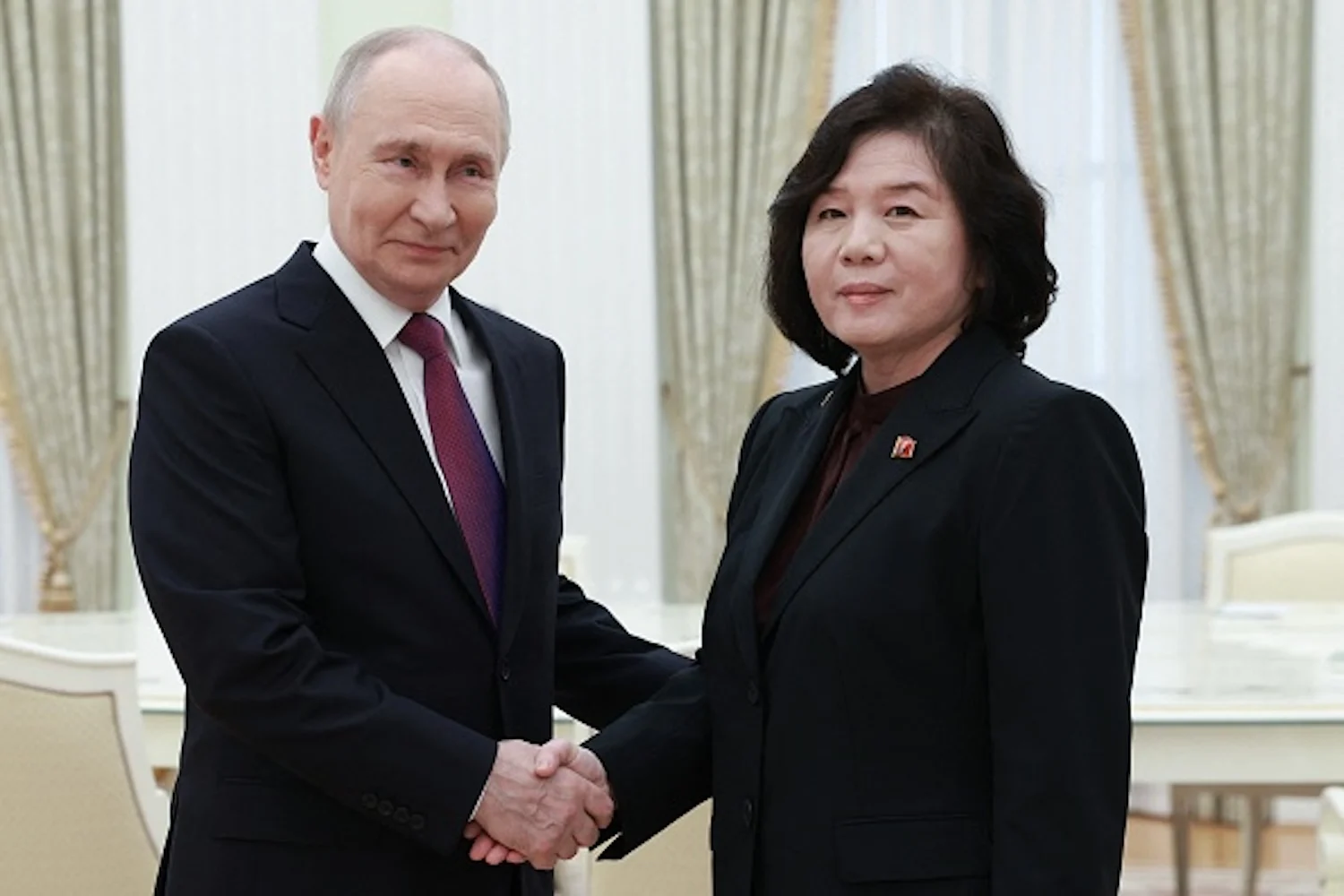
U.S. President Donald Trump’s decision last week to scale down the annual Ulchi Freedom Shield military exercise with South Korea came at an awkward moment, given Ukrainian President Volodymyr Zelensky’s recent warning that North Korea’s military capacity is expanding. U.S. and South Korean military planners had designed this year’s drills to account for expected changes in modern warfare, including drones, GPS disruption, and cyberattacks. But the drills were also intended to help prepare for a North Korea that is gaining invaluable wartime experience from its involvement in Russia’s war with Ukraine.
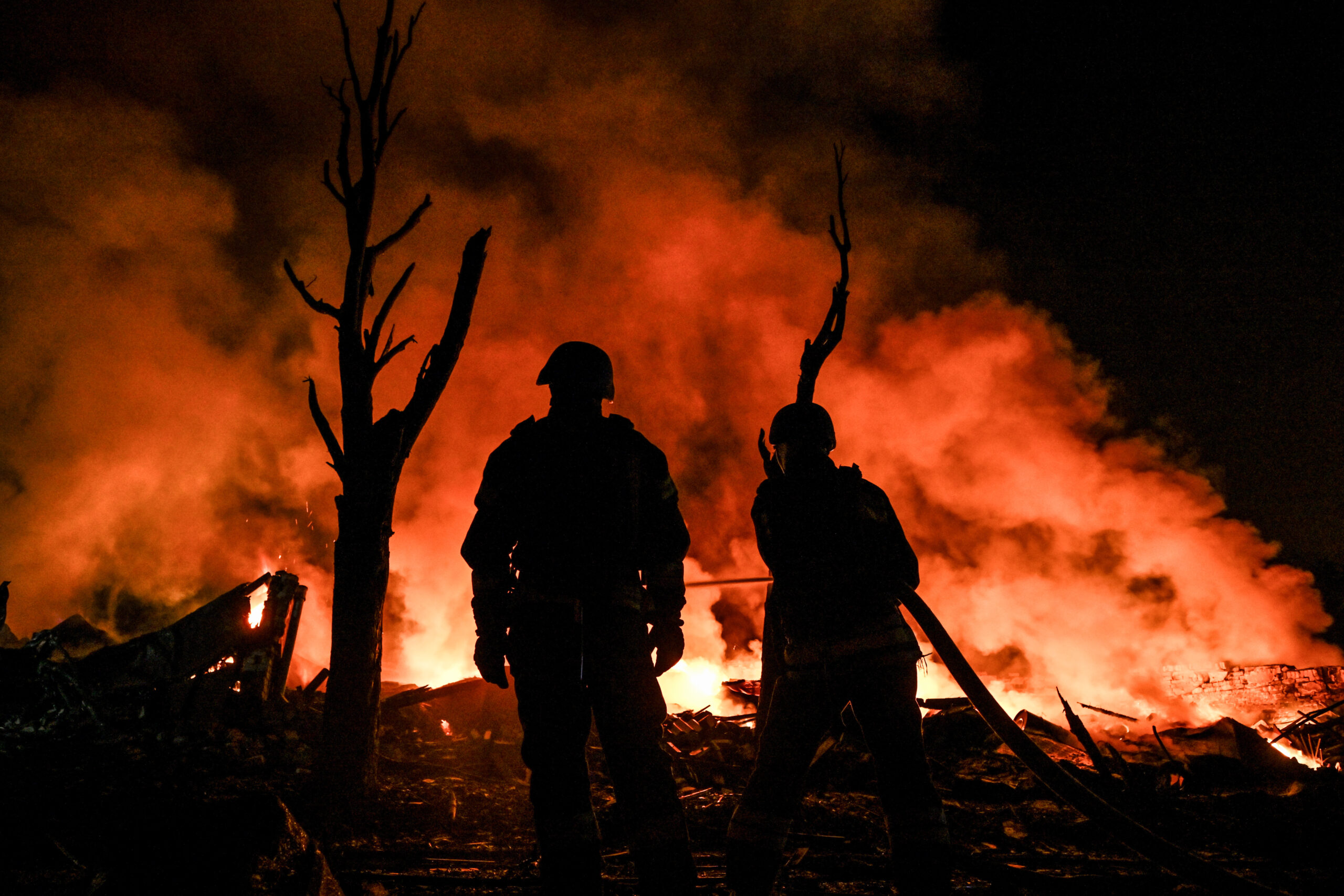
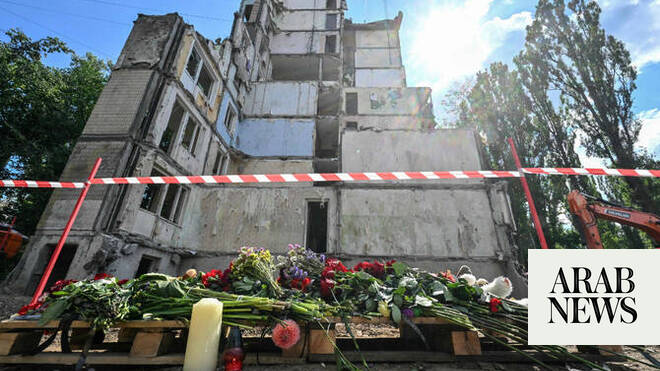
In the days after Zelensky’s warning—when he also appealed to South Korea for help strengthening Ukraine’s air defenses—Russian forces used North Korean ballistic missiles in a deadly attack on the Ukrainian city of Zaporizhzhia, and Pyongyang launched another ballistic missile from its east coast. Lessons from that battlefield will shape any future military clash that the United States and South Korea might face in Northeast Asia.
U.S. President Donald Trump’s decision last week to scale down the annual Ulchi Freedom Shield military exercise with South Korea came at an awkward moment, given Ukrainian President Volodymyr Zelensky’s recent warning that North Korea’s military capacity is expanding. U.S. and South Korean military planners had designed this year’s drills to account for expected changes in modern warfare, including drones, GPS disruption, and cyberattacks. But the drills were also intended to help prepare for a North Korea that is gaining invaluable wartime experience from its involvement in Russia’s war with Ukraine.