Potocari (Bosnia and Herzegovina) (AFP) – To survivors of the Srebrenica massacre, the death of former Bosnian Serb military leader and war criminal Ratko Mladic changes little about his legacy.
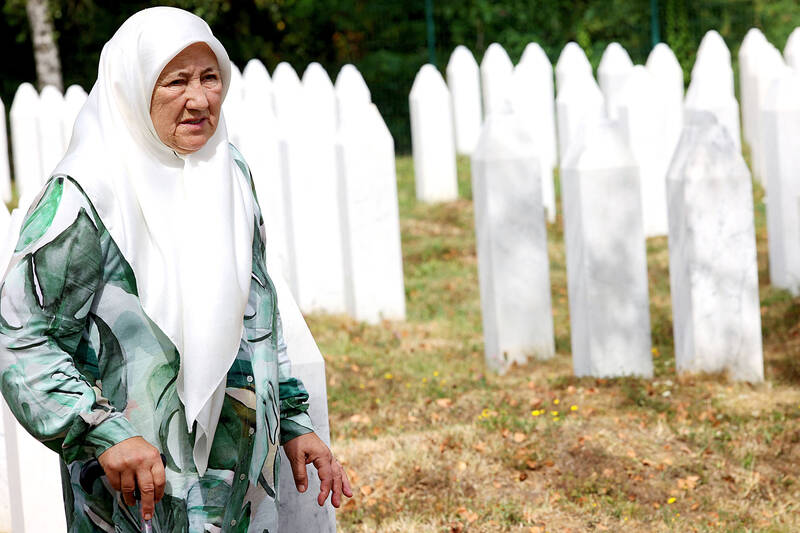
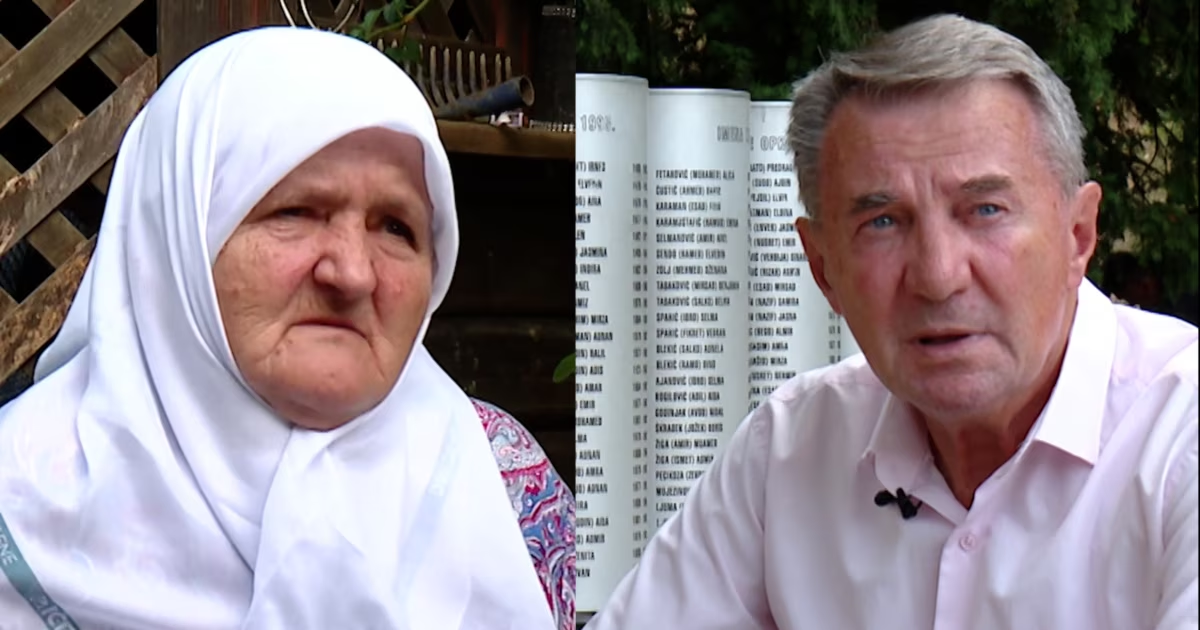
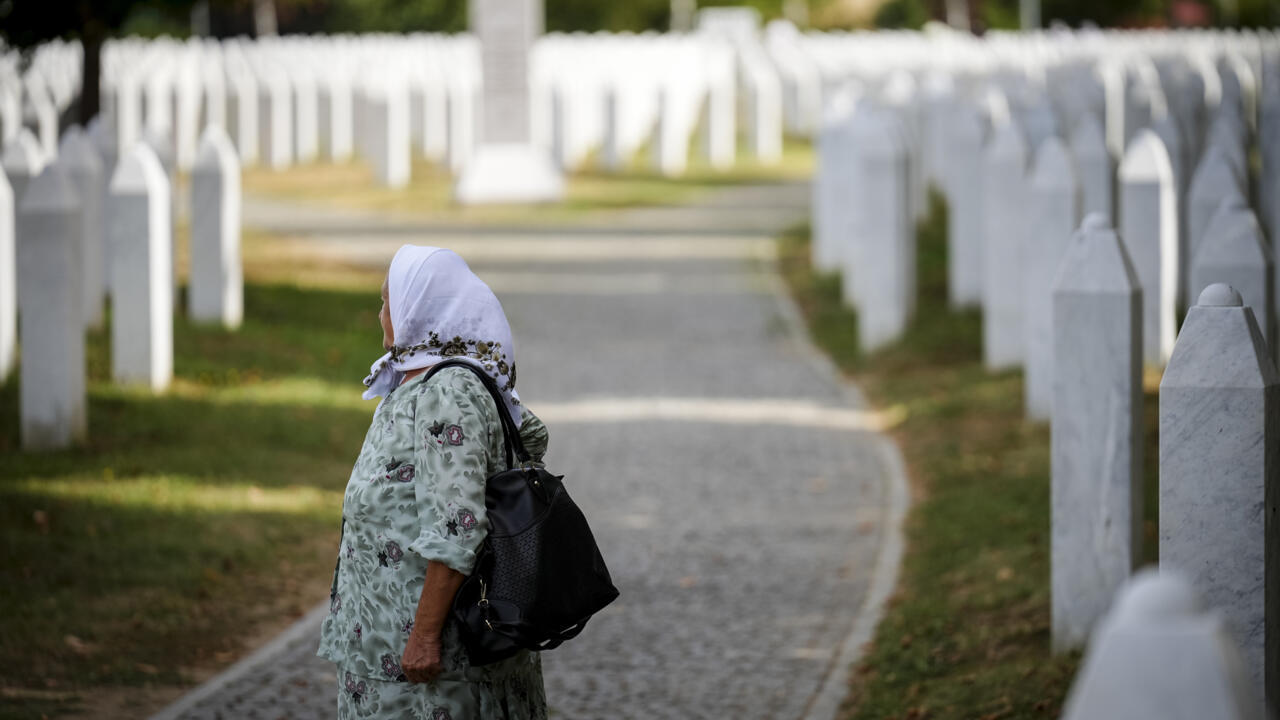
Mejra Djogaz, whose three sons, husband and grandson were killed by forces led by Mladic, lives at the edge of the memorial centre in Potocari, where thousands of marble gravestones mark the victims of the 1995 massacre."It's because of him that I was left alone. And I'm not the only one who was left alone: all the mothers in Srebrenica, and many others across Bosnia and Herzegovina, suffered the same fate," the 77-year-old told AFP.
© Nidal Saljic / AFP
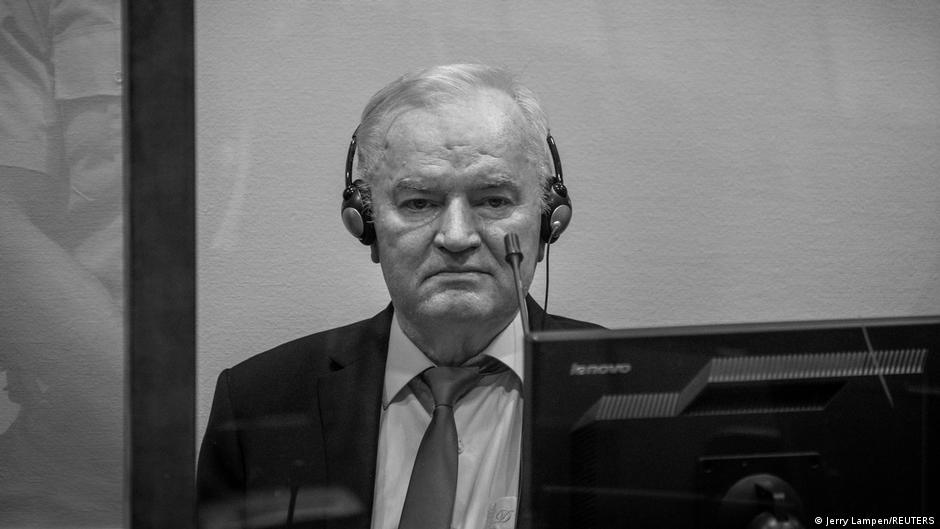
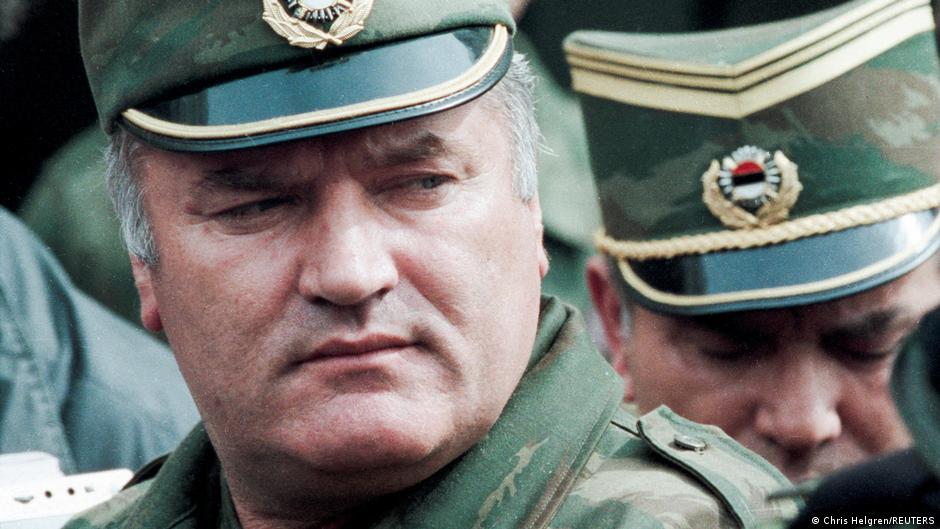
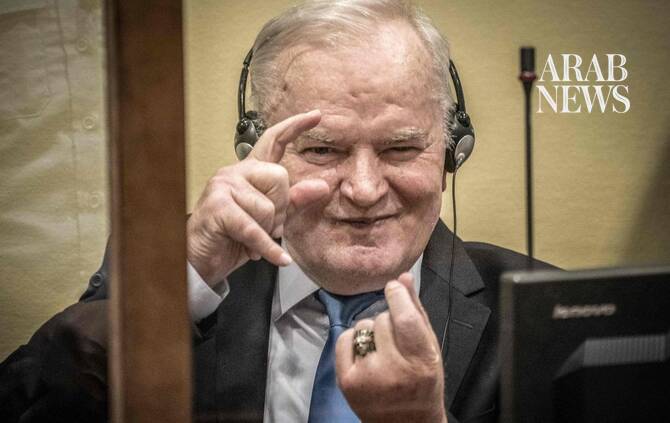
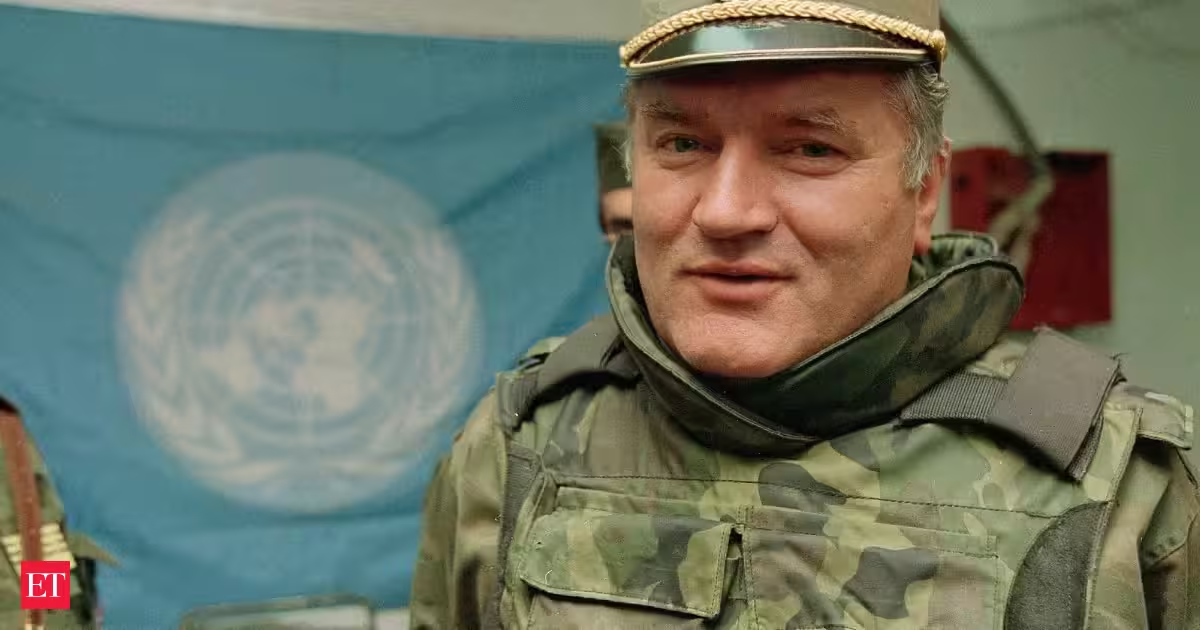
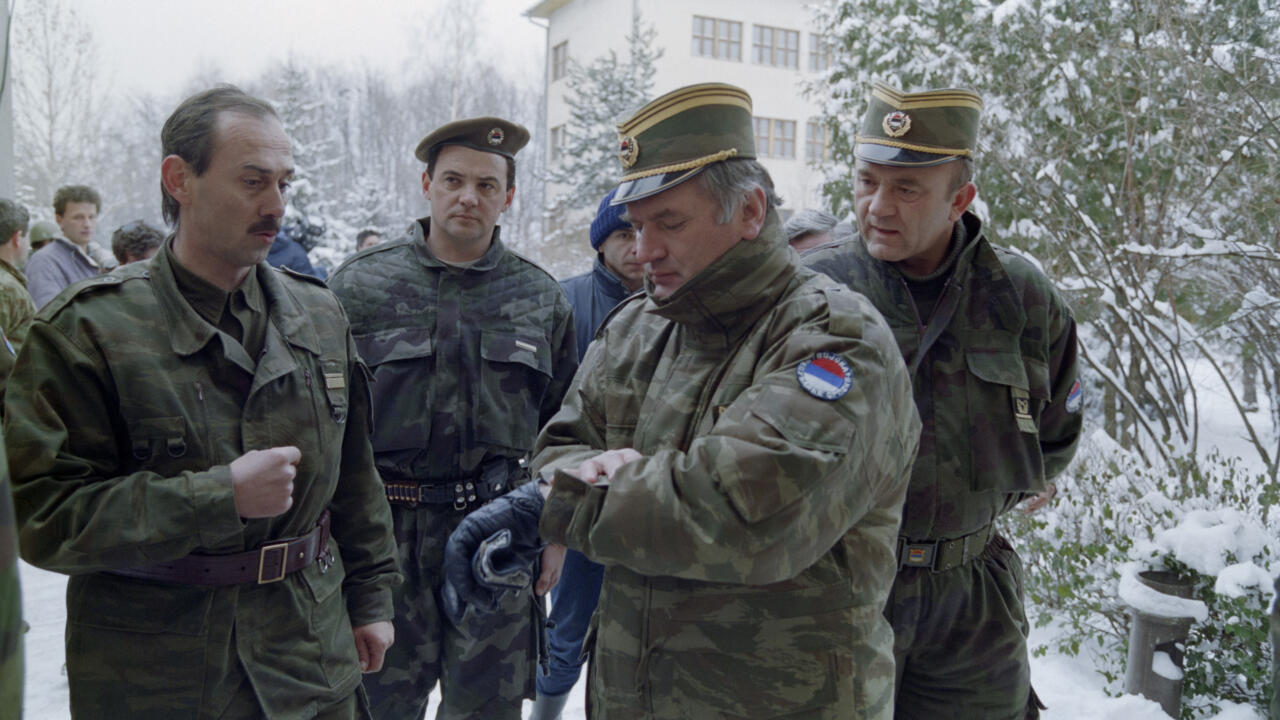
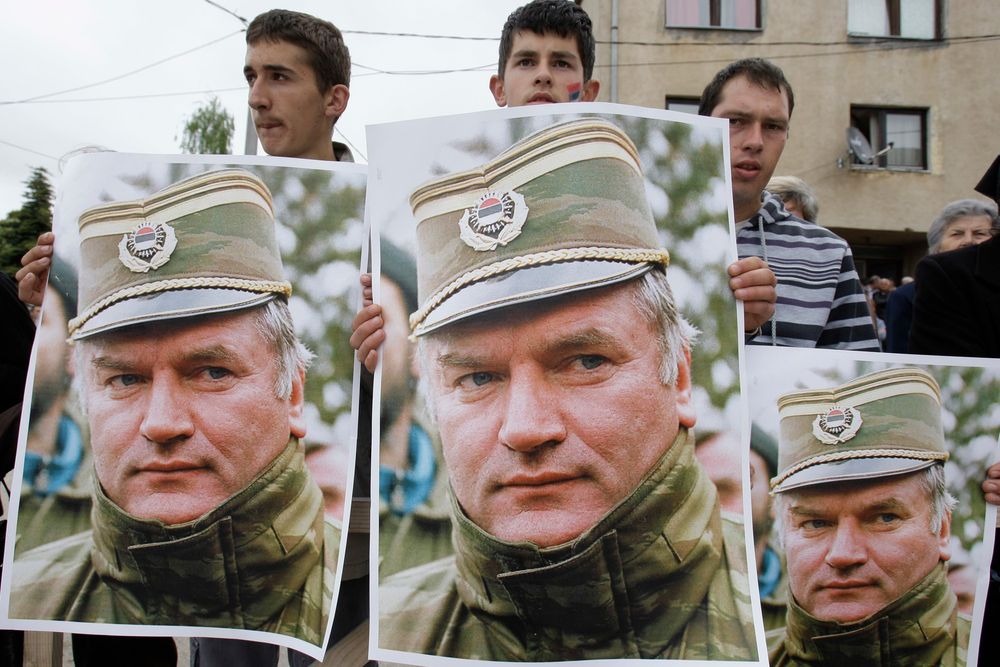
Mladic died on Thursday while serving a life sentence in The Hague for war crimes committed during the 1990s Bosnian war; his conviction led international media to dub him the "Butcher of Bosnia".Decades on from the conflict, Djogaz said she remains too afraid to return home to her village on the outskirts of the town, which has been left almost emptied by the wartime killings.Instead, she stays with friends within walking distance of the memorial site, where she can visit the graves of her family."I would have liked him to live even longer, so that he could suffer more, as we mothers suffer," she said of Mladic.'His ideas are not dead'Mladic experienced several strokes in recent months before his death in hospital, as he served a life sentence for genocide, war crimes, and crimes against humanity during the Bosnian War.He became infamous for his role in the Srebrenica massacre, where more than 8,000 Muslim men and boys were killed and their bodies dumped in mass graves, Europe's worst act of bloodshed since World War II.