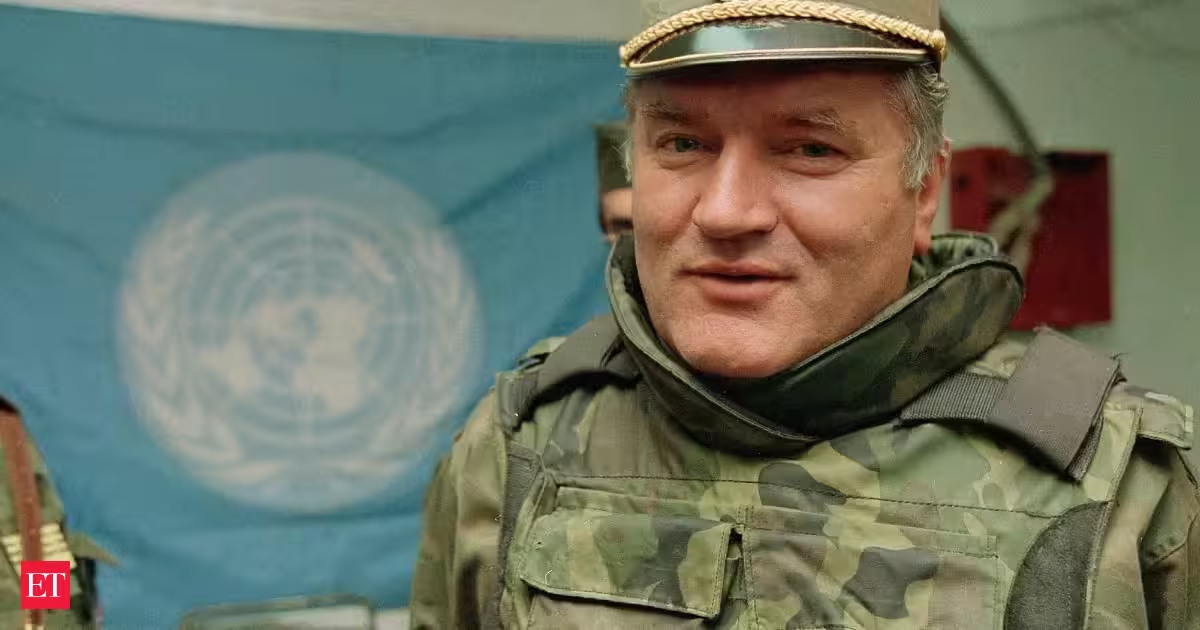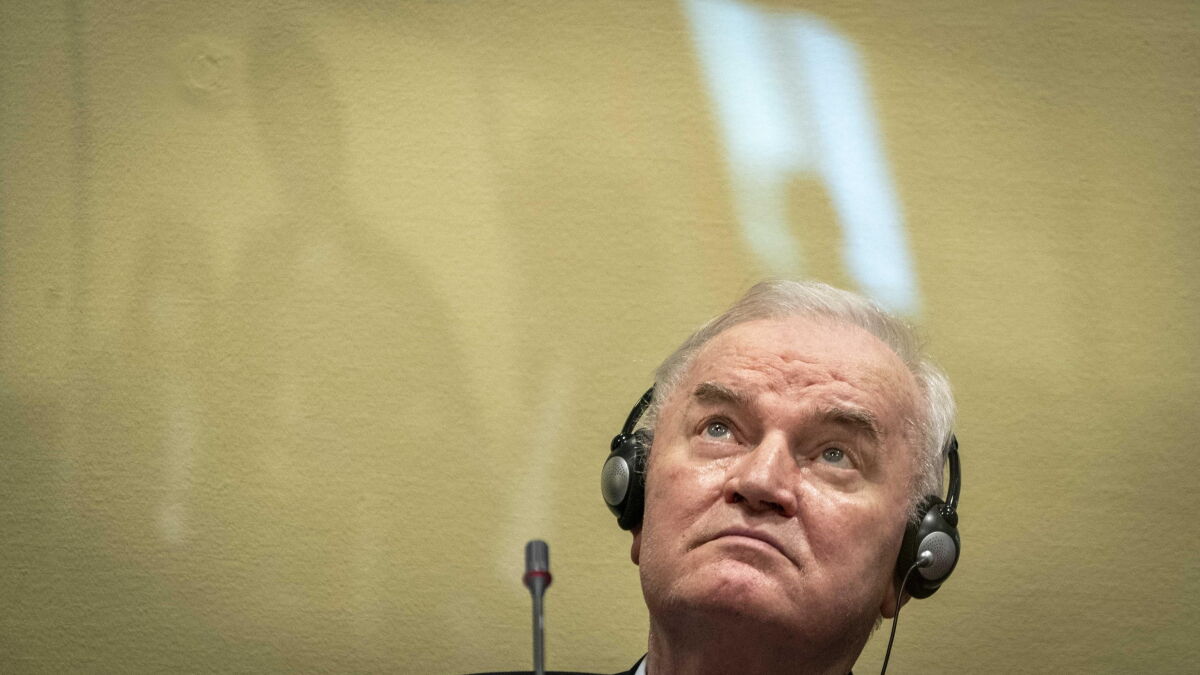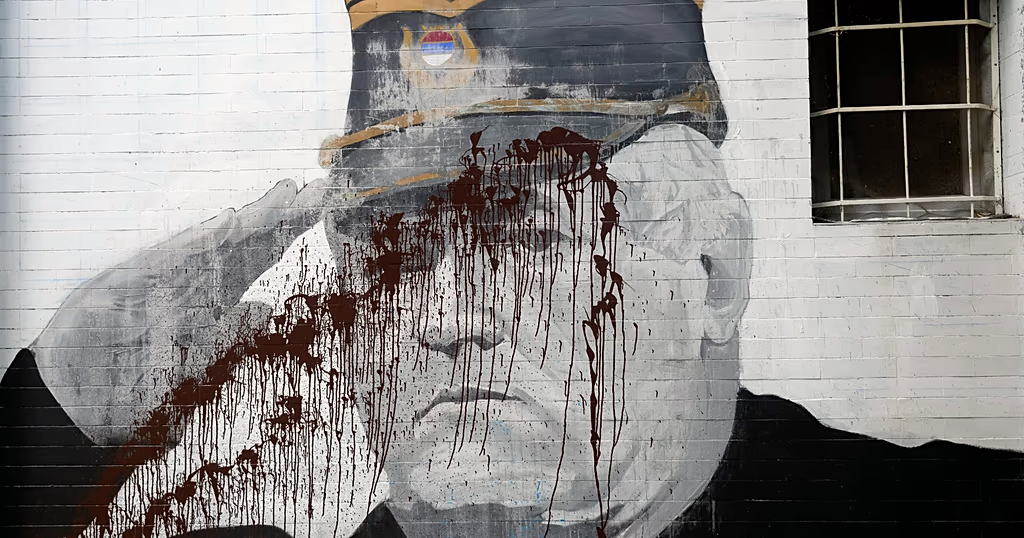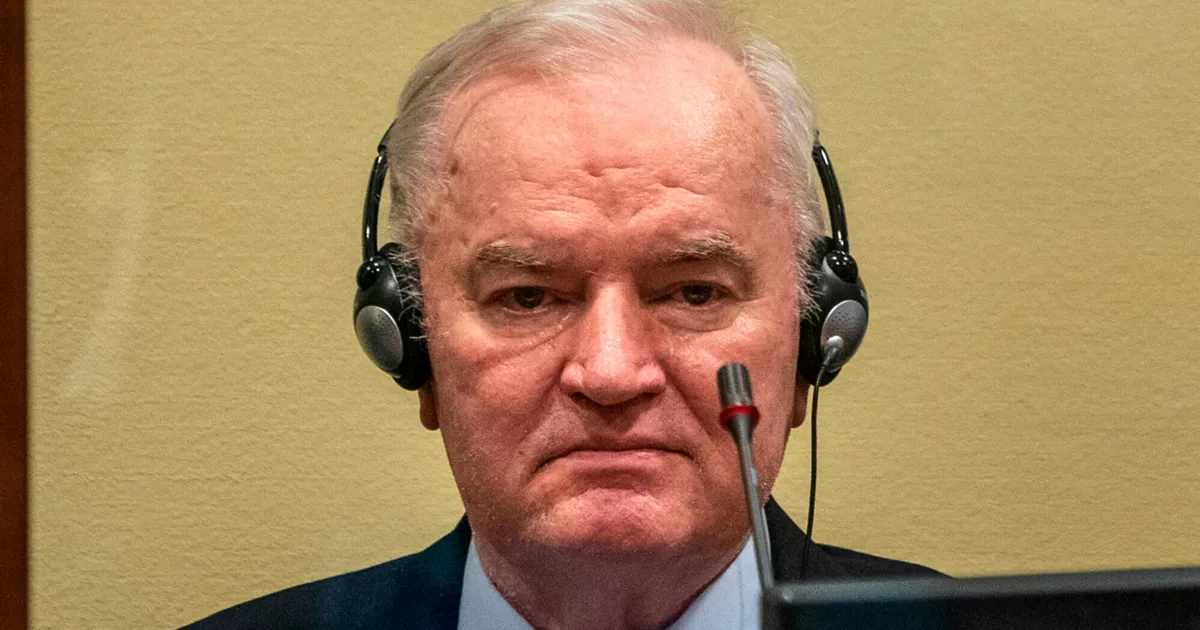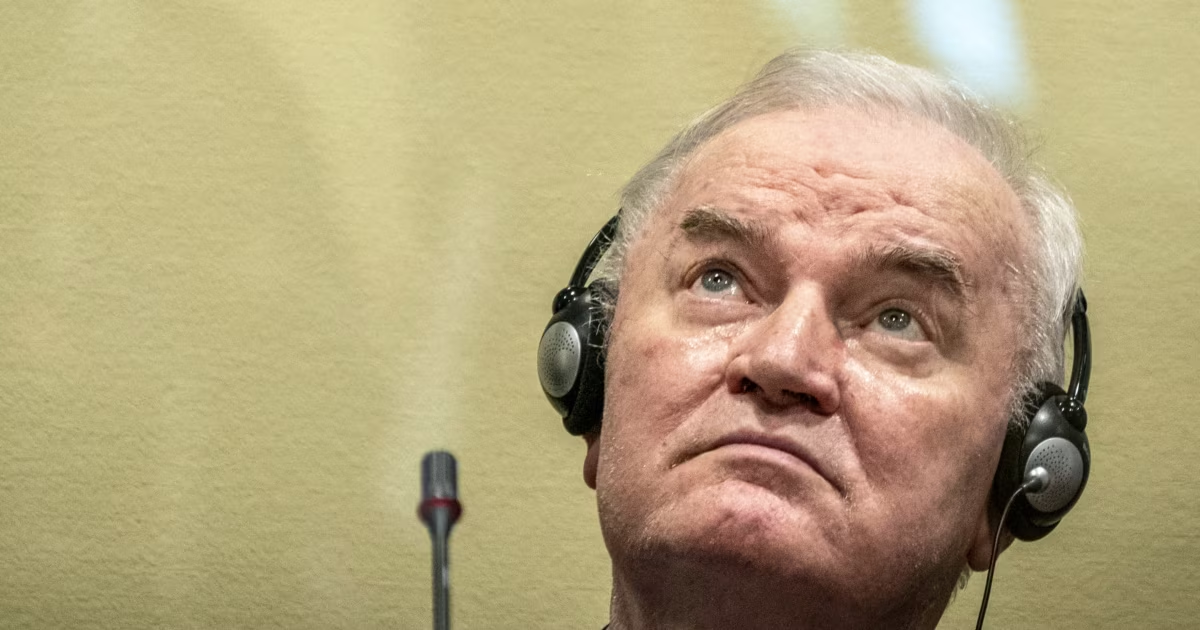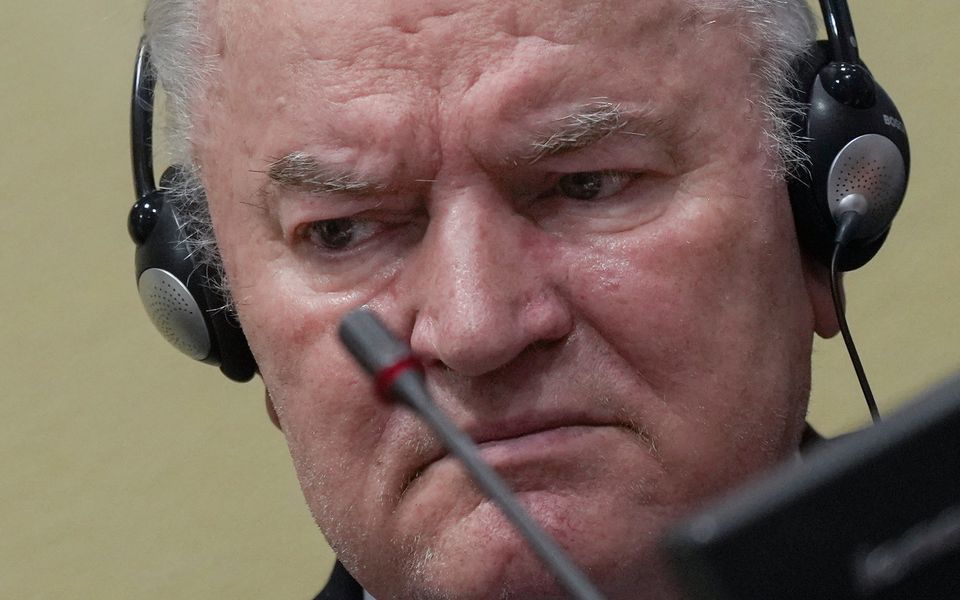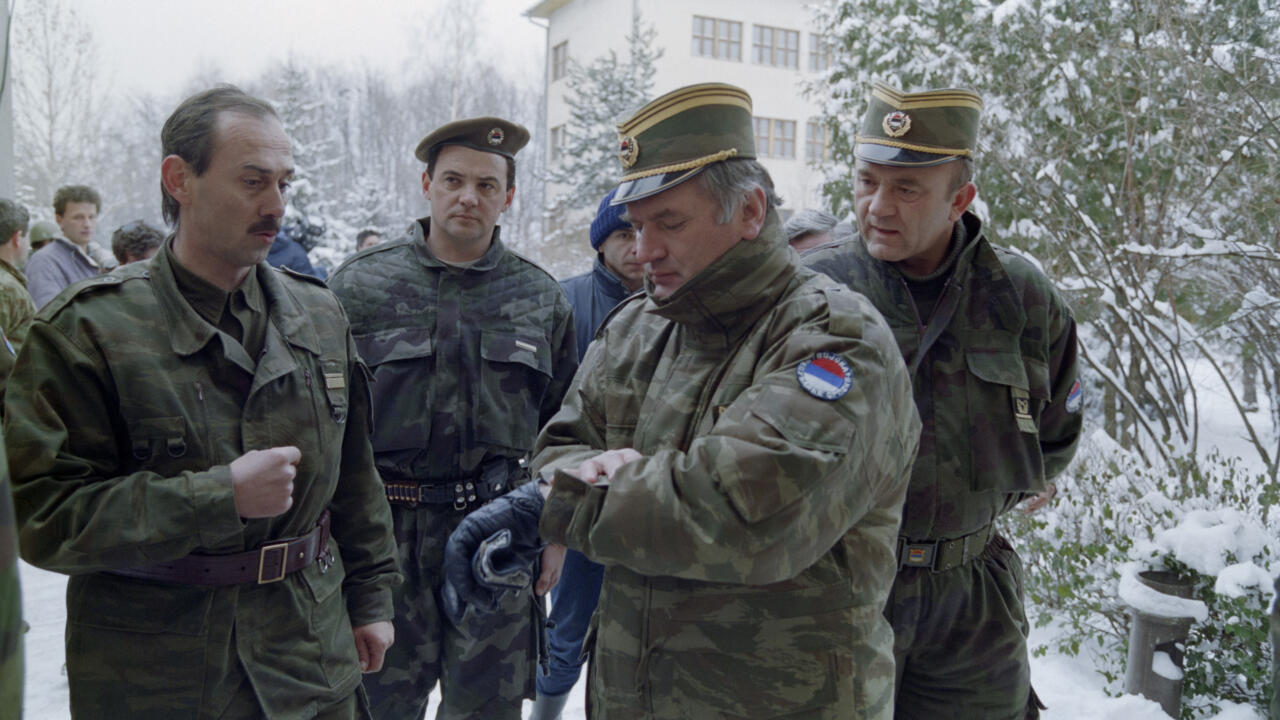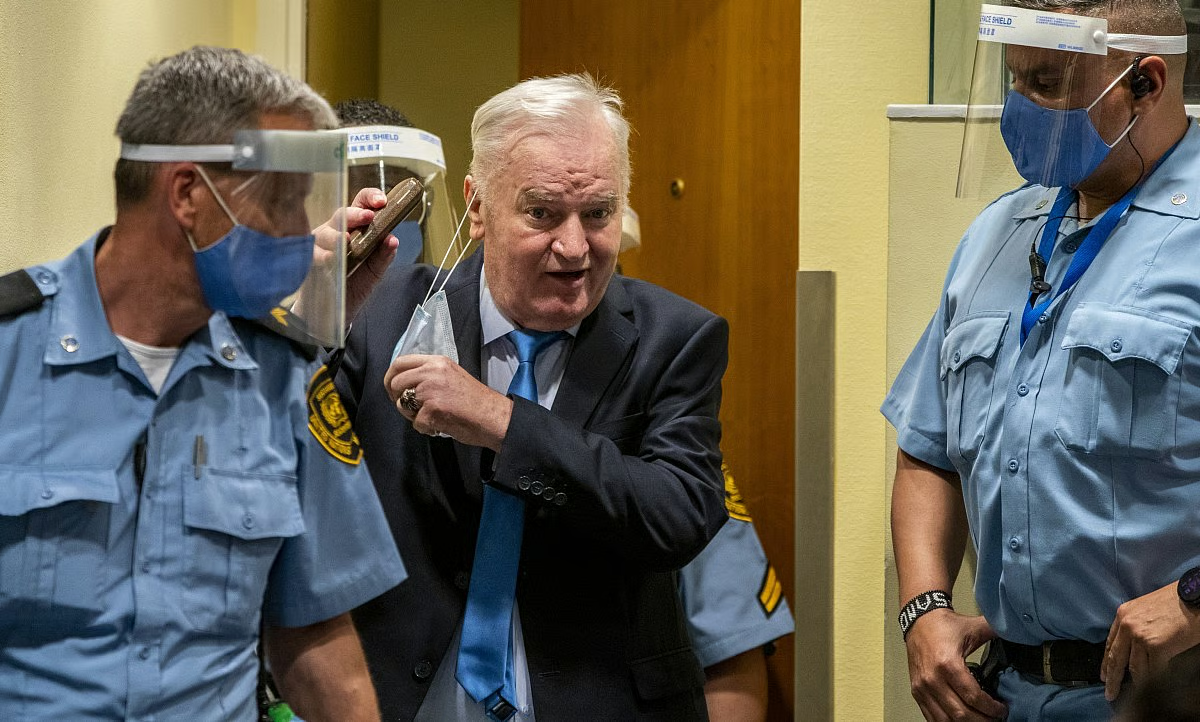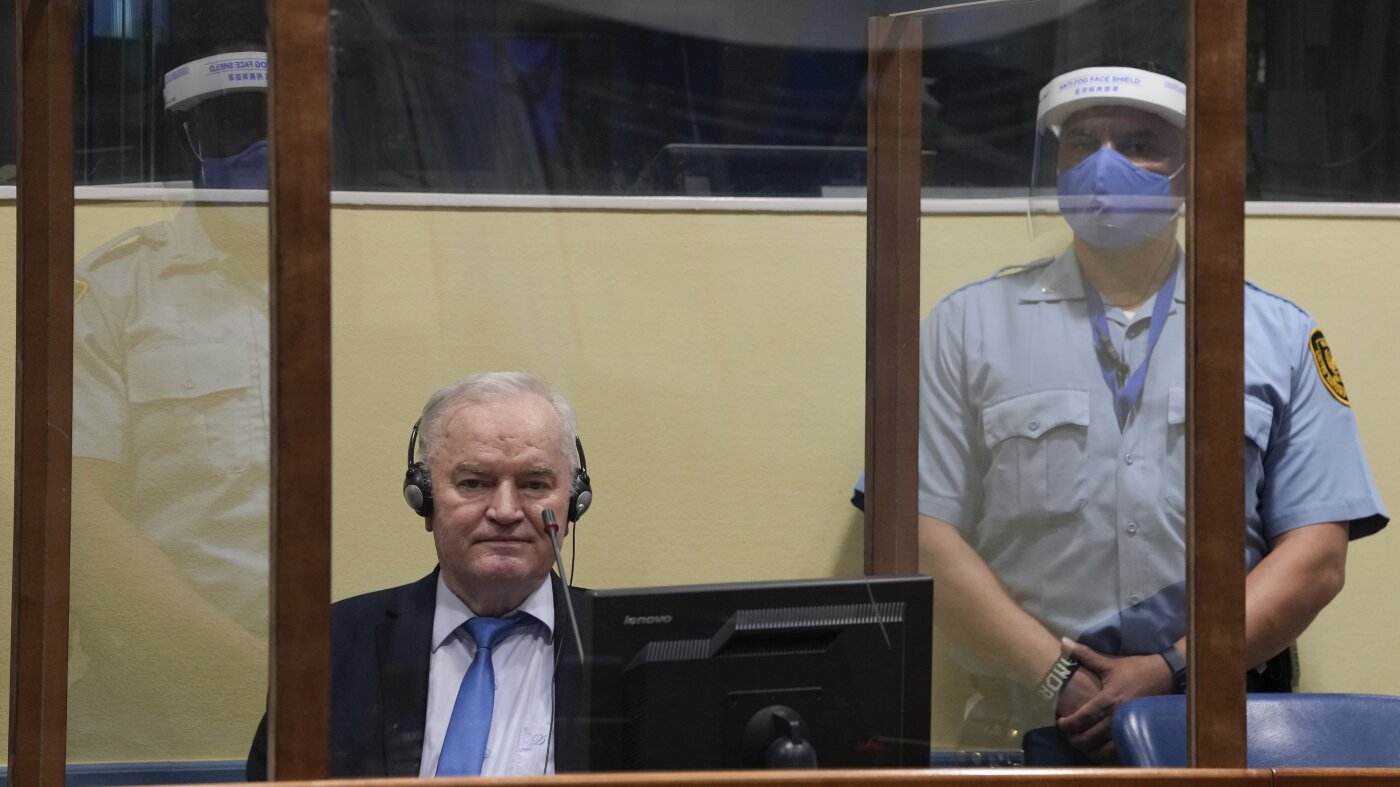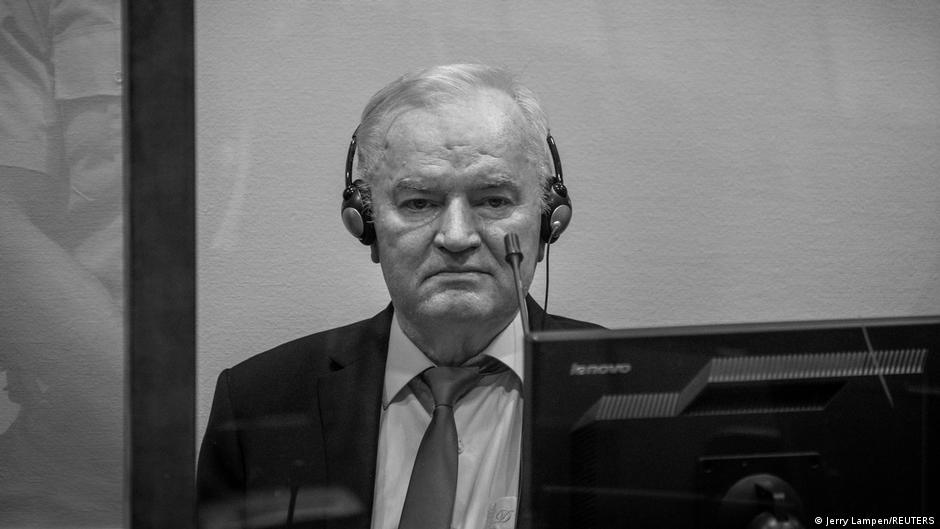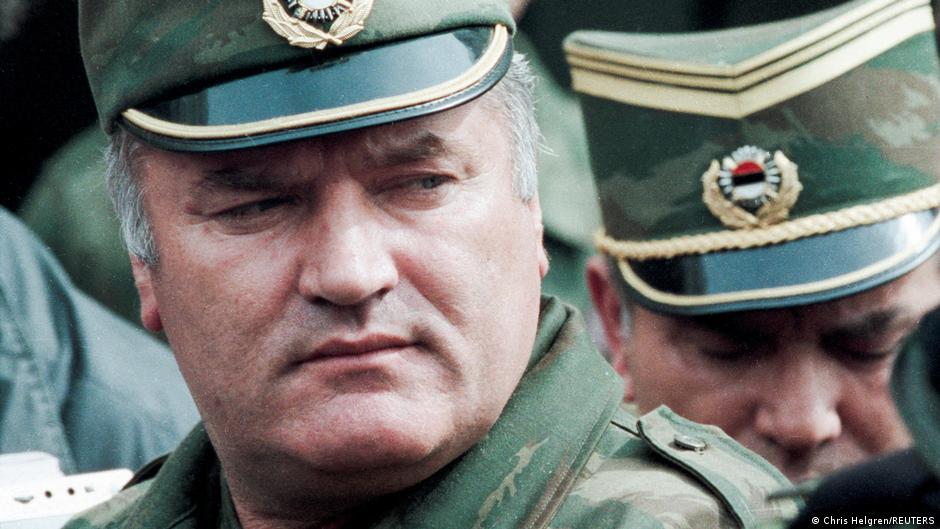
More than 30 years after the end of the 1992-1995 war in Bosnia-Herzegovina, Srebrenica remains emblematic of its brutality. And no one is more closely linked to the genocide that took place in the small town in eastern Bosnia than Ratko Mladic, the former commander-in-chief of the Bosnian Serb army.
Although the United Nations had declared Srebrenica a "safe area," Bosnian Serb forces attacked the town. Within just a few days in July 1995, they expelled women and children, then killed more than 8,300 unarmed Muslim boys and men in the nearby village of Potocari — on Mladic's direct orders, according to the verdict handed down by the International Criminal Tribunal for the former Yugoslavia (ICTY) in The Hague 22 years later.
At the time, Srebrenica was the largest massacre in Europe since World War II. The ICTY classified it as genocide. Mladic was also held responsible for other war crimes beyond the Srebrenica genocide. Under his command, the years-long siege of Sarajevo began at the start of the war. The city was shelled for more than 40 months, killing around 11,000 people, including more than 1,600 children.
Mladic always claimed that he targeted only military objectives. But numerous reports and intercepted radio communications indicate that civilian facilities and residential areas were also deliberately attacked. Around 100,000 people were killed during the three-year war in Bosnia, while some 2.2 million were driven from their homes in cities and villages across the country half of its total population at the time.