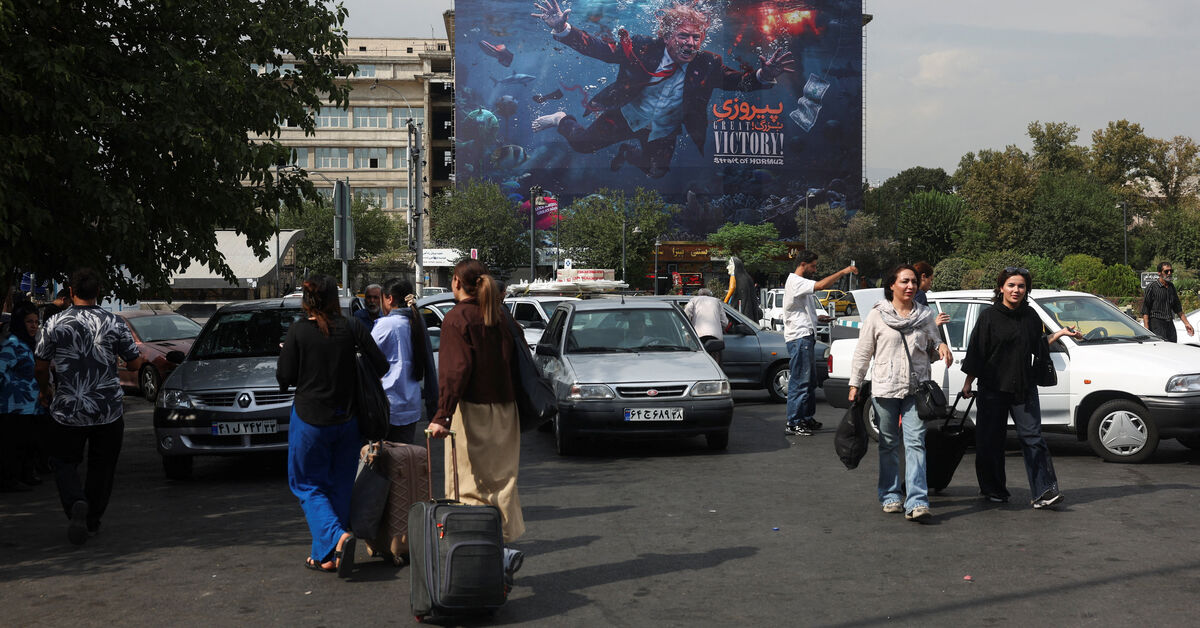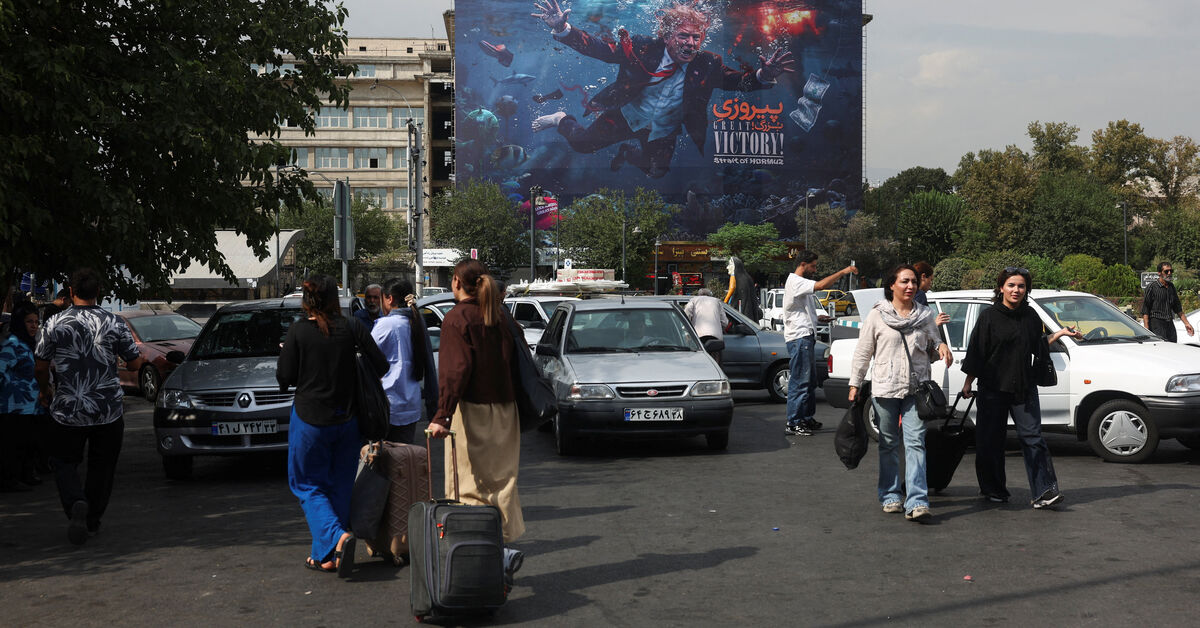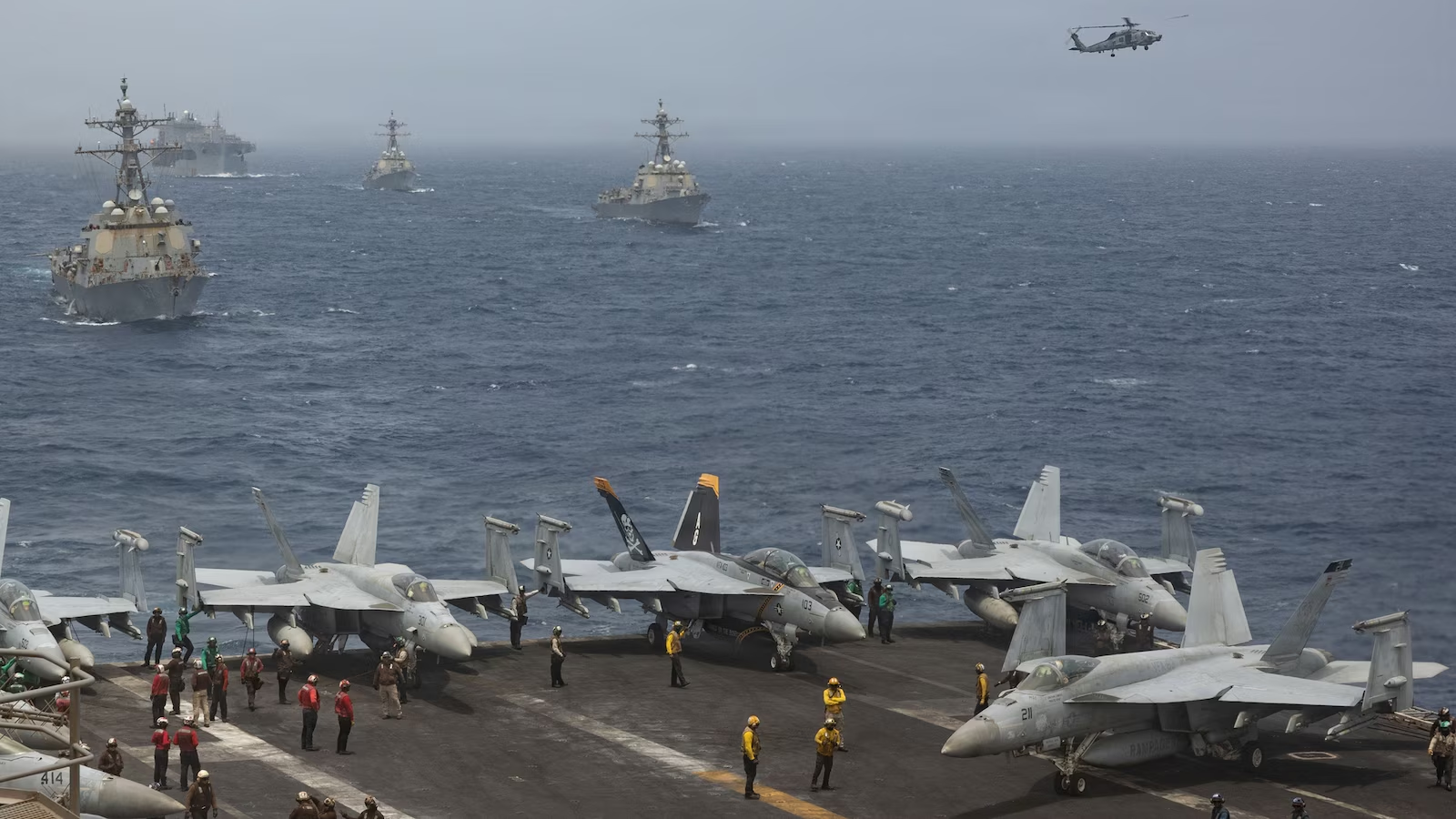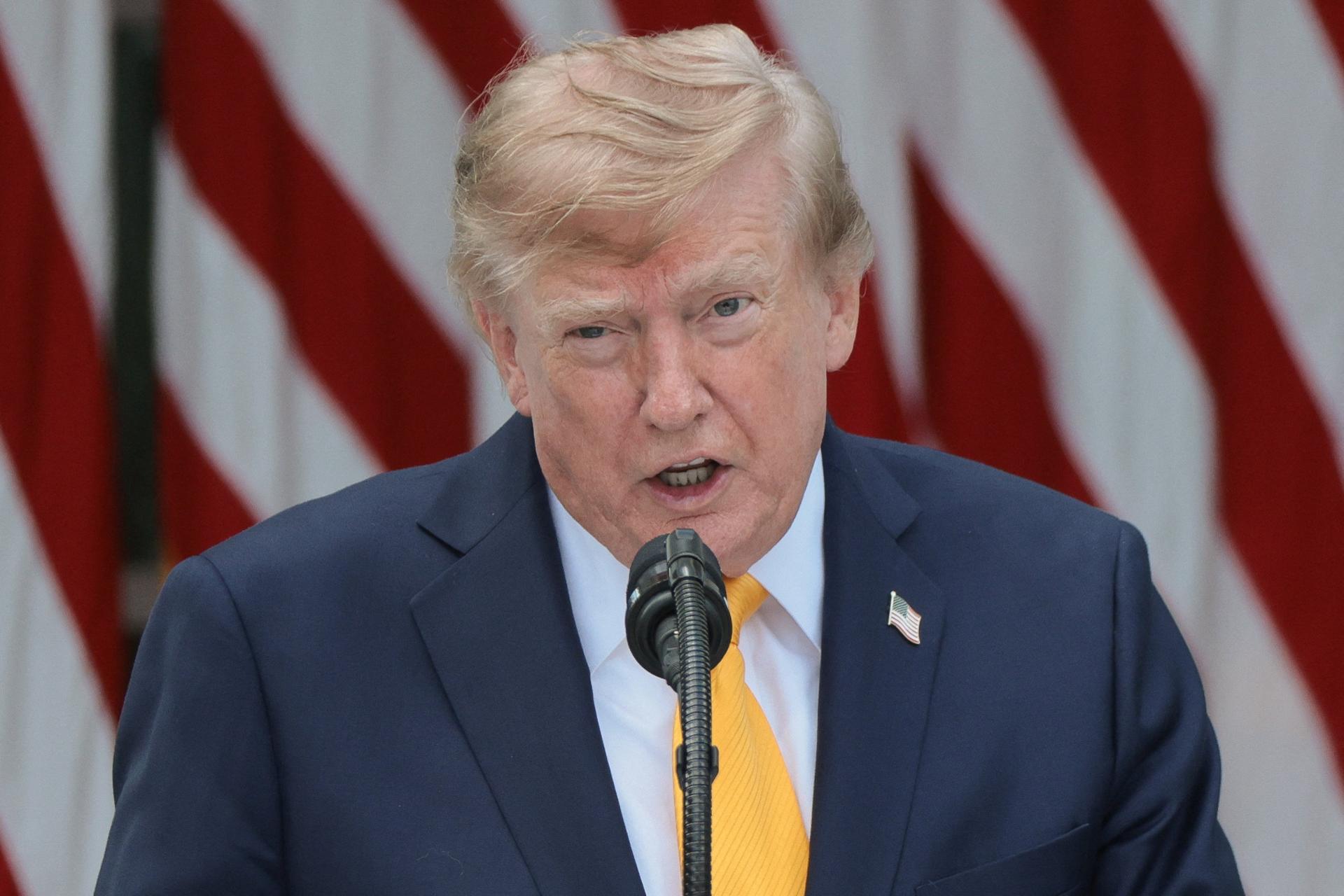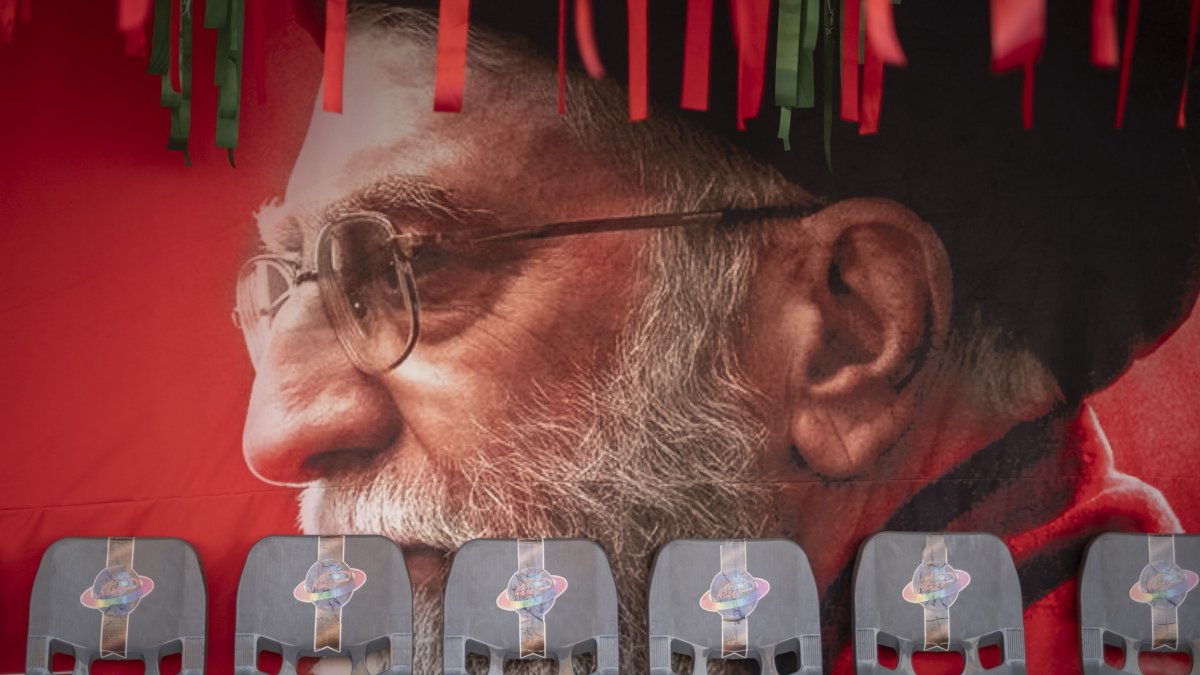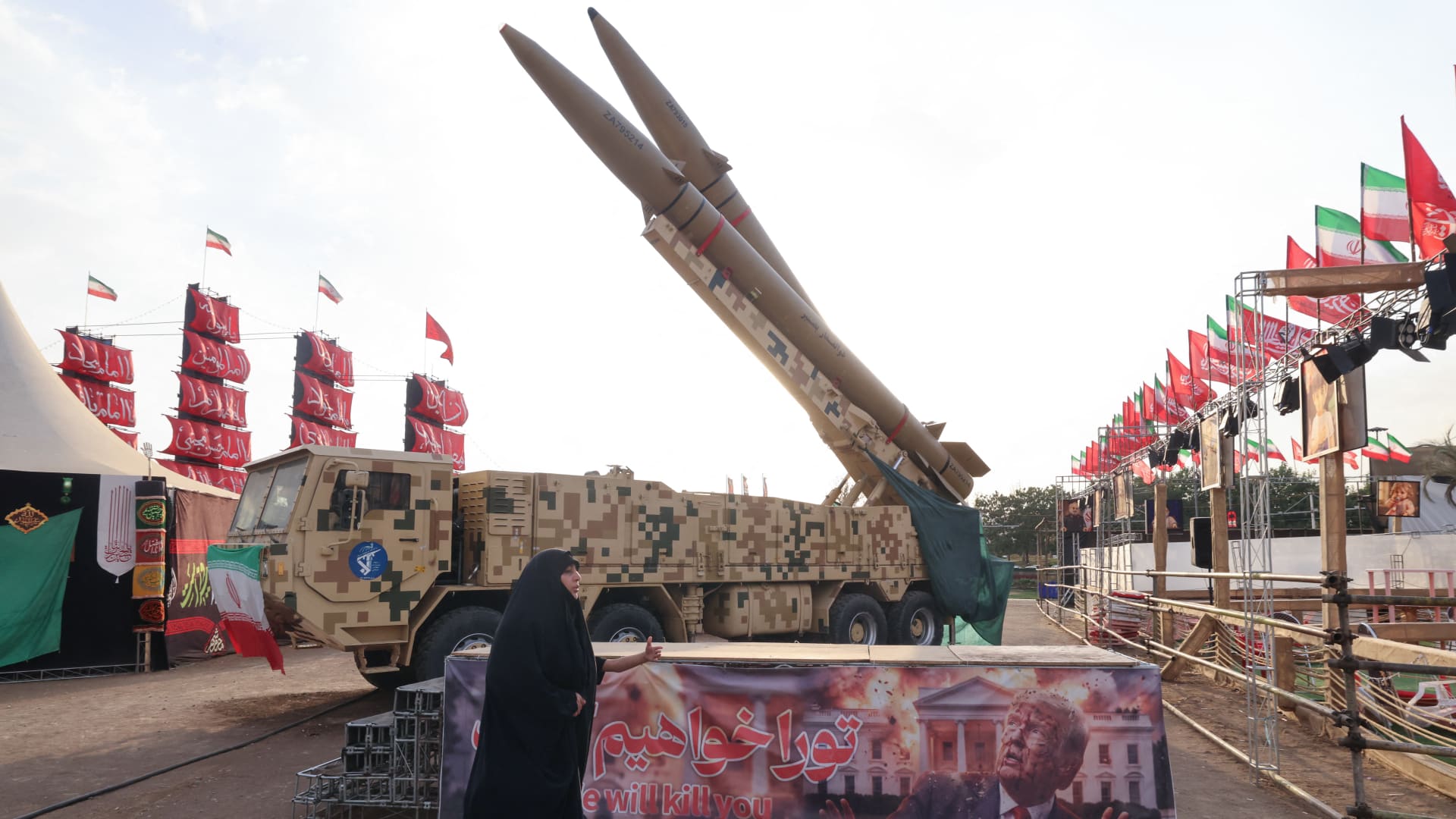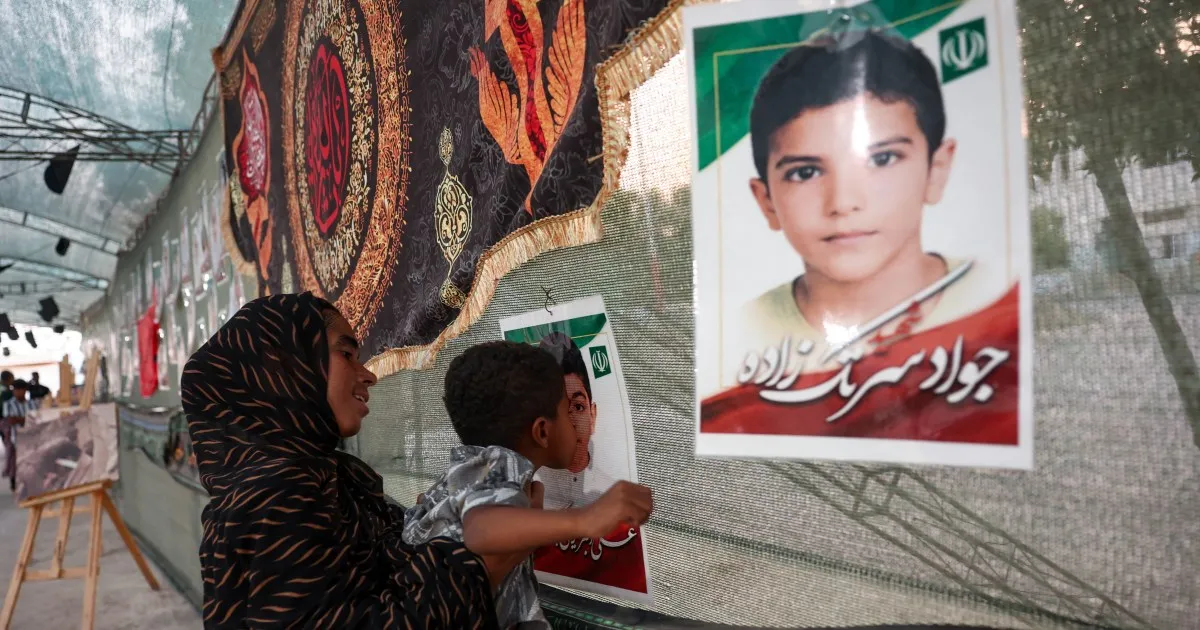
It has been six months since February 28, when the US and Israel shocked the world by launching missile strikes on Iran, killing Supreme Leader Ayatollah Ali Khamenei and several senior Iranian officials in Tehran, as well as scores of children in a school in Minab, southern Iran.US President Donald Trump then claimed the conflict would only last “four to five weeks”.Recommended Stories list of 3 itemslist 1 of 3Six months of war between Iran, US leave Arab states facing tough questionslist 2 of 3Six months on, Trump’s Iran strategy is starting to pay offlist 3 of 3Six months on, Iran is still standing, but survival is becoming more costlyend of listIn the months since, the war has erupted on several other fronts, reaching as far as the Caspian Sea. It has triggered a global oil supply crisis as the US and Iran battle for control of the strategic Strait of Hormuz, through which more than one-fifth of oil and natural gas cargo transited.And it has resulted in an estimated 8,000-10,000 deaths, as well as tens of thousands of injuries.The conflict is also realigning the global order, experts say, as new alliances form and dominant ones show signs of crumbling.Here’s what we know:President Donald Trump arrives on Air Force One as Republican Representative Brian Babin, right, looks on, on Thursday, August 27, 2026, at Ellington airport in Houston, Texas [Mark Schiefelbein/AP]Has the US achieved any of its war objectives?The US’s goals were not initially clear: officials first claimed the strikes were carried out in preemptive self-defence.According to demands presented on the eve of the war, and a jumble of sometimes contradictory statements from Trump and senior US defence officials, they include the following:Iran’s nuclear programmeDespite Trump’s claim that the US had “obliterated” Iran’s nuclear capabilities when it joined in at the end of Israel’s 12-day war on Iran in June 2025, the US and Israel again claimed in February that Tehran was just weeks away from developing nuclear weapons.Repeated strikes on Iran’s nuclear sites during the war have likely caused vast damage to the facilities, but it is believed Tehran still possesses 440kg of highly enriched uranium, which could be used to make a weapon.The Trump administration wanted Iran to hand over this stock to the US and to commit to zero enrichment of uranium going forward. Iran refused to do this, although at one point appeared open to the possibility of handing the stock over to a third country. Iran also insisted on retaining the capacity to develop a nuclear power programme, which requires much lower levels of uranium enrichment.Later, Trump briefly floated the idea of US troops retrieving the stock by force – a potentially dangerous mission.In the June 17 memorandum of understanding (MoU) signed by both sides, Iran agreed not to pursue a nuclear weapon – something it had always pledged anyway. The MoU unravelled as its vague wording led to disagreements about what it actually stipulated.Clark Summers, a US military veteran and professor at Belmont Abbey College in North Carolina, said the US “can rightly assert that these ends have been achieved. Although for how long before Iran can rebuild is difficult to assess.”But Iranian expert and professor at the Australian National University (ANU), Alam Saleh, disagreed, and noted that Iran’s nuclear power programme is still intact. “The US lost even before the war,” he said, adding that the effort also shows that Washington failed in last year’s 12-day war.Regime change in IranOn day one of the war – February 28 – the US killed Khamenei alongside several other senior officials. Trump, two days earlier, said regime change is “the best thing that could happen”.As the US launched missiles, he also called on “Iranian patriots who yearn for freedom to seize this moment to be brave, be bold, be heroic, and take back your country”.Iran’s political leadership has, however, remained largely the same under the new Supreme Leader Mojtaba Khamenei – the late ayatollah’s son.Summers told Al Jazeera that the goal may have been “ad hoc” or improvised rather than well-planned. But “killing leaders does not mean strategic achievements, even if it’s a tactical success,” Saleh said.Ending support for regional proxy groupsIran’s “axis of resistance” is an umbrella comprising a number of armed groups around the region that it funds. This includes Hezbollah in Lebanon, the Houthis in Yemen, Hamas in the Gaza Strip, and several smaller groups in Iraq and Syria.There are no signs that Tehran’s support for them has ended, and this demand did not appear in the MoU signed by the US.Hezbollah went to war with Israel in Iran’s defence, and Iran has refused to negotiate an end to the war unless the Lebanon front is included. The Houthis, meanwhile, have launched a blockade on Saudi Arabia in the Bab al-Mandeb Strait, partly in support of Iran.Iran’s ballistic missiles programmeWashington swore it would “raze” Iran’s missile facilities to the ground when it launched the war on February 28. The US also pledged to destroy Iran’s navy.Trump has since claimed that about 82 percent of Iran’s missiles are gone and the navy is degraded.In April, he also said that 158 Iranian naval vessels had been hit, while US Central Command (CENTCOM) has continued to announce dozens of strikes on command centres of the Islamic Revolutionary Guard Corps (IRGC).Iran, however, has continued to fire missiles, most recently launching a long-range missile in July that killed three US soldiers in Jordan.Furthermore, the demand for an end to Iran’s ballistic missiles programme was also absent from the July MoU.Control of Iranian oilIn June, Trump said the US would seize and control Iran’s Kharg island, the heart of Iranian oil production.To date, the US does not control any Iranian territory.What have the US and Iran gained and lost during the war?Besides the US demands at the start of the war, several other pressure points have emerged during the conflict.Control of the Strait of HormuzSoon after the war began, Iran in effect closed the narrow but critical Strait of Hormuz, which passes through its territorial waters as well as those of Oman. Since then, shipping traffic has slumped from more than 100 ships per day to an average of about five.To enforce this closure, Iran began striking vessels in the strait, the only route to the open ocean for Gulf oil and gas producers, which had not gained its explicit permission to pass through.The US responded with its own naval blockade on Iranian ports in and around the strait. This is continuing.Despite a large number of expletive-laden demands from Trump since then – many of them on social media – that Tehran reopen the strait, Iran has not budged. It is currently negotiating plans for the future of the waterway, through which more than one-fifth of the world’s oil and natural gas supplies were shipped before the war, with Oman.As part of these negotiations, Iran announced this week that it has agreed to a shipping route, which it will partially control, with Oman.While Trump has recently claimed that the US has “full control” of the strait and that it is open to vessels, shipping remains at an all-time low and Iran has continued to fire at any vessels trying to pass without its permission.Iran sees the strait as its main piece of leverage in the war with the US, which Salah said, Iran views as an “existential threat”.(Al Jazeera)Economic impact
After six months of war, what have US, Iran gained and lost?
Many of the US president's goals remain unfulfilled, despite claims of victory.
1,933 words~9 min read