Jonathan Charles
Strategic and geopolitical Adviser to governments and multinational companies and former BBC News Foreign Correspondent
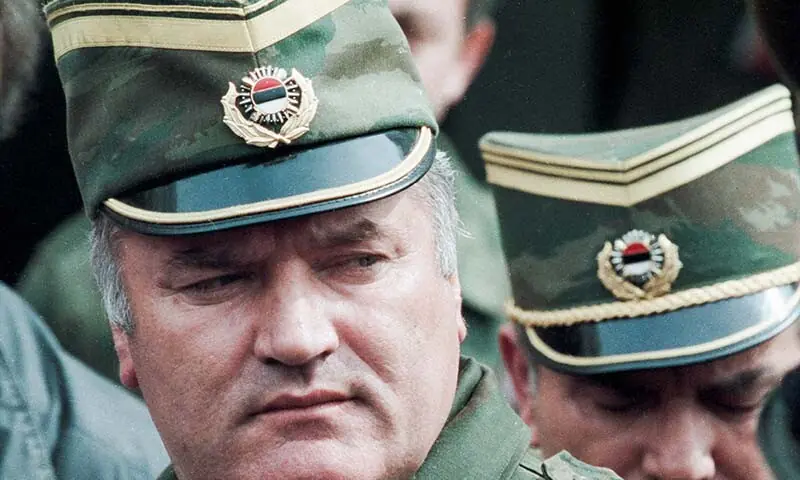
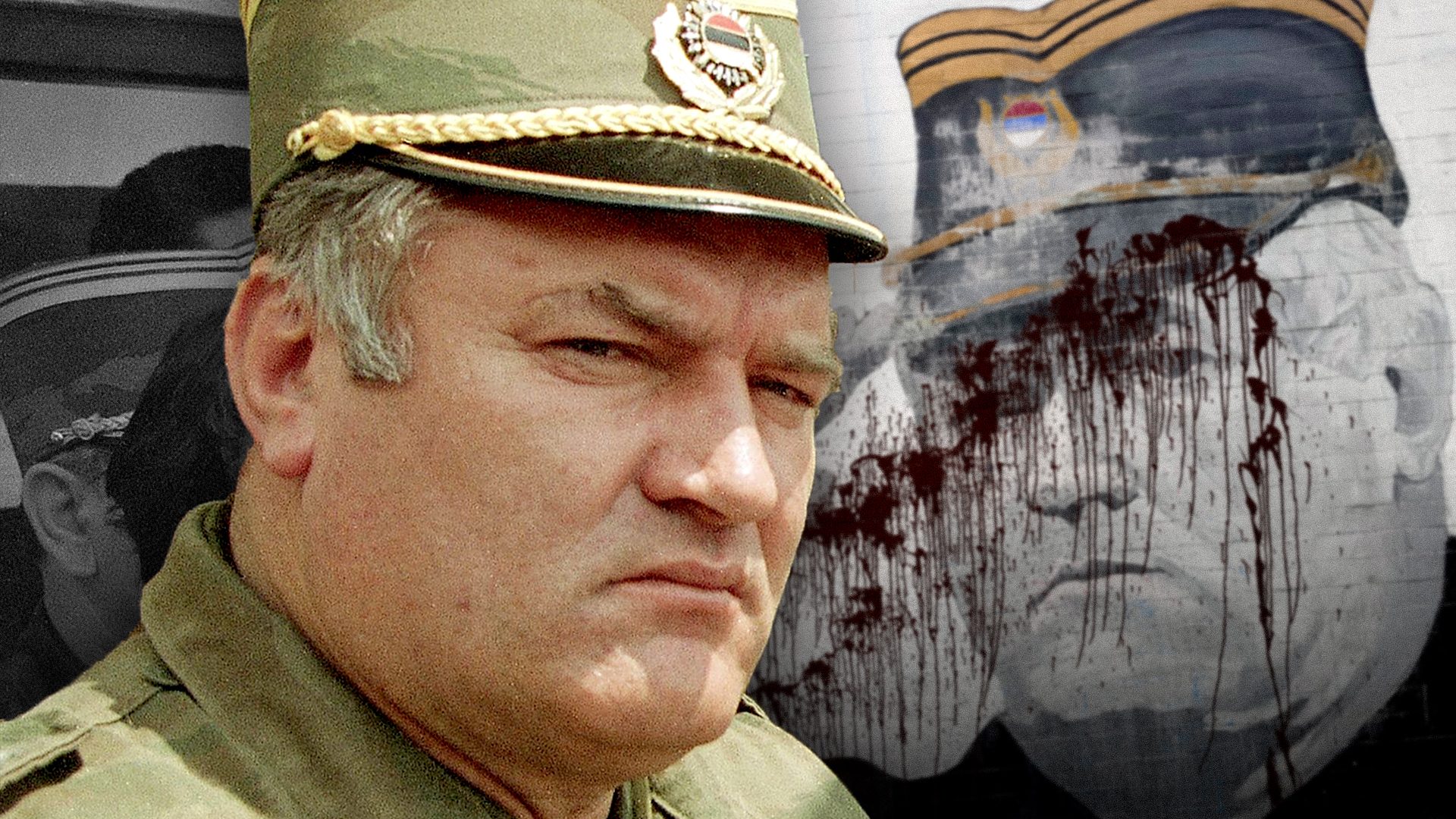
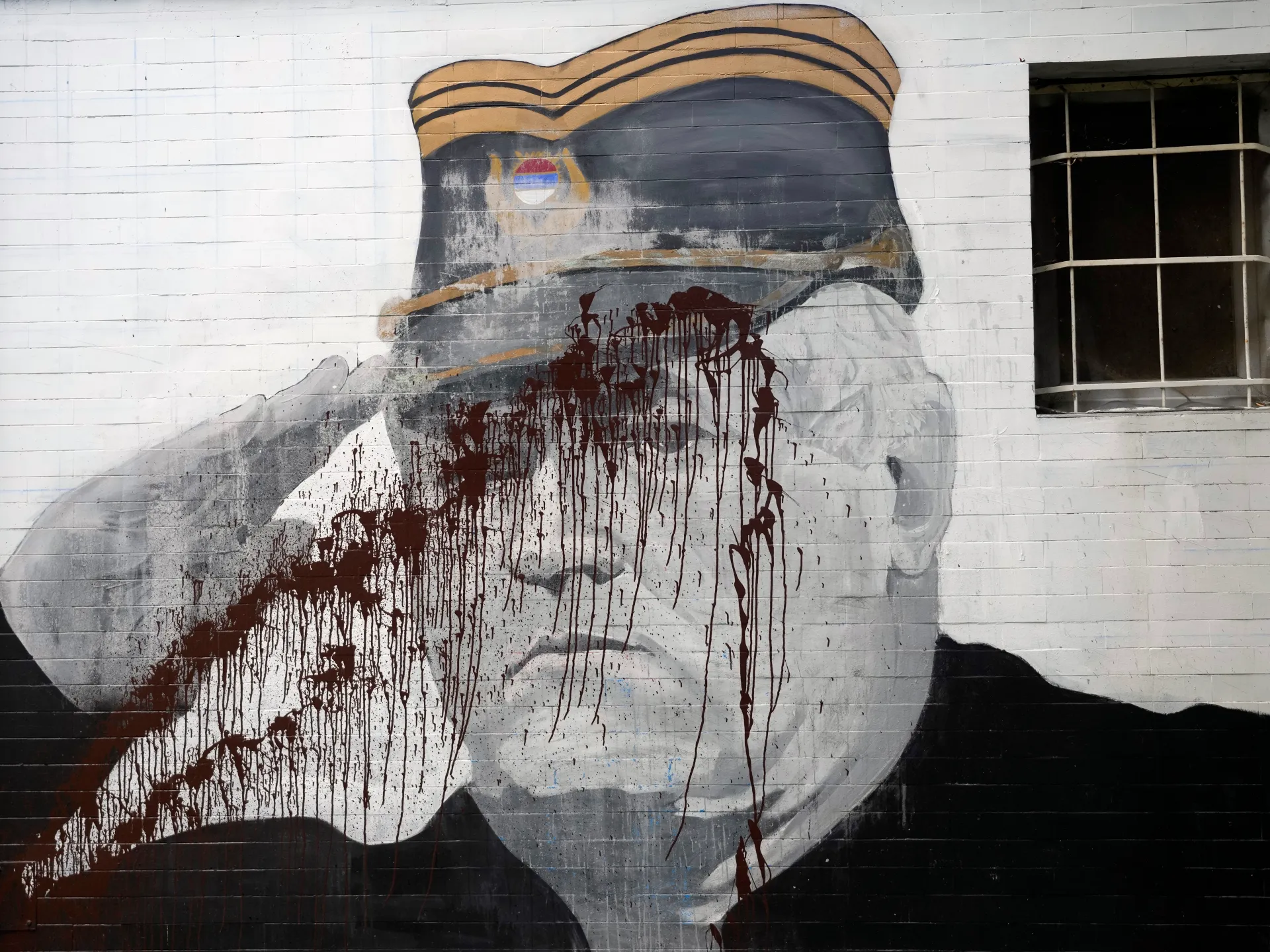
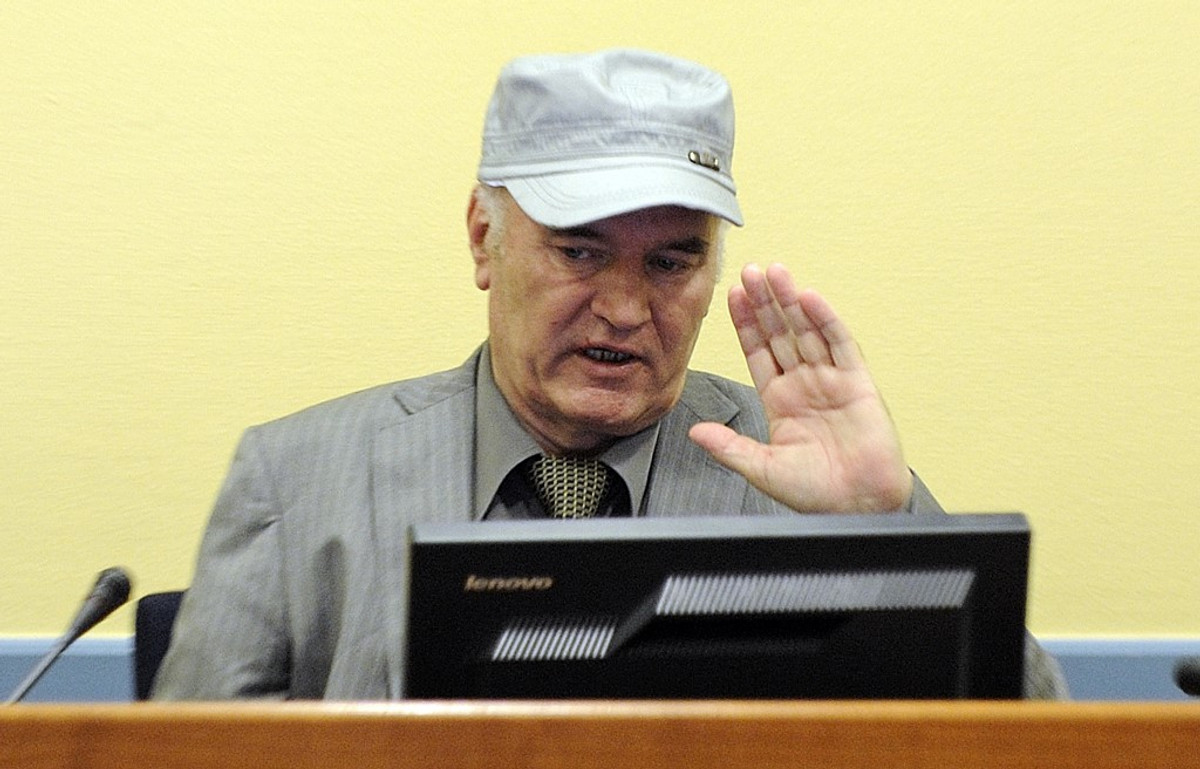
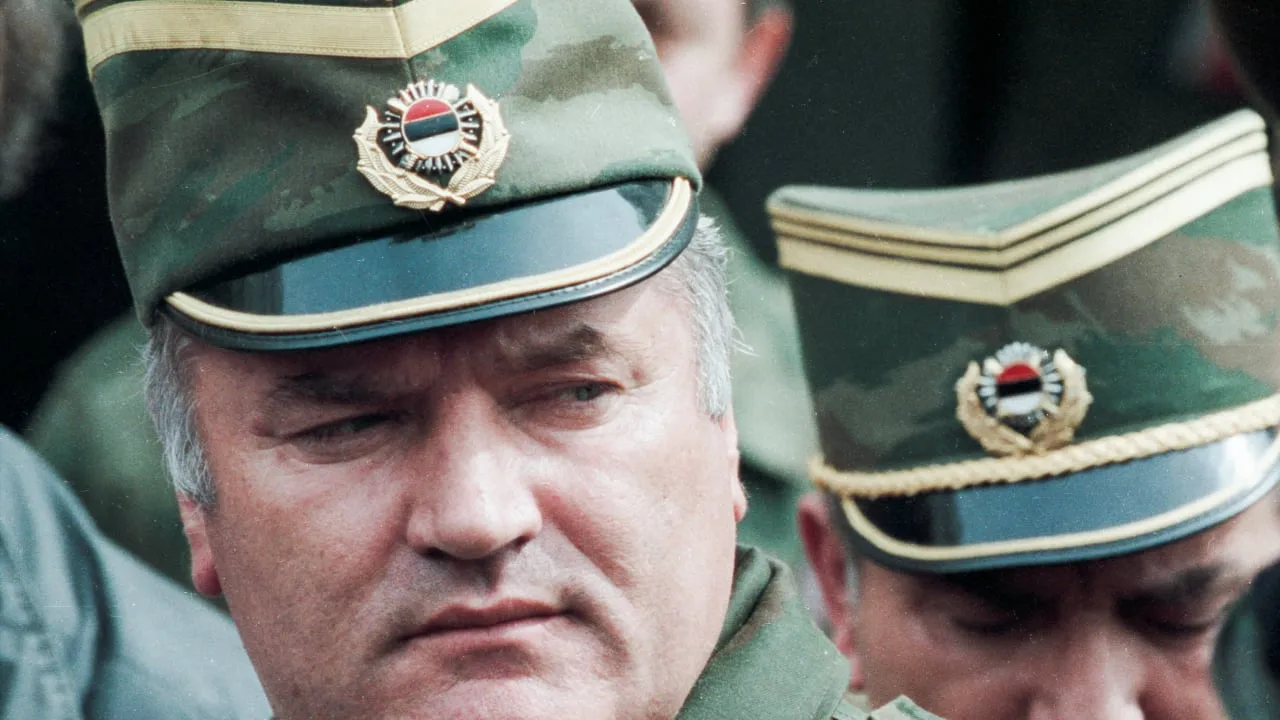
For a mass murderer, he cut an unimpressive figure. Short and stocky, with a paunchy face and deep-set eyes, his uniform helped to give him a presence that he would otherwise have lacked.
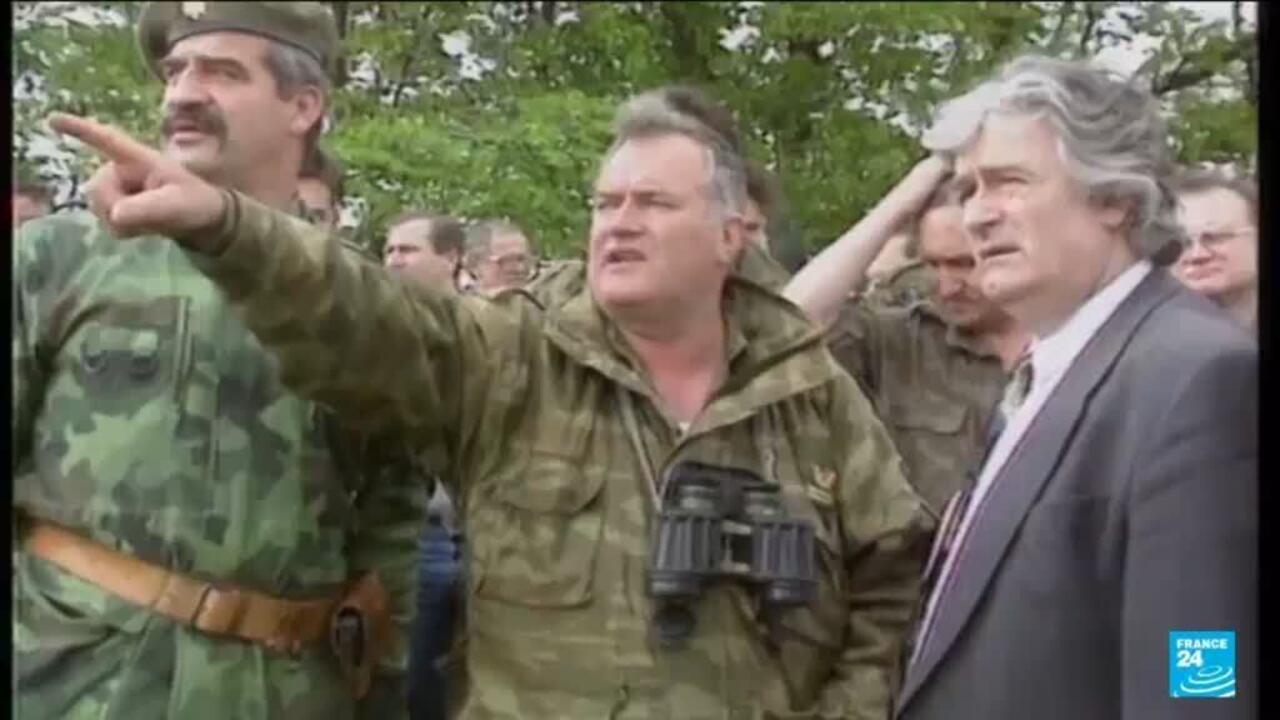
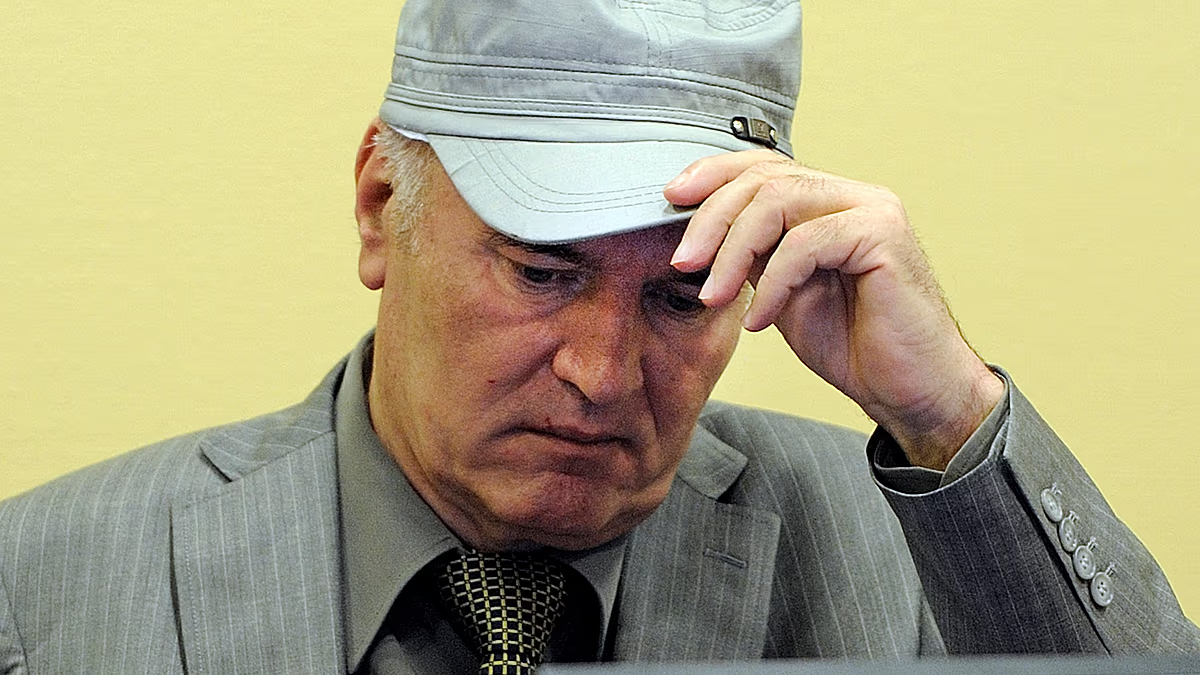
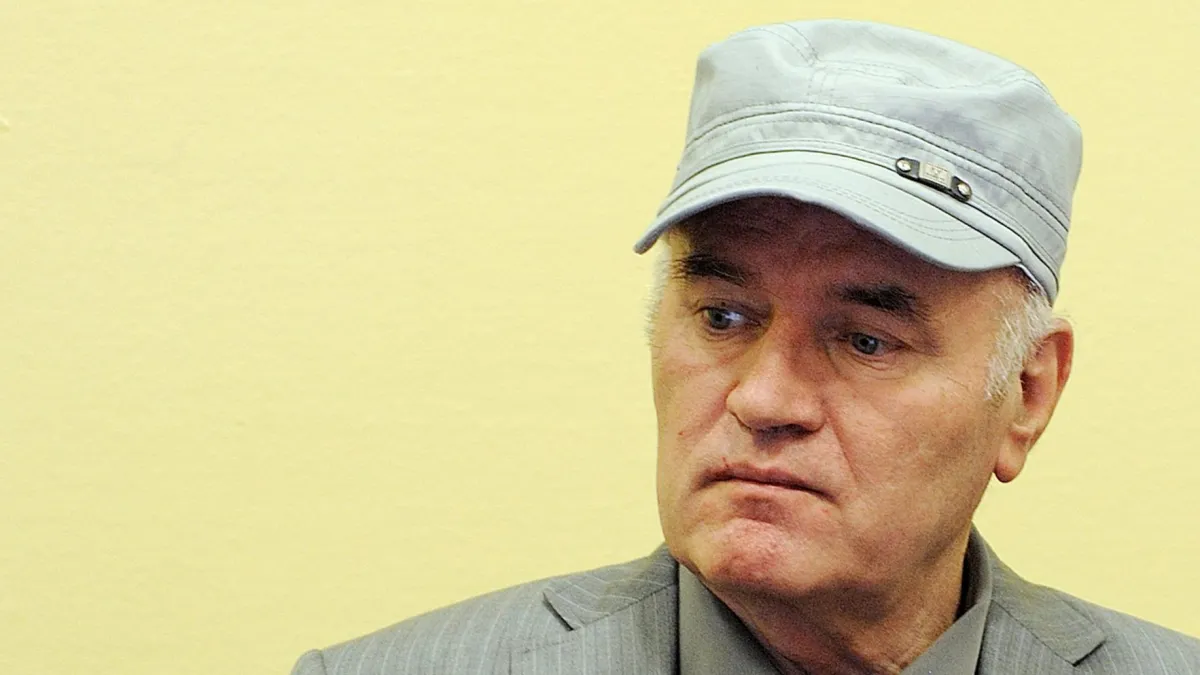
When I met him, on a grey day in a crumbling building during Bosnia’s terrible war in the early to mid-90s, he saw himself as a man of destiny, shaping history. Ratko Mladić’s own story, though, would eventually end with him as a prisoner of the international community that he detested. Yet, now he is dead, this man from a past European conflict might, ironically, give hope to the victims of the latest war to consume part of the Continent.
Bosnia was the war that dominated news coverage in the early 90s, just as Ukraine does today. To be in Bosnia back then often felt like being in a land without hope. Mladić more than played his part in the horrors which unfolded, earning his nickname of the “Butcher of Bosnia”. The career soldier who led the Bosnian Serb army believed he was building a Greater Serbia, wanting to ethnically cleanse, in the terminology of the time, Muslims and Croats as Yugoslavia collapsed. His bloody acts reached their peak in the town of Srebrenica. In July 1995, his troops summarily executed 8,372 Bosnian Muslim men and boys. It was the worst massacre in Europe since the Second World War.