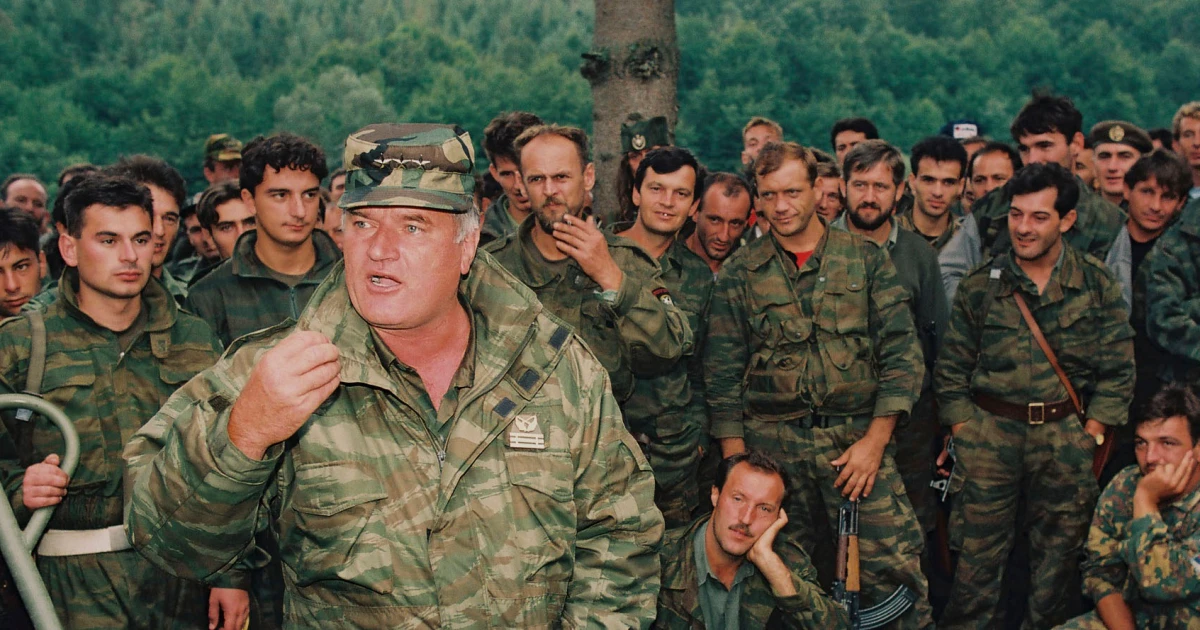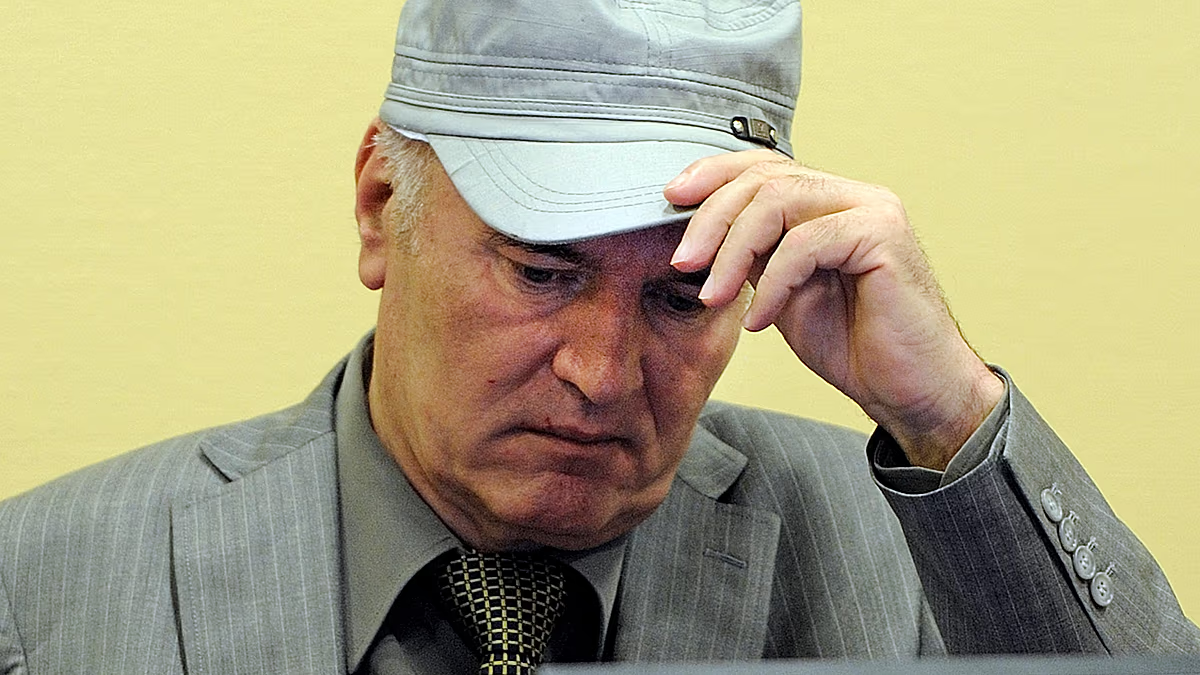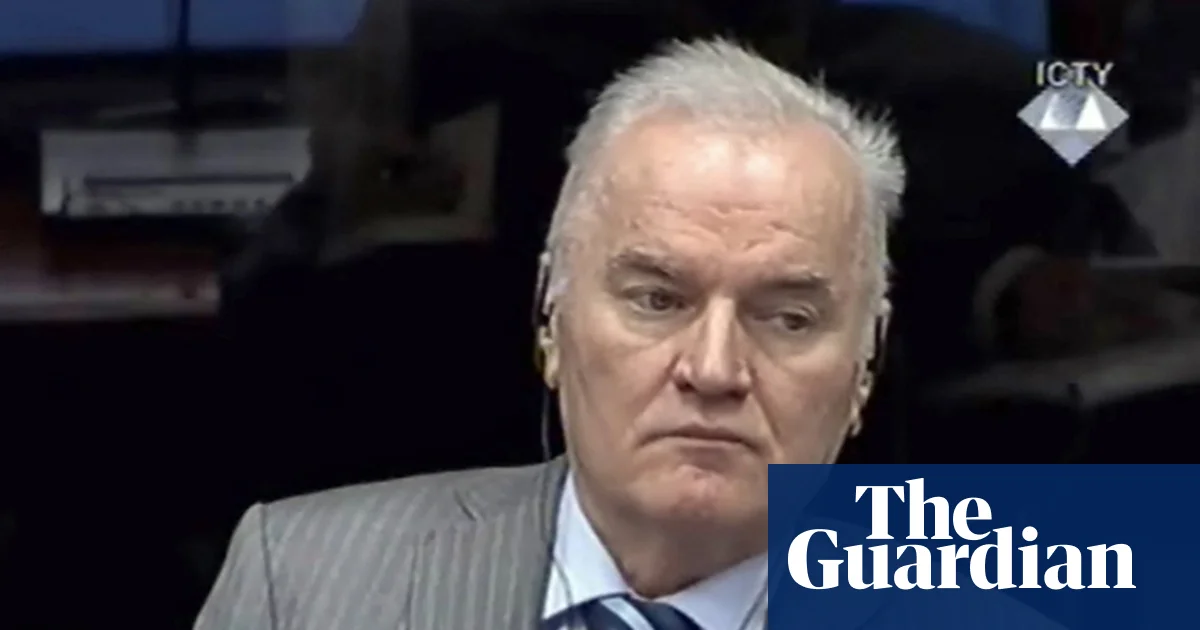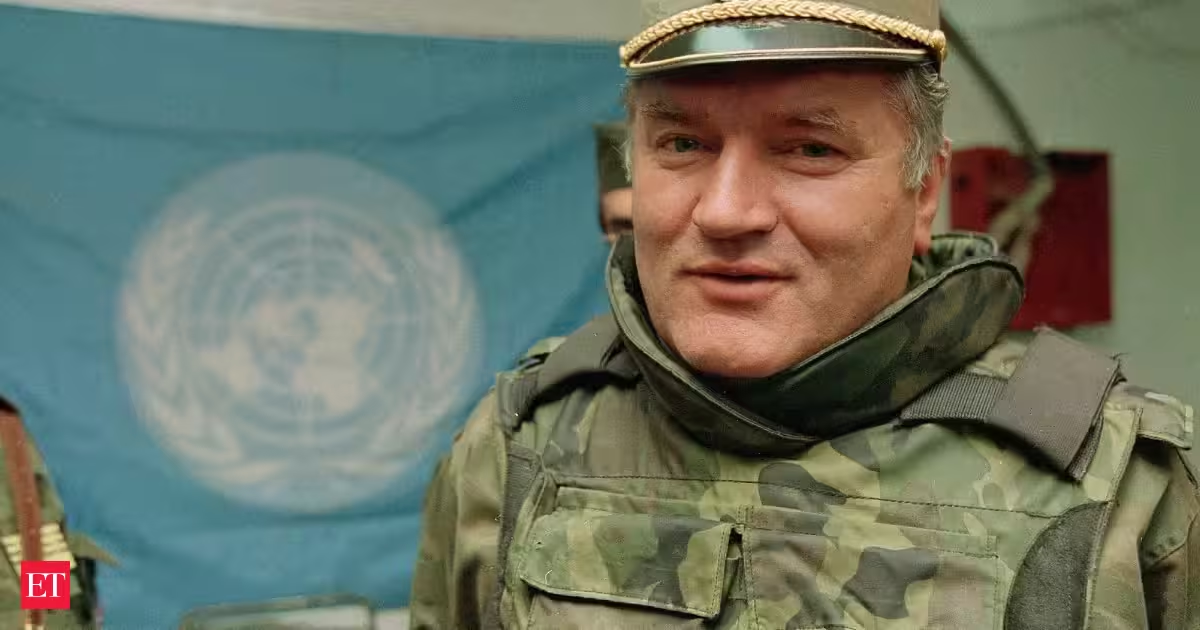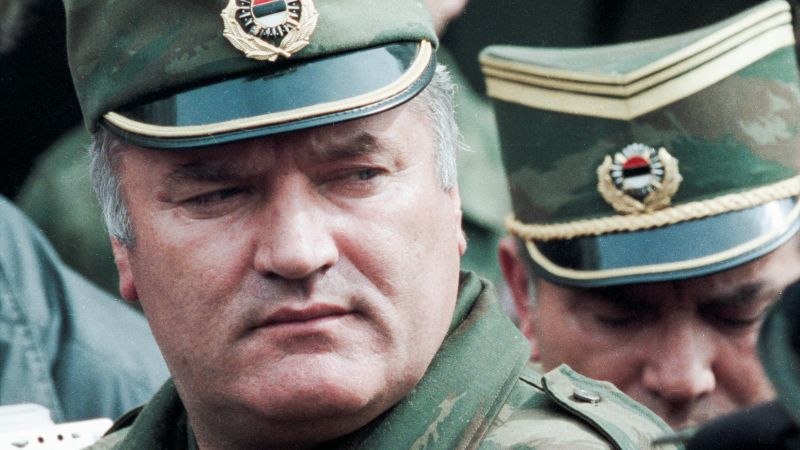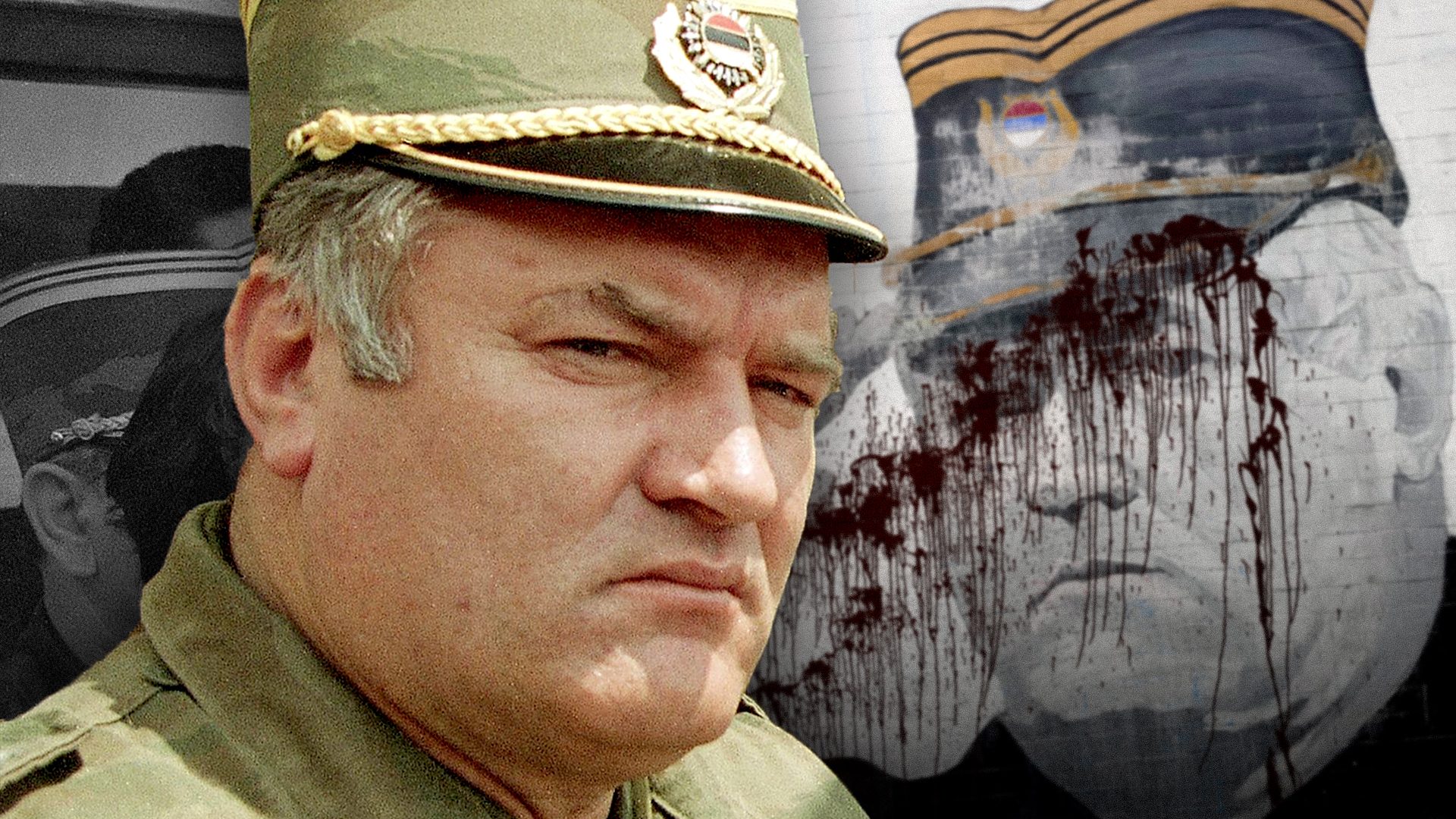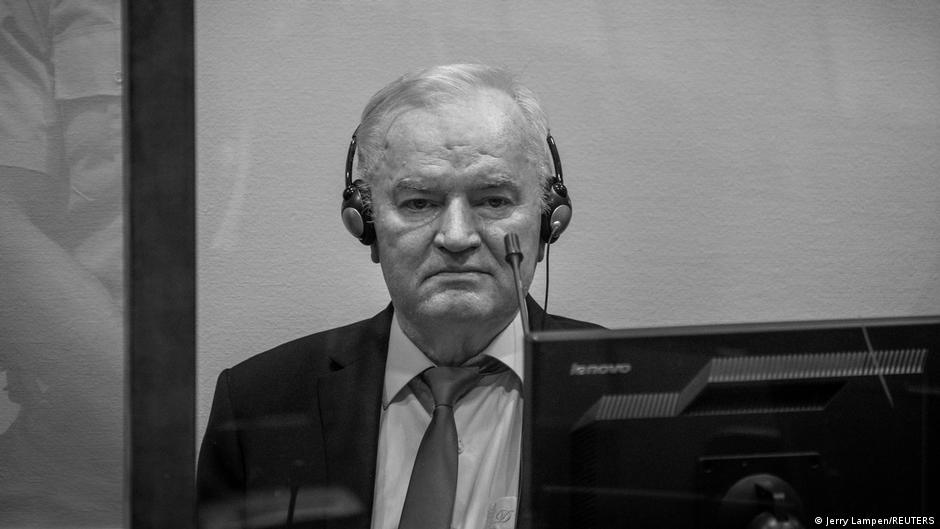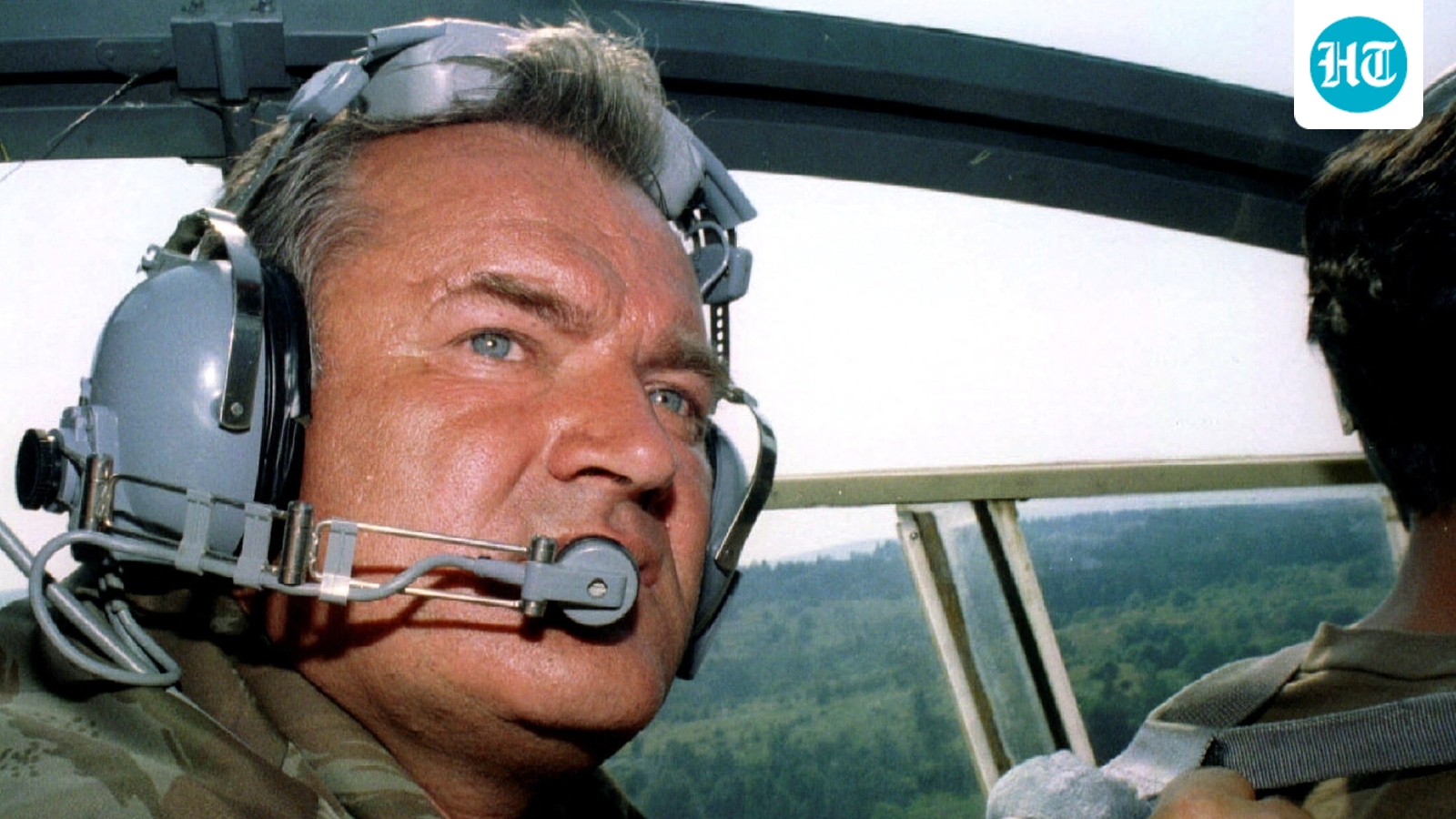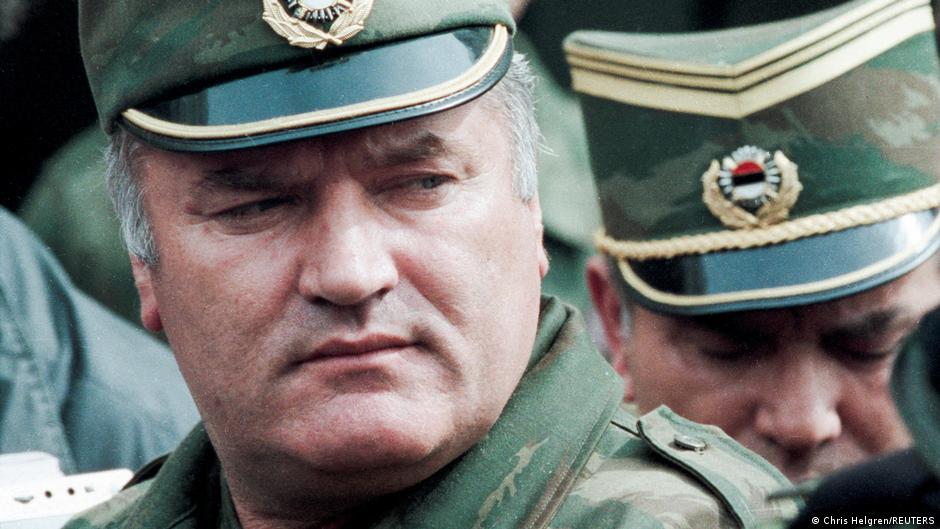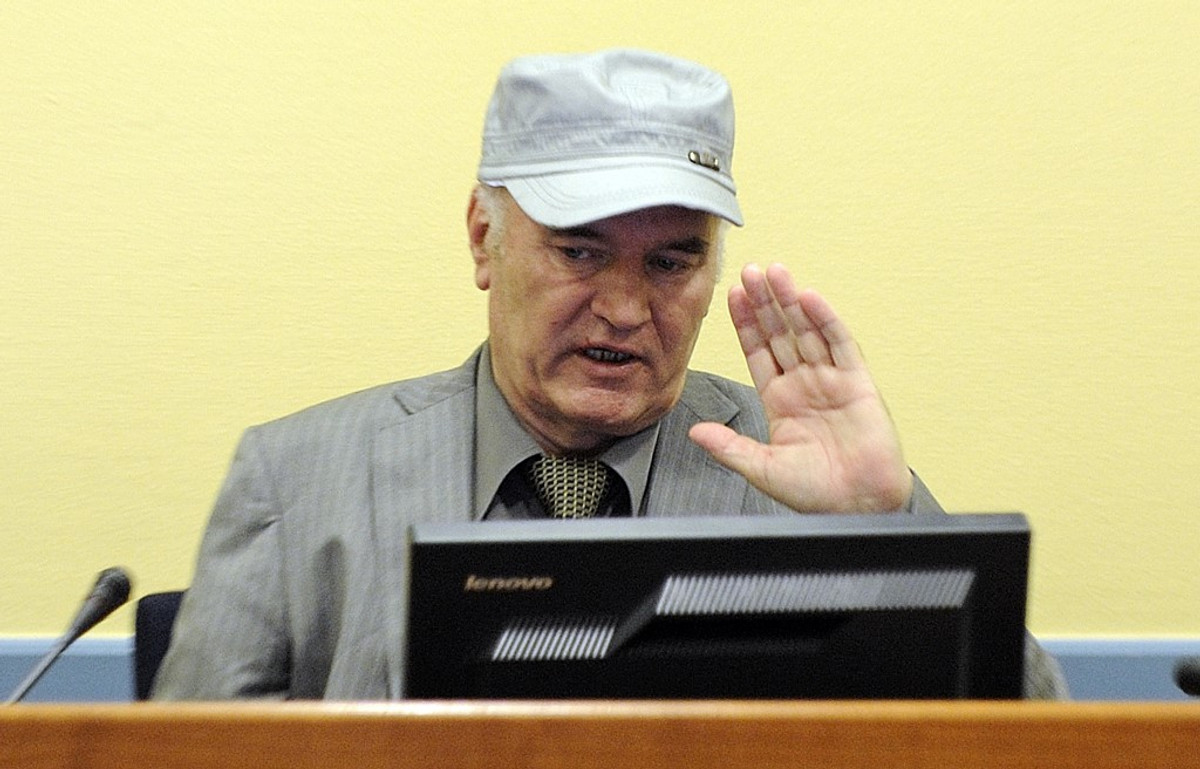
Ratko Mladić, commander of the Army of Republika Srpska during the war in Bosnia and Herzegovina, has died in The Hague as a convicted war criminal serving a life sentence for genocide in Srebrenica, crimes against humanity, and war crimes. For readers outside the former Yugoslavia, to whom his name may mean little more than fading television footage from the 1990s, it is worth stating plainly who he was. The army under his command kept Sarajevo under artillery and sniper fire for years, and in July 1995, after the fall of Srebrenica, more than 8,000 Bosniak men and boys were murdered in a crime that an international court ruled to be genocide. Mladić evaded arrest for years, was captured in Serbia in 2011, convicted in 2017, and had his conviction upheld on appeal in 2021. He therefore died after an international court had established his personal responsibility for crimes that left thousands dead and reshaped entire communities for generations.JOIN US ON TELEGRAMFollow our coverage of the war on the @Kyivpost_official. His death alters none of those facts, nor can it return a single day to the people who survived the crimes for which he was convicted. In Srebrenica, families spent years searching for the remains of their loved ones because victims’ bodies had been moved from one mass grave to another in an effort to conceal the crime; some were able to bury a son, husband, or father only after enough of his remains had been recovered for the family to have something to lay in the ground under his name.
War Criminal Ratko Mladić Is Dead, but the Wars of the 1990s Have Yet to Truly End
Ratko Mladić the butcher is dead, but until successive generations treat all victims with dignity, they will be used by politicians to foment the next war.
1,822 words~8 min read