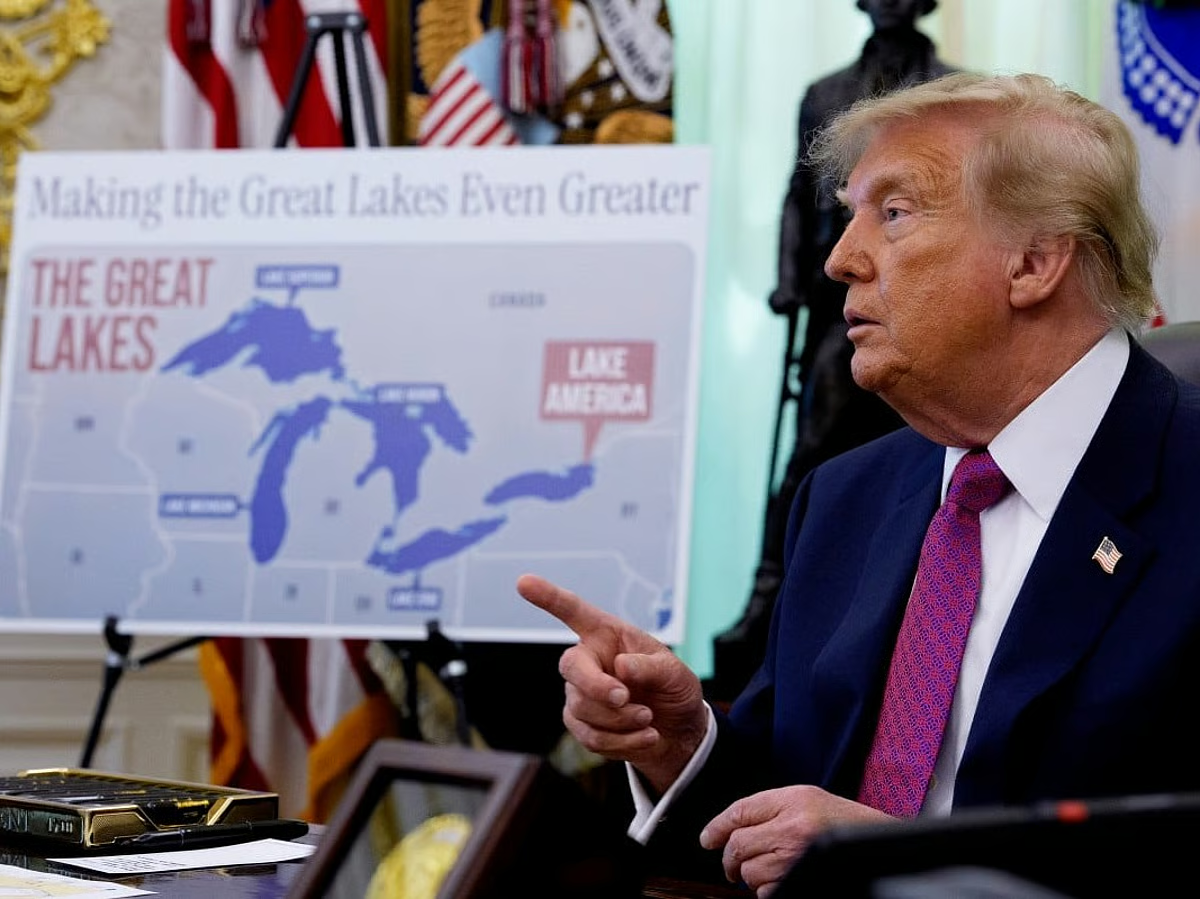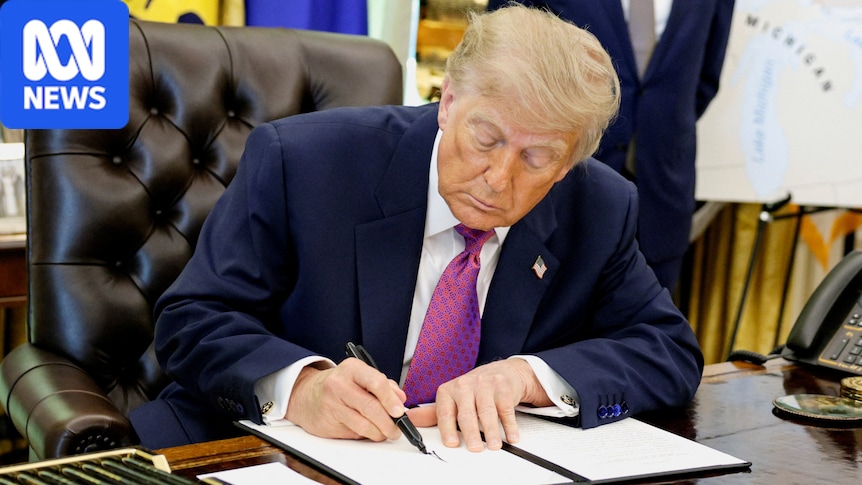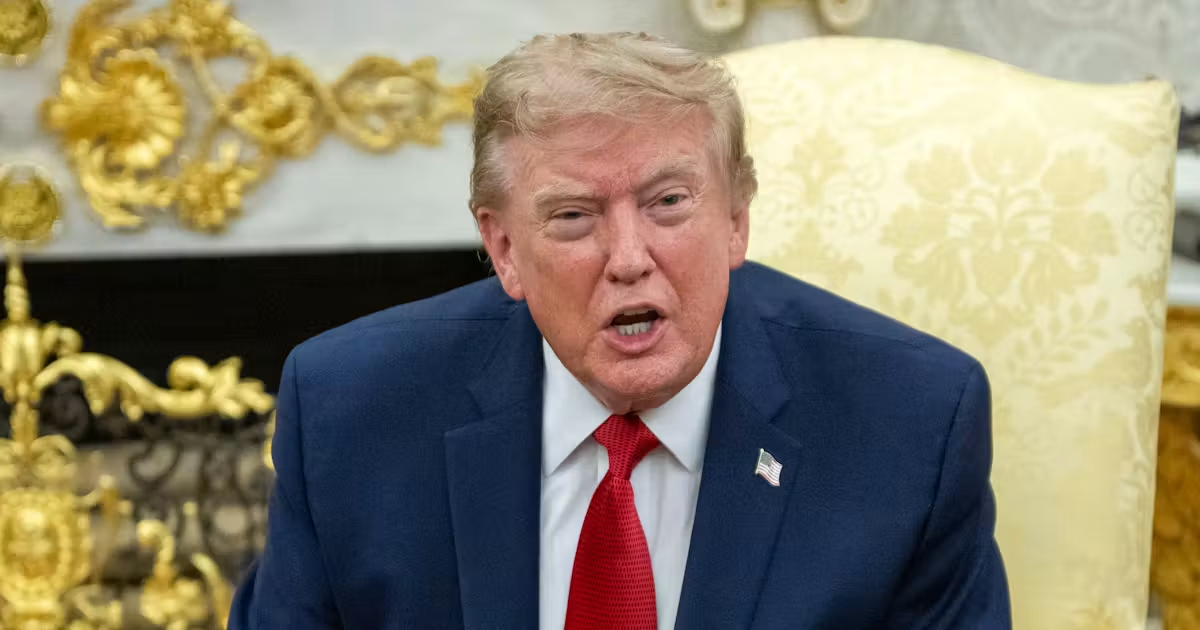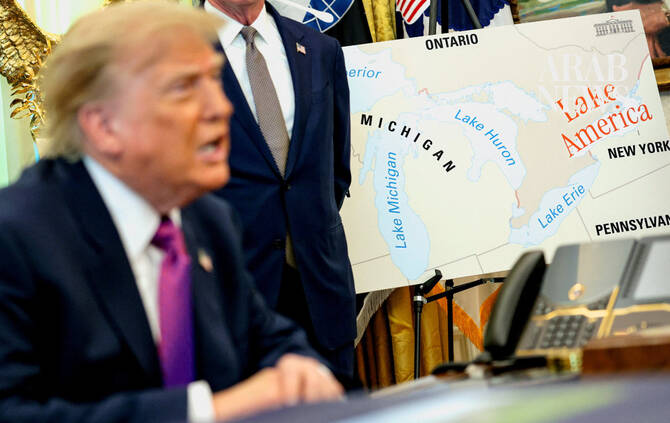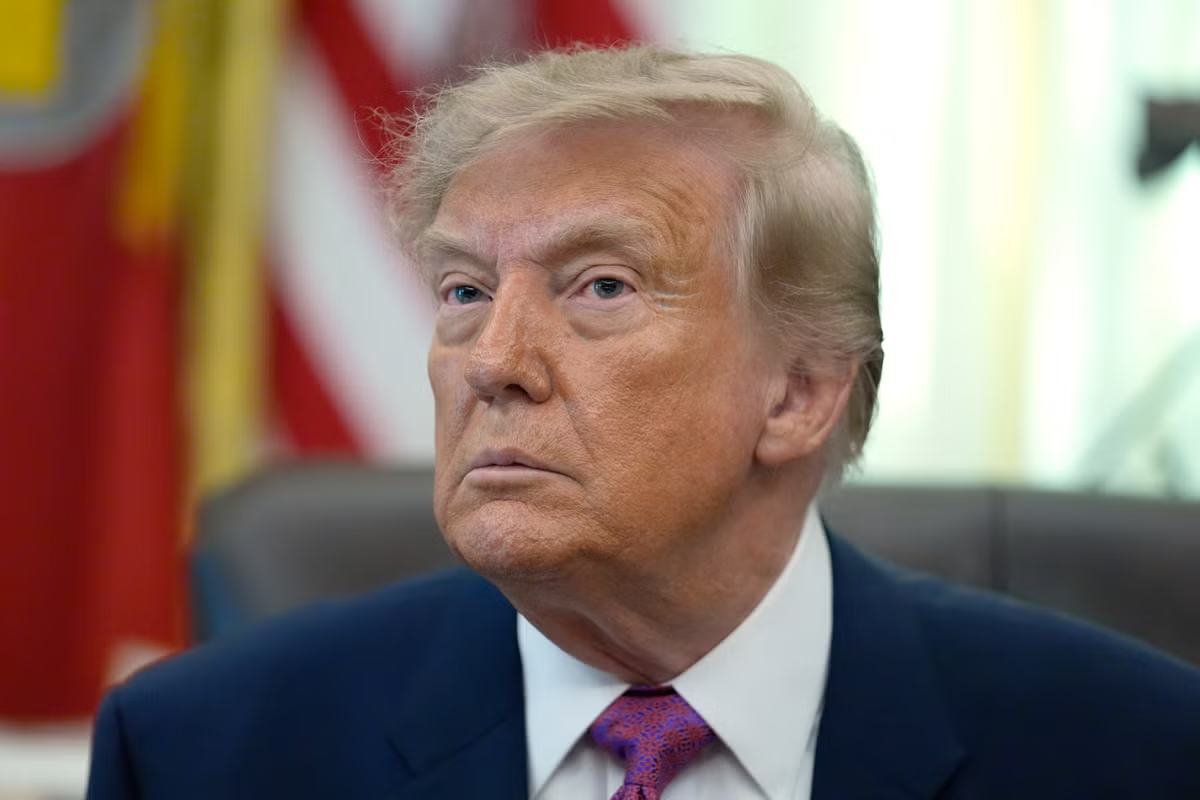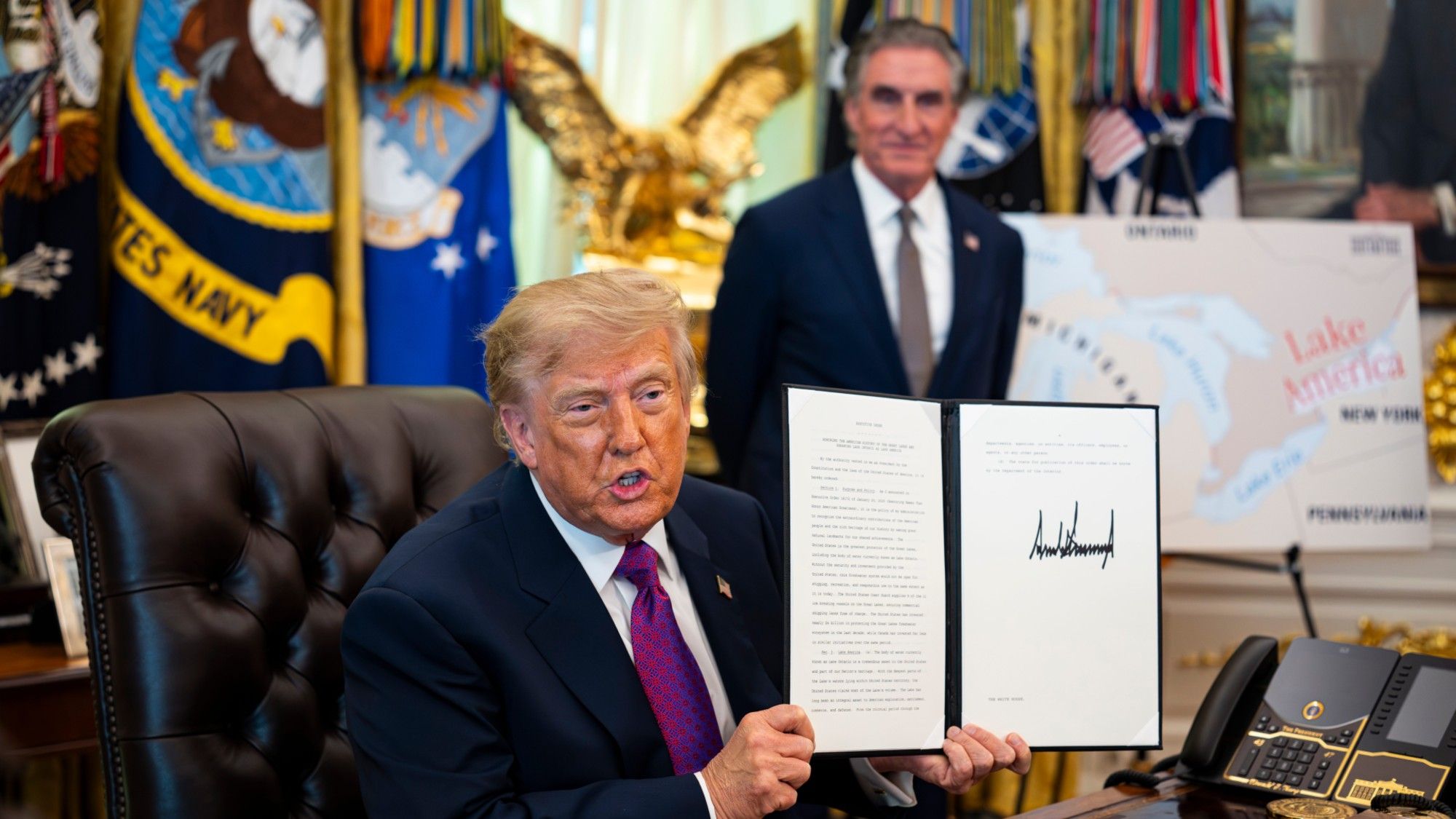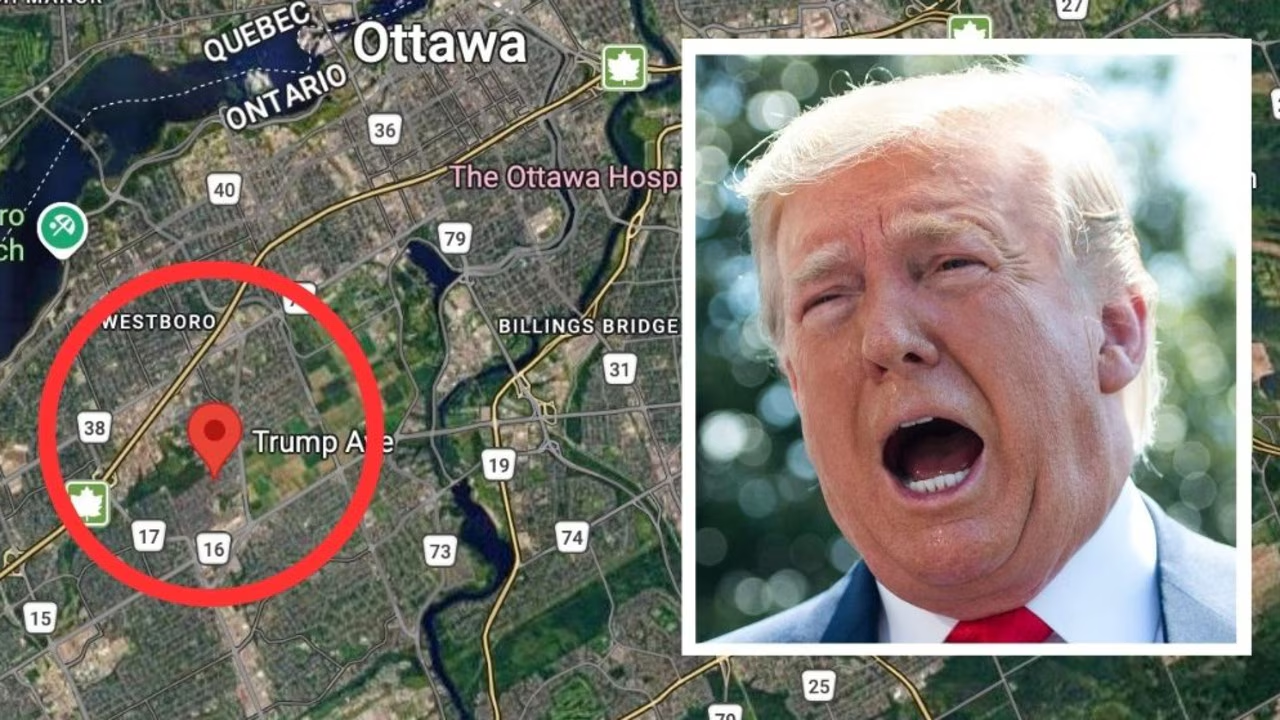
Donald Trump may have renamed Lake Ontario on American government maps, but Canada has found a name with a bit more bite.Following this week’s public spat between the US President and his hearty northern neighbours, Ottawa City Council is considering removing the 80-year-old’s name from a residential street in the Canadian capital. The interestingly named “Taco Avenue” is emerging among the suggested replacements.While it might seem like an irreverent throwaway line, the word has an extra meaning for the commander-in-chief.Following Mr Trump’s tariff run in 2025, the term “TACO” became Wall Street’s acronym for “Trump Always Chickens Out”.It’s a phrase that visibly rattled the President when it was put to him by a reporter last year.The proposed insult comes amid a rapidly deteriorating relationship between Washington and Ottawa, fuelled by Mr Trump’s tariffs, threats against Canadian industries and repeated digs at the country’s sovereignty.On Wednesday, Ottawa councillors voted unanimously to begin the process that could eventually strip Trump Avenue of its name after roughly 25 years.The small street sits in the Central Park neighbourhood, where several roads carry New York-inspired names including Staten Way and Madison Park.Among the replacements suggested to councillor Tim Tierney are Obama Avenue, Ontario Avenue, Canada Avenue, Beaver Avenue, Gulf of Mexico Avenue, Pelosi Avenue and Rosie O’Donnell Avenue.‘The nastiest question’The TACO expression was coined by Financial Times columnist Robert Armstrong in May 2025 to describe a pattern traders believed they had identified in Mr Trump’s trade policy.The theory was that as soon as Mr Trump announces enormous tariffs, markets would tumble and governments would panic. The President would then delay or reduced the measures and stocks recovered.When CNBC reporter Megan Cassella asked Mr Trump about the term in the Oval Office, he immediately bristled up.“I chicken out? Oh, I’ve never heard that,” Mr Trump responded.He pointed to his decision to reduce a 145 per cent tariff on China and his threats against the European Union as examples of successful leverage.“You call that chickening out?” he said. “It’s called negotiation.”Mr Trump then turned on the reporter.“Don’t ever say what you said,” he said. “That’s a nasty question. To me, that’s the nastiest question.”Mr Trump has built his public identity around strength, dominance and the belief that unpredictability forces opponents to bend. He has spent years belittling rivals as weak, low-energy or incompetent and rarely allows criticism to pass without a fight.Canada fires backThe Ottawa vote came one day before Mr Trump signed an executive order directing the US government to call Lake Ontario “Lake America”. The lake sits across the border of both nations between the provence of Ontario on the Canadian side, and the state of New York on the US side. The order requires American federal agencies to update maps, contracts and official communications. It does not compel Canada, international organisations or even individual US states to recognise the new name.Canadian Prime Minister Mark Carney, who has been locked in a bitter war of words with his US counterpart for months, weighed in with a short statement.“This lake is called Lake Ontario — today and forever,” he said.Ontario Premier Doug Ford, who earlier this week told Mr Trump to “kiss my a**”, similarly shut down the furore.“It’s Lake Ontario to Canadians and the rest of the world,” he said.Councillor Tierney told CNN that Mr Trump’s brash move had returned the street dispute to the “front burner”, although he cautioned against allowing a fight over names to distract from the more serious trade conflict looming in the background.“We see the president doing something the same and it’s tired,” he said. “Stop with the lame name game and let’s get back to the table.”More than half of Trump Avenue residents must support a change before a new name can proceed through public consultation. Any decision is expected to wait until after Ottawa’s municipal election at the end of October.A previous attempt failed spectacularly in 2021. Of the street’s 62 households, 21 voted to change the name, 21 voted to keep it and 20 did not vote.Mr Tierney said some residents were less interested in defending Mr Trump than avoiding the bureaucratic nuisance of changing their addresses.Read related topics:Donald Trump
Humiliating nickname comes back to Trump
Donald Trump may have renamed Lake Ontario on American government maps, but Canada has found a name with a bit more bite.
693 words~3 min read