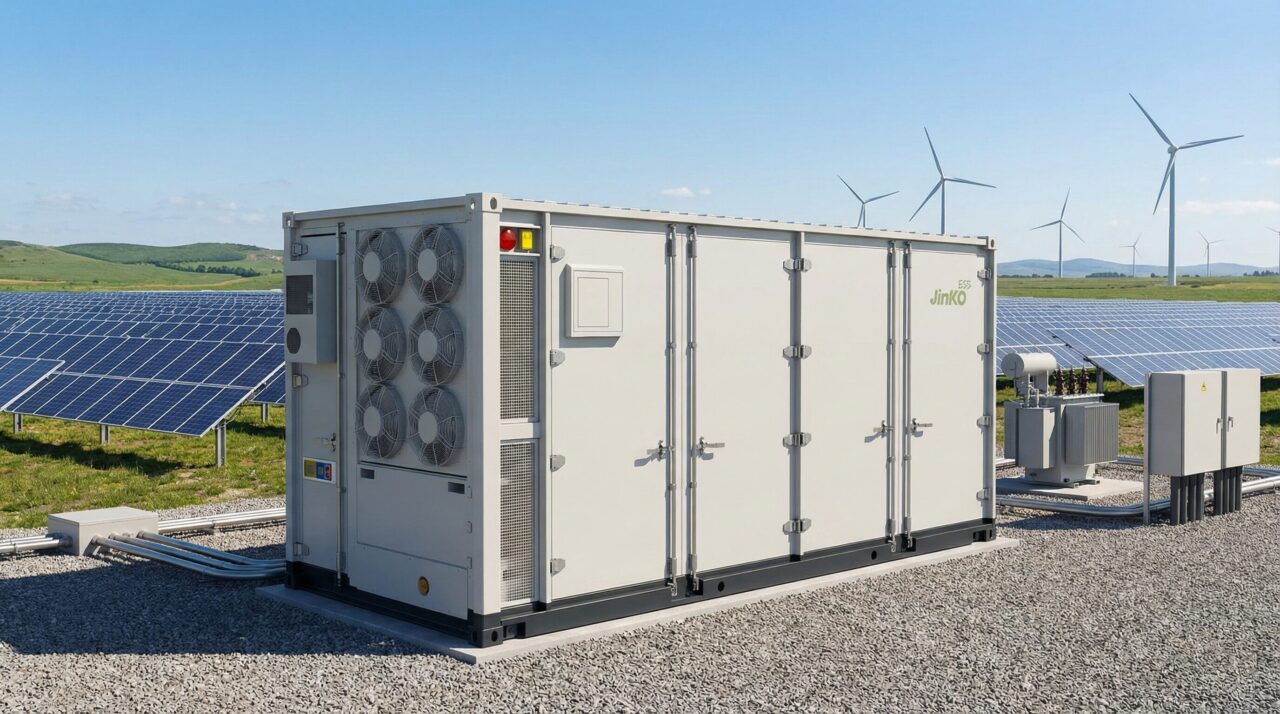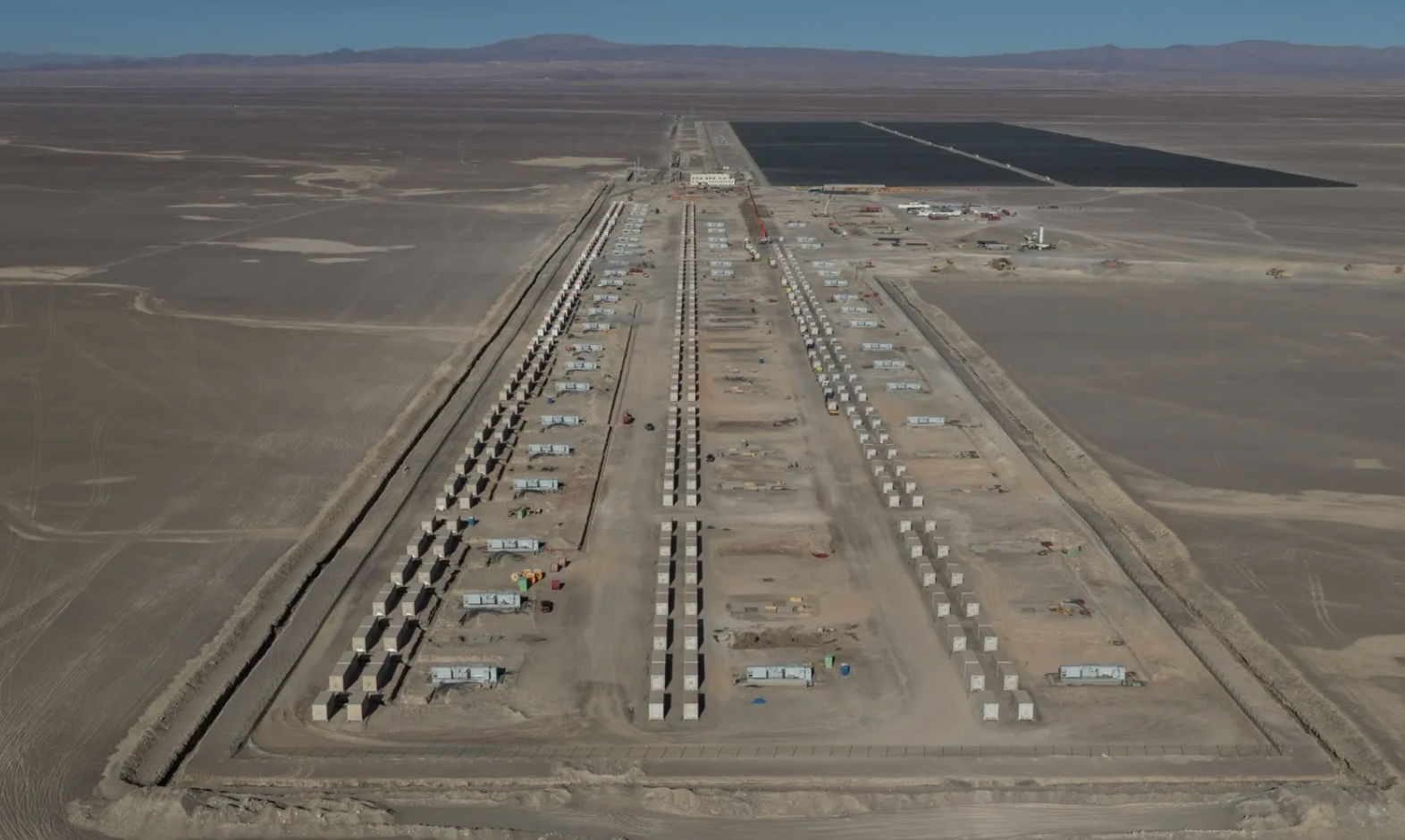
Wood Mackenzie forecasts Latin America’s energy storage capacity to surge from 2.5 GW in 2025 to 34 GW by 2035, driven by renewable curtailment, grid constraints, auctions, and supportive policies. Chile leads deployment, while Mexico, Brazil, Argentina, and the Dominican Republic are scaling up, though unclear revenue models, financing constraints, and regulatory gaps remain key barriers.
Wood Mackenzie expects energy storage deployment in Latin America to accelerate sharply over the next decade. In its new “Latin America Energy Storage Outlook 2026” report, the consultancy forecasts cumulative capacity to increase from 2.5 GW in 2025 to 34 GW in 2035, representing a 13.6-fold increase in installed capacity over 10 years.
The new forecast represents a substantial revision from the previous edition of the report. In September 2025, Wood Mackenzie projected that the Latin American market would reach 23 GW in 2034, with a compound annual growth rate of 8%. At the time, it had already identified grid constraints, rising renewable energy curtailment, and auctions as the main drivers of energy storage deployment.
“Latin America is no longer a frontier market for energy storage, it is an active market. The project pipeline is growing rapidly, but deployment stalls without comprehensive regulatory frameworks with clear remuneration mechanisms,” said Pamela Morales of Wood Mackenzie.