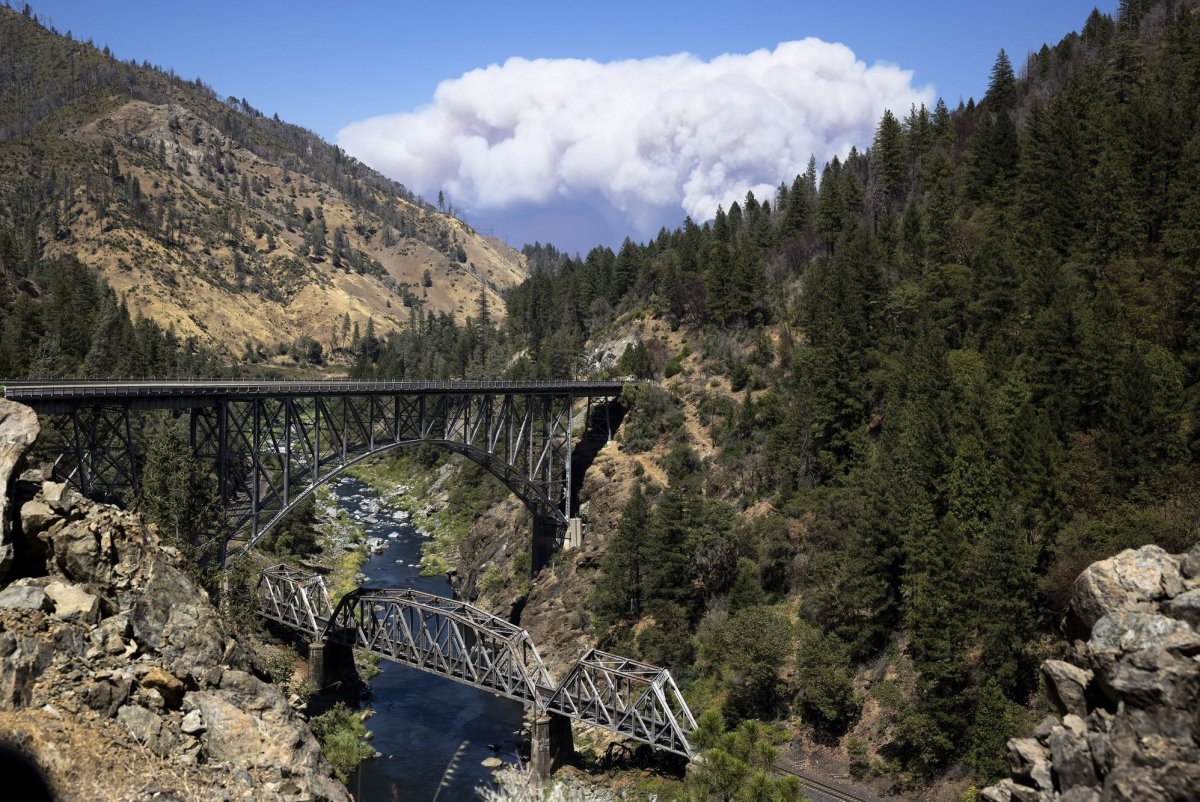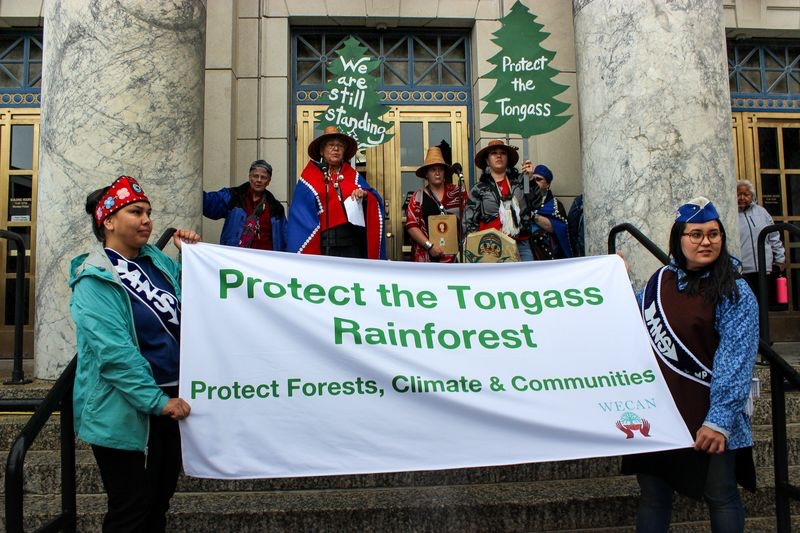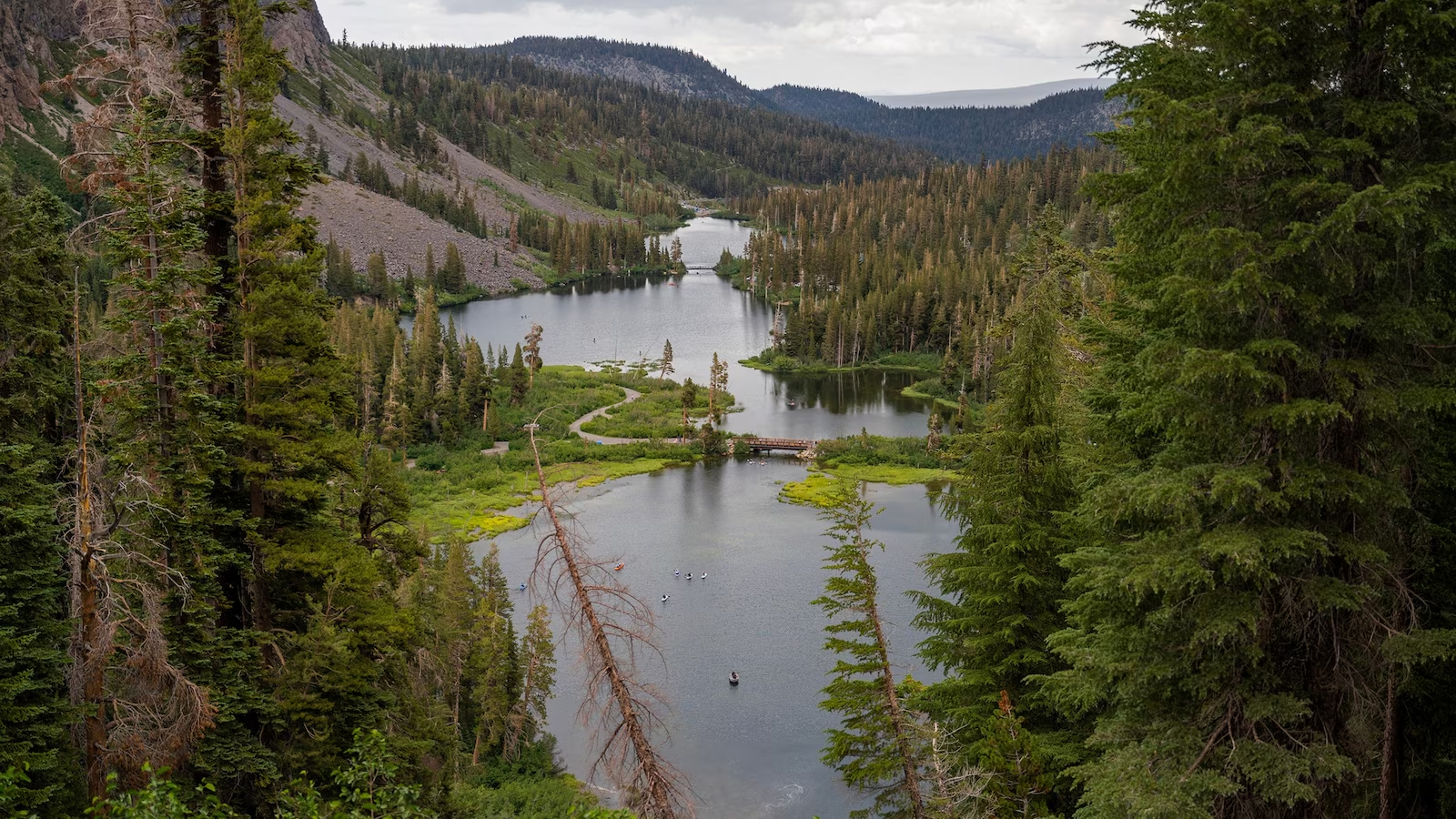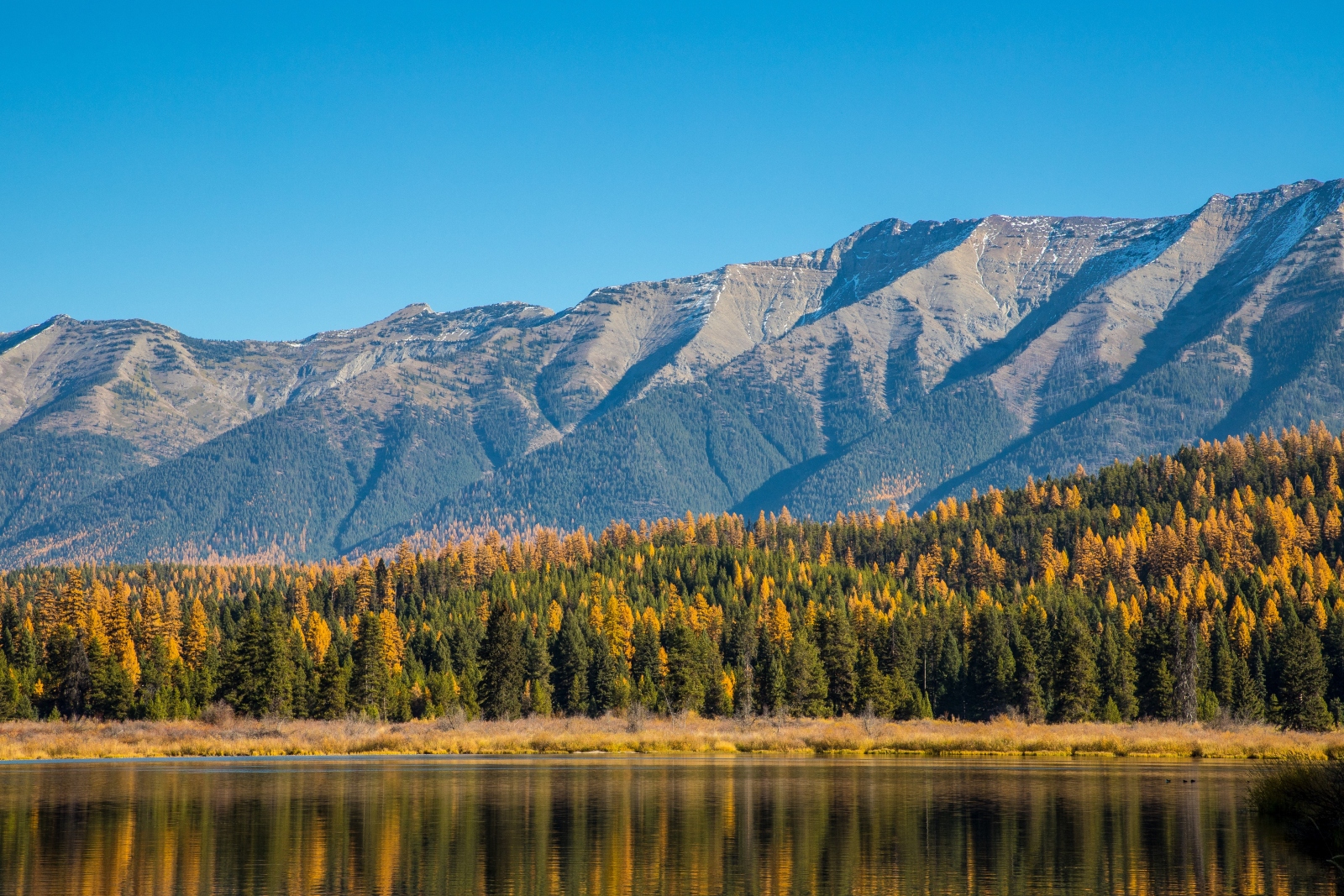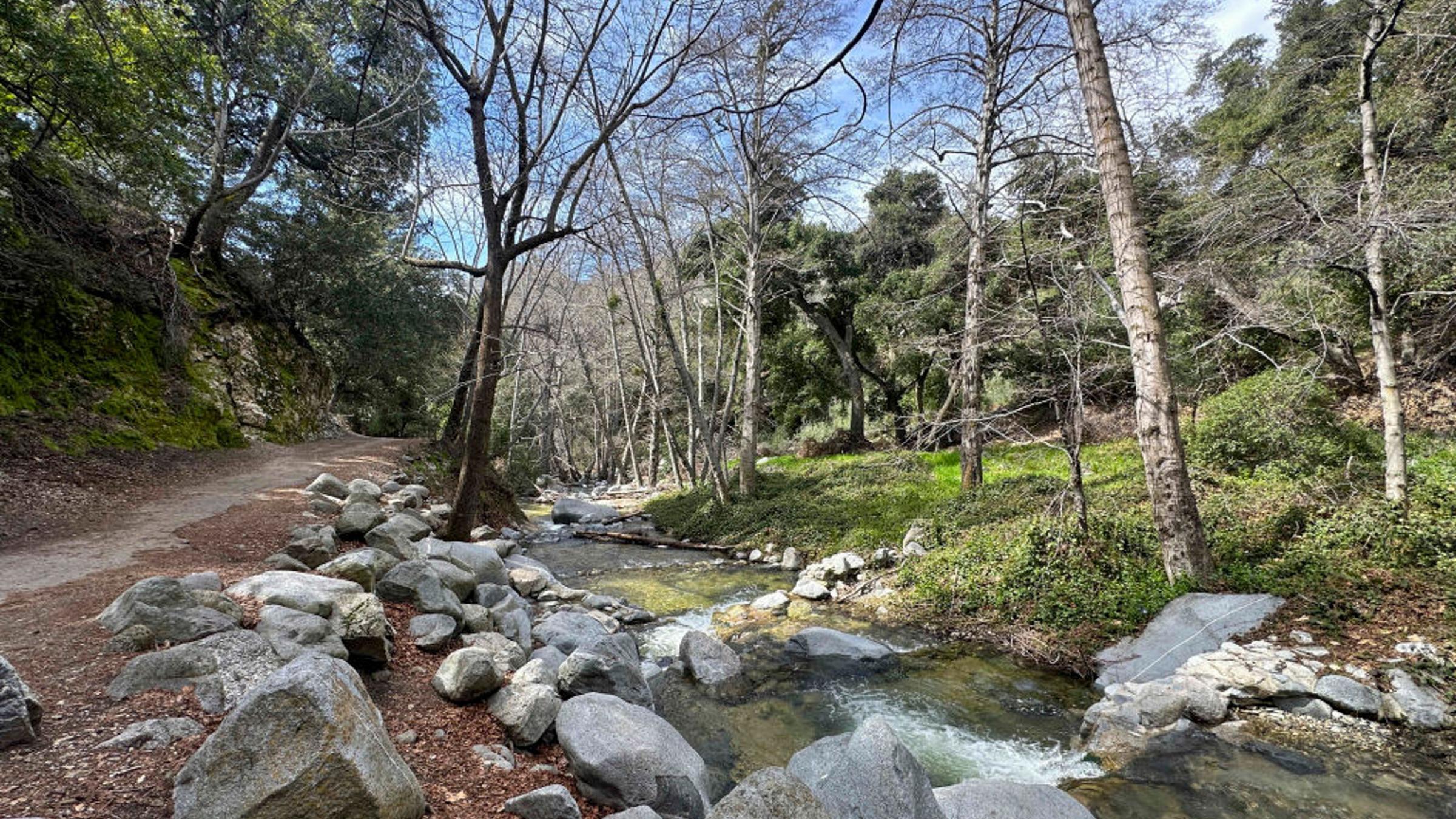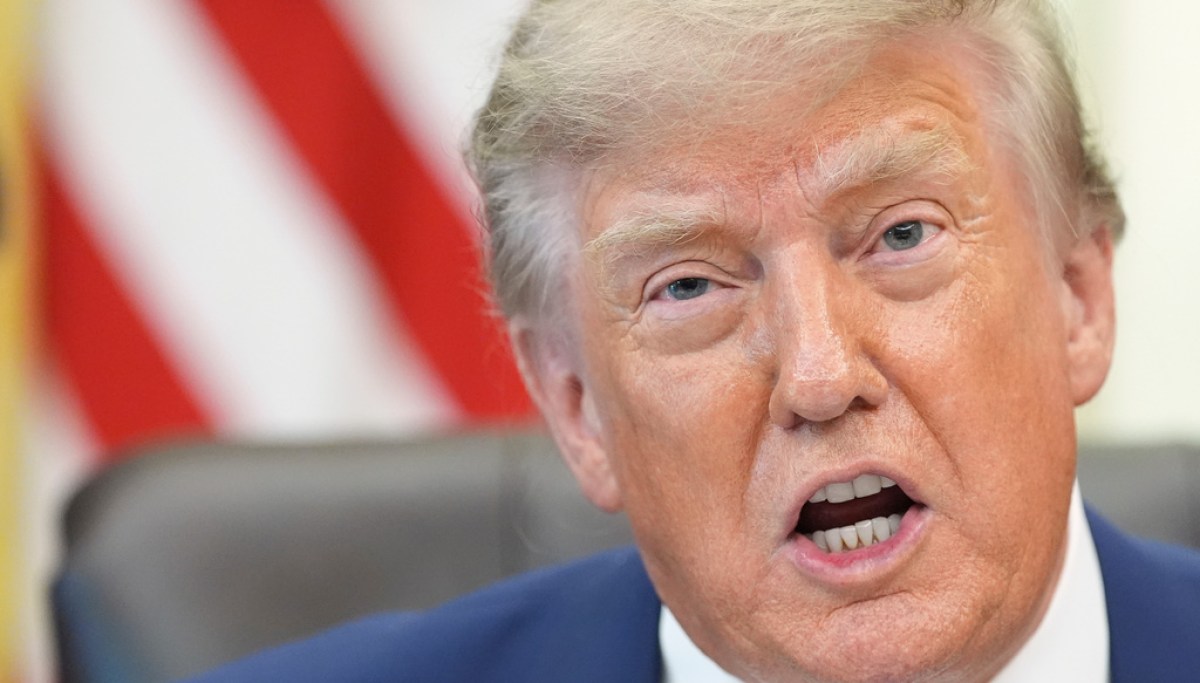
The U.S. Forest Service filed a proposed rule today to erase a 25-year-old federal restriction covering nearly 45 million acres of national forest. Agriculture Secretary Brooke Rollins says overgrown stands, insect outbreaks, and disease have turned healthy landscapes into tinderboxes. I’ve lived in California since 1990, long enough to watch the same story repeat itself every fall when the Santa Ana winds pick up. I’ve packed a go-bag more than once when a red flag warning went up near Ladera Ranch. The brush grows all year while the lawyers argue, and then October shows up with a lighter.The 2001 Roadless Rule bans new road building and most logging on undeveloped national forest land. It sounds tidy on paper: keep the wilderness wild. In practice, it locks up almost a third of the National Forest System, including 60% of Utah’s forest land, 58% of Montana’s, and 92% of Alaska’s Tongass National Forest, the largest in the country, and hands veto power to whoever can find a sympathetic judge. Idaho and Colorado carved out their own state-specific rules years ago and kept local control. The other 48 states got the one-size-fits-all version, written in Washington by people who will never evacuate a canyon at 2 in the morning.I’m not opposed to conservation. I grew up idolizing Teddy Roosevelt, and I want my sons and the generation after them hiking in these same forests. But conservation and abandonment are not the same policy, no matter how often the Sierra Club insists otherwise. Roosevelt understood that managing land is how you protect it. Locking the gate and walking away just guarantees a bigger fire later, paid for by the people who live closest to the trees.
Trump wants to kill the roadless rule: Trees aren’t worth more than lives
Ending the 2001 Roadless Rule prevents catastrophic wildfires by allowing local managers to thin overgrown national forest lands.
760 words~3 min read