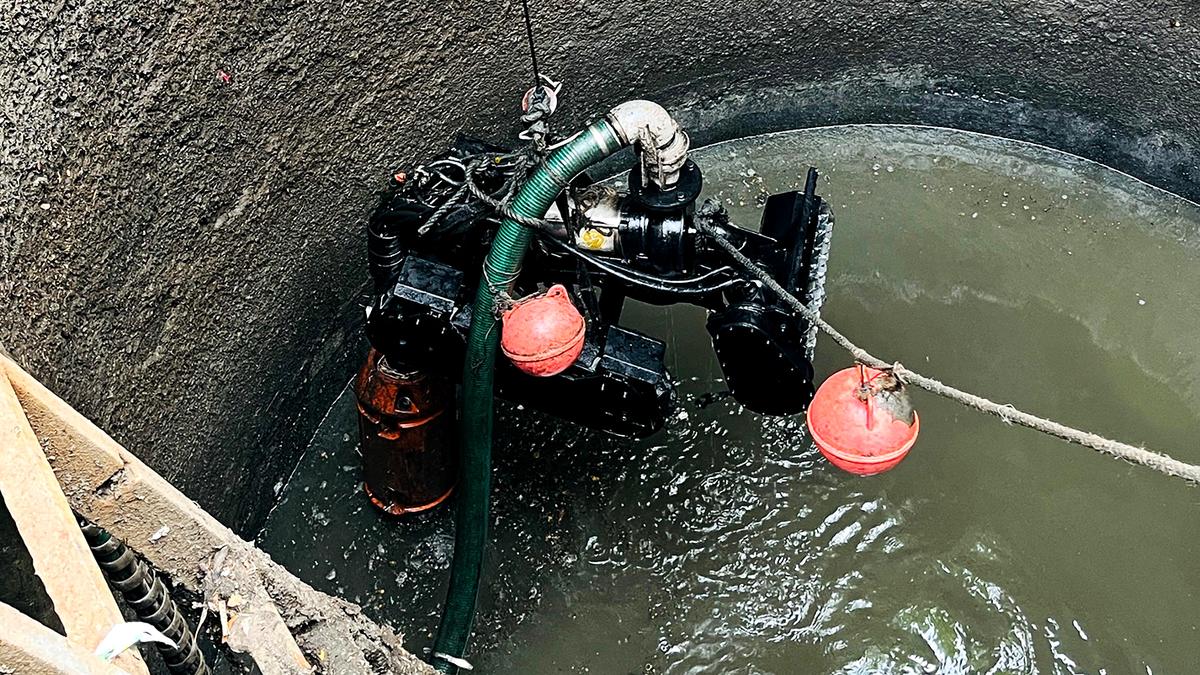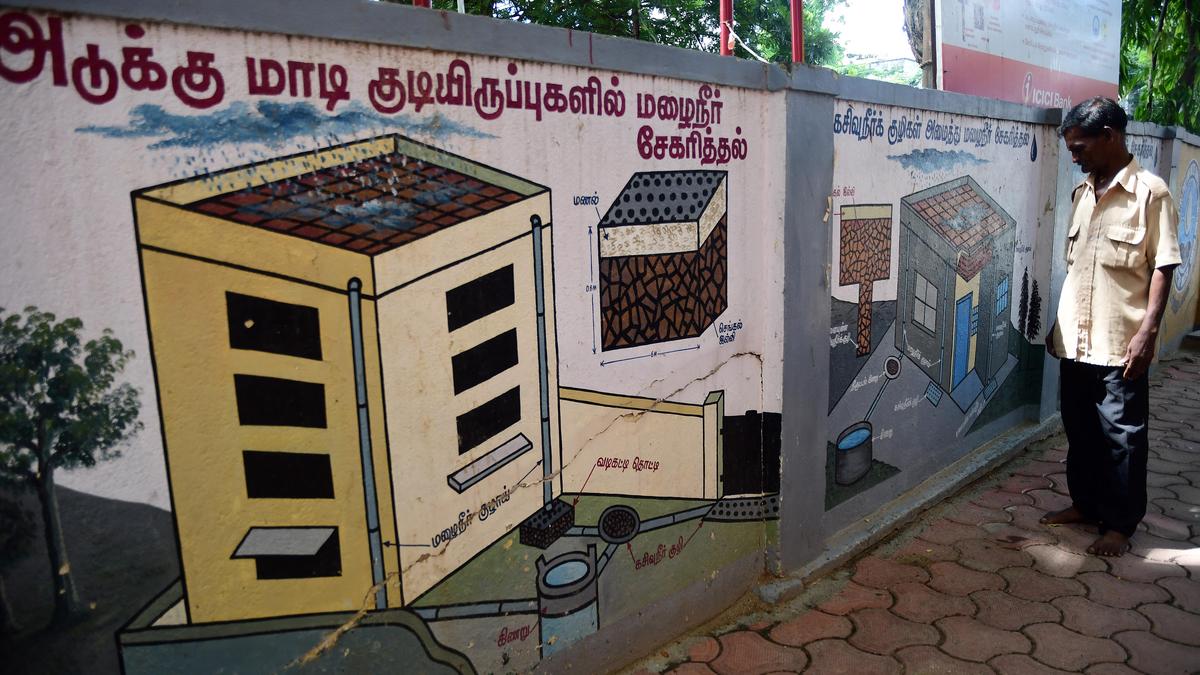
Image used for representation
With the Northeast monsoon drawing closer, rainwater harvesting (RWH) is receiving renewed focus in the city. Chennai Metrowater is preparing to audit RWH structures in buildings from September, while voluntary organisations point out that the city’s shallow aquifer remains largely untapped.Besides preparing to begin the annual campaign to sensitise residents about harnessing rainwater during the ensuing monsoon season, Metrowater plans to audit buildings to check the maintenance of RWH structures across the city with the support of volunteers. There are about 14 lakh consumers in the city.Officials of the Metrowater said the audit would be aimed at sensitising residents about the maintenance of RWH structures in accordance with the prescribed standards. The exercise would not involve punitive action, and residents would be advised on any additional measures required.In 2023, verification was conducted in 10.27 lakh buildings of the 11.05 lakh buildings in the city. The survey found that nearly 65% of the sites had functional RWH structures. This year, there are plans to reach out to consumers through social media and online platforms and hold meetings with residents’ welfare associations.The water agency is awaiting the State government’s nod on various proposals for the RWH campaign. Maintenance of RWH structures in government buildings would also be emphasised, officials said.According to Metrowater’s groundwater observations across 200 wards, the groundwater table recorded a marginal dip of 0.59 metre in July this year compared with July 2025. The average water level in Chennai stood at a depth of nearly 6.39 metres last month.Meanwhile, a survey by the Rain Centre, a voluntary organisation dedicated to creating awareness about RWH, revealed that groundwater was available at shallow depths in various parts of the city despite sporadic monsoon rainfall. The centre (9003140476) received a minimum of five enquiries daily from residents regarding RWH maintenance.Sekar Raghavan, Director, Rain Centre, said the water table was available within 10 feet of ground level in places like Virugambakkam, Mylapore, Madhavaram, West Mambalam, Besant Nagar, and Okkiampettai Thoraipakkam. This is primarily because the shallow aquifer has been left untapped and would soon become saturated, hindering further percolation during the upcoming Northeast monsoon.Residents must adopt the conjunctive use of open wells and deep borewells, as the shallow aquifer can be replenished faster than the deep aquifer. Builders must retain open wells while developing plots and prioritise constructing open wells, six feet or even three feet in diameter, depending on the space available, to harness rainwater. Open wells can be retained without parapet walls and covered and used as vehicle parking spaces, said Mr. Raghavan. Published - August 28, 2026 04:31 pm IST