Infrastructure creates possibilities. That was one of Jeff Bezos’ key convictions in Amazon’s early years. Amazon Web Services, or AWS, grew out of a similar realization: many companies did not lack ideas; they lacked the ability to build the underlying infrastructure themselves.
The embodied intelligence industry now faces a similar problem. Its technological capabilities are advancing rapidly, but integrating a robot into the physical world requires far more than capable hardware and models.
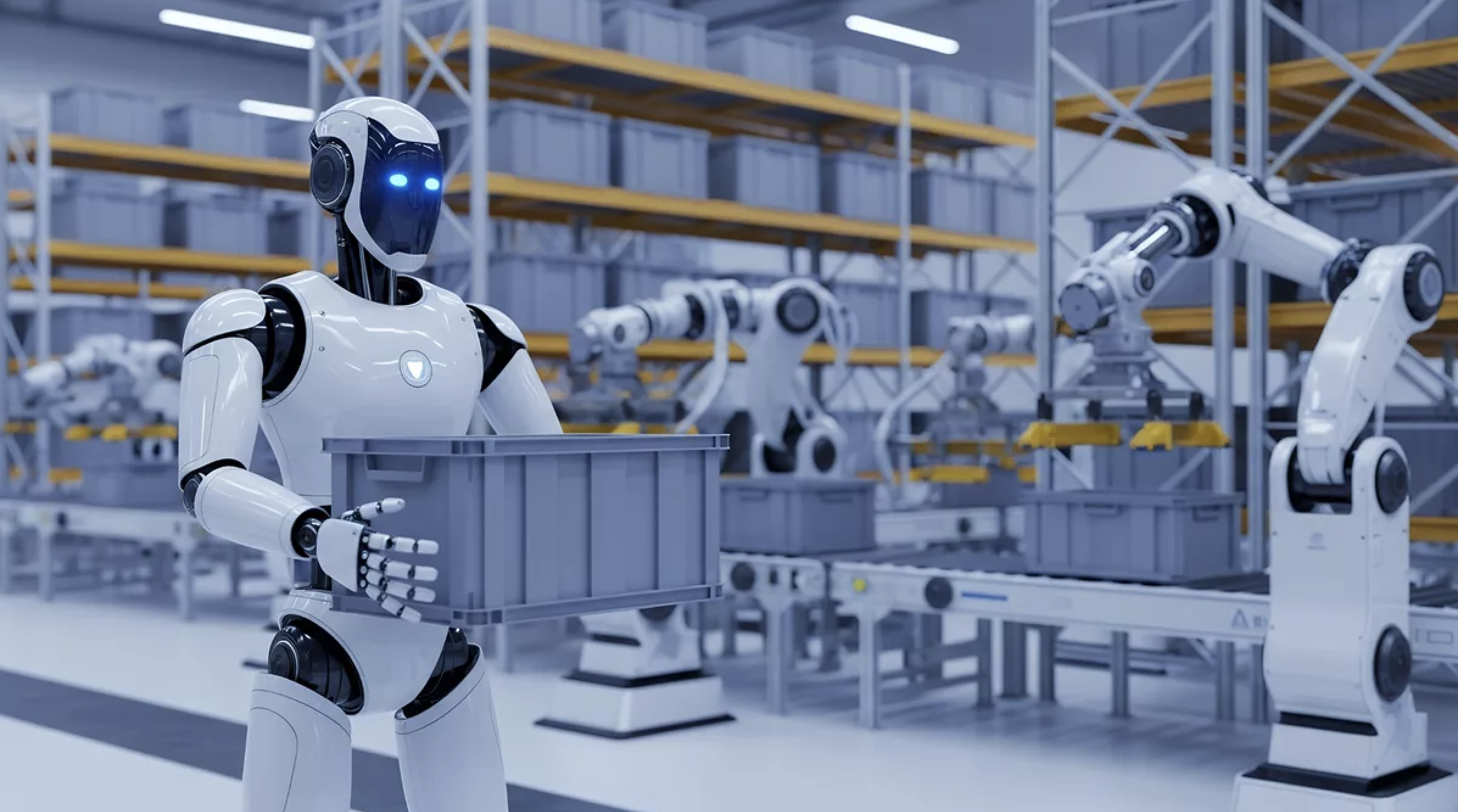
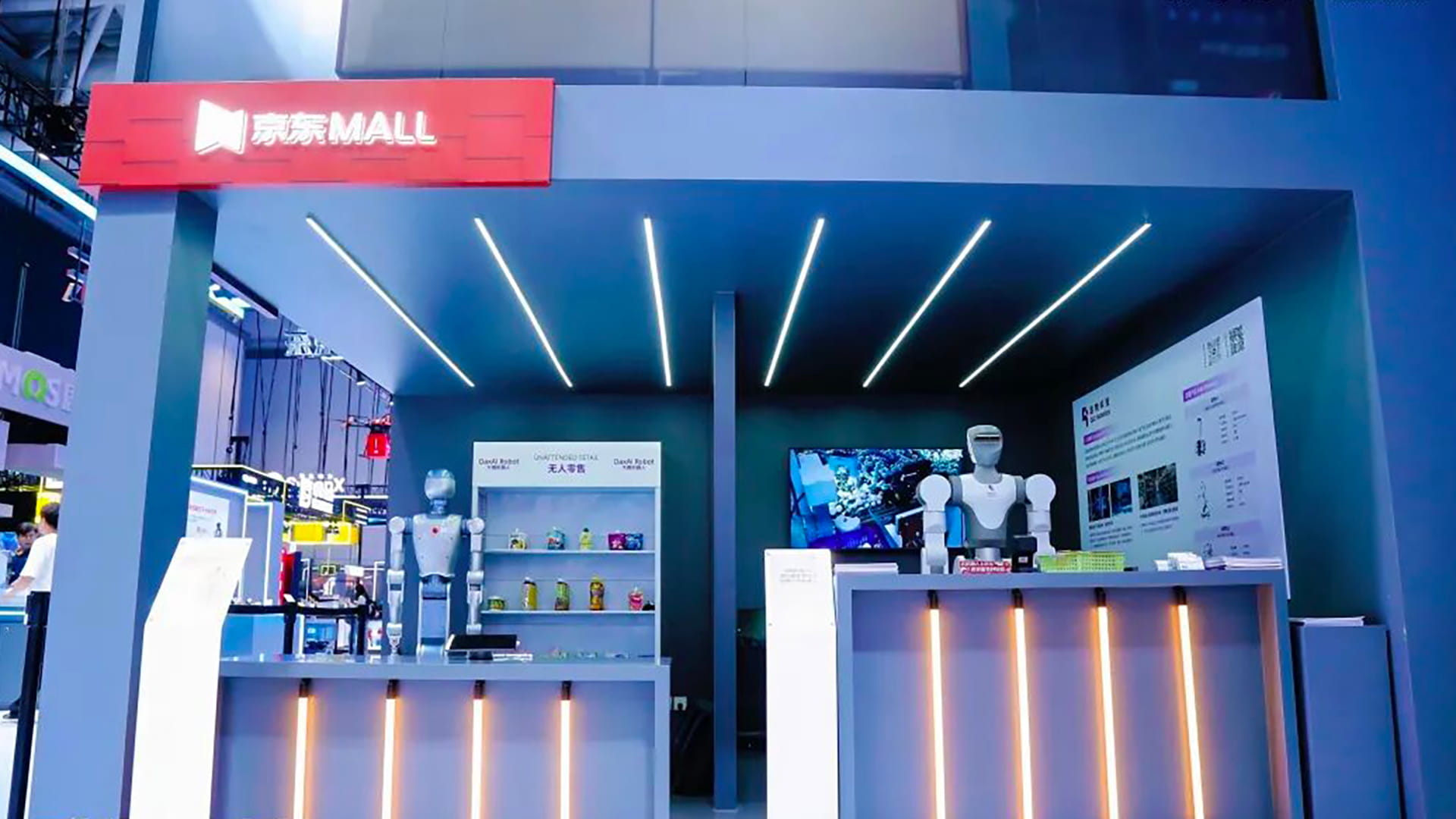
At the recent World Robot Conference, running, dancing, and backflips were no longer novelties. Robots were also becoming more adept at everyday tasks such as handing over water and grasping objects. Over the past few years, advances in humanoid robots’ motion control, interaction, and task execution have become increasingly visible.
But beyond staged demonstrations lies a world far more complicated than the exhibition floor: the overlapping noise and crowds of a shopping mall, the strict operating cadence of a warehouse, the endless variety of objects inside a home, and the long product lifecycle stretching from delivery and configuration to repair and recycling.
A stage can demonstrate the outer limits of capability. Industry tests whether those capabilities can work reliably over time. Between the two lie wide gaps in supply chains, data, delivery, operations and maintenance, and service systems.