What, exactly, should count as the “ChatGPT moment” for embodied intelligence?
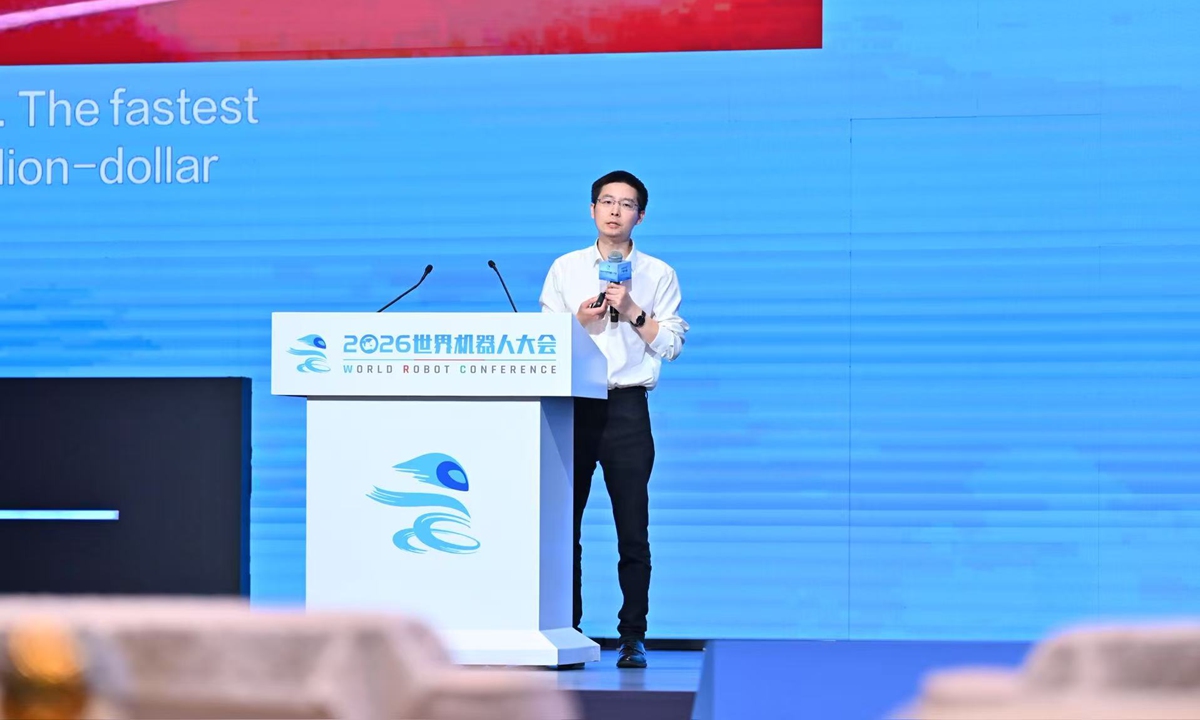
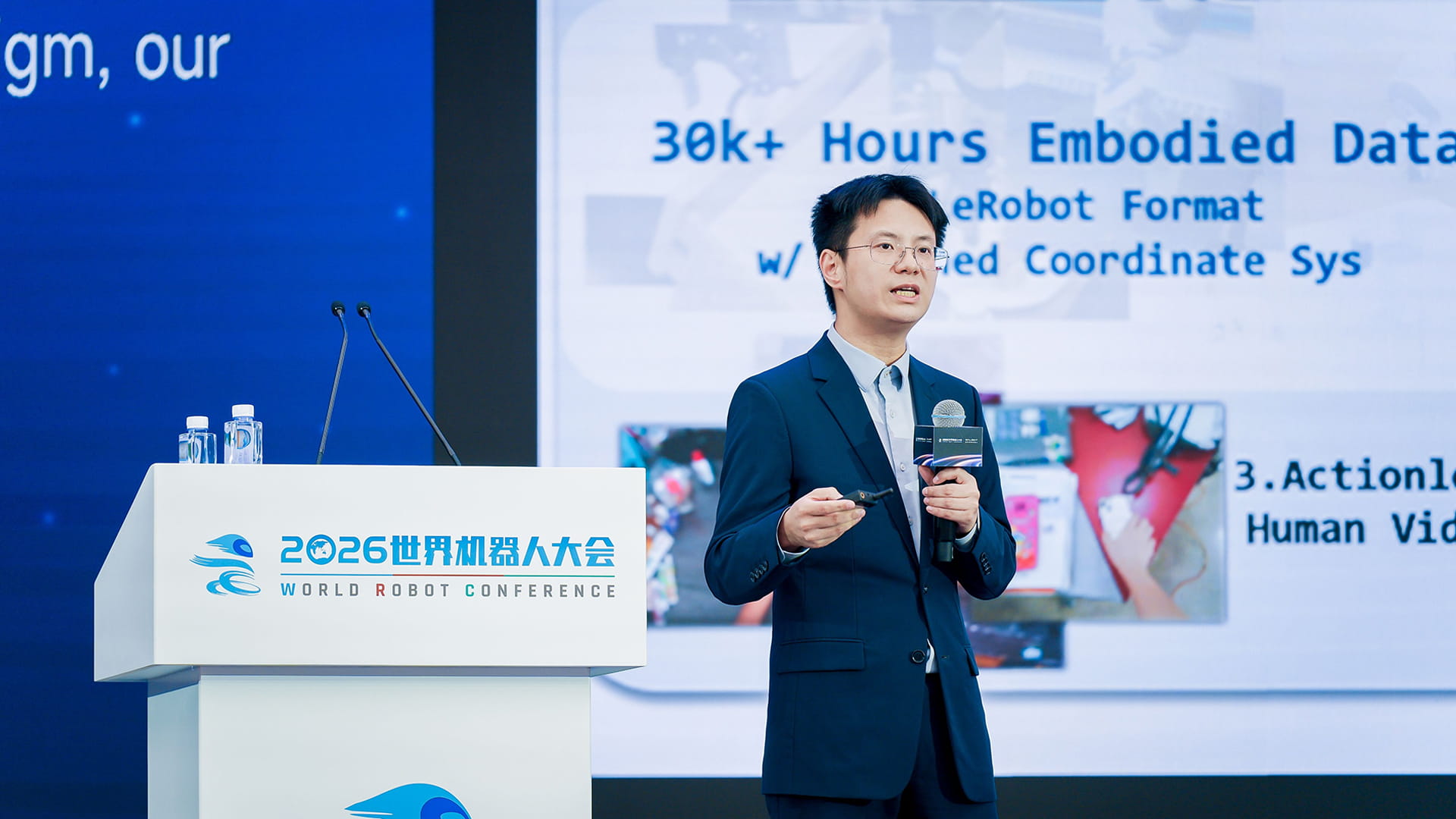
At the World Robot Conference (WRC) on August 19, Wang He, founder and CTO of Galbot, posed that question to the audience at a forum hosted by the company.
He has a demanding benchmark. Robots, he said, should be able to achieve zero-shot generalization on common skills they have never specifically learned, while ordinary users should be able to teach them new movements without any background in algorithms. To make that possible, humanoid robots need to understand the physical world, control their entire bodies and both hands, and continue learning over time.
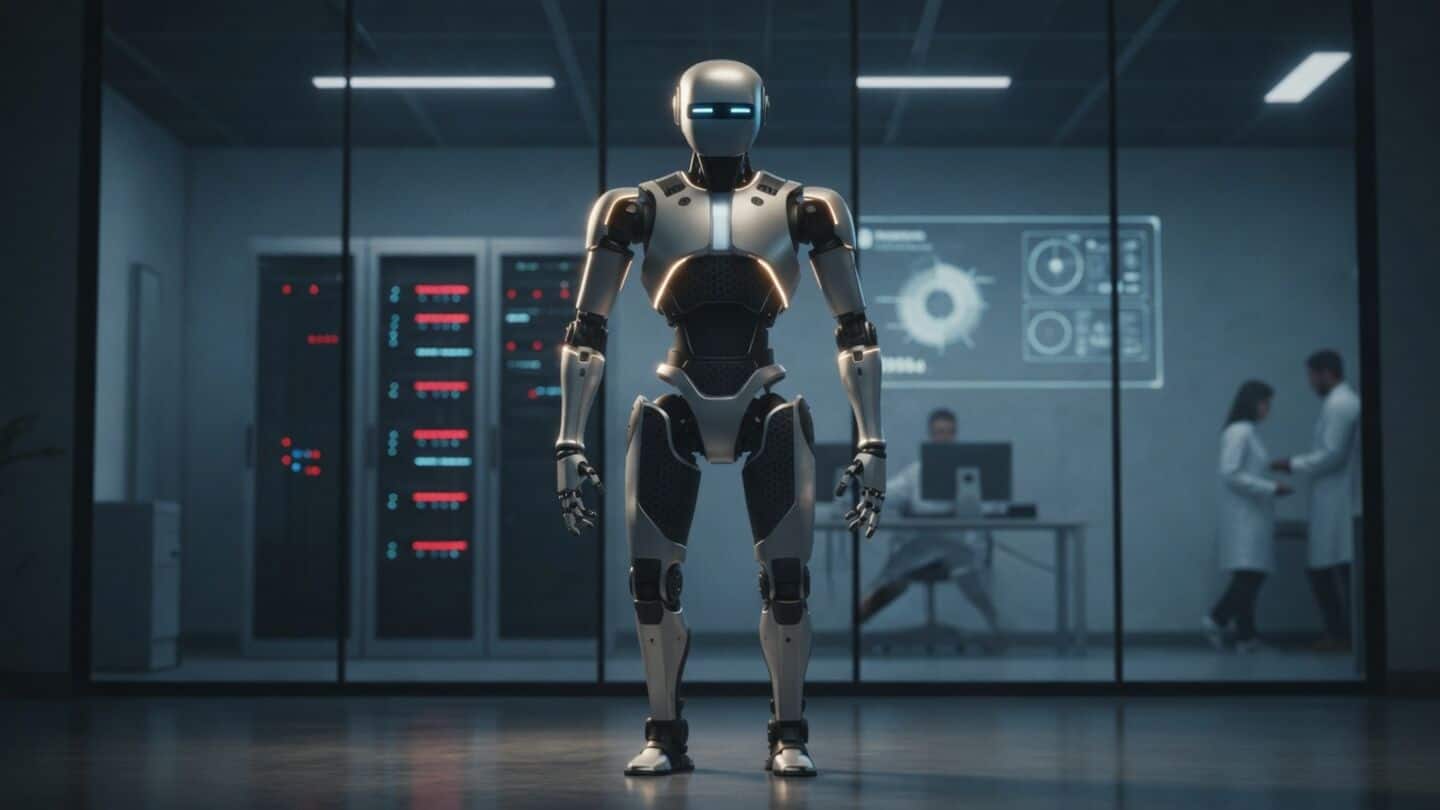
Galbot’s newly unveiled small humanoid robot, ET1, puts that idea into a new body. The company describes ET1 as the world’s first agent-based humanoid robot with autonomous learning capabilities. It runs on Galbot’s self-developed AstraBrain-Agent, which can observe its surroundings in real time, understand human instructions, and dynamically plan its behavior. Rather than preparing demonstration videos in advance, users can teach the robot new motor skills through interaction, according to Galbot.
Behind ET1 is the latest iteration of Galbot’s embodied foundation model, AstraBrain. While much of the humanoid robotics sector has focused attention on physical performance, Galbot has put embodied foundation models at the center of its approach.