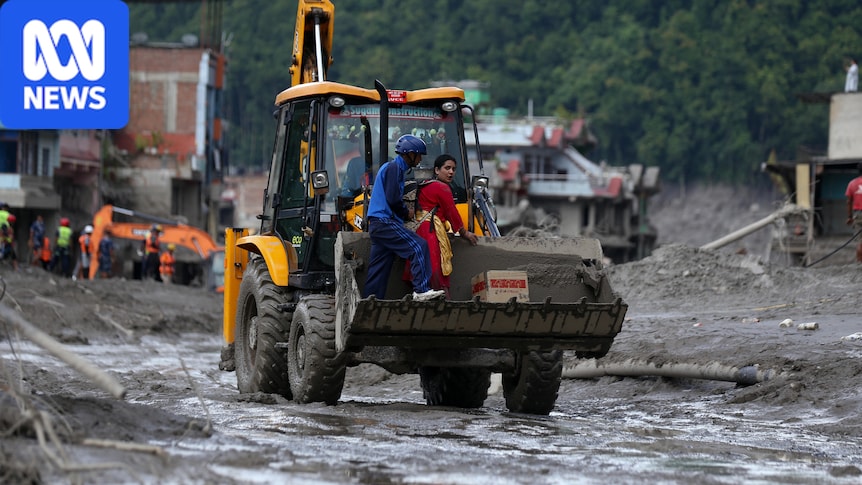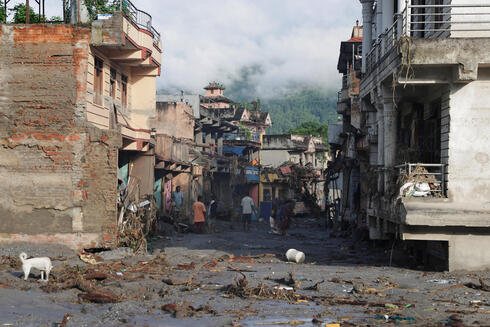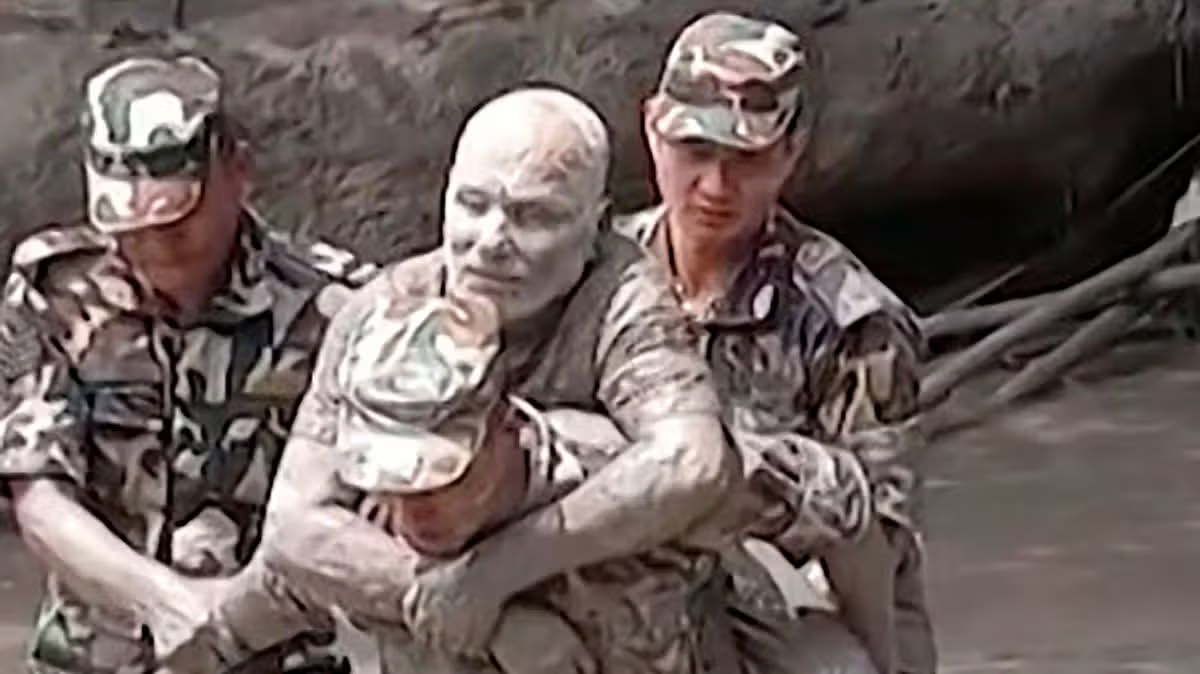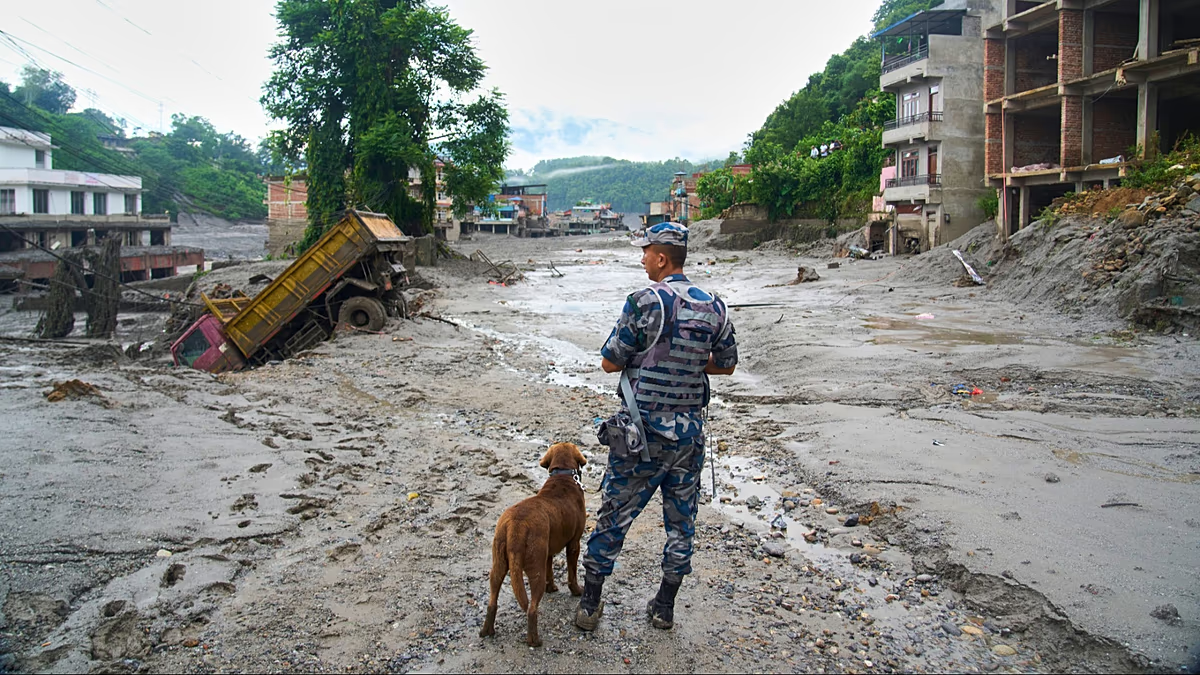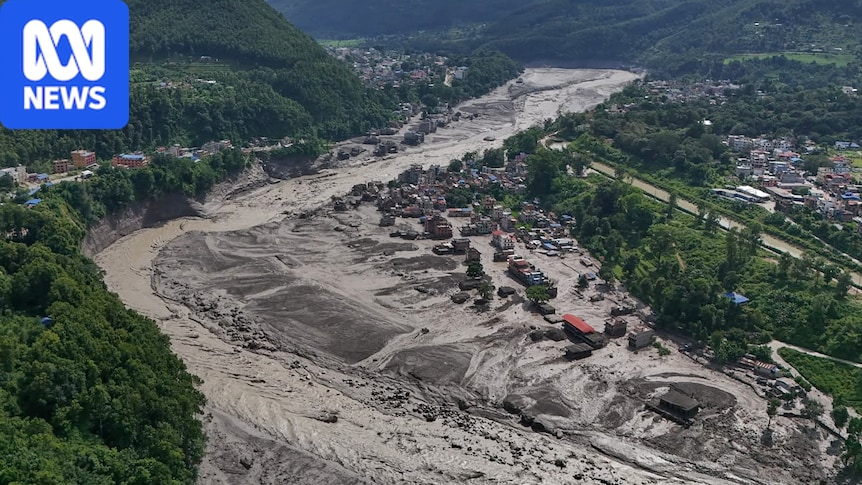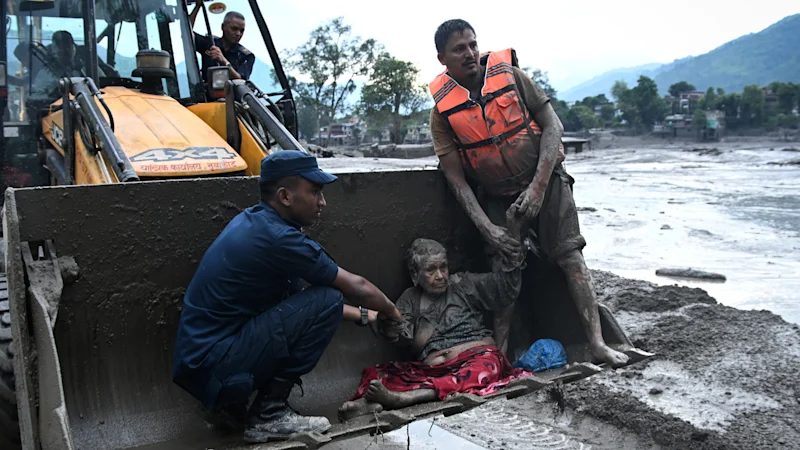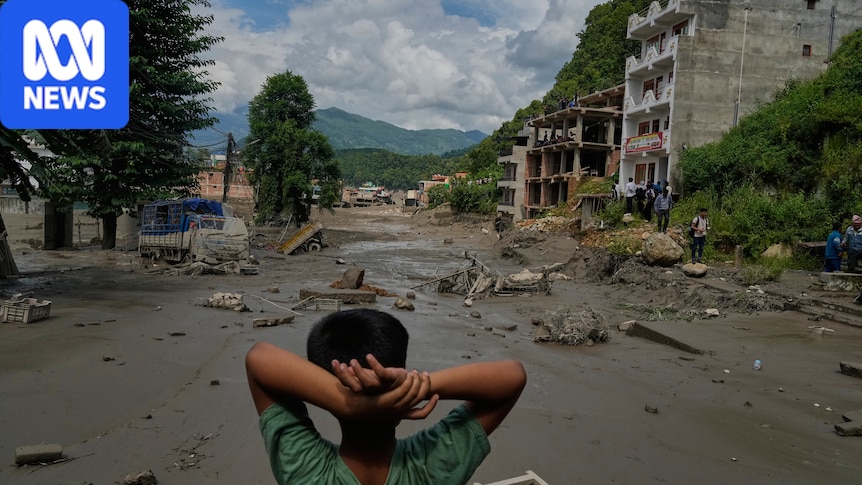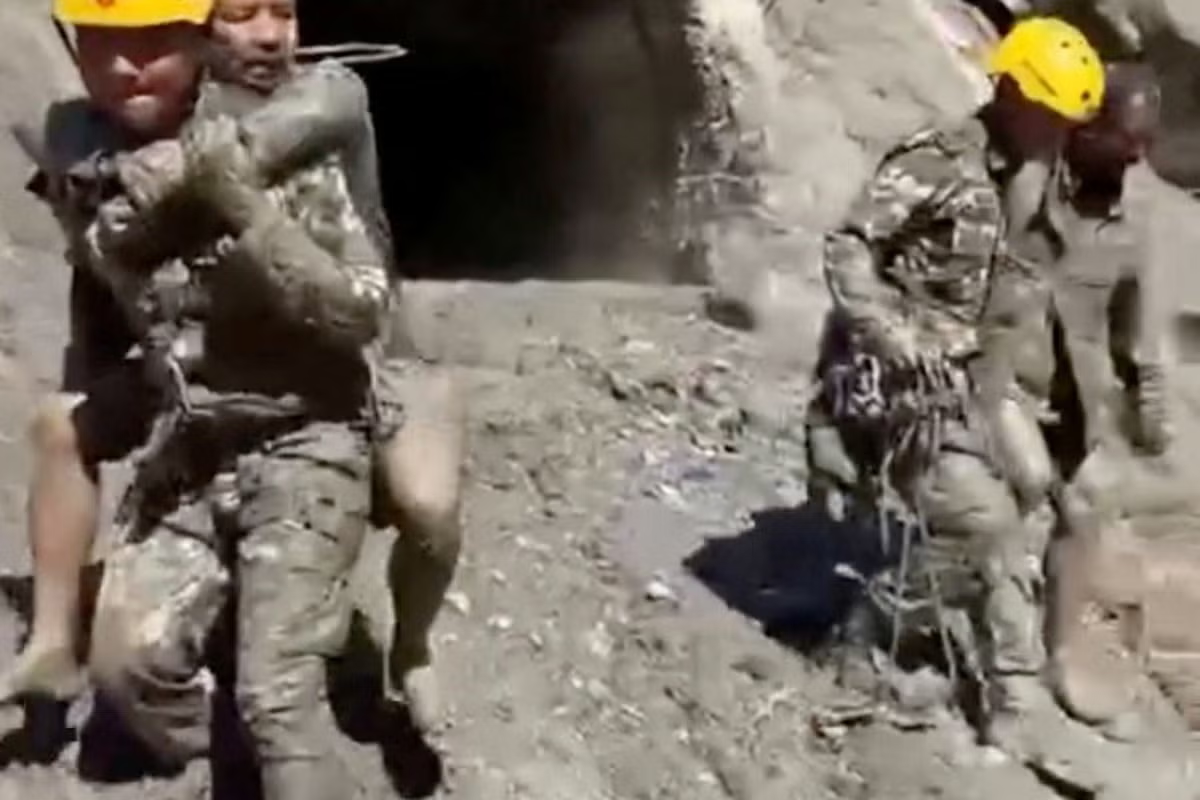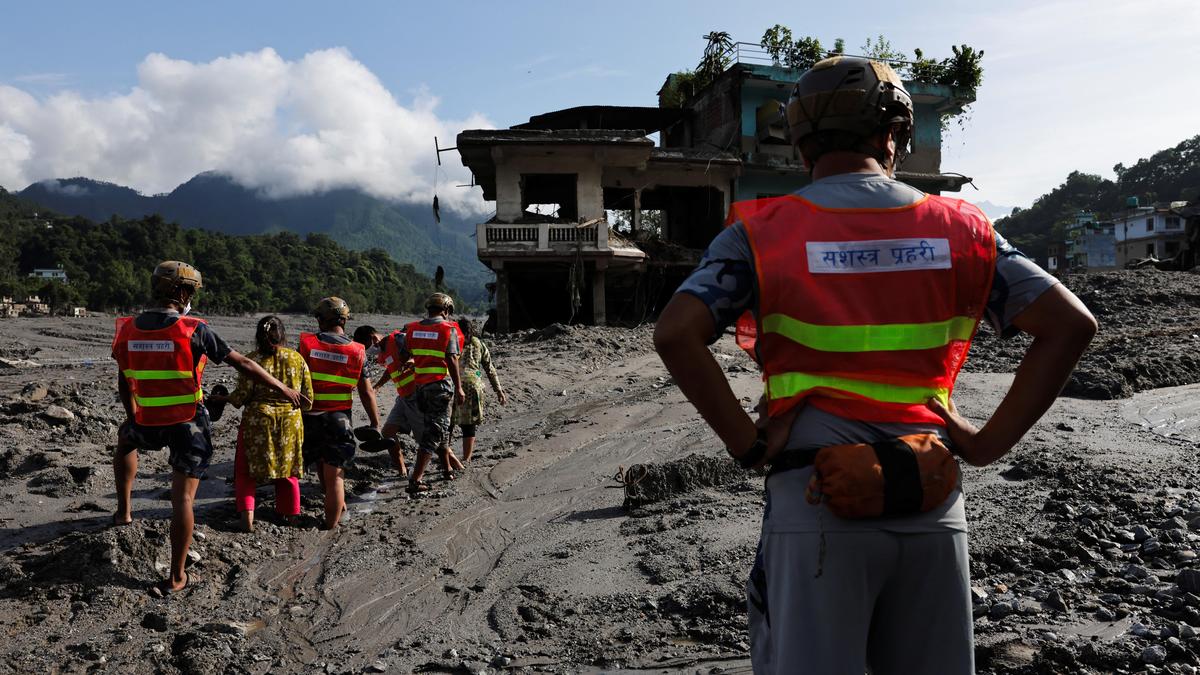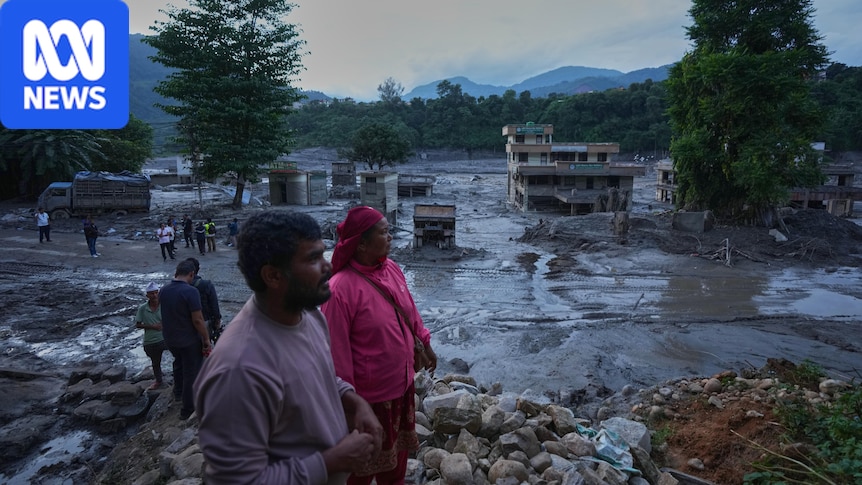
In briefThe death toll from flash floods and landslides in Nepal now stands at 469.DFAT has confirmed that 39 Australians remain among the missing.Nepali army helicopter rescue teams were working on Friday to rescue around 100 people trapped inside a tunnel at a hydropower project swamped by a devastating flood two days earlier."Our focus is in search and rescue of people ... some people are trapped in the tunnel of Trishuli 3A hydropower project," Nepal army spokesperson Raja Ram Basnet told the Agence France-Presse news agency."Two helicopters have been dispatched but it is challenging because it is tough to even locate the entry points of the tunnel. Relief efforts are also underway to provide the rescued people what they need."The prime minister's office said in a statement that the army had been working in tough conditions."A Nepali Army team has successfully rescued 350 workers and locals who were trapped in the tunnel a while ago facing extremely risky and challenging conditions amid adverse weather and rapid floodwaters," the statement read.News that makes senseYour trusted source for staying up-to-date with the world around you. Get free daily news updates and analysis, straight to your inbox."The army is still working to safely evacuate more than 100 people trapped in the same tunnel."It did not give further details about the nationalities of those rescued or trapped.The scale of destruction from devastating floods in Nepal's northern border region was becoming clearer on Friday, with roads, bridges and hydropower infrastructure destroyed and survivors describing scenes of extraordinary devastation.Thirty-nine Australians missingForeign Minister Penny Wong has confirmed that 39 Australians are among more than 1,000 people missing after the disaster, as the death toll rose to 469."Australian officials are working urgently to confirm their welfare and provide assistance to those affected," Wong said in a statement."The extraordinary scale of this disaster and the remoteness of the affected region mean immense challenges lie ahead for the response and recovery."The Australian government has said it will send a team with three humanitarian response specialists to Nepal within the next 48 hours. That team will help Australian staff already on the ground.The Department of Foreign Affairs and Trade will also deploy more personnel to support Australians affected by the disaster.Experts warned of the risk of further floods a day after the devastating tsunami-like wall of freezing water and mud wiped out towns under a torrent of sludge, engulfing homes, smashing bridges and dams, and sweeping vehicles away like toys.Many of the missing are foreign tourists, including trekkers in the Himalayan nation, as well as scores of Hindu pilgrims to Tibet's sacred snow-capped Mount Kailash. The US Geological Survey said the disaster was caused by a glacial collapse that triggered a vast flow of icy debris.Climate change is causing glaciers to melt worldwide, increasing the risks of glacial lake floods and glacial collapses.Emergency teams were racing to pluck survivors from affected zones, while Nepali soldiers used sniffer dogs to search for bodies buried under the suffocating dirt."It is a giant graveyard," Omkar Joshi, a 35-year-old Nepali customs agent rescued from a hilltop in the border town of Timure, told AFP. "All that is left are sand and pebbles, soaked red by human blood."Authorities have recovered 469 bodies so far, according to Reuters news agency.For the latest from SBS News, download our app and subscribe to our newsletter.
Nepal army races to save 100 people trapped in tunnel as flood death toll rises to 469
Many of the missing are foreign tourists, including trekkers in the Himalayan nation, as well as scores of pilgrims.
556 words~3 min read