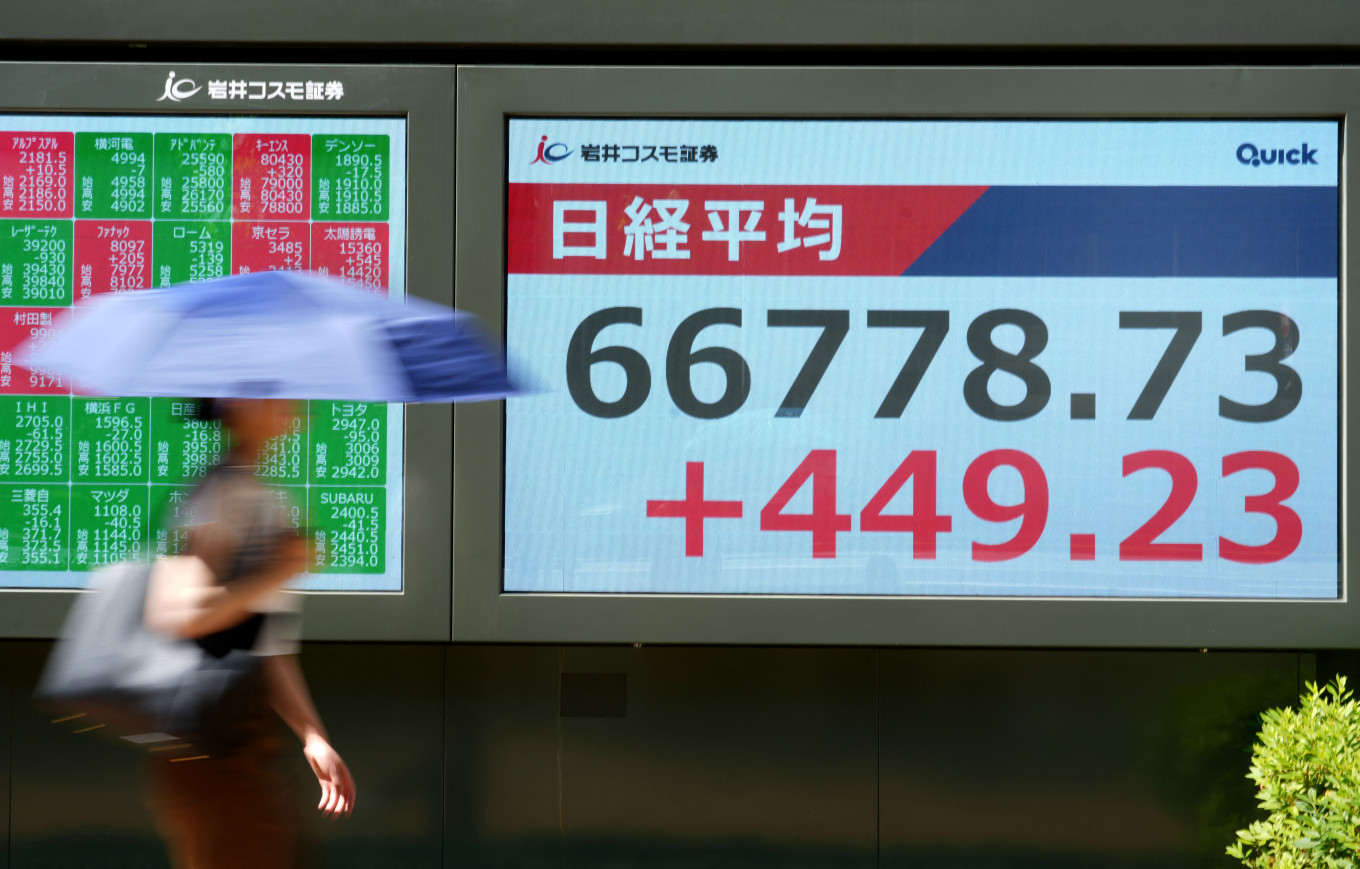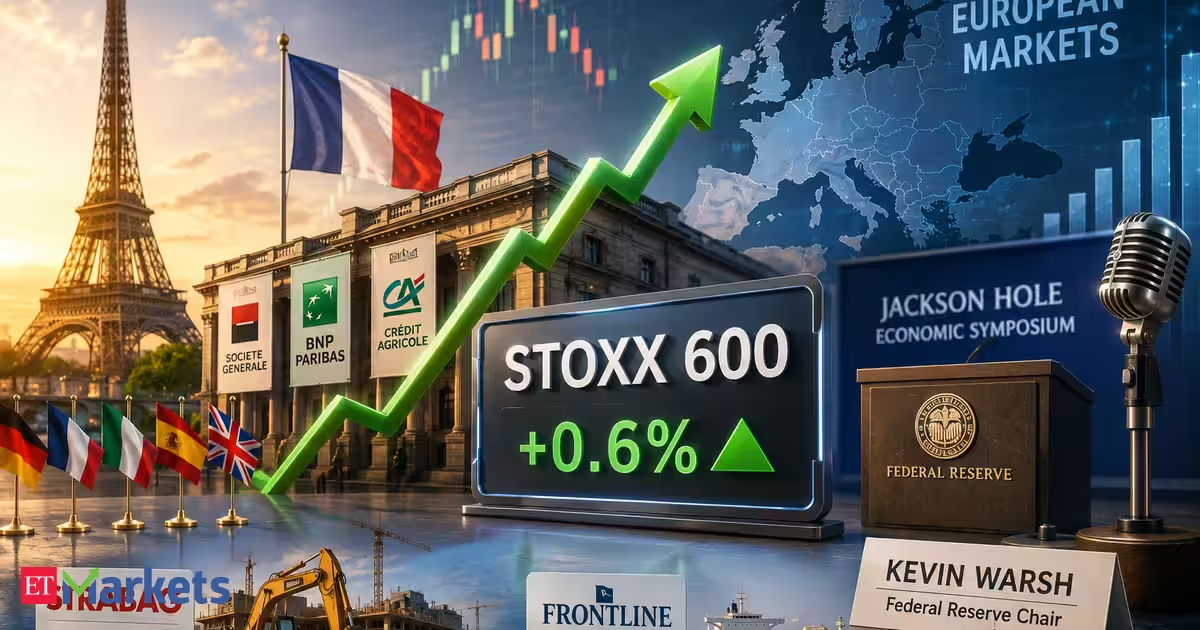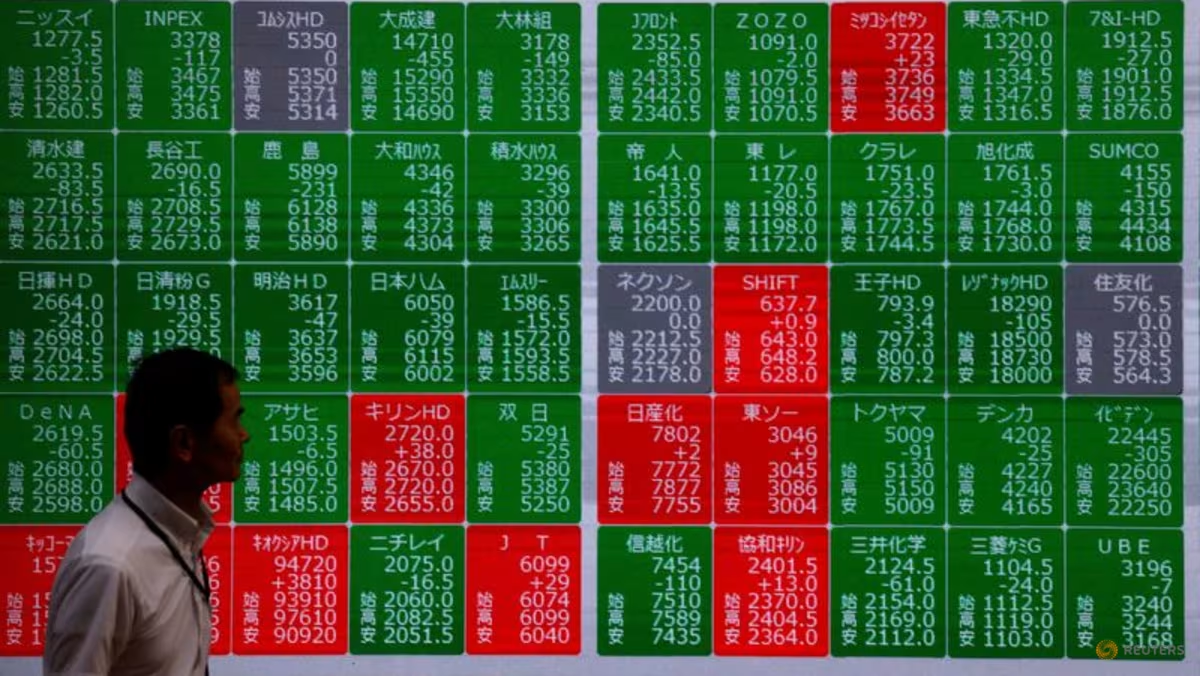
LONDON/SYDNEY, Aug 28 : Oil prices were heading for their first weekly fall in three weeks on Friday, helping lift global stocks as investors weighed developments in the Gulf and awaited potentially market-moving remarks from Federal Reserve Chair Kevin Warsh.Brent fell 0.6 per cent to $89.2 a barrel, near the middle of its trading range since mid June. [O/R] The benchmark was nevertheless on track to lose more than 5 per cent for the week, with attention focused on a possible deal between Iran and Oman on managing traffic through the Strait of Hormuz, though this would also require the U.S. to meet certain Iranian conditions. The drop in oil prices, combined with a rally in technology stocks after Nvidia's results on Wednesday, helped MSCI's all country world share index gain 0.5 per cent this week and move back towards the record high reached earlier in the month.
European shares rose 0.5 per cent on Friday, recovering from Thursday's losses and putting them on course for a small weekly gain. Asia-Pacific shares were also slightly higher. [.EU] WARSH IN FOCUSThe day's main event is still to come, however, with Warsh due to speak at the annual Jackson Hole Symposium. Three Fed officials have already warned about sticky inflation, but Warsh has so far resisted giving forward guidance on the path of interest rates."Jackson Hole is the focal point for global markets because investors are looking for clarity on the Fed’s reaction function rather than simply another hawkish or dovish soundbite," said Bruno Schneller, managing partner at Erlen Capital Management. "The question is what would actually move the needle for policy from here, particularly as the Fed balances inflation risks against the labour-market outlook." "That makes Warsh's message important not just for the next meeting, but for how markets think about the path of rates over the coming months," Schneller said. Futures imply about a 35 per cent chance of a Fed rate increase at its September 16 meeting and fully price in a hike by December. Warsh's first few months as chair have been challenging. Longer-dated Treasury yields have risen since the Fed's July meeting, which some investors attributed to a lack of concrete measures to tackle stubborn inflation.He is also presiding over a divided Fed, with several policymakers calling for higher rates to curb price pressures. At the same time, a surprise U.S. Treasury move last week to expand its buyback programme in an effort to lower yields has added another layer of complexity.On Friday, the 30-year Treasury yield edged up 1 basis point to 5.20 per cent, though it remained down 8 basis points for the week. It briefly topped 5.3 per cent last week for the first time since 2007. The 10-year yield was flat at 4.68 per cent and down 6 bps this week. Currency markets were subdued, with the dollar little changed against its main peers. One dollar bought 159.45 yen, while the euro traded at $1.1647 and sterling at $1.3585. [FRX/] The Australian dollar was among the best-performing G10 currencies after a stronger-than-expected inflation report this week prompted investors to sharply reprice the Reserve Bank of Australia's rate outlook. The Aussie hit a three-month high of $0.72 and was on track for a weekly gain of 0.4 per cent, its ninth straight weekly rise. In commodity markets, gold was marginally firmer on the day and the week at $4,561 an ounce.