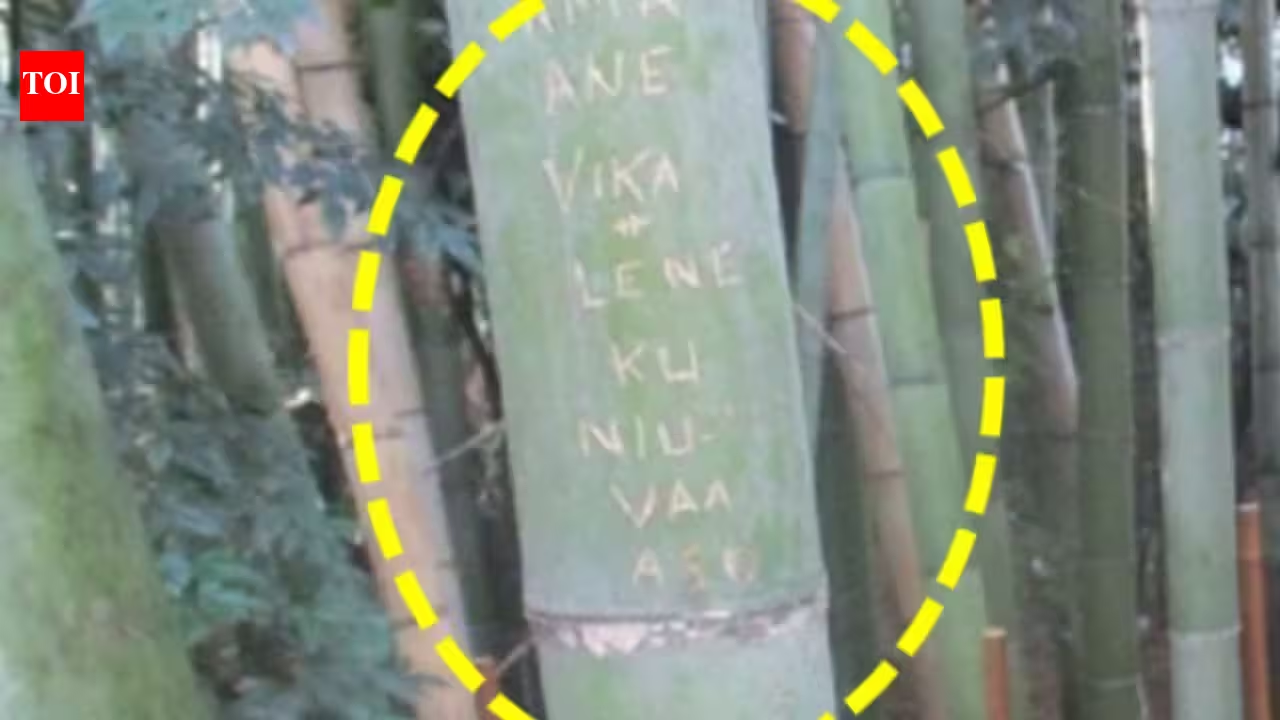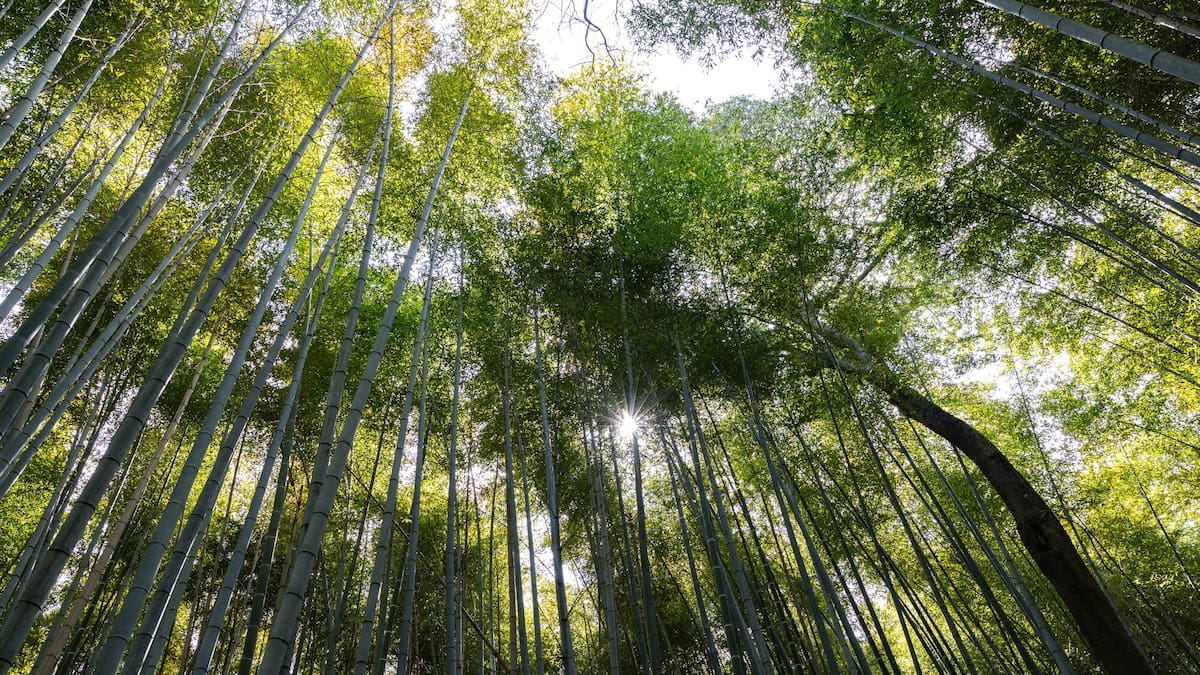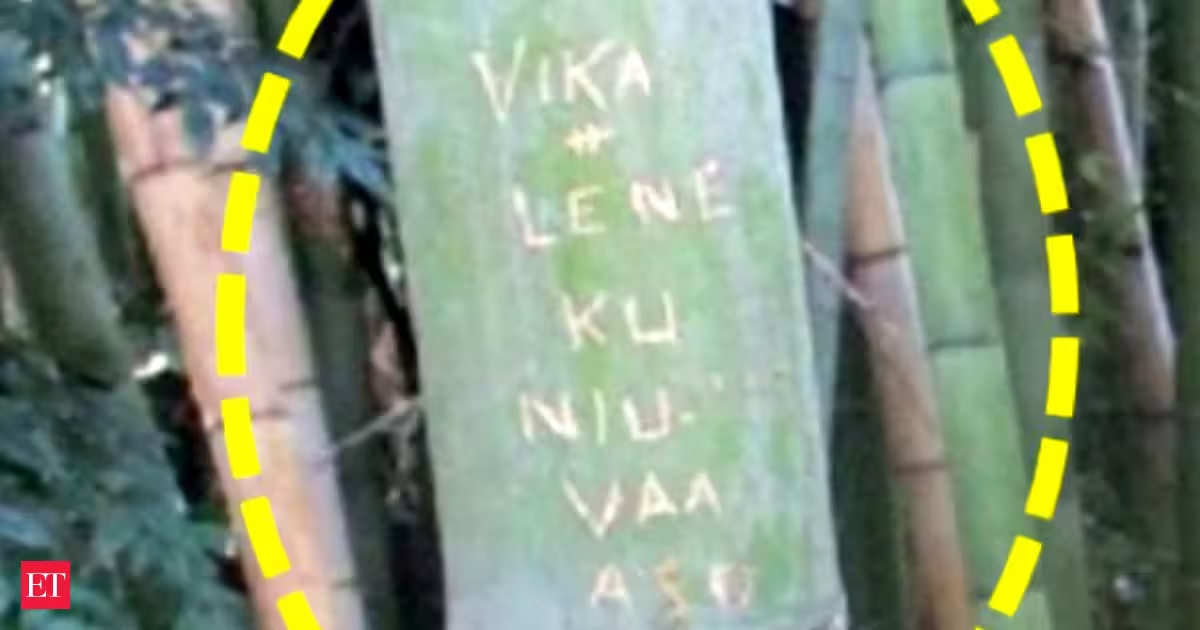
For years, tourists visiting Kyoto’s famous Arashiyama Bamboo Grove have left more than photographs behind. Some have carved names and messages directly into the bamboo stalks, and the damage has now pushed officials to physically change parts of the forest.A Kyoto city investigation found about 350 damaged bamboo plants along the popular walking path since spring 2025. During an inspection on November 17, officials found carvings on bamboo on both sides of the busy route, including names such as “Kate” written in English and “Yoshitaka” written in hiragana.The problem is that the damage does not simply disappear.According to the Kyoto Botanical Gardens, surface damage generally does not cause bamboo to wither or fall. But once someone cuts into a stalk, the mark remains on it. That has left officials with few ways to restore the bamboo to how it looked before.You Might Also Like:Kyoto is cutting bamboo to keep tourists awayRather than only adding more warnings, Kyoto officials have begun creating a physical barrier between visitors and the bamboo.The city planned a trial cut of about 30 square metres of bamboo on its land along the path. The work includes some damaged plants, but officials are also cutting healthy bamboo to create enough space between the walking route and the remaining grove.According to Kyodo, as reported by Alo Japan, the city and a local organisation cut about 20 bamboo plants along both sides of a roughly 30-metre section of the path. Only four of the plants removed had graffiti.The aim was therefore not simply to remove damaged bamboo. Officials wanted to push the plants further from the path so visitors could not easily touch the stalks and carve into them.The city will assess the effect of the trial on the scenery before deciding whether it needs to remove more bamboo.The problem returned with touristsThe damage became less noticeable during the Covid-19 pandemic when visitor numbers dropped. But as tourism returned to Kyoto, local groups began noticing more carvings on the bamboo.Kyoto city owns about 2.3 hectares of land along the path, where roughly 7,000 bamboo plants grow. The large number of damaged stalks has raised concerns because the grove is one of the area's best-known sights.A 34-year-old company employee from Kasugai in Aichi prefecture, who visited the grove with a friend, expressed disappointment after seeing the carvings.“There’s graffiti everywhere, ruining the scenery,” she said, according to the report.Kyoto has faced the problem before. In 2018, the city installed fences after around 100 bamboo plants suffered similar damage.Signs and tape have also failed to solve itOfficials and local organisations have tried to discourage visitors from carving the bamboo in other ways.Warning posters now appear on fences around the path and on about 50 rickshaws. The notices use Japanese, English, Chinese and Korean to reach tourists from different countries.Local groups have also used green masking tape to cover some of the carved sections of bamboo.But the continuing damage has now led the city to focus on preventing physical access rather than simply asking people not to do it.Misao Hashimoto, chief of the Kyoto city government's scenic preservation division, said the bamboo should be viewed as something belonging to the wider community.“The bamboo forest is a shared property of the citizens,” Hashimoto said, adding that it was “extremely regrettable” that the landscape had been deliberately damaged despite efforts by the local community to preserve Arashiyama.Why the grove is being protected so carefullyThe Saga-Arashiyama area has long been known for its landscape and has featured in Japanese tanka poetry. It also falls within a specially protected area under Japan's law concerning the preservation of traditional scenic beauty in ancient capitals.That makes the bamboo more than just another tourist attraction. The forest forms part of a wider historic landscape that authorities and local residents have worked to preserve.For now, Kyoto is taking a relatively unusual approach to the vandalism. Instead of trying to repair every damaged stalk or relying entirely on signs, officials are changing the layout of the grove itself.By cutting bamboo along sections of the path and creating more distance, the city hopes tourists will no longer be able to reach the stalks easily enough to carve their names into them.
For years, tourists carved names, messages on bamboo stalks at Kyoto’s Arashiyama grove. Years later, about 350 damaged plants near the path have been cut and moved away to protect the forest
Tourists have damaged hundreds of bamboo stalks at Kyotos famous Arashiyama grove by carving names and messages into them. After finding about 350 affected plants, officials have begun cutting bamboo near the busy path and creating more distance between visitors and the forest to prevent further damage.
698 words~3 min read