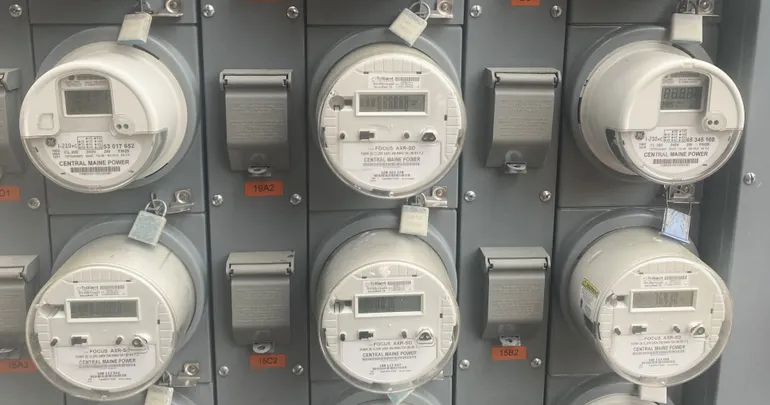
There were relatively high expectations ahead of the publication of the revised electricity pricing policy. Partly because the Minister had flagged it as a key document, but mostly because tariff hikes of more than 900% since 2007 have created broad-based affordability pressures, in some cases existential ones.
The policy is important for setting the framework for long-term sustainability, but on the affordability front many of its remedies are palliative; balms that come in the form of subsidies, with the policy defining who should be eligible and whether the consumer or the taxpayer pays.
As with the prevailing policy, the latest draft reaffirms that poor households should receive support, and offers a proposal for doing so through a reform of the existing free basic electricity (FBE) monthly allowance of 50 kWh.
The FBE policy has been in place since the early 2000s, but its impact has been muted, because municipalities have been unable to maintain credible indigent-household registers. The R21-billion budgeted yearly is, thus, bypassing millions of intended beneficiaries and used by municipalities as supplementary income.
The draft policy proposes increasing the size of the monthly allowance to between 200 kWh and 300 kWh but insists that this can be delivered within the existing budgetary envelope – an ambition that revolves around the perceived administration efficiencies that will flow from the centralisation of the indigent register and by deploying microgrids rather than extending the grid to under-served areas.