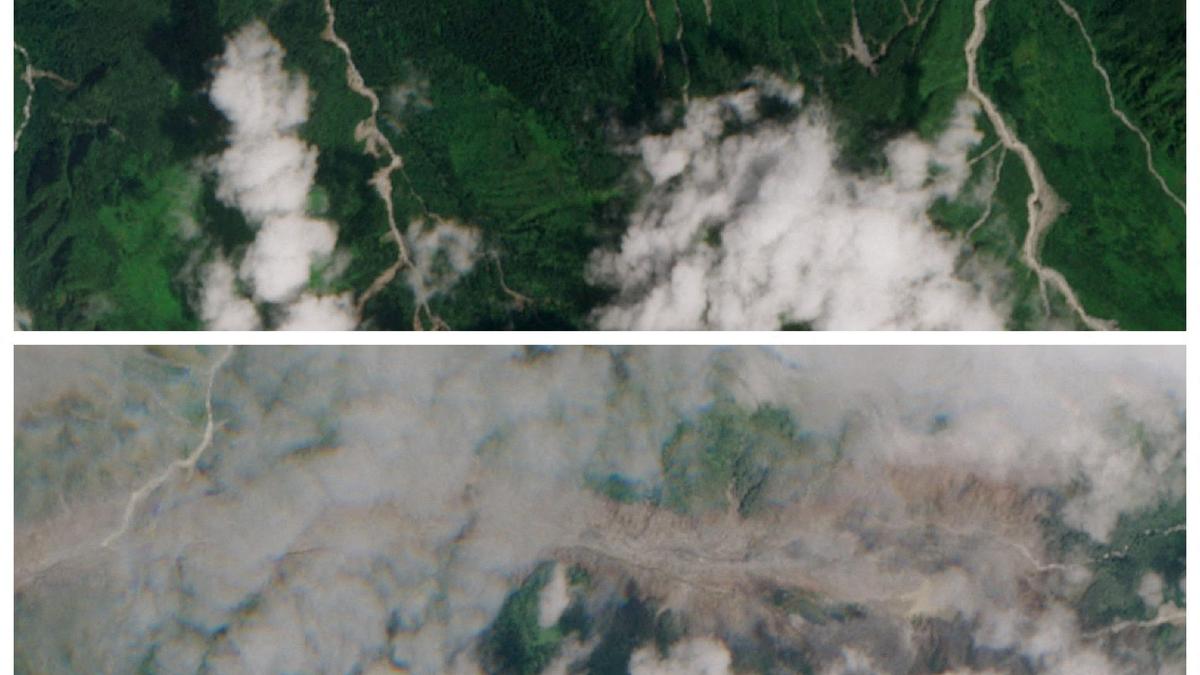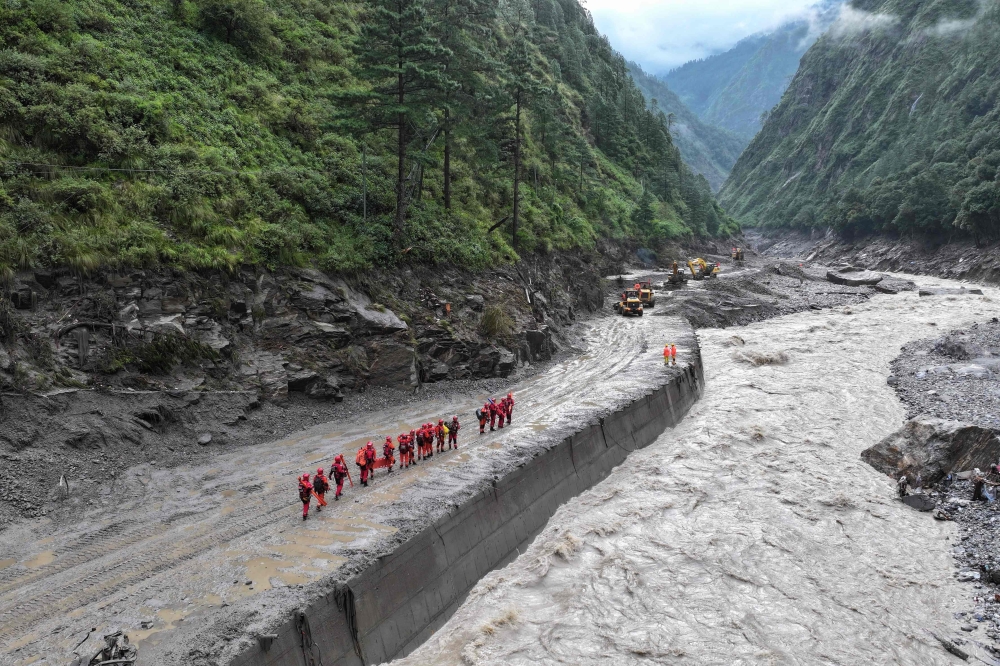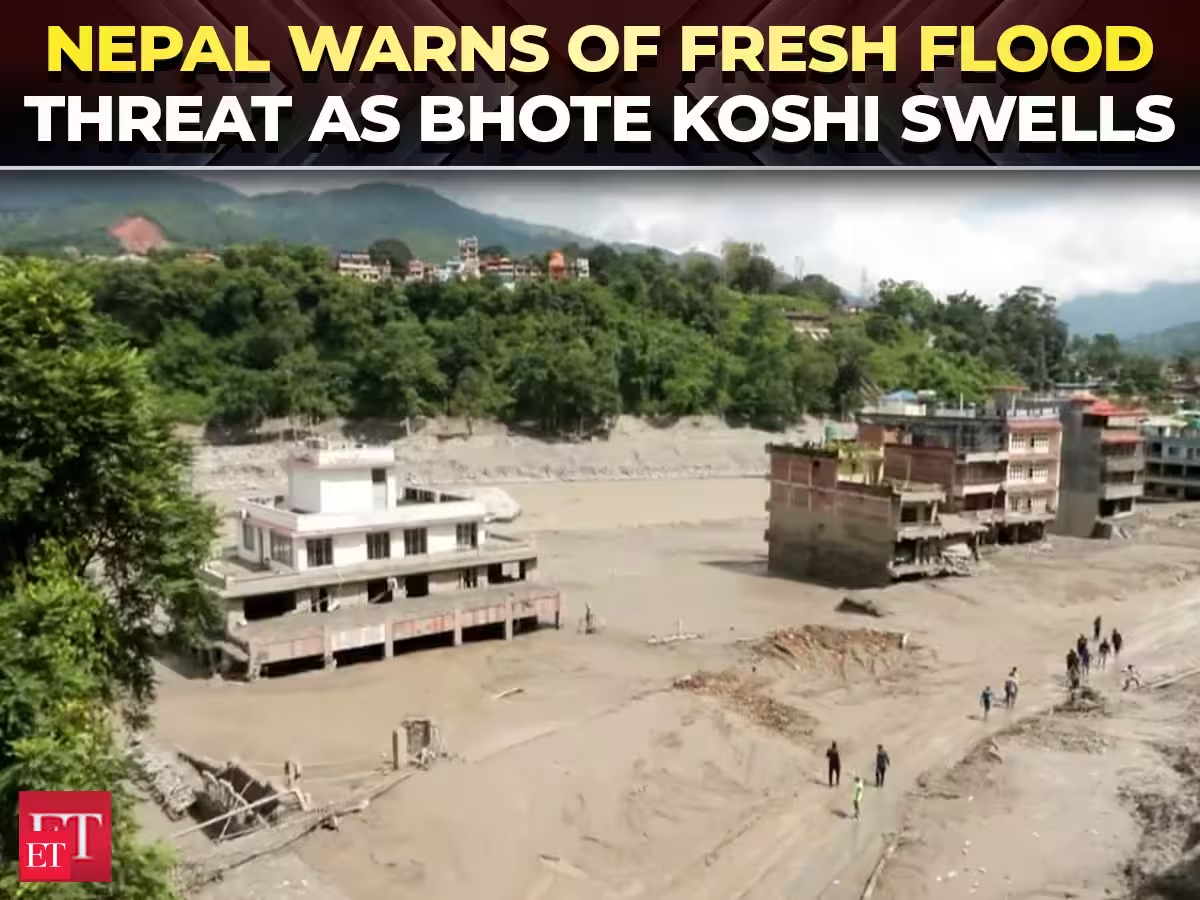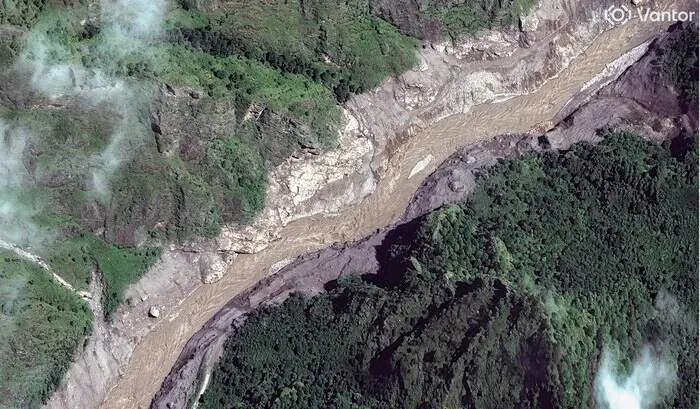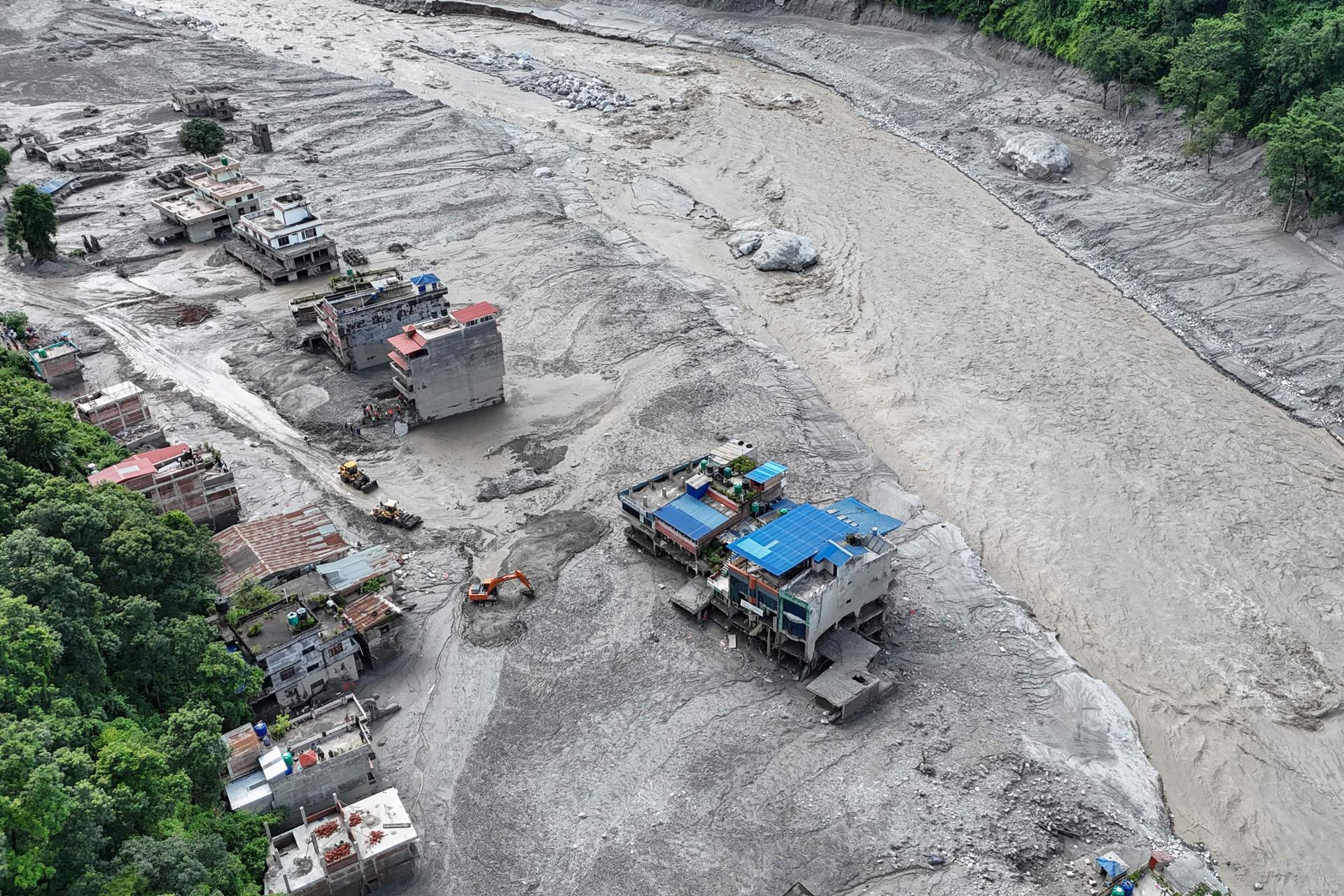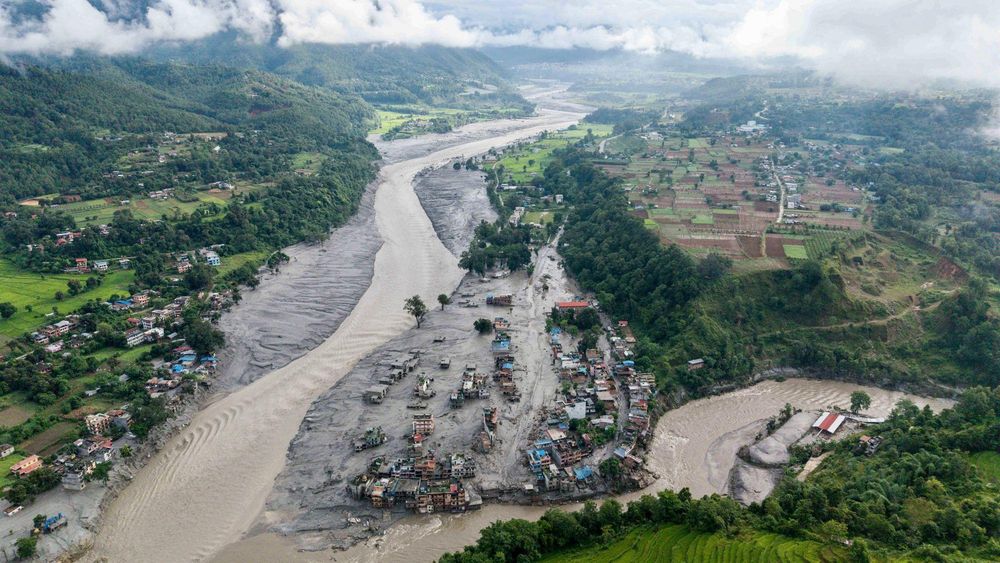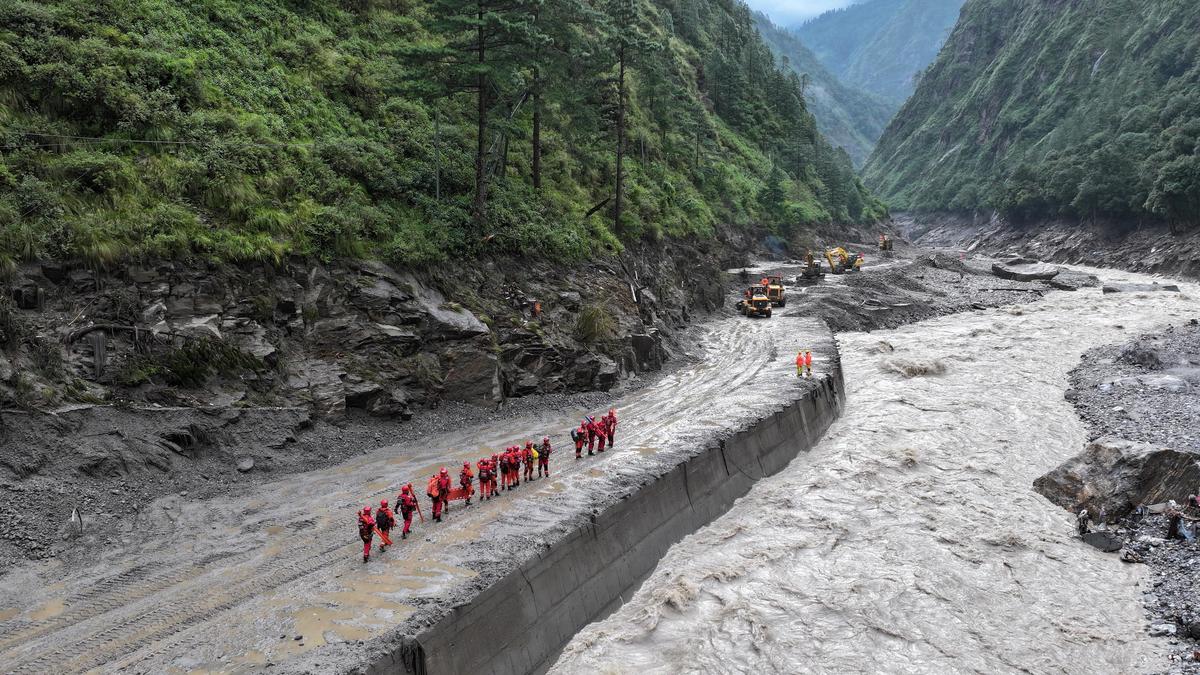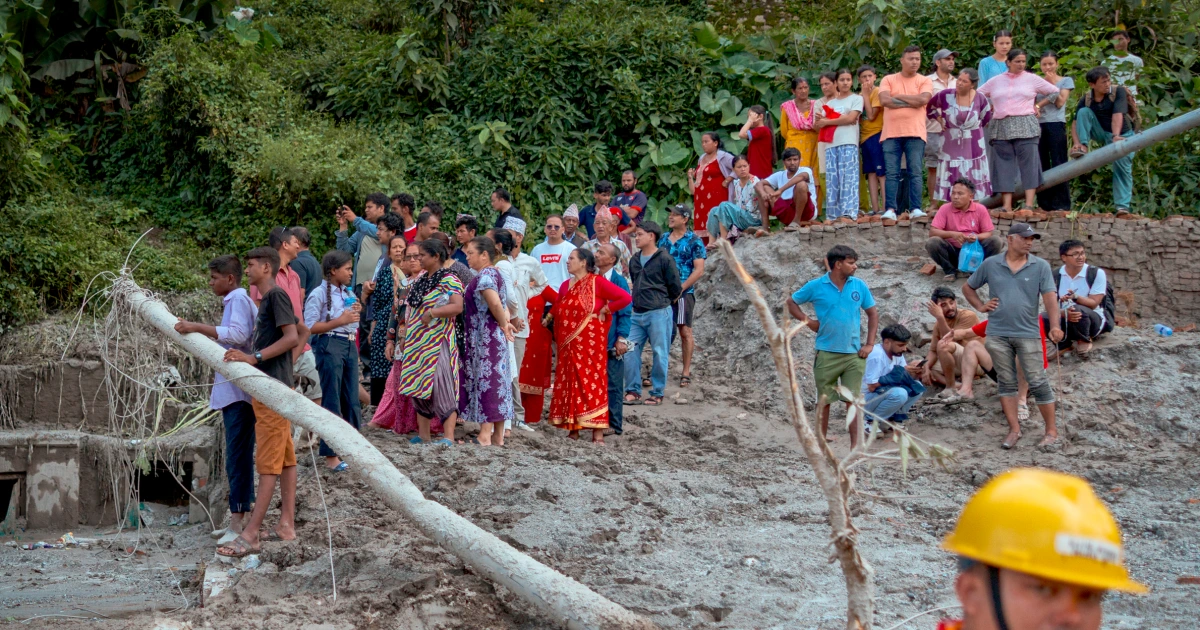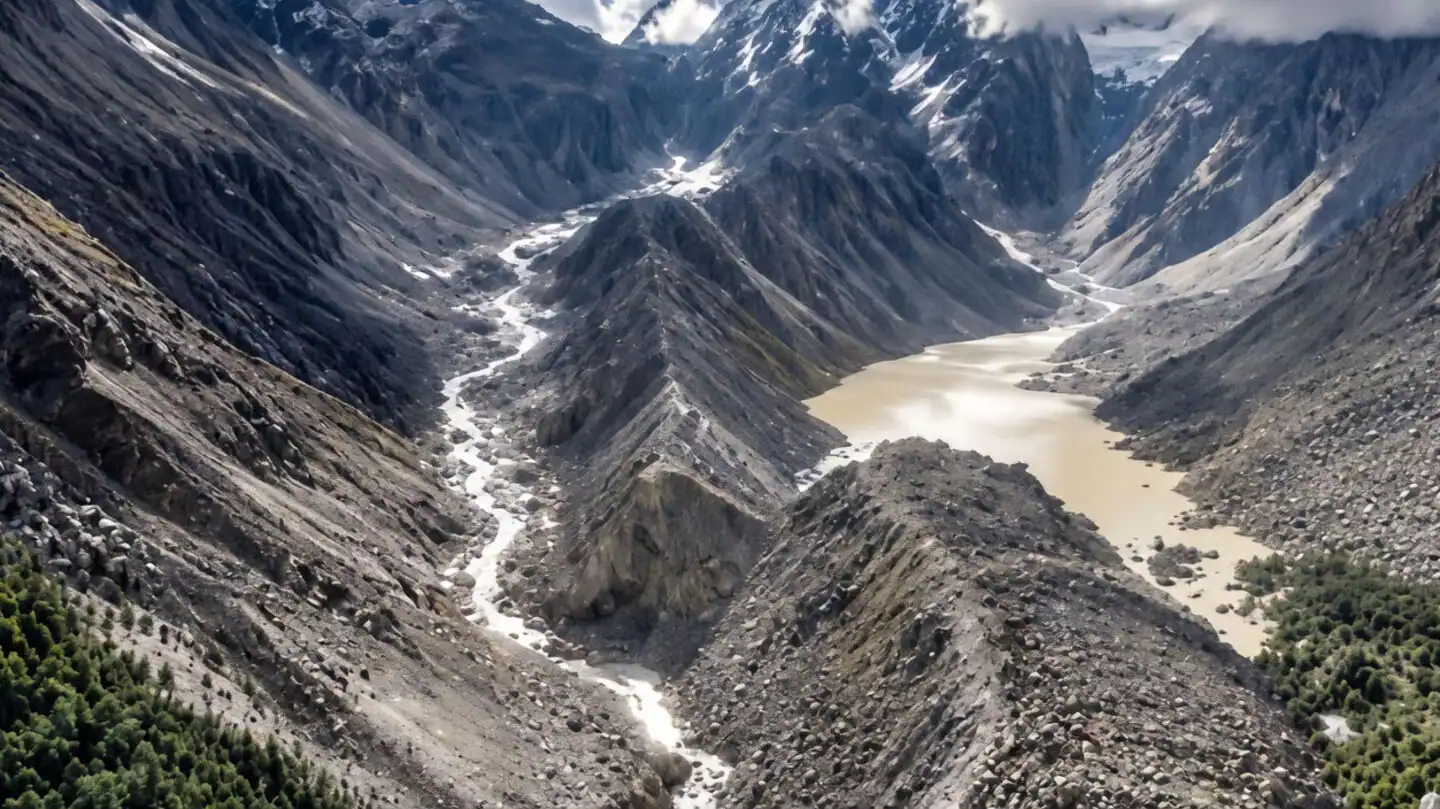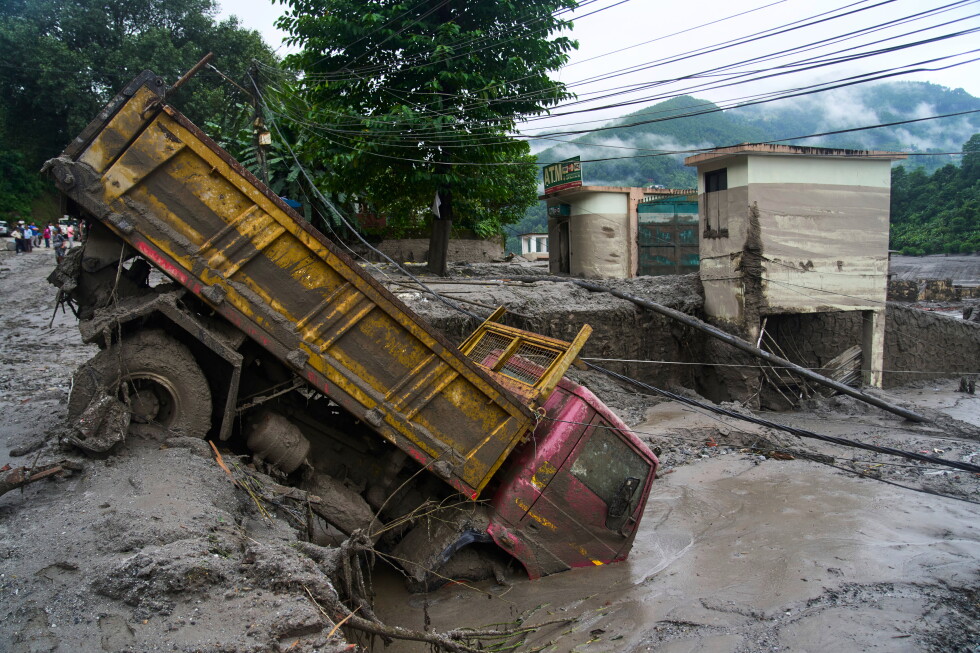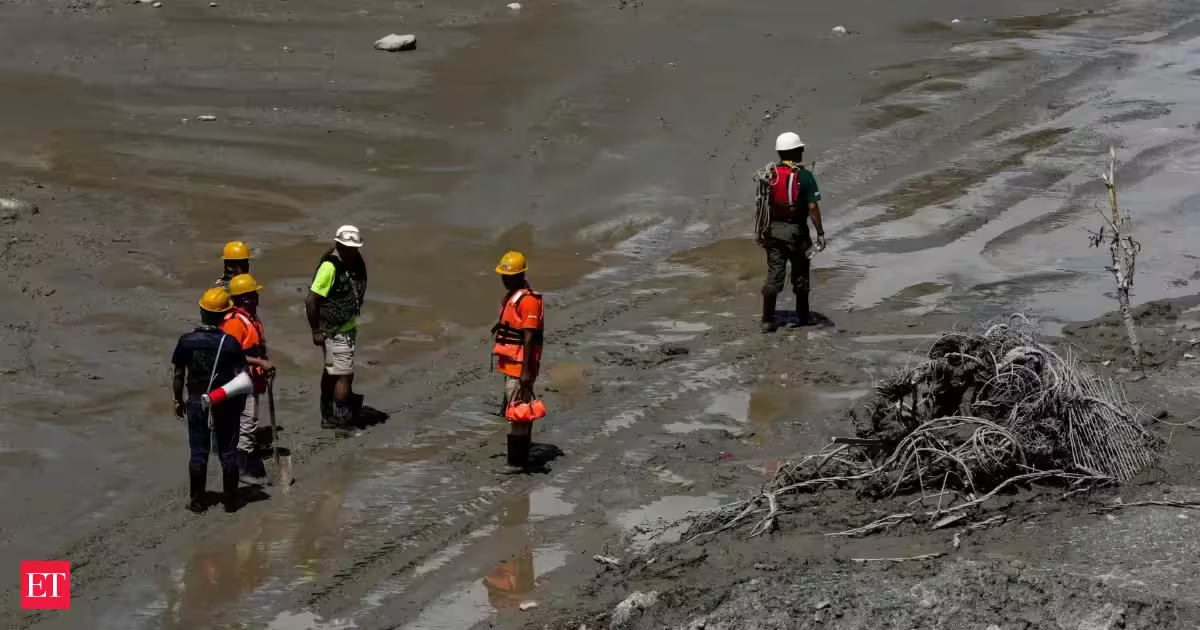
Nepal authorities on Friday issued a fresh flood warning after water levels rose at the site of this week's deadly flash flood, prompting officials to urge residents, rescuers and security personnel to move to safer locations.The National Disaster Risk Reduction and Management Authority said the rising water, mixed with mud, had increased the risk of another flood in the area.“The water level mixed with mud has increased at the same place where the flash flood occurred on Wednesday, and there is a risk of more flooding in the area,” the authority said in a notice.Also Read: Nepal flood rebuilding may cost $5 billion, says billionaire Binod ChaudharyThe warning covers areas around the Bhote Koshi and Trishuli rivers, where search and rescue operations are under way following Wednesday's disaster, which killed hundreds and damaged settlements, roads, bridges and hydropower infrastructure.Nepal Police separately issued an alert after receiving information that a water dam on the Tibetan side had burst again.“Information has been received that the water dam on the Tibetan side has burst again,” Nepal Police said in a post on X, urging security personnel, rescue workers and the public to remain alert and move to safe locations.The fresh warning follows concerns over a barrier lake that formed near the Nepal-China border. Nepal's Department of Hydrology and Meteorology had warned on Thursday that the lake posed a renewed flood risk downstream of the Bhote Koshi River.Chinese authorities told Nepal that about 2 million cubic metres of water had accumulated in the lake, with another 3 million cubic metres potentially flowing into it over three days, raising fears of a breach.Also Read: What we know and don't know about the Nepal tragedyThe lake formed near the confluence of the Chhochen Khola and Purepu Tsangpo rivers, which originate in Tibet before flowing into Nepal as part of the Bhote Koshi river system.This adds to the challenges facing rescue teams, who are still searching for people missing after the earlier flash flood while monitoring the risk of another surge.
Nepal issues new flood warning after dam breach in Tibet
Nepal authorities issued a fresh flood warning after water levels rose significantly. Rising water mixed with mud increased the risk of another dangerous flood event. A water dam on the Tibetan side reportedly burst again, raising further concerns. Rescue teams continue searching for missing people while monitoring the new flood risk. The warning covers areas around the Bhote Koshi and Trishuli rivers.
334 words~2 min read