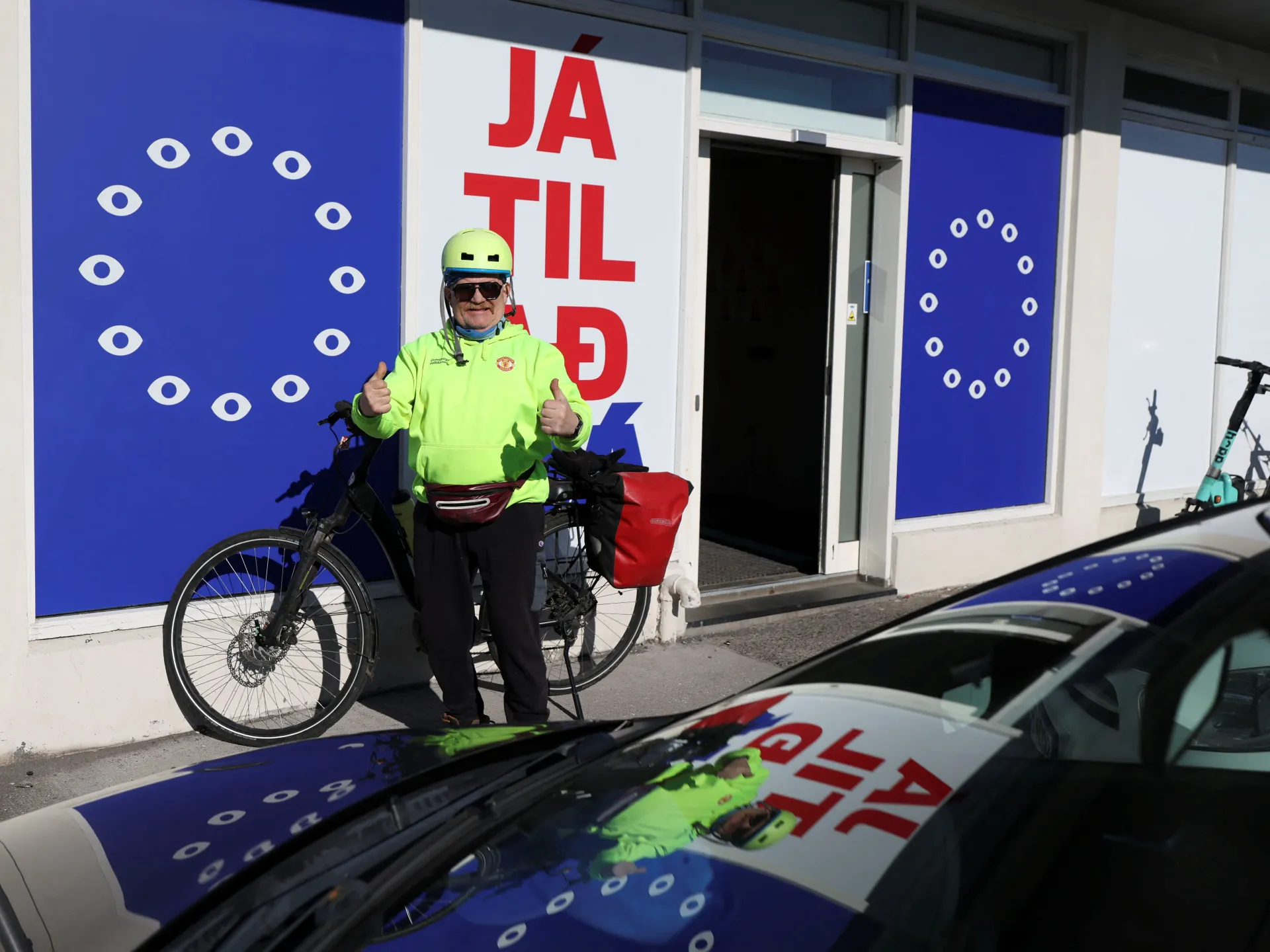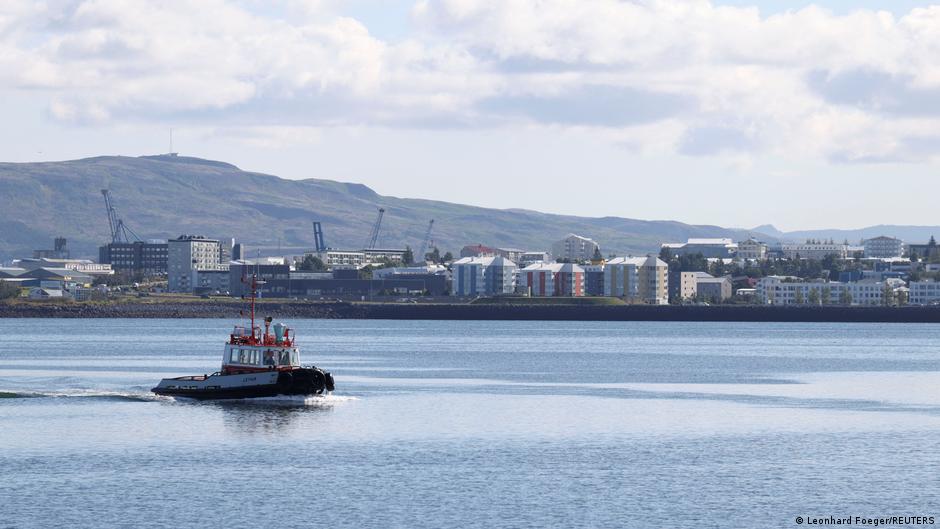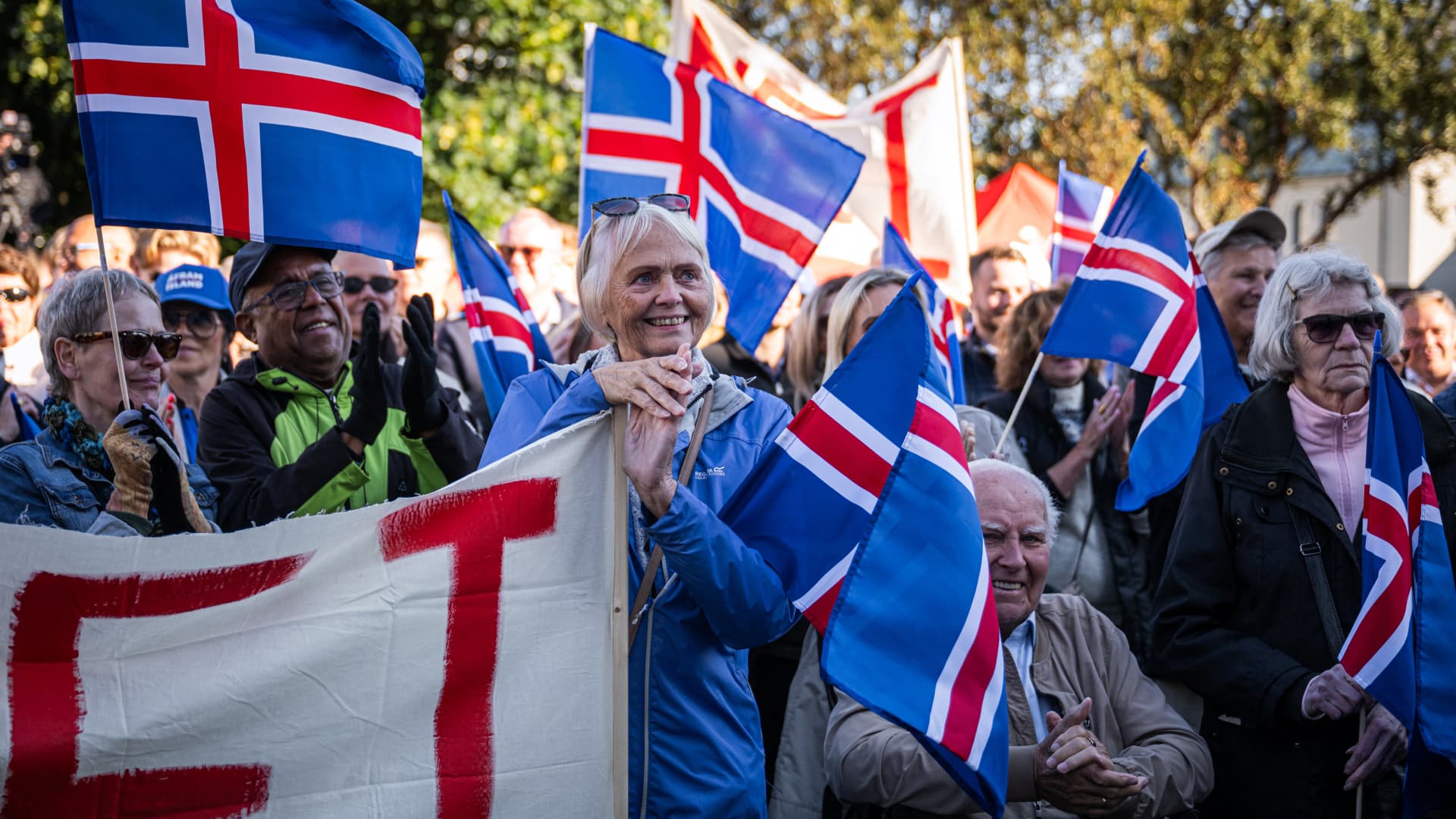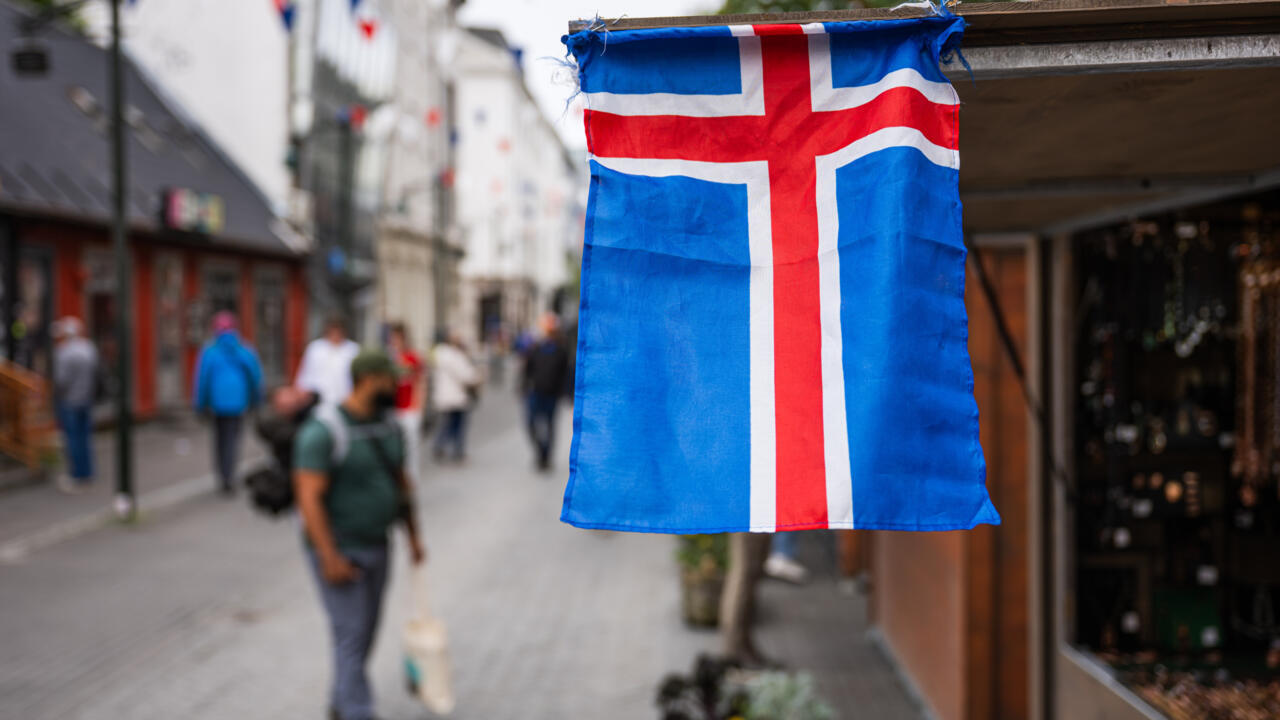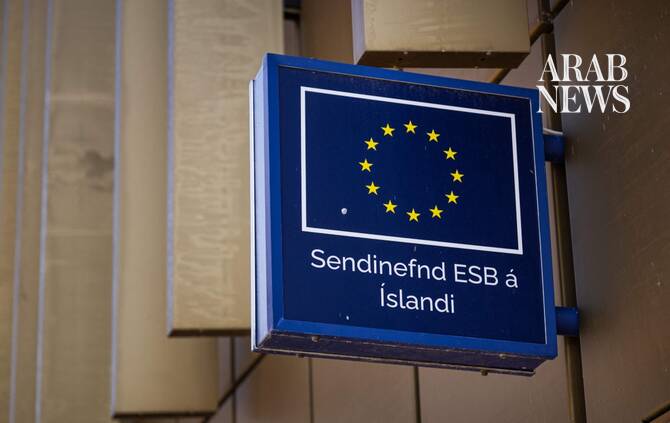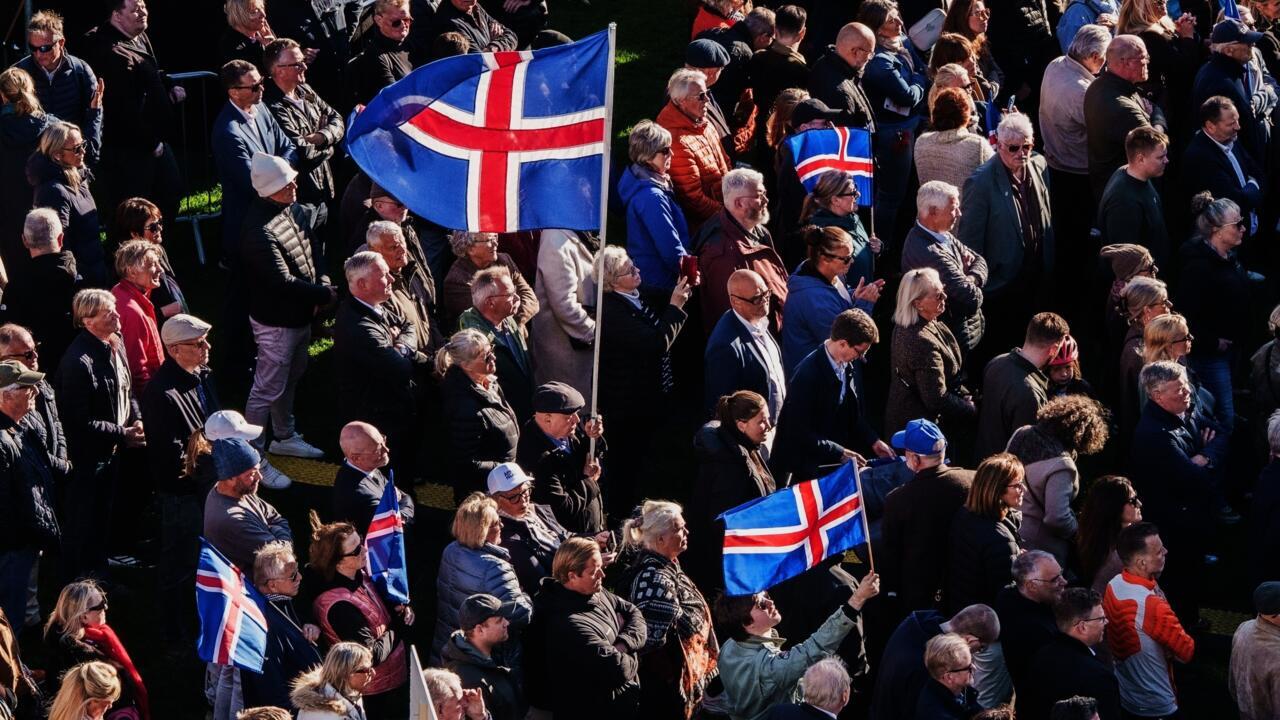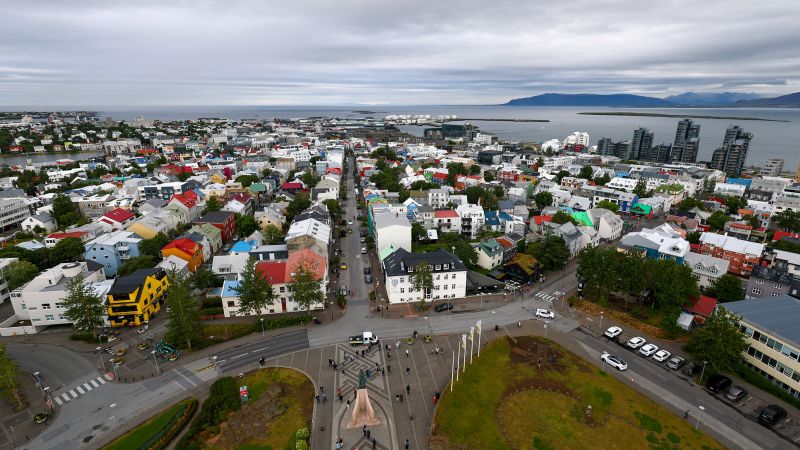
Iceland’s freezing temperatures typically last about five months of the year, but the government has chosen a balmy summer day for its pivotal national referendum. On Saturday, residents of the Nordic island are voting on another un-thawing of sorts – whether to restart long-frozen talks to join the European Union.
Iceland initially applied to join the EU in 2009, following the financial crisis that devastated many families and businesses in the country of only 400,000 people. But a few years into the process, an incoming center-right government abruptly put those EU ambitions on ice, arguing they could lead to a loss of control over Iceland’s territorial fishing waters and sovereignty.
More than a decade later, the current center-left coalition government campaigned on the idea of holding a referendum about restarting EU talks “no later than 2027,” as well as pursuing a foreign policy of closer cooperation with the EU, other Nordic countries and NATO.
While the referendum debate has almost entirely centered on the economy – for example, the potential impact of joining the Eurozone and changing fishing policy – the vote is not happening in a vacuum.
Since last year, US President Donald Trump’s aggressive moves toward Greenland have brought discussions of Arctic security to the forefront in Europe and beyond. Iceland, which has a robust coast guard but no army or defense ministry of its own, finds itself in an interesting position in a world of great power coercion.