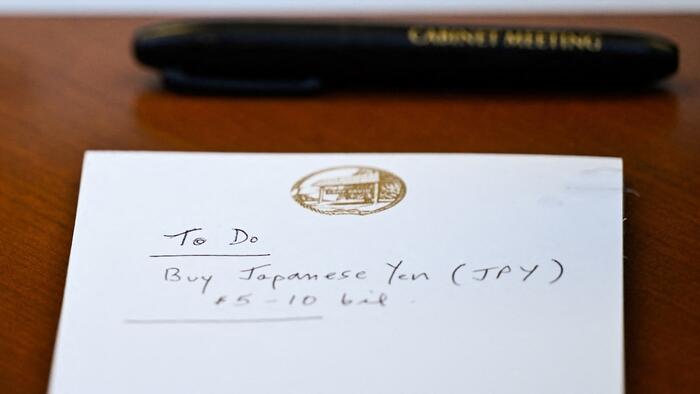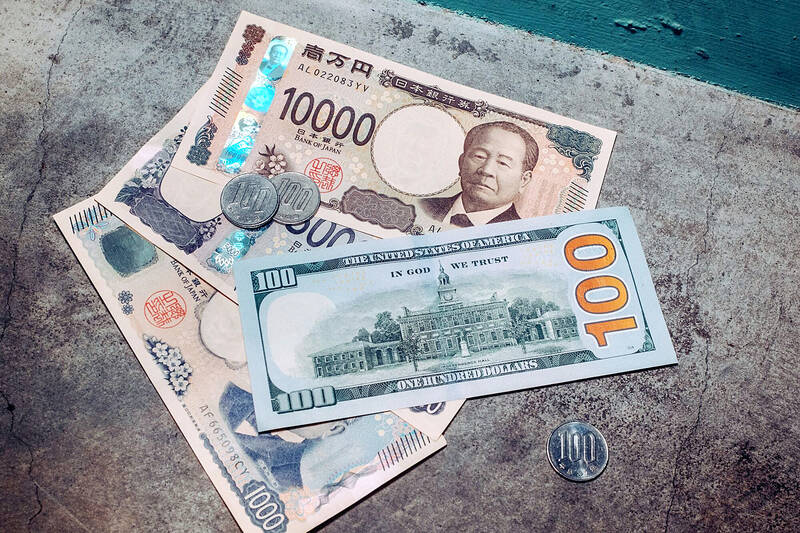
Japan’s Finance Minister Satsuki Katayama will attend next week’s G20 finance leaders meeting in Asheville, North Carolina, as attention remains focused on the Japanese yen and the government’s efforts to deal with its recent weakness.Her participation comes at a closely watched time for Japan’s financial markets, with investors assessing how authorities will respond if pressure on the currency continues.The meeting will give Japan an opportunity to discuss its economic outlook and currency concerns with other major economies. Katayama’s visit comes after Japan and the United States joined forces last month to support the yen through currency intervention. Investors are now watching to see whether Katayama will meet U.S. Treasury Secretary Scott Bessent during the G20 meeting, especially as the yen has come under renewed pressure since the intervention.Key Highlights Japan Finance Minister Satsuki Katayama to attend G20 finance meeting Yen weakness keeps currency intervention and exchange rates in focus Japan and US officials may discuss currency policy and Bank of Japan ratesYen Weakness Remains a Major ConcernThe yen weakness has made it difficult for Japan to maintain the gains achieved after the intervention. The currency had fallen to around 164 yen to the dollar last month, its weakest level in about four decades, before strengthening to around 155.20 following the coordinated action by Japan and the United States.The improvement did not last for long. The yen later moved back towards the 160-per-dollar level and was trading at around 155.41 per dollar on Friday. The renewed weakness has kept currency markets focused on Japan and raised questions about whether Tokyo may consider further action if the yen comes under greater pressure.Katayama has said the joint statement she issued with Bessent remains strong. Her comments suggest that Japan continues to see excessive currency movements as a concern, although she has not indicated whether another intervention is being considered.A weak yen has both positive and negative effects on Japan’s economy. It can benefit exporters by increasing the value of overseas earnings when converted into yen. But it also makes imported goods, energy and raw materials more expensive, increasing costs for businesses and households.Japan Looks to Economic Growth for SupportKatayama has also pointed to economic growth as an important part of Japan’s response. Rather than depending only on currency intervention, the government wants to encourage investment and strengthen the country’s economic competitiveness, which could help improve confidence in the yen over time.Bank of Japan Governor Kazuo Ueda is also expected to attend the G20 meeting, although his participation has not yet been formally confirmed. Bessent has previously said he looked forward to meeting Ueda in Asheville, making the gathering potentially important for discussions about Bank of Japan policy as well.Markets will be paying close attention to any comments from Japanese and U.S. officials about exchange rates, interest rates and the global economy. Investors will also be looking for signs of how closely the two countries plan to coordinate their approach to currency markets.Also Read: InspeCity Raises $10.5M to Advance Satellite Servicing TechnologyFor Japan, the challenge is to support the yen without hurting economic growth. While intervention can provide short-term relief, policymakers also need to address the wider factors affecting the currency. The G20 meeting could give investors a clearer picture of Japan’s currency policy and how Tokyo plans to manage the yen in the months ahead.
Japan Finance Minister Heads to G20 as Yen Weakness Takes Centre Stage
Japan Finance Minister Satsuki Katayama heads to the G20 as yen weakness, currency intervention and Japan-US exchange-rate policy remain in focus.
552 words~3 min read