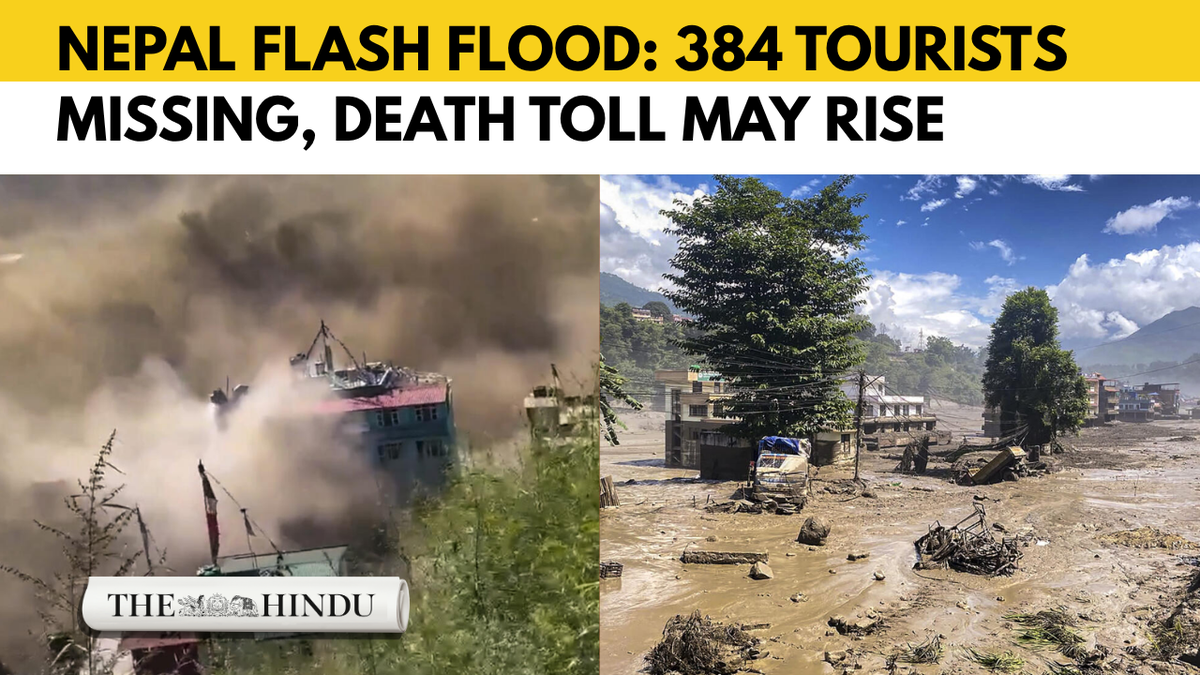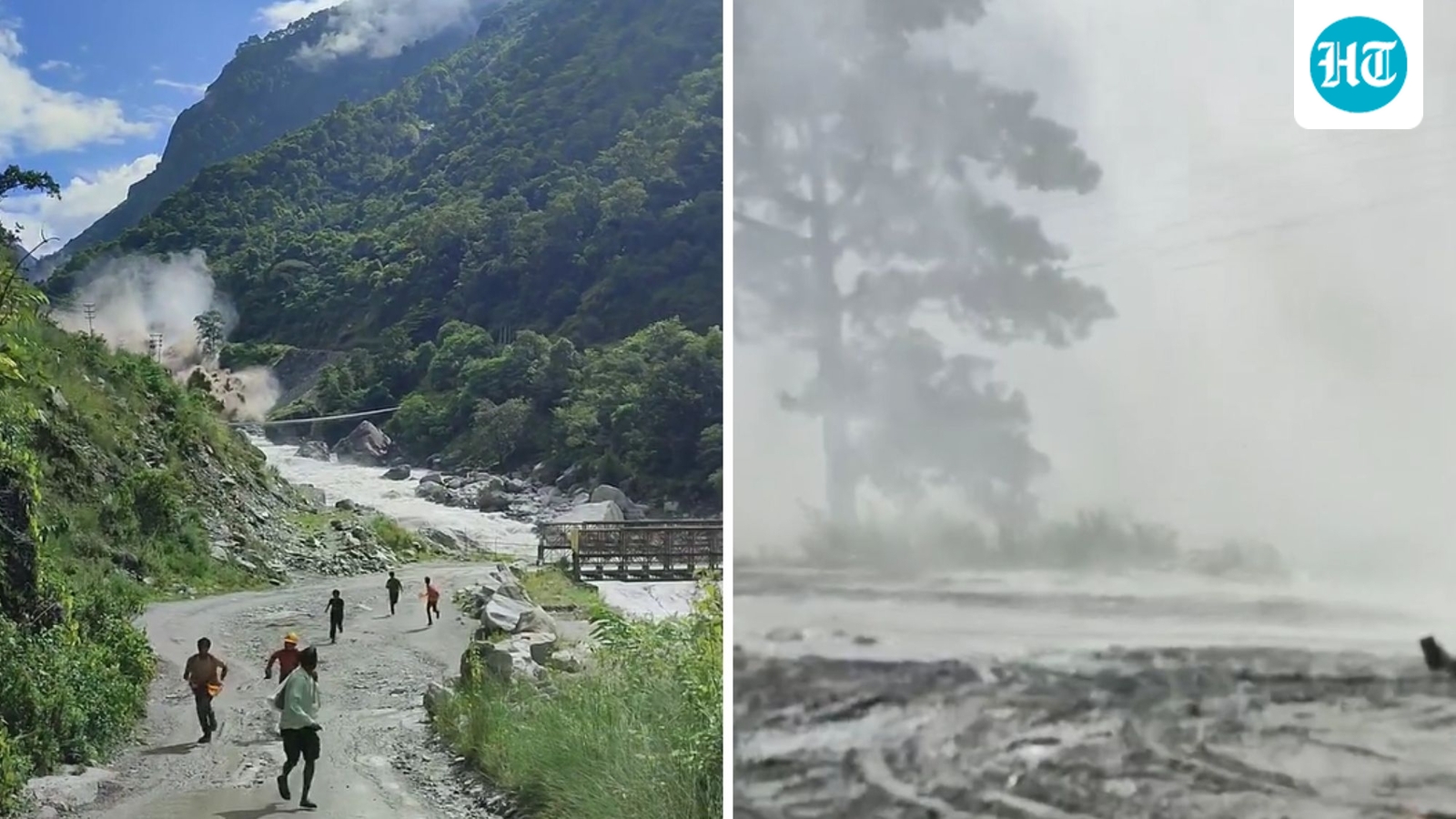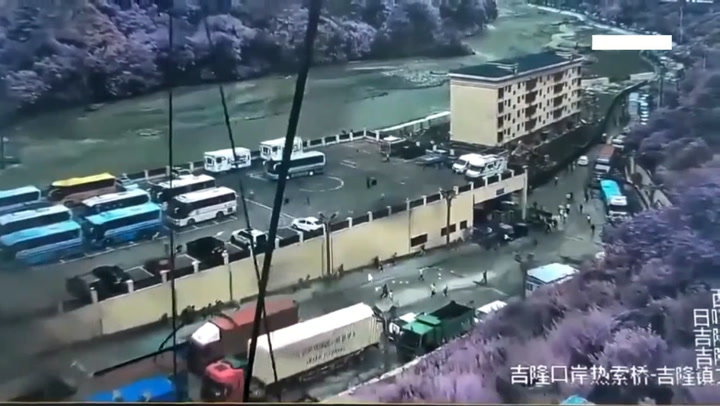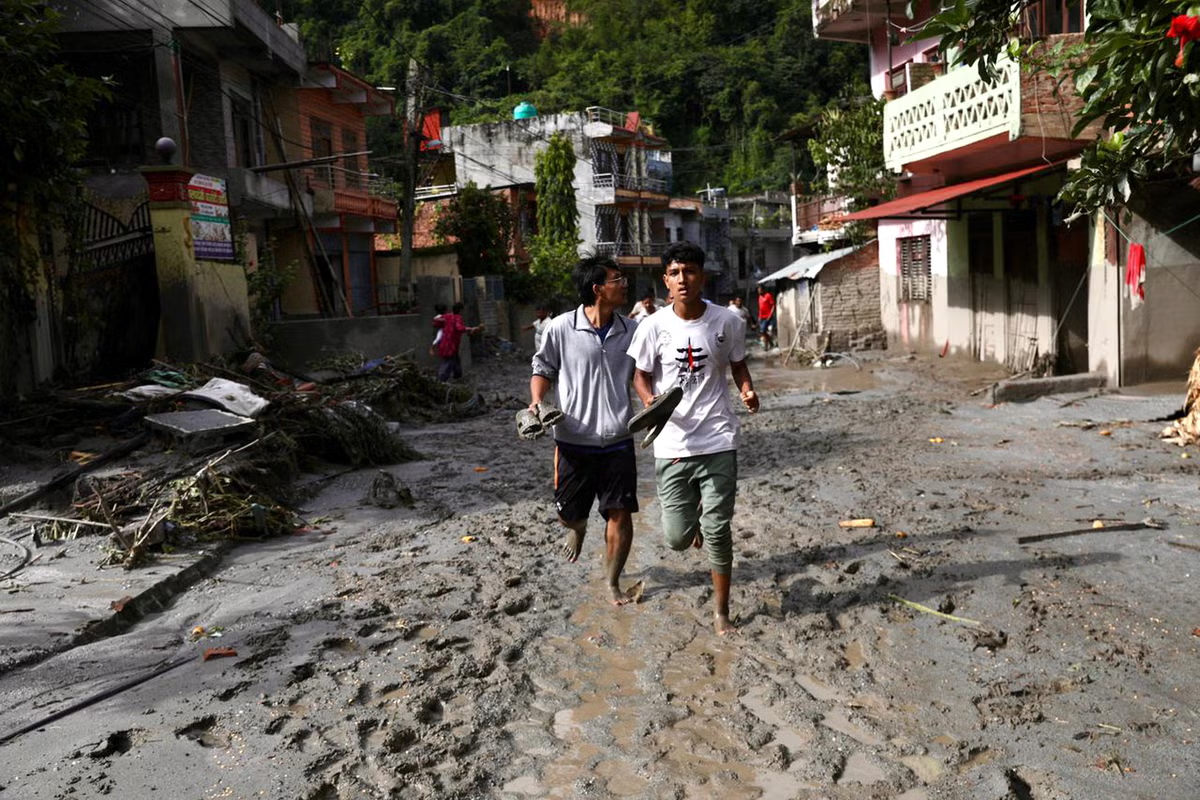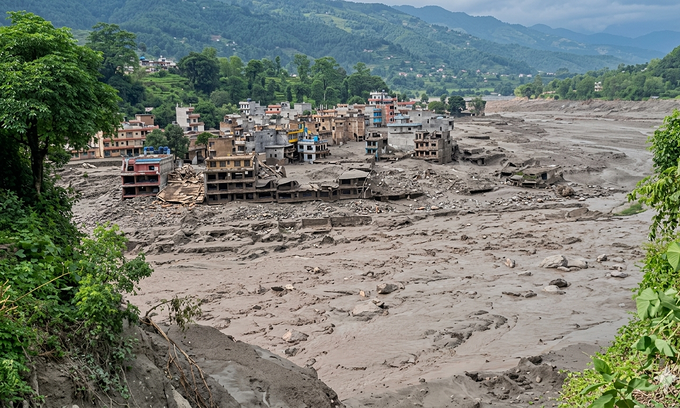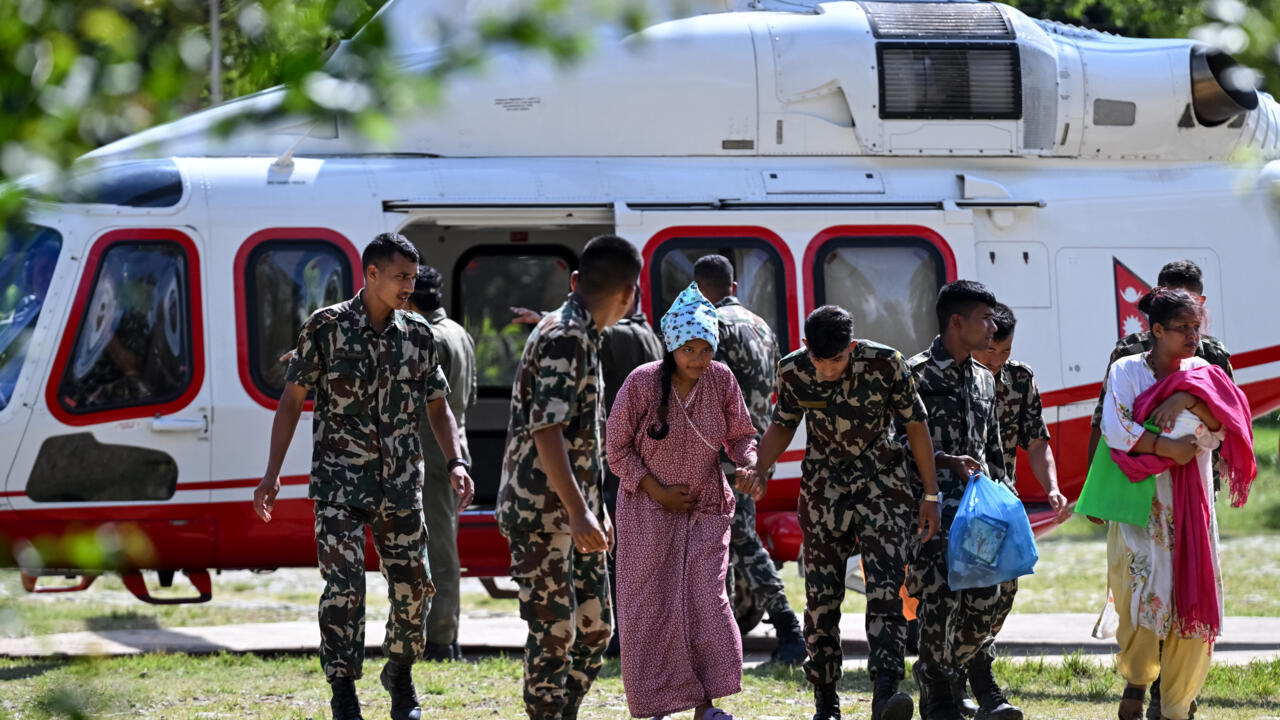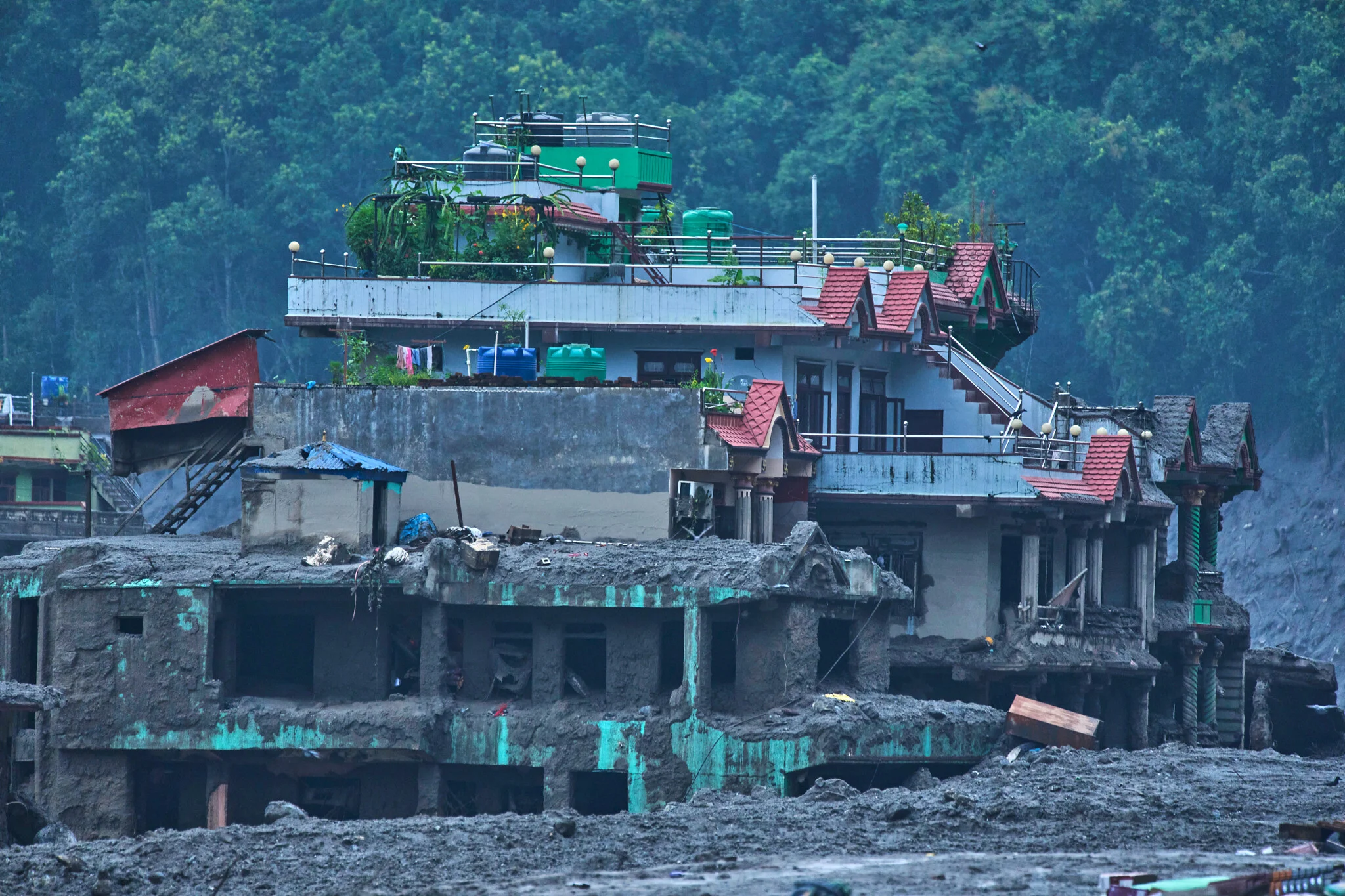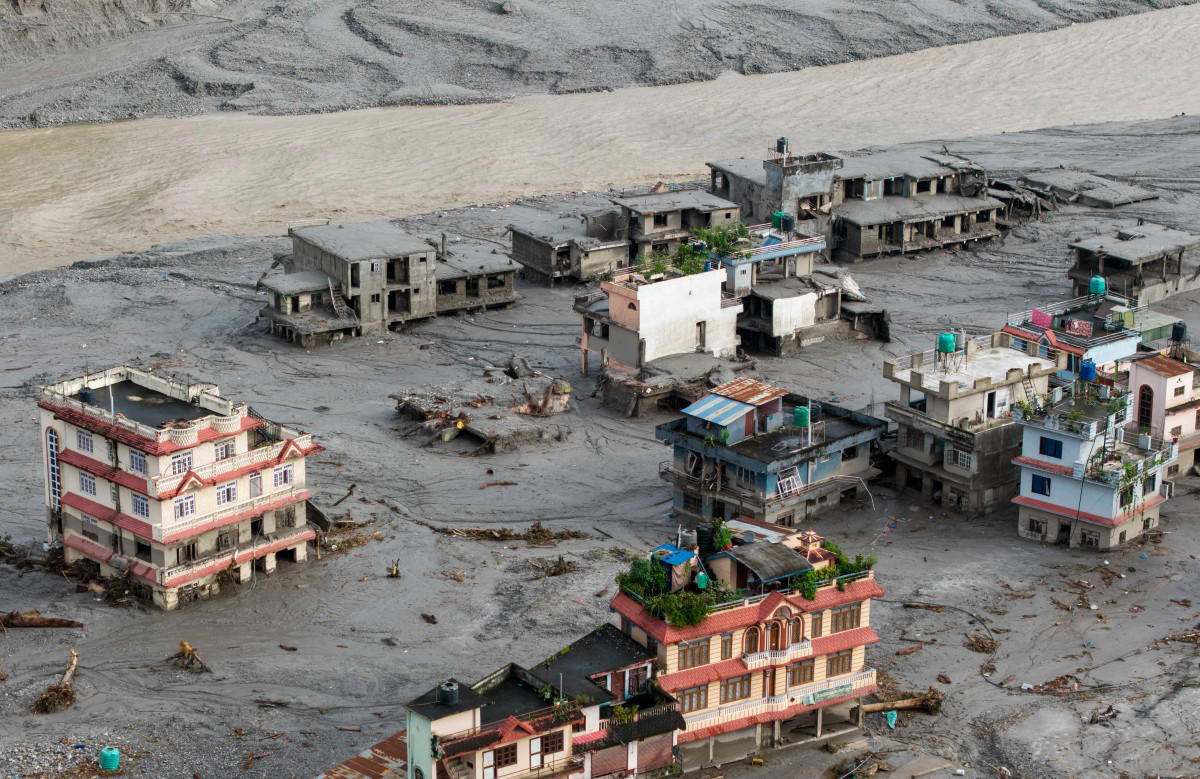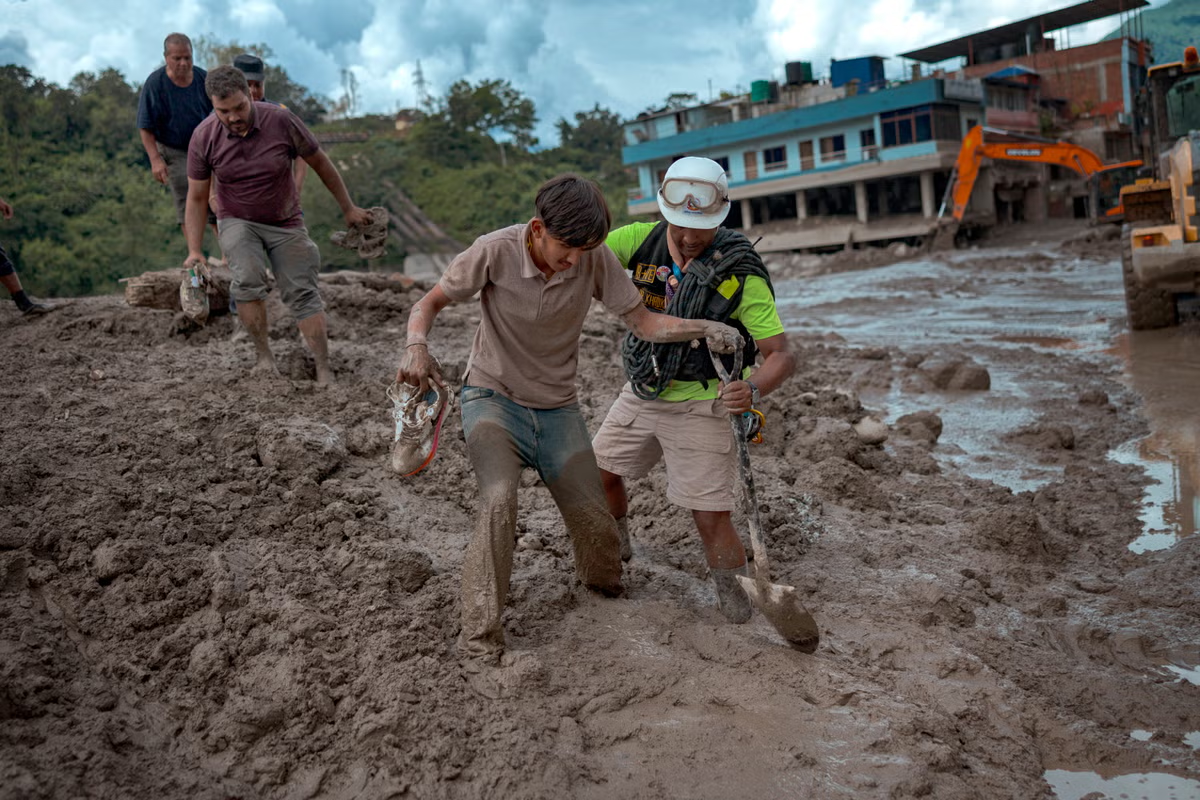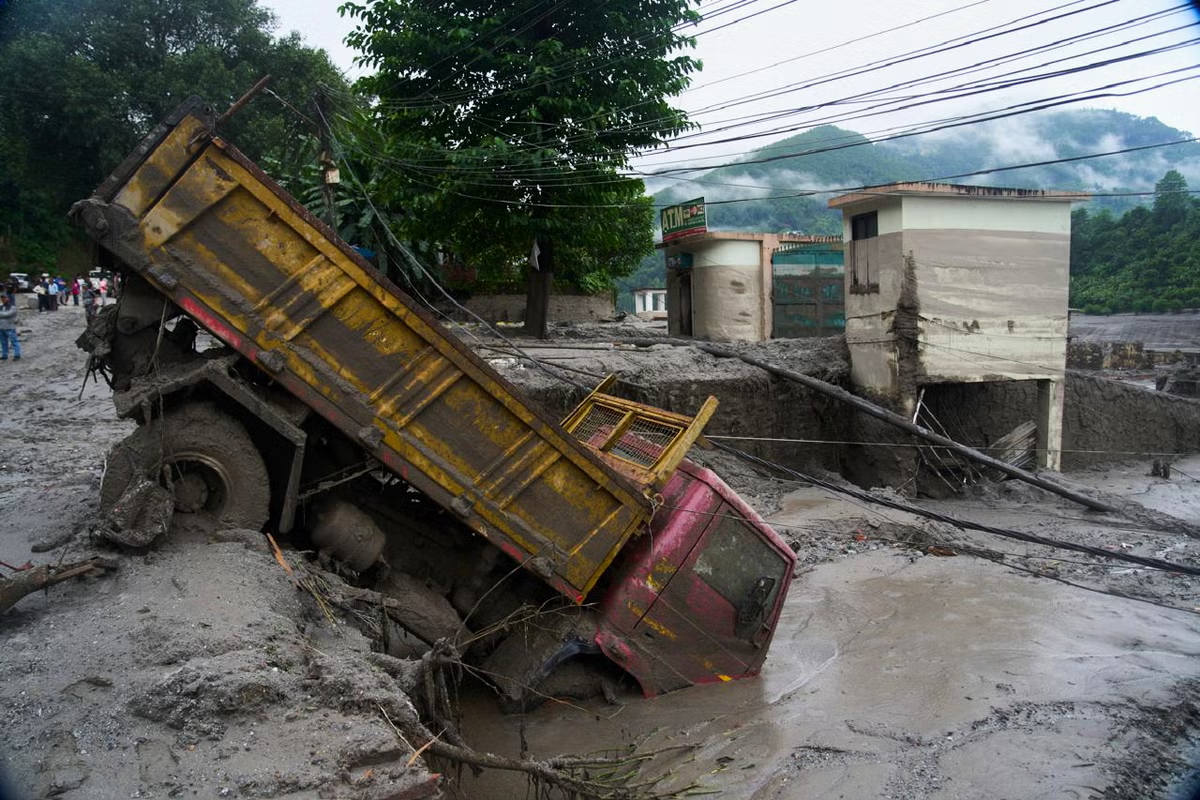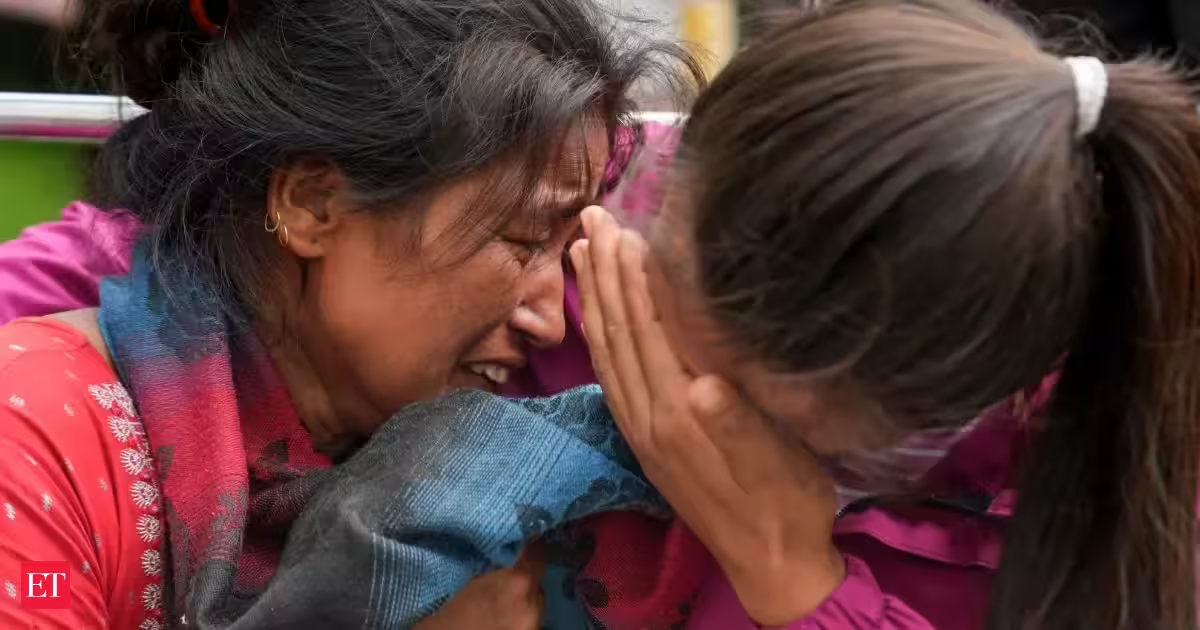
Kathmandu: For Raju Budhathoki, a customs agent in Nepal's Rasuwa district, Wednesday morning began like any other day but soon turned into a desperate fight for survival as the ground shook and raging floodwaters swept away homes before his eyes.Budhathoki was resting in his room in Timure when, around 8:45 am (local time), the hillside began shaking violently, according to a report by The Kathmandu Post. Believing an earthquake had struck, he ran outside and towards a nearby police post, only to find policemen themselves fleeing the area.As he scrambled over a wire fence, he injured his hand but kept running. Looking back, he saw houses in the Timure market being swept away one after another by the floodwaters.Also Read: Nepal’s mountain tsunami: The 200-km trail of water, rock and destructionHe eventually reached a forest about 500 metres uphill, where he took shelter and survived."From the forest, when I looked down at Timure, I never imagined I would get a second chance at life like this. Now everything feels like a terrible dream," the newspaper quoted him as saying from his hospital bed in Trishuli.Budhathoki was among the survivors of the catastrophic Bhote Koshi flash flood and landslides that devastated the Nepal-Tibet border area in Rasuwagadhi and several settlements downstream.Police and rescue teams had recovered hundreds of bodies by Thursday night, while hundreds more remained missing.Another customs agent, Prakash Gautam, also described a terrifying escape from Timure.Also Read: Rock-ice avalanches: The silent Himalayan killer behind Nepal's deadly floodGautam told The Kathmandu Post that a loud rumbling sound was followed within moments by darkness engulfing the market and a black cloud covering the sky."I ran out of my room without knowing what I was doing. I had no idea where to go or which way to run. I just wanted to survive," he said."From the forest above, I could see bodies scattered and floating in the floodwaters. Before my eyes, beautiful Timure was reduced to ruins. The houses and settlements were swept away. Now there is nothing but a vast expanse of sand and mud," he said.Unable to be rescued during the day, Gautam and others spent Wednesday night in a forest, surviving on packets of noodles dropped by a Nepal Army helicopter, according to the report.A Nepal Army helicopter arrived around 10 am on Thursday and flew them to Bidur."Only after boarding the helicopter did I feel that I had actually survived," Gautam said.For Tulsi Bahadur Bhandari of Dolakha, survival came after he was violently thrown towards a hillside by the floodwaters.A torrent of black mud and water suddenly engulfed the settlement, collapsing houses one after another, Bhandari told the newspaper."I ran. But the force of the flood hit me and threw me violently," he said, adding that being pushed towards the slope prevented him from being swept away."If the current had not thrown me towards the slope, I would not be alive today," he said.At hospitals and shelters in Bidur, Trishuli and Kathmandu, survivors are now recovering from their injuries while struggling to process the loss of homes, relatives, colleagues and friends.Ram Kumar Rana, who was caring for injured relatives at a hospital, said some people were buried under sand and mud as they tried to flee the flood."The surge hit them as they were running and buried them. Rescue teams, with the help of helicopters, later pulled them out and brought them here," the newspaper quoted him as saying.He said children panicked amid the chaos, with some falling and suffering injuries.The destruction has also left families across the affected districts desperately searching for missing relatives.In Trishuli in Nuwakot district, families gathered at Sainik Maidan on Thursday to provide information about those who had disappeared."My father is there. He worked at a hydropower project in the affected area. He is missing. He was on duty that morning, and we have not been able to contact him since," a local resident told PTI Videos.Another survivor from Rasuwa described the devastation in stark terms."Nothing is left there. I have lost everything," the survivor told PTI Videos, adding that both his father and mother were missing.Some survivors said they received alerts asking people living near the river to evacuate but had little time to escape."We received a news alert here at around 9:35, saying that the floodwaters had moved away and that everyone living in the river area should evacuate. But we simply did not get enough time to leave," a local resident told PTI Videos."There used to be two bridges here. Now, there are hardly any houses left; only a few houses remain. I don't know how the government will manage the situation," the resident said.Rescue teams from the Nepal Army and other security agencies have continued searching for survivors and those still missing in Rasuwa, Dhading, Nuwakot and Chitwan districts.A rescue team member told PTI Videos that the full scale of the casualties was yet to be established, with initial reports indicating a massive loss of life and nearly 1,000 people missing.The flash flood, which originated in the Tibet region and surged into the Bhote Koshi and Trishuli river systems, washed away bridges and local structures and severely damaged infrastructure, the rescue team member said.Khagendra Sunar, a member of Nepal's Parliament, said relocating survivors to safer areas and rebuilding the devastated settlements would require considerable time."Restoring the markets and the area will certainly take a lot of time. But the people who have survived need to be shifted to safer places," Sunar told PTI Videos."Every party is contributing as this is a major disaster. It is not just the government's responsibility; it is the responsibility of all of us," he said.The devastating floods have also affected foreign nationals. Thousands remain missing, including nationals of more than 30 countries, while 288 Indian nationals are among those unaccounted for, according to Nepalese and Indian authorities.As rescue operations continue, survivors are left to confront a painful reality: they escaped the waters, but many have returned to find their homes, workplaces and communities erased.For those who survived, the relief of being alive is now intertwined with the grief of those who did not make it out.
'A second life': Nepal flood survivors recount terrifying escape, loss, devastation
A catastrophic flash flood and landslides struck Nepal's Rasuwa district, causing widespread destruction. Survivors recounted harrowing escapes from raging floodwaters and collapsing homes in Timure. Rescue teams are searching for hundreds still missing after the disaster hit the Nepal-Tibet border. Many foreign nationals are also among the unaccounted for after the event. Rebuilding efforts and relocating survivors to safer areas will require significant time.
1,022 words~5 min read