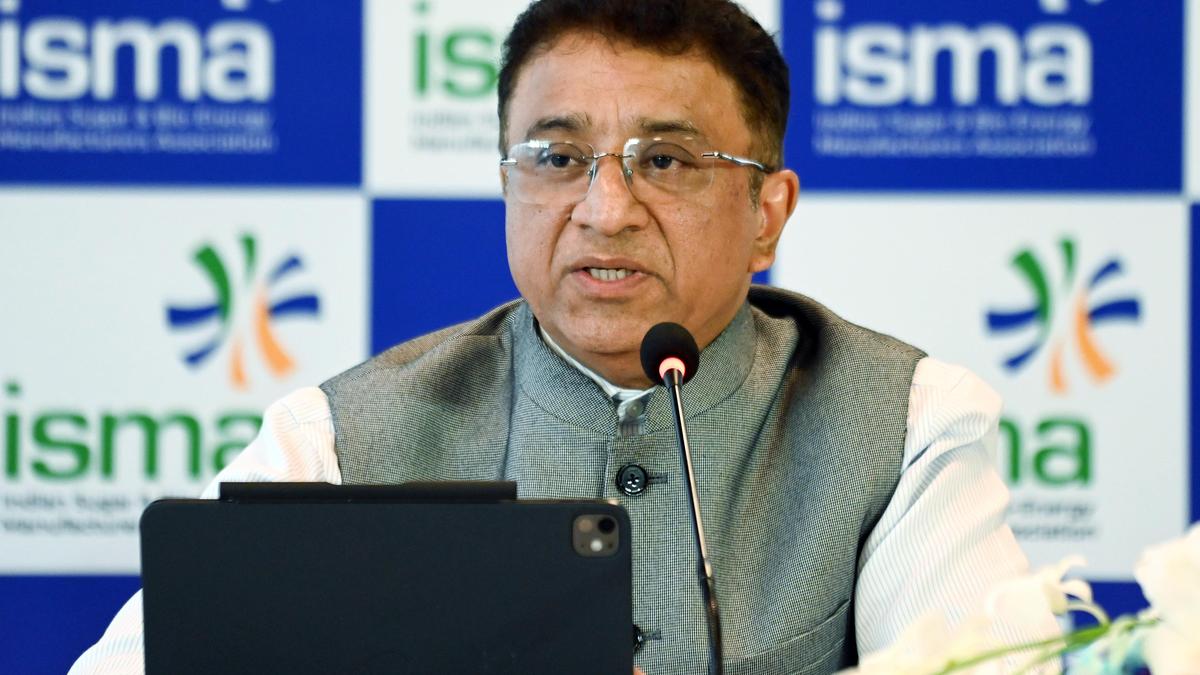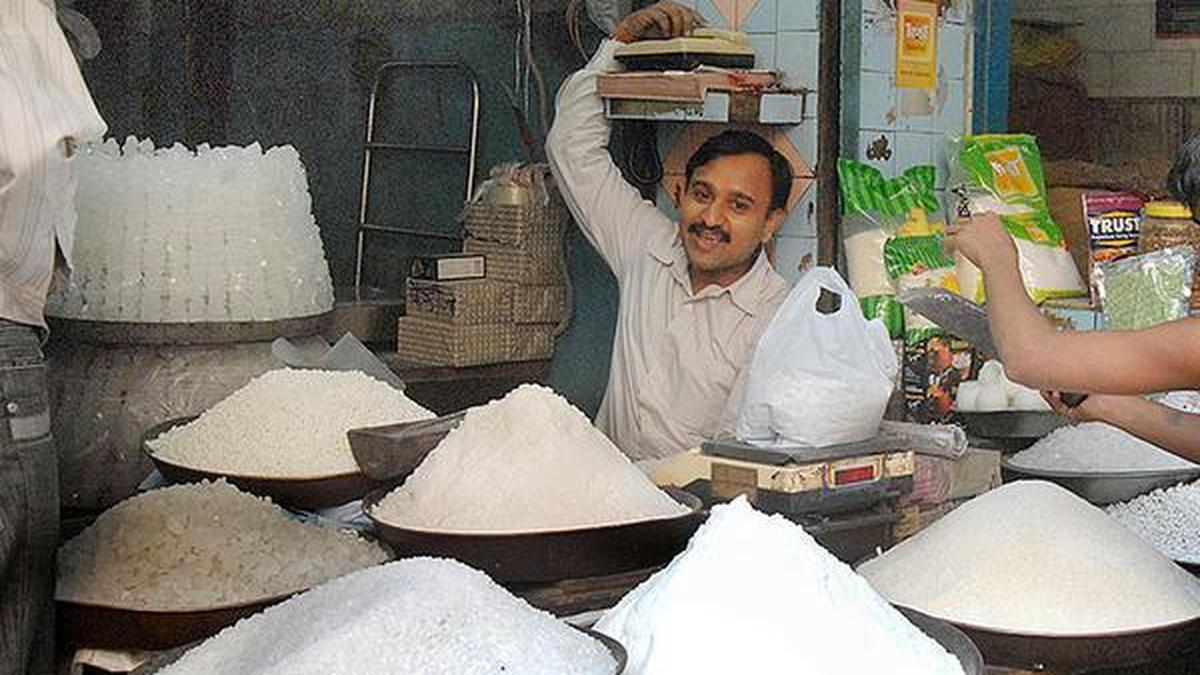
Shares of sugar companies, including Balrampur Chini Mills, Dhampur Sugar, Dalmia Bharat, Shree Renuka, and EID Parry, rallied up to 4% as sugar prices have surged over the past month. According to Central government data, retail sugar prices rose from Rs 48.18 per kg on July 20 to Rs 55.70 per kg on August 20. Retail sugar prices are currently quoted at around Rs 70 per kg.In today’s session, Balrampur Chini Mills gained over 2% to Rs 665 on the BSE, while Dhampur Sugar Mills gained 4% to Rs 178 per share. Uttam Sugar gained 3% to Rs 306 per share. Triveni Engineering shares rose 2% to Rs 288, while Eid Parry gained over 2% to Rs 815.What’s behind the sharp rise?1.) Festive period - India's sugar demand usually surges from August to November as the country celebrates festivals like Ganesh Chaturthi, Dussehra and Diwali, which leads to heightened demand for sweets, biscuits and other confectionery items.Also read: Sugar production hit by Red Rot disease, El Nino; govt taking measures: Pralhad JoshiLast month, the government ordered dealers to hold stocks for no more than 30 days, in a bid to bolster supplies. Yet, sugar prices have jumped 10% over the past one month to record high levels, and analysts expect them to remain high for at least the next three months. In this background, patchy rains and dry weather conditions have hit sugarcane crop output, which typically requires copious amounts of water for irrigation, further boosting prices.2.) Supply worries - A key trigger is the worsening supply outlook in Brazil, the world's largest sugar producer. The country has warned of a delay in the harvest amid adverse weather conditions. Adding to uncertainty, Brazil has suspended its bi-weekly harvest and production reports, leaving investors with limited visibility on the supply situation.The shift towards ethanol is further intensifying concerns over a potential sugar supply crunch. In June, 58% of Brazil's cane juice was diverted towards ethanol, given that it is likely to be more profitable than sugar. Brazil has also raised its mandatory ethanol blending target to 32% in July from 30% in June, significantly higher than the 25-27% mix seen just months earlier.Supply concerns are not limited to Brazil. Intense heatwaves and El Nino conditions across the EU and the UK have added to fears of tighter supplies, with sugar output from the region trimmed to 14.98 million tonnes. In Asia, Thailand, the world's third-largest sugar producer, has cut its projected output by 15.6% to 9.5 million tonnes. India, the world's second-largest sugar producer after Brazil, is also projecting lower sugar production. Authorities are physically verifying mill volumes to enforce strict hoarding limits.Global deficit estimates are also pointing towards a tighter market. Green Pool has projected a global sugar deficit of 3.3 million tonnes, while StoneX has estimated the shortfall at 1.7 million tonnes. The International Sugar Organisation has forecast a deficit of 0.26 million tonnes.Read more: No ethanol link, decline in sugarcane production and stockpiling driving up sugar price: ExpertsWith production concerns mounting across major sugar-producing regions and global benchmark prices continuing to climb, the supply outlook has emerged as the key factor driving the sharp move in sugar prices.Government’s bid to rescue the riseThe government has rejected a request from biscuit and bread makers seeking more time to liquidate the excess stock over the stock holding limit and mandated that the companies sell any excess stocks by August 31.The limit, recently cut from 30 days, requires bulk sugar users to hold no more than 15 days of their normal requirement. At a meeting with the food secretary, some of the country's largest companies warned that selling their stocks now and buying from the market later could push sugar prices sharply higher. They also raised concerns about meeting export orders if supplies tighten.If this stock comes back to the market by August 31, it can substantially suppress sugar prices, said trade officials. The move follows allegations by the Indian Sugar & Bio-energy Manufacturers Association (ISMA) that bulk consumers had hoarded sugar. Consumers have rejected the charge.(Disclaimer: Recommendations, suggestions, views and opinions given by the experts are their own. These do not represent the views of The Economic Times)
Sugar stocks rally continues: Balrampur Chini, Dhampur Sugar, Uttam Sugar Mills rally up to 4%. Two big triggers
Sugar stocks rallied as domestic sugar prices surged sharply over the past month. Government data showed retail prices rising from Rs 48.18/kg on July 20 to Rs 55.70/kg on August 20, with current prices around Rs 70/kg. Balrampur Chini Mills, Dhampur Sugar, Uttam Sugar, Triveni Engineering and EID Parry were among the key gainers.
698 words~3 min read