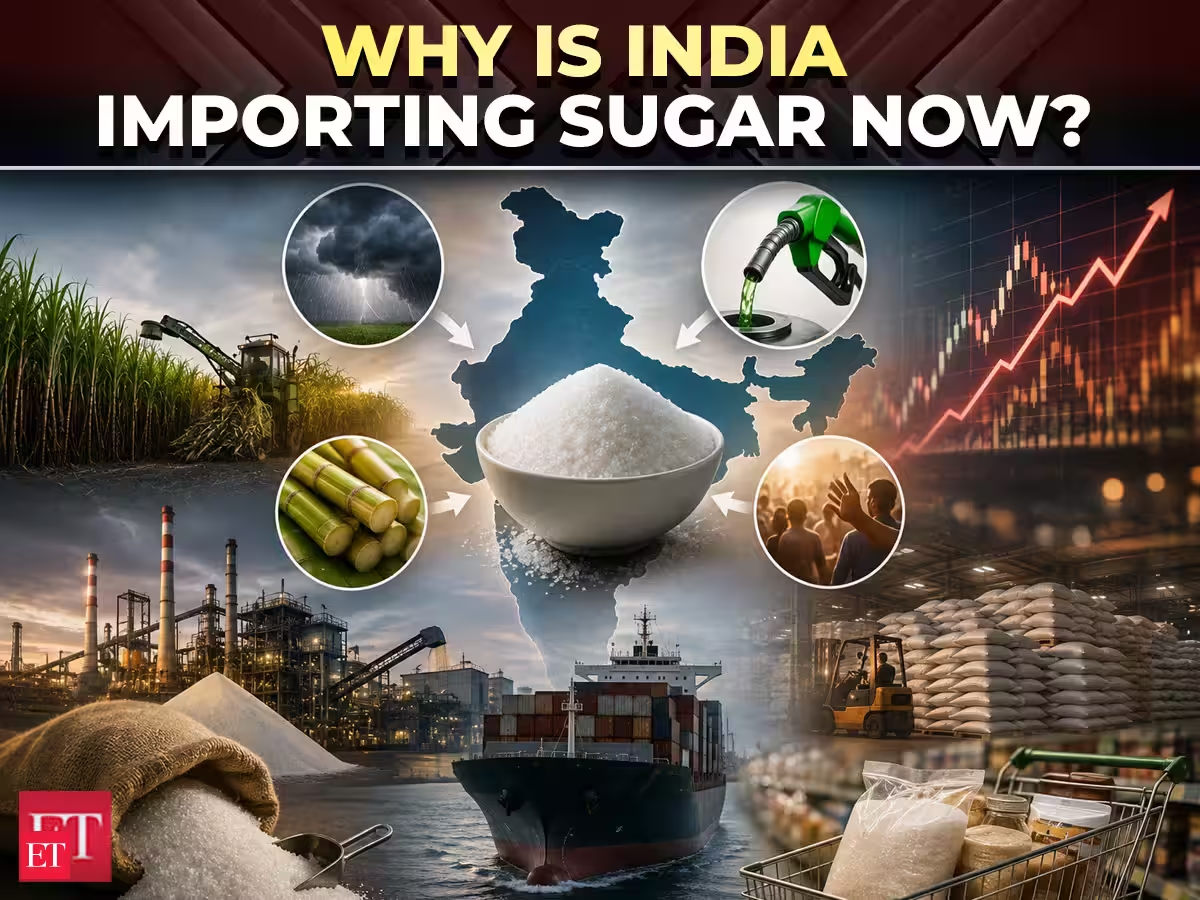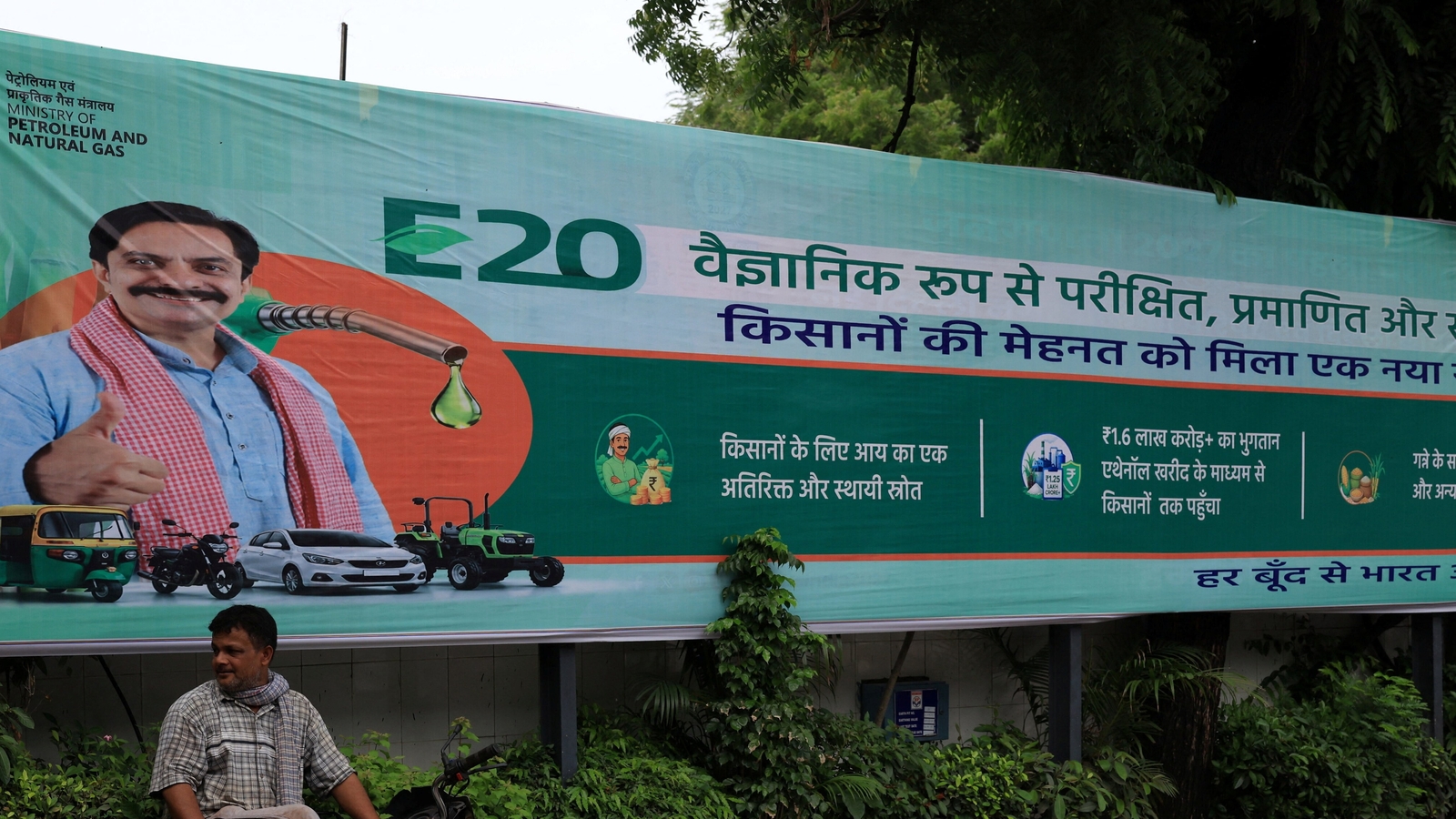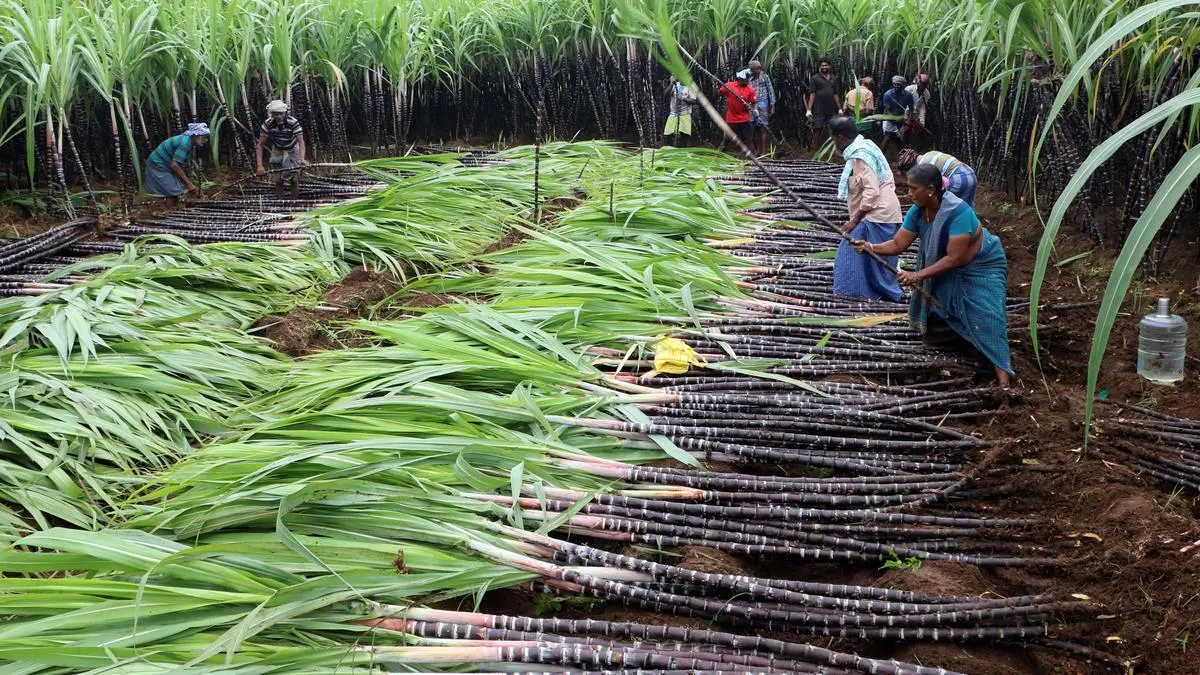
The sudden escalation in retail sugar prices across India over recent months has caused concern among policy makers and consumers, especially with the festival season round the corner.Retail sugar prices in have surged from around ₹45-₹48 per kg up to ₹58-₹70 per kg. A rigorous examination is needed to determine whether this price increase stems from El Nino weather phenomena, the diversion of sugarcane for bio-fuel production, speculative market dynamics or long-standing flaws in crop pricing.The Cobweb cycleTo understand sugar price fluctuations in India, one must examine the fundamental sugarcane production dynamics. The domestic sugar sector operates under the Cobweb phenomenon.In years when sugar prices are high, farmers are incentivised to expand their sugarcane area in anticipation of strong profits. As sugarcane is a long-duration crop that requires 12-18 months to harvest, the increased production does not hit the market immediately.When the increased harvest finally arrives, it creates a massive market surplus. This oversupply inevitably crashes domestic prices, causing mill owners to default on payments, leaving farmers with mounting arrears.For 2024-25 season alone, the total arrears owed to farmers reached about ₹3,449 crore. Disappointed by falling returns, growers subsequently reduce their sugarcane area in the following planting season. This reduction creates a severe supply deficit two years down the line, sending retail prices soaring once again and restarting the entire cycle.Reinforcing this, the data also show that the sugarcane production declined from 491 million tonnes (mt) in 2022-23 to 456 mt in 2024-25. The primary trigger behind the current surge is this downward slope, worsened by regional supply contractions (see Table).Impact of EL NinoSo is the monsoon deficit driven by El Nino the root cause of the current supply tightness? Sugarcane is a water-intensive crop that relies heavily on sustained monsoon rain and strong reservoir levels during its cultivation phase. Evidence suggests that weather anomalies have indeed played a massive role in shrinking overall output, though we have no firm estimate on this year’s production. Estimates from the Ministry of Agriculture illustrate this weather shock. Initial domestic sugar production projections for the current season were pegged at roughly 34.3 mt. However, as the impact of unseasonal dry spells and El Nino became clear, actual production figures were revised downward to 30.6 mt, a drop of about 11 per cent.But, a question also arises: if El Nino is the primary factor, why did the retail price of sugar not surge in 2024-25 where the sugar production went down to 29.6 mt compared to its previous period production of 34.1 mt?Besides weather shocks, public discourse has focused heavily on the government’s ethanol blending programme as a major culprit behind the sugar price surge. Diversion of sugarcane into ethanol production does reduce the volume of raw material available for conversion into edible sugar. However, a closer look at official allocation data reveal that ethanol diversion is only a secondary factor. Recognising the impending production deficit caused by poor monsoons, the Ministry reportedly capped the amount of sugar permitted for ethanol diversion.In absolute terms, sugar diverted for ethanol was restricted to roughly 1.7 mt in the current season, down significantly from the 3.8 mt diverted during the previous year. Furthermore, the proportion of total ethanol produced from sugarcane also fell from 86.2 per cent in 2020-21 to 31.5 per cent in 2024-25, as grain-based feedstocks like maize were mobilised to fill the gap. Therefore, ethanol blending cannot be the sole driver of the sudden price spike.While fundamental supply shortfalls set the stage for higher prices, market behaviour by intermediaries often accelerates these spikes. The domestic sugar trade operates under a regulated monthly release mechanism, where the Centre assigns specific sales quotas to individual mills to regulate market supply and keep prices stable.When market players anticipate reduced national production and tighter monthly quotas, speculative behaviour takes over. Wholesale traders, stockists and large commercial buyers begin to withhold inventory in anticipation of higher future profit margins, leading to an artificial scarcity.Furthermore, during the peak festive quarter, domestic demand for sugar surges as sweet manufacturers, confectioners and households step up their purchases. The combination of supply tightness and speculative holding by intermediaries widens the gap between the ex-factory price set by mills and the final retail price paid by consumers.Ultimately, speculative hoarding by intermediaries remains the primary catalyst turning supply tightness into an alarming retail price outburst.The remediesWhile market players may have played a big role in this price surge, to break this recurring cycle of price spikes, India must move away from reactive, crisis-driven interventions that balance consumer protection, energy security and farmer welfare.First, the government must implement a flexible ethanol diversion strategy linked directly to real-time monsoon tracking and crop projections. Rather than setting rigid multi-year diversion quotas, allocation limits should automatically adjust based on August rainfall estimates and reservoir levels in major growing regions.Second, the Ministry of Consumer Affairs should modernise stock tracking by introducing a mandatory digital inventory portal for all large traders, bulk consumers and stockists. By enforcing real-time visibility over stored stocks across State lines, authorities can curb speculative hoarding and prevent artificial supply bottlenecks during high-demand festival seasons.Third, the sugarcane productivity has been hovering around 83 tonnes/ha since 2020-21, discouraging farmers to adopt modern technology. FRP should be fixed considering the real cost of cultivation, not based on the projection of the CACP.Fourth, State governments must mandate drip irrigation technologies across the sugarcane belts of Maharashtra, Karnataka and Tamil Nadu as transitioning sugarcane from flood irrigation to drip irrigation can reduce water consumption by up to 40 per cent while protecting crop yields against El Nino induced droughts.Finally, there is a need to establish a Sugar Price Stabilization Fund financed by a nominal variable cess on industrial sugar users. This fund can be used during market crashes to clear mill arrears directly to farmers.These integrated structural remedies can help India secure price stability for consumers and protect farmer livelihoods.The writer is an Economist and former full-time Member (Official), Commission for Agricultural Costs and Prices, New Delhi. Views expressed are personalPublished on August 28, 2026
The real causes of sugar price spike
Ethanol diversion and monsoon deficit are not the main culprits. It is speculation by market intermediaries
1,004 words~5 min read