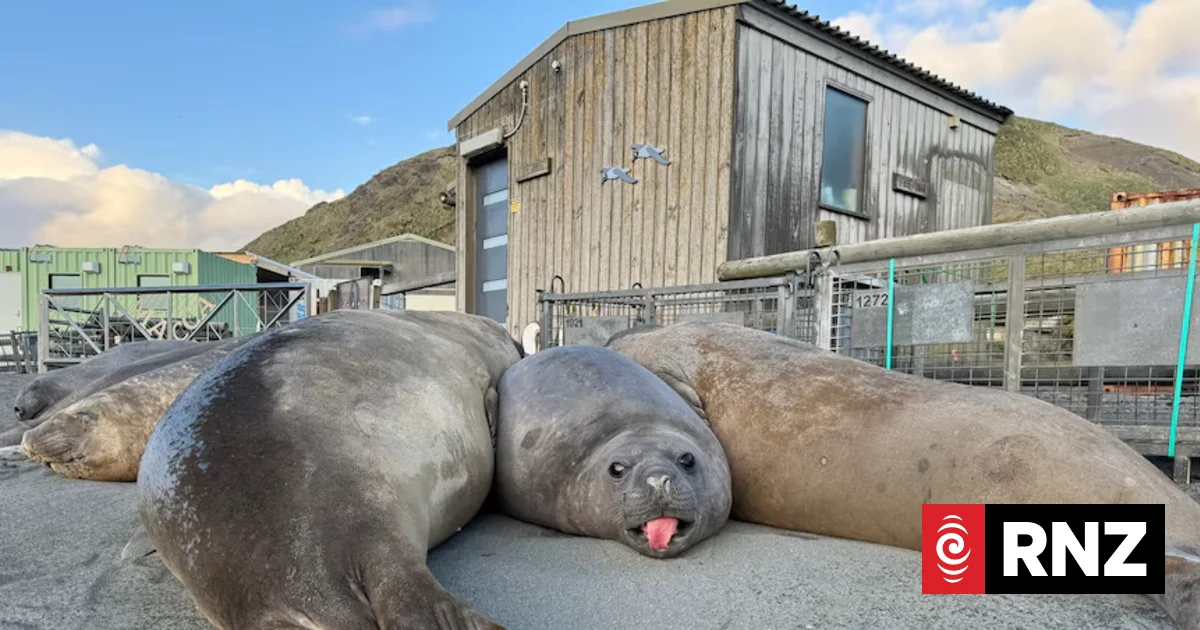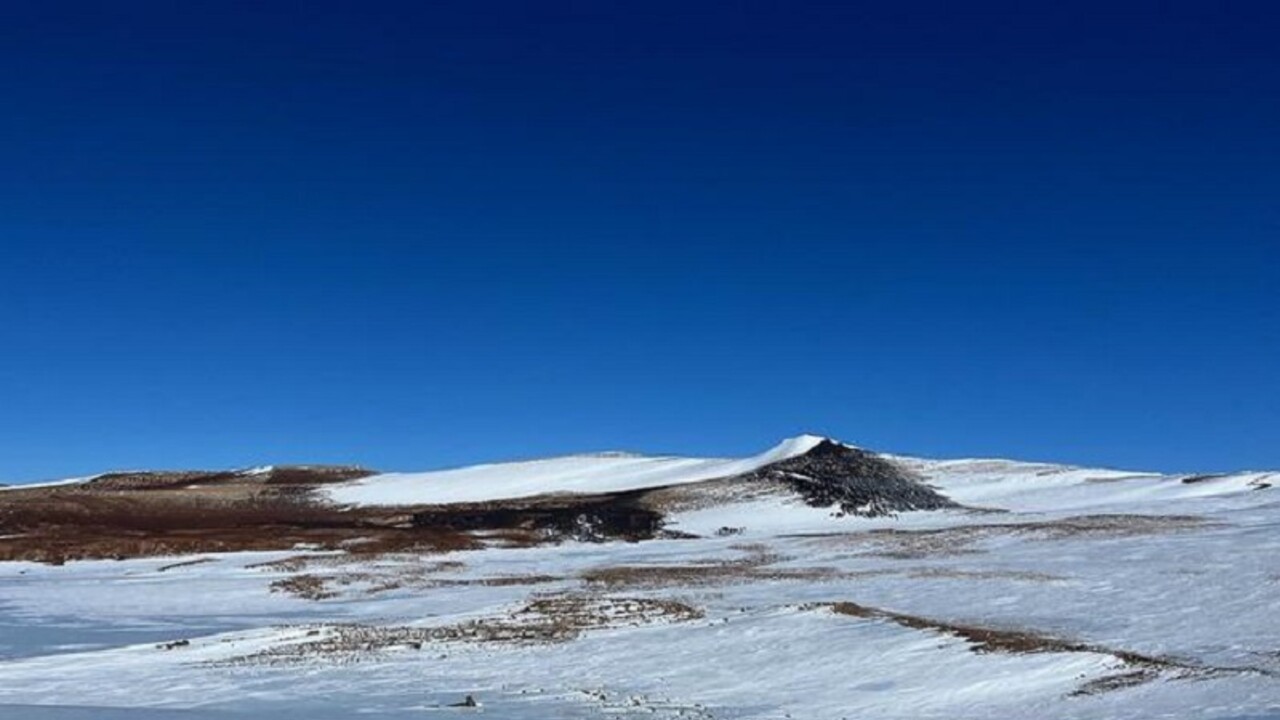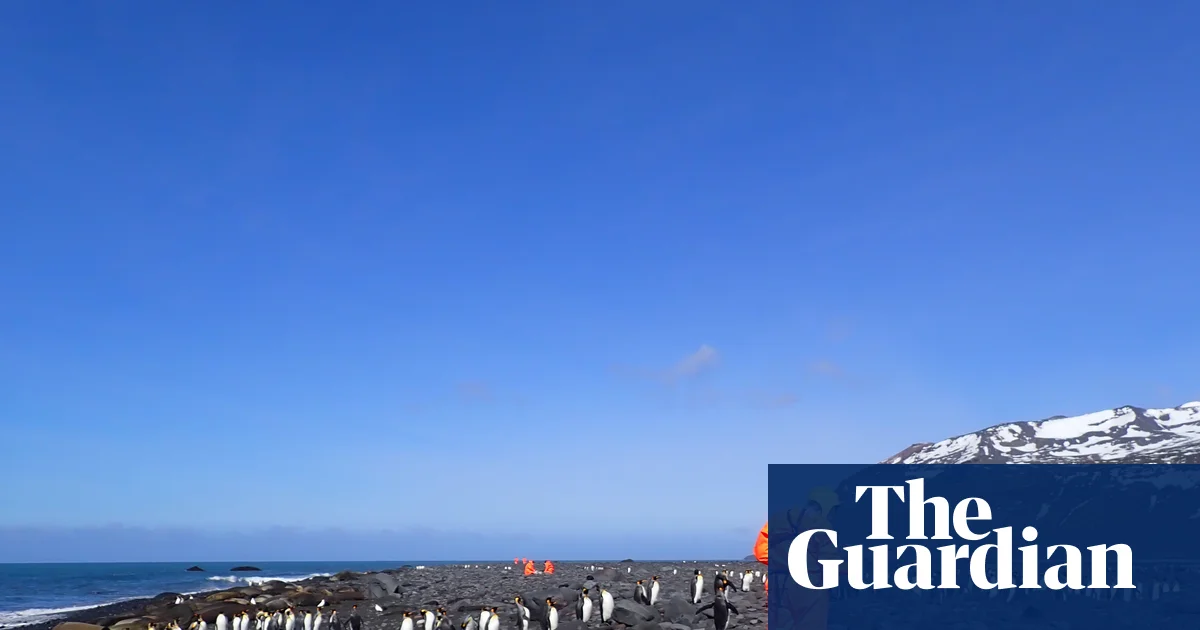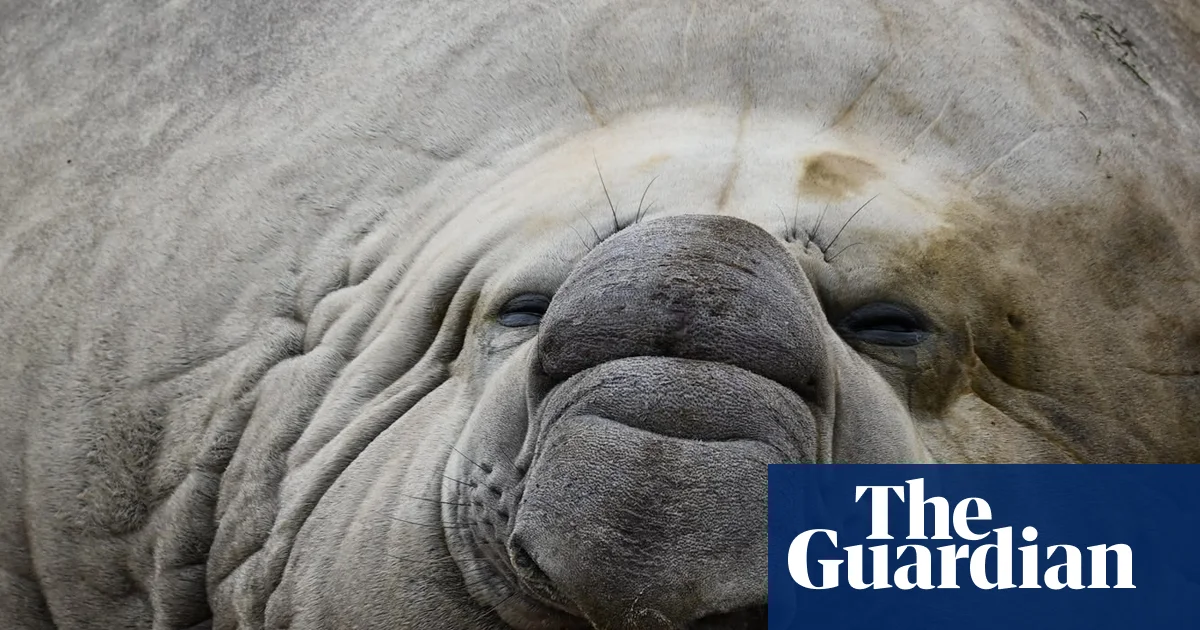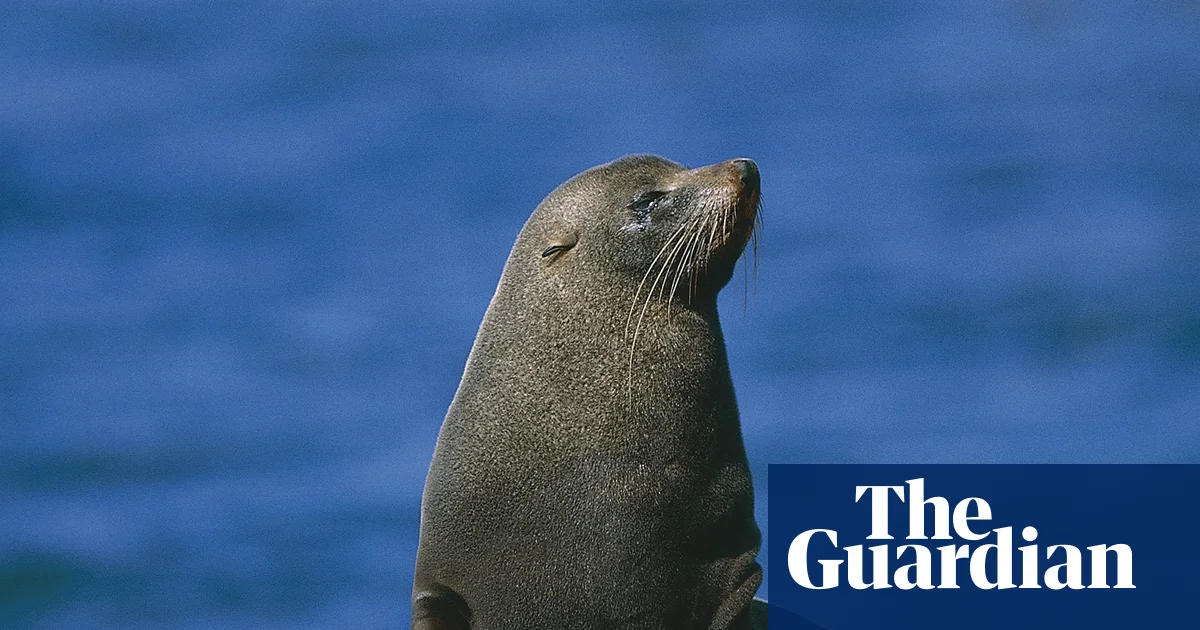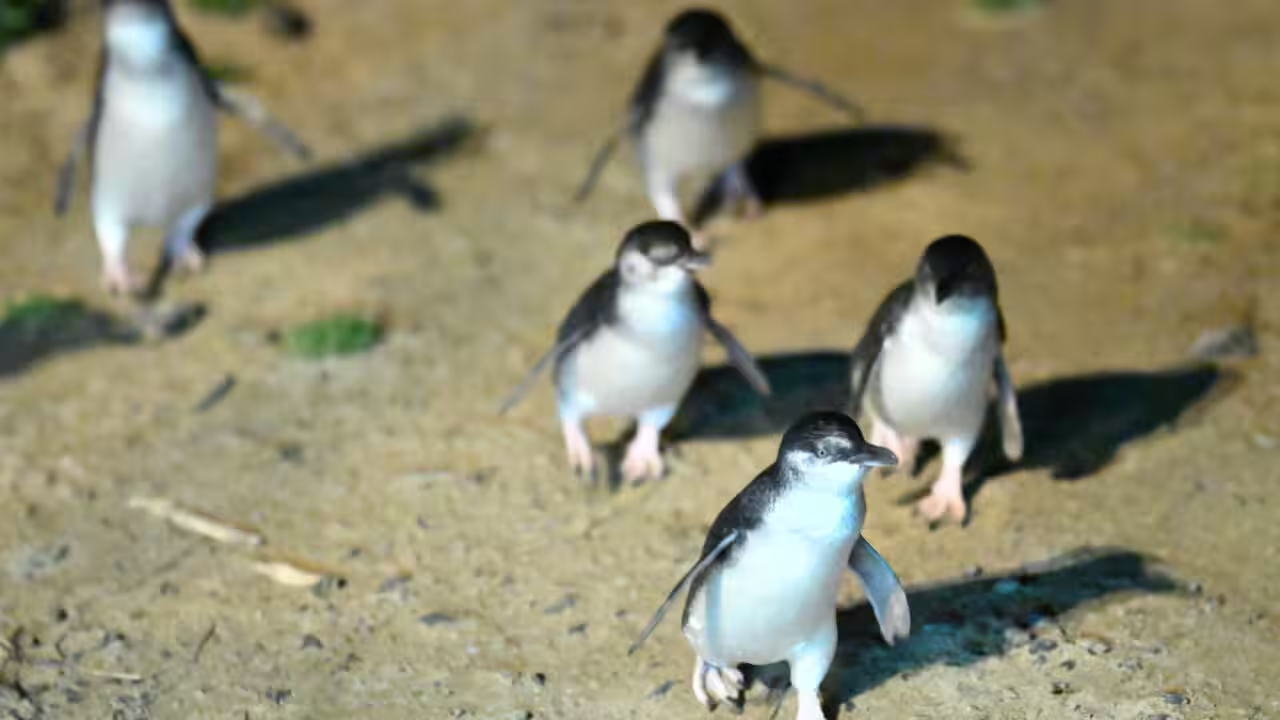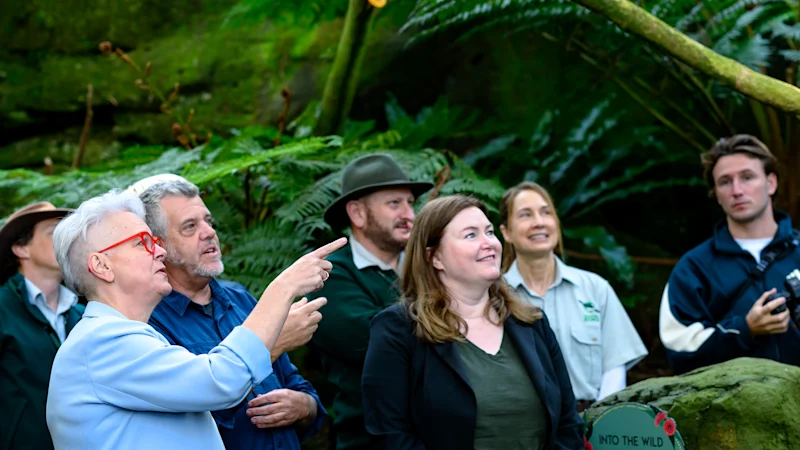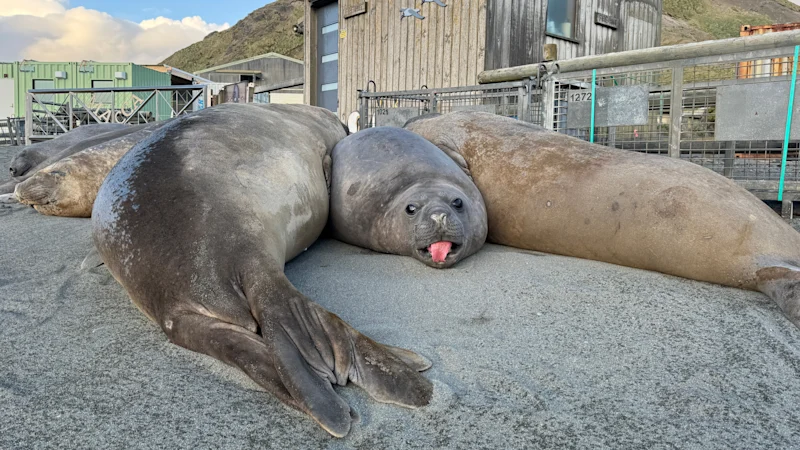
Updated August 28, 2026 — 3:57pm,first published 11:55amTwo dozen staff at the Macquarie Island research base in the Southern Ocean will be pre-emptively evacuated to avoid the psychological harm of witnessing H5N1 bird flu wipe out thousands of elephant seals during the spring breeding season.The announcement from the federal government, which runs the Australian Antarctic Division, comes as NSW joins the national rollout of a vaccine to wild birds, starting with little penguins.Seals at the Macquarie Island station buildings.Marcus Hochuli / Antarctic ImageH5N1 has not yet been detected on Macquarie Island, about 1500 kilometres south-east of Tasmania, but expert assessments predict a high likelihood of a significant mortality event during the upcoming breeding season.On Heard and McDonald Islands, another Australian territory in the Southern Ocean, the virus has killed large numbers of king and gentoo penguins and about 13,000 of the 17,000 elephant seal pups on Heard Island since the virus was detected on the island in October last year, the Australian Antarctic Division said.Sean Sullivan, deputy secretary of the Department of Climate Change, Energy, Environment and Water, said the decision to evacuate was particular to Macquarie Island and would not affect Australia’s other Antarctic and sub-Antarctic operations.“This is not about the chances of staff getting bird flu. It’s really about primarily the psychological risks to staff,” Sullivan said.Gentoo buildings and southern elephant seals in the foreground at Hasselborough Bay, with Macquarie Island station in the background.Peter KirkmanFour penguins walk in front of a green loader at Macquarie Island station.Marcus Hochuli / Antarctic Image“Imagine living and working in amongst 2500 seals within very close proximity in and around the station, and the mass mortality event would cause disruptions in terms of distress of seeing those animals, not being able to help them, seeing that air quality would reduce, and that obviously being restricted at times and not being able to do the work that they were sent down there to do.“Macquarie Island is absolutely unique inside our sub-Antarctic and Antarctic program. The station itself is located inside a seal colony. That’s very different to other stations, and we anticipate there’ll be no similar implications for those stations over the coming seasons.”There have been hundreds of cases of H5N1 in Australia since it was first detected in June, having already spread to every continent on Earth. The virus is low risk to human health but has devastated wildlife globally.Australia established its base on Macquarie Island in 1948. All 24 staff will leave on the ice-breaking research and supply vessel, RSV Nuyina, in early October. Sullivan said the decision about when to return to the island would be made for the 2027-28 season.The staff would use the next month to figure out how to monitor any outbreak on the island remotely, using cameras or remote drones, Sullivan said.Aerial view of the Macquarie Island isthmus.Pete Harmsen / Antarctic ImageThe department said that owing to the island’s remoteness and its harsh conditions, active control measures for wildlife were not planned at this stage. There is currently no commercially available vaccine for H5N1 for use in mammals.Vaccination rolloutThe federal government has secured a supply of vaccines licensed for use in rare and endangered birds, and state governments are deploying them. Victoria has vaccinated more than 1000 little penguins on Phillip Island, Western Australia is trialling the vaccine on black cockatoos at Perth Zoo, and South Australia has vaccinated captive native birds at Cleland Wildlife Park, including critically endangered orange-bellied parrots and regent honeyeaters.The NSW government announced the details of its vaccination program on Friday, revealing that Taronga Zoo has so far given the first dose to 70 animals across 18 species in captivity and will soon work with the National Parks and Wildlife Service to vaccinate little penguins in Manly and Barunguba Montague Island off Narooma on the NSW South Coast.Little penguins, cockatoos, emus, ducks, kites, parrots, owls and buzzards at Taronga Zoo were among the first recipients of the vaccine. NSW Environment Minister Penny Sharpe said the vaccine rollout would expand to include wild populations.“We don’t know how the vaccine will work in our birds,” Sharpe said. “It’s why this program starting this week is so important. We need to roll it out carefully and cautiously.”Environment Minister Penny Sharpe (second from left) and Agriculture Minister Tara Moriarty (centre) in the aviary at Taronga Zoo.George ChanA gang-gang cockatoo at Taronga Zoo.George ChanThe birds in the Taronga trial will remain in a controlled environment for 14 days after their second dose so they can be closely monitored.Dr Karrie Rose, veterinary pathologist at Taronga Zoo, said the trial would measure the safety and efficacy of the vaccine across a broader range of species than had previously been tested. This would inform how frequently vaccination needed to occur in different species.“We’re also not waiting for the basis of those trials,” Rose said. “We’re starting our operational vaccination of Taronga animals, and then we’ll also be working with [NPWS] to support their work in vaccinating free-ranging species,” Rose said.Agriculture Minister Tara Moriarty flanked by chief veterinary officer Dr Joanne Coombe (left) and Environment Minister Penny Sharpe (right).George ChanIngrid Emery, executive director conservation programs at the NSW Department of Climate Change, Energy, the Environment and Water, said it was “logistically complex” to vaccinate wild populations, especially because of the requirement to administer two doses, three to four weeks apart.“That’s why we’re starting with the population of little penguins,” she said. “Little penguins are very faithful to where they nest. They’ll catch them between when they leave the water and when they enter their nest box, and then they will handle them and eventually provide them with the vaccination, and then 28 days later, or two, three to four weeks later, they will have to do the same procedure.”Regent honeyeaters at Taronga Zoo.George ChanAgriculture Minister Tara Moriarty said there had been 16 confirmed cases of H5N1 across the state so far, including one in the Illawarra, confirmed on Thursday night. So far in NSW, only birds have been infected, unlike in South Australia, where there have been cases in mammals, including seals and a red fox.“If you’ve got backyard chooks, we’re asking you to make sure that you keep their food clean and under shelter, keep their water clean and under shelter,” Moriarty said.“Some people who are out in the regions might be using dam water for their backyard chooks. Please don’t do that for the moment. Use clean water. It’s about protecting them from the interaction with wild birds. This applies to pet birds too.”Bird flu has not been detected in commercial poultry flocks or captive birds anywhere in Australia yet.If you encounter a suspected sick bird or marine mammal, avoid contact, record what you see and report it immediately to the Emergency Animal Disease Hotline on 1800 675 888.Get to the heart of what’s happening with climate change and the environment. Sign up for our fortnightly Environment newsletter.From our partners
‘Psychological risk to staff’: Looming mass mortality threat on Macquarie Island prompts evacuation
Staff at a research base in the Southern Ocean will be evacuated to avoid the psychological harm of witnessing H5N1 bird flu wipe out thousands of elephant seals.
1,151 words~5 min read