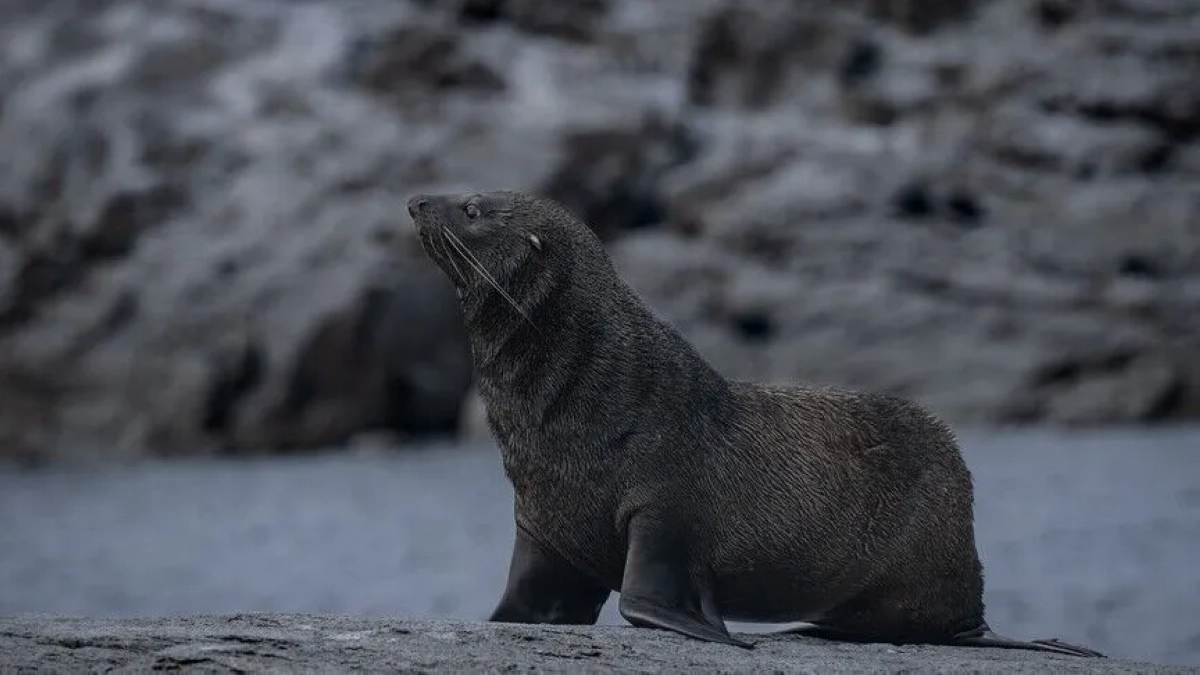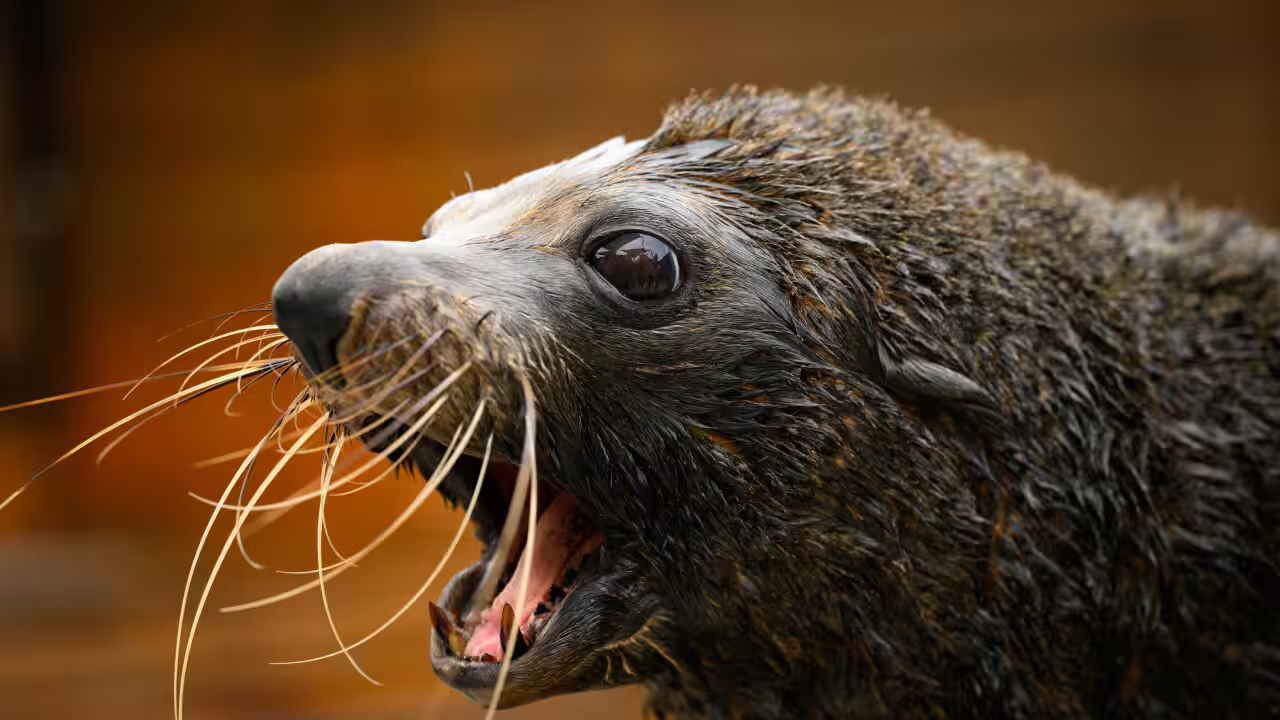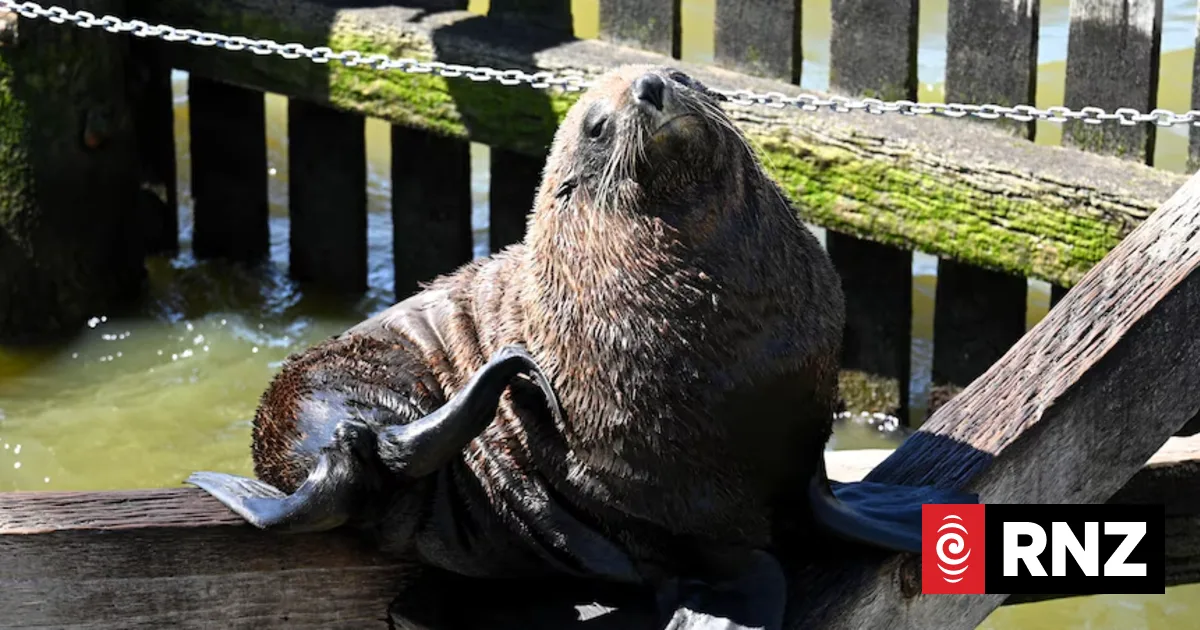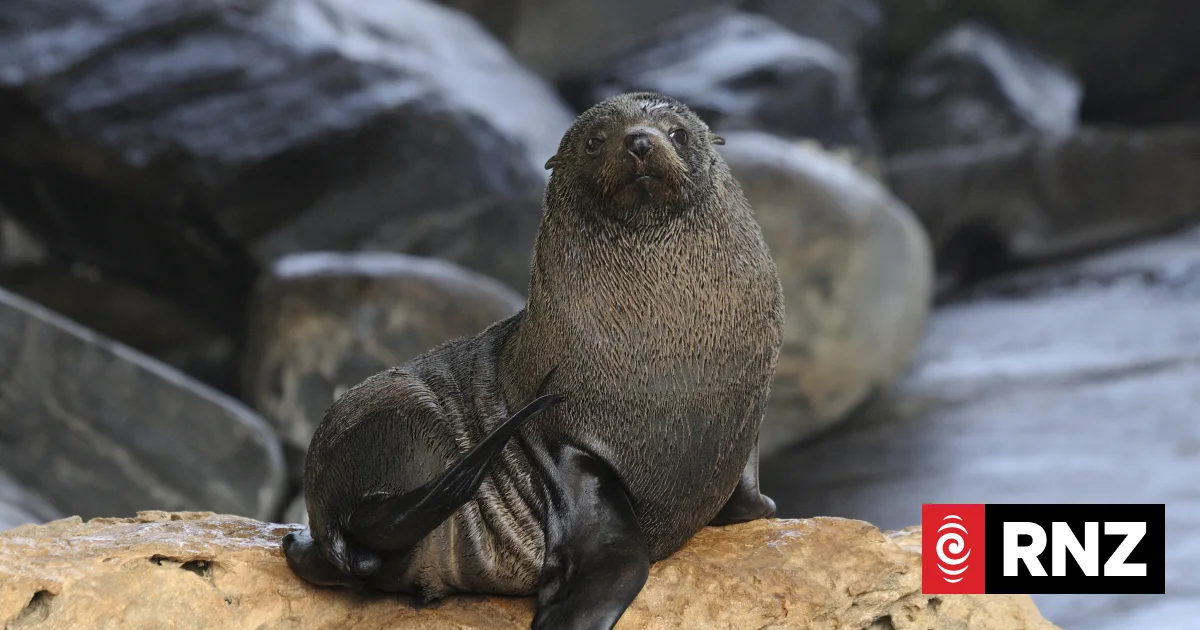
A suspected case of H5 bird flu has been detected in a seal at a key breeding ground, a day after Australia's first case of the virus in a mammal was revealed.The suspected case in a long-nosed fur seal, which is yet to be confirmed, occurred at the Pages Conservation Park, South Australia's Department of Primary Industries and Regions (PIRSA) said.The Pages - two small islands off the Kangaroo Island coast - are the site of a mass mortality event in birds, presumed to have died from the H5 strain, which was detected last week.The islands are an important breeding site for the endangered Australian sea lion, which the Invasive Species Council warns could face an "extinction level" event if the disease enters its colonies.The suspected detection follows Australia's first confirmed case of the H5 bird flu in a mammal - a seal found dead at Beachport in SA's South East last week."The samples from new suspect events have been sent to ACDP [the Australian Centre for Disease Preparedness] for confirmatory testing, with results expected to be known in the coming days," PIRSA said.There have been five new suspected detections in the state.Speaking to ABC News Breakfast about yesterday's confirmed case in a seal, Federal Environment Minister Murray Watt said it was "obviously a very serious development" but "not unexpected"."We have been saying for some time we are likely to see mass mortalities of birds and mammals," he said."I know that is a distressing thing for Australians to hear but we need to be realistic. This is what we've seen overseas."We are likely to see more mass mortalities."Grim future for local coloniesThe cases in mammals coincide with warnings about the spread of H5N1 among seals and sea lions.University of Sydney veterinarian Rachael Gray recently told the ABC the experience of witnessing the spread of the virus firsthand when she travelled to the sub-Antarctic region in late 2023 was "very sobering and very upsetting"."[It's] very concerning when it's at Australian sea lion colonies," she said."It's also been detected [in birds] at Seal Bay as well, a really iconic South Australian destination. It's very frightening."The CEO of the Invasive Species Council, Jack Gough, said that transmission among mammals in other parts of the word had "led to high mortality rates, particularly among pups"."For fur seals in places like Montague Island in NSW or Kangaroo Island in South Australia, where large colonies exist, we could see high death rates leading to localised colony collapses," he said in a statement."If it gets into Australian sea lions though, this could be an extinction level event because fewer than 10,000 mature adults remain on Kangaroo Island and the WA coast."Gough said successive federal governments had failed to heed warnings about the virus, "and now our wildlife face a new, entirely predictable wave of devastation from bird flu".Watt said the federal government had spent AUD$113 million (NZD$135m) on bird flu preparedness, and that another $24 million had been "activated" since the arrival of bird flu in Australia, some of which had gone towards "building up the resilience of populations of seals and sea lions"."We have increased our funding since bird flu came to our shores," he said."Our government - along with states and territories - is prepared to keep investing more as the situation escalates."The minister said that removing carcasses from mass mortalities was "being managed by different states and territories in their own ways"."We are providing funding to some states and territories to assist with that clean-up," he said."In some cases, the biosecurity advice is that it is safer to leave dead animals where they are."- ABC
Bird flu suspected to have spread to seal at key breeding ground off Kangaroo Island
A suspected case of H5 bird flu has been detected in a seal at a key breeding ground, a day after Australia's first case of the virus in a mammal was revealed.
601 words~3 min read