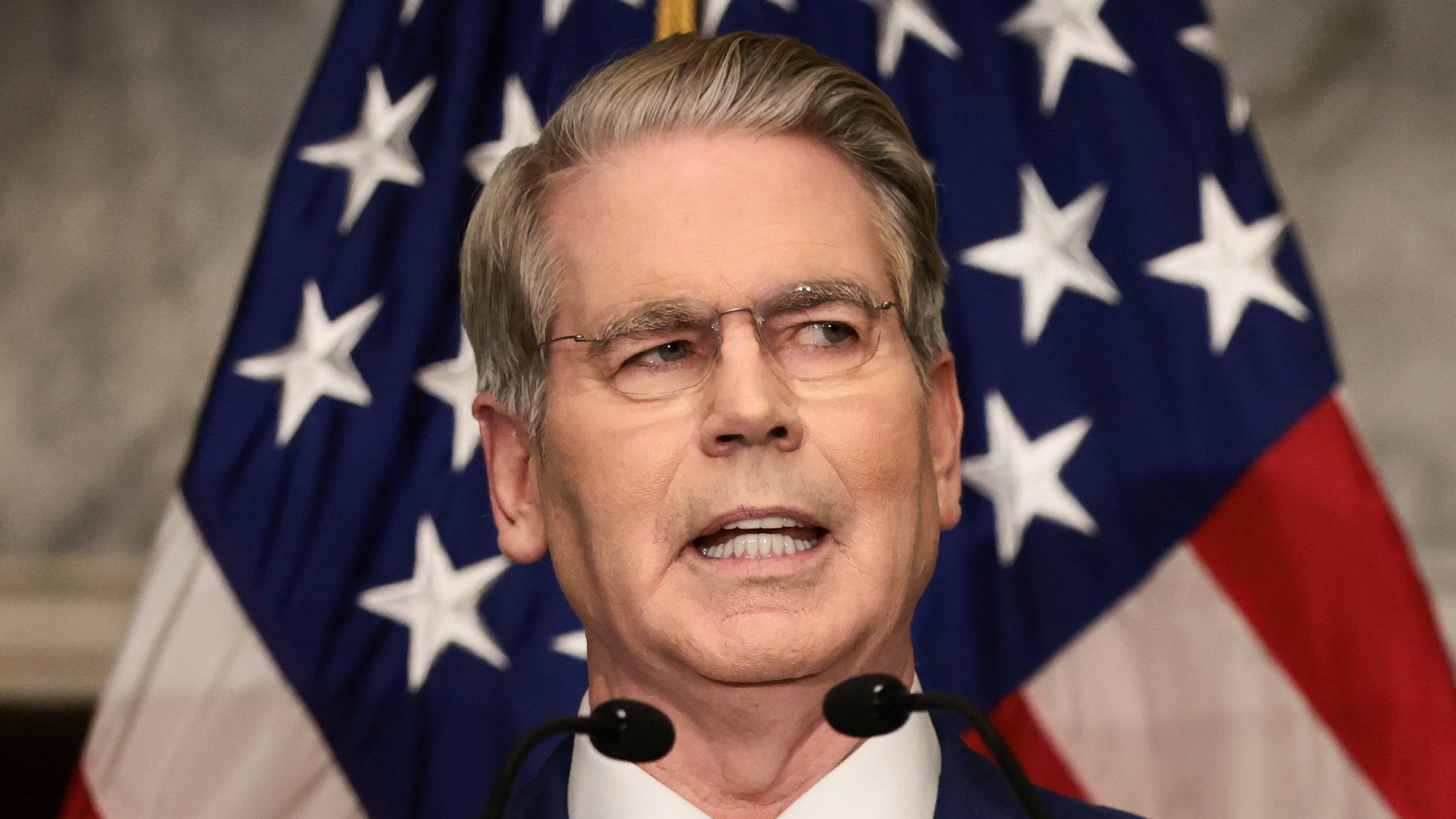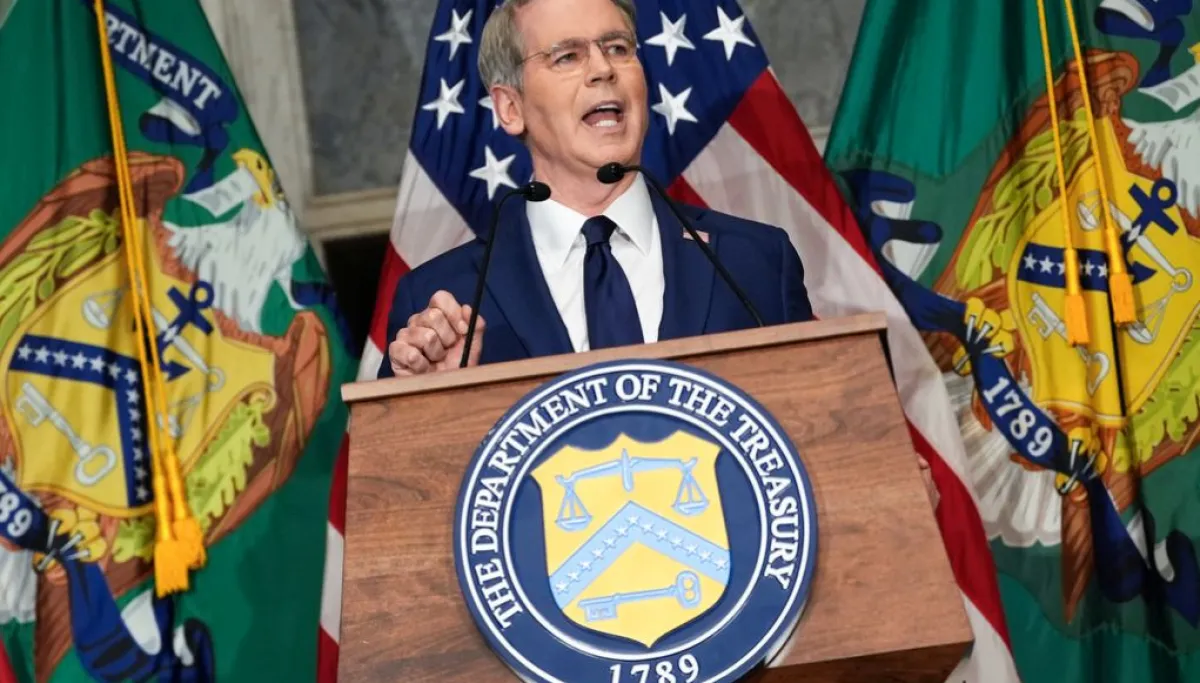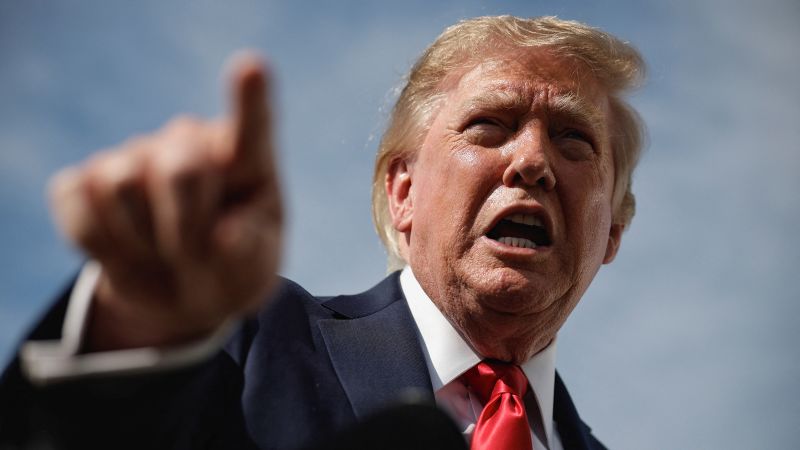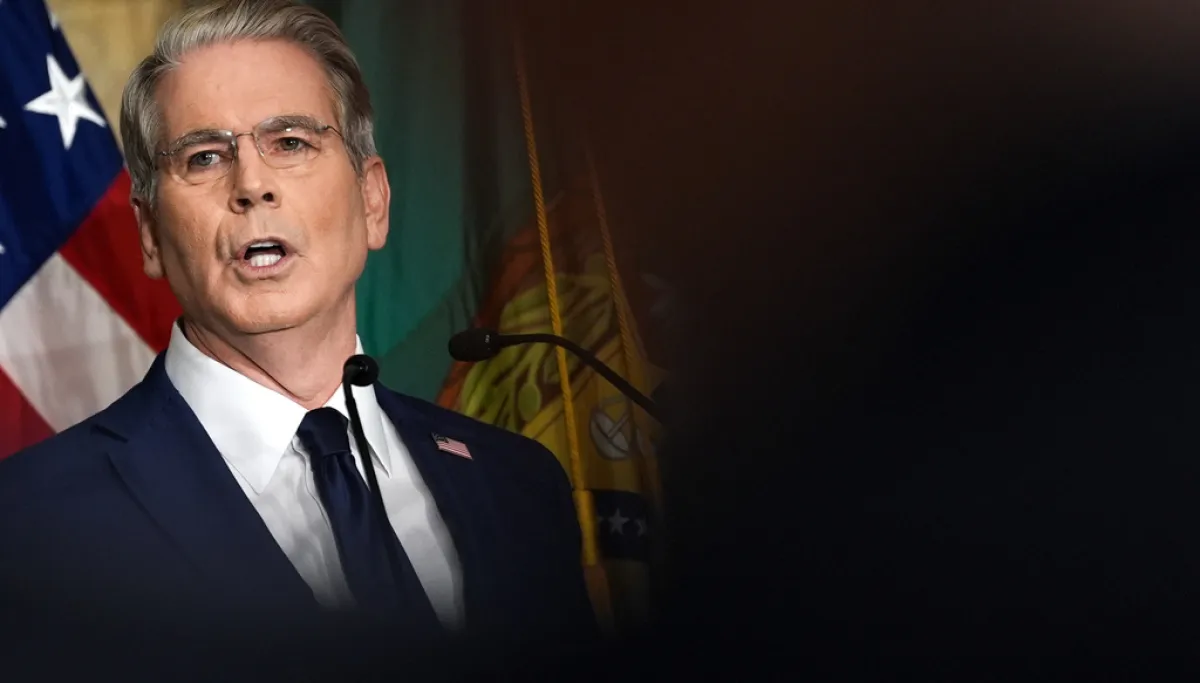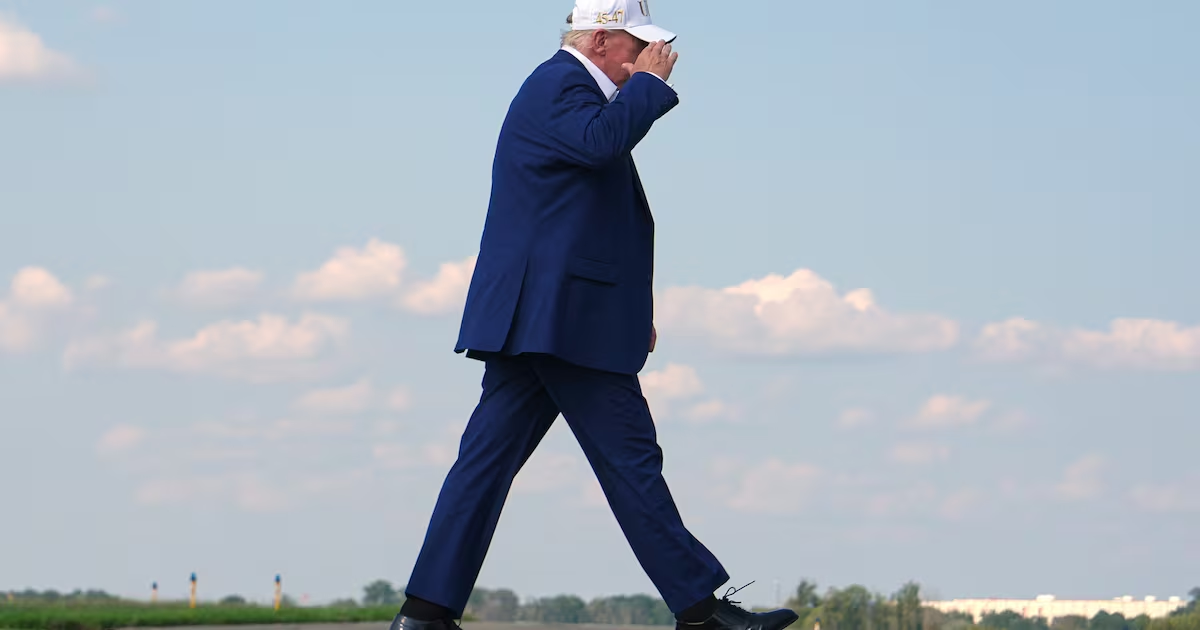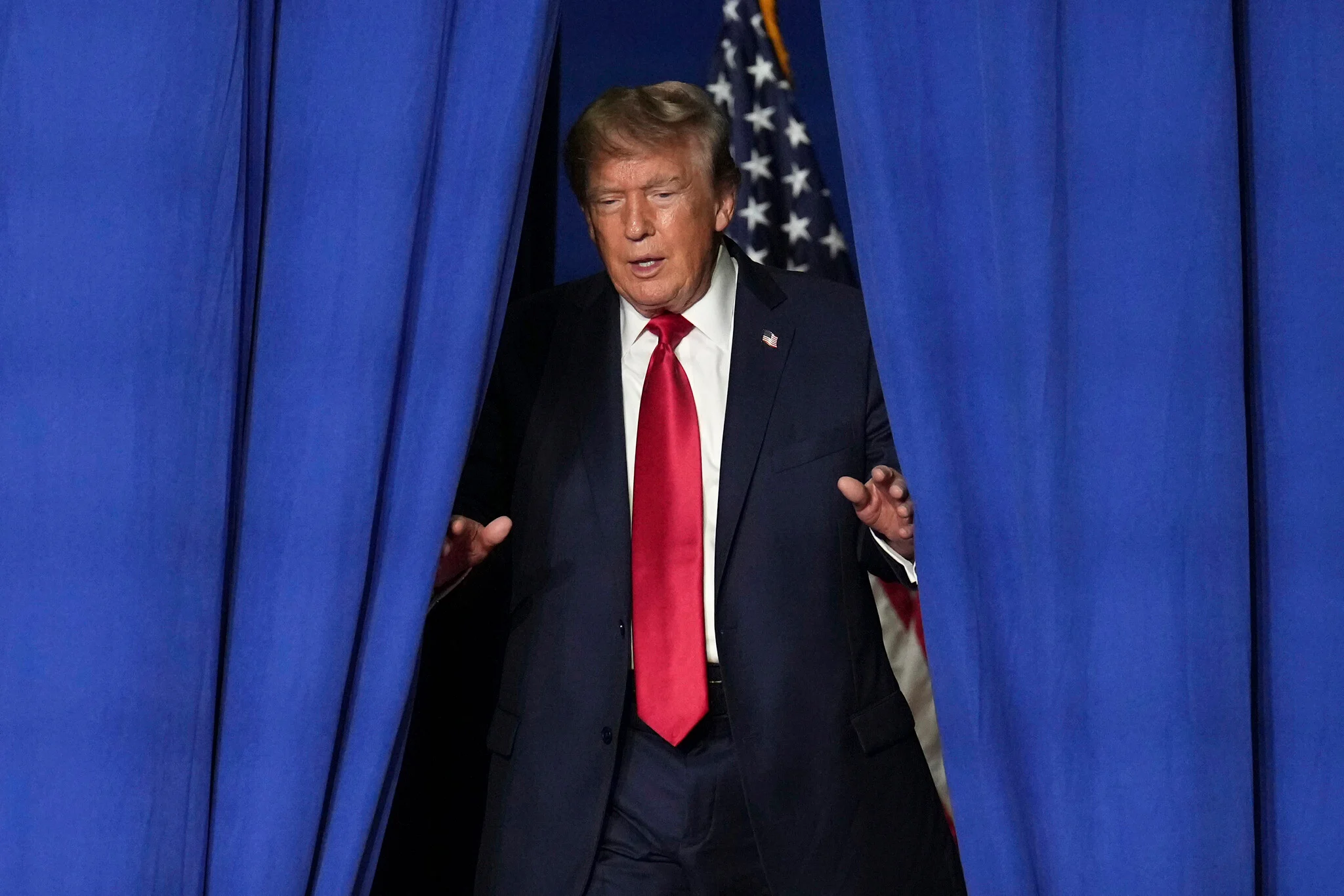
On Monday, US Treasury Secretary Scott Bessent stood onstage at the Treasury Department in Washington to publicly unveil the Trump administration’s latest move against the Islamic Republic.
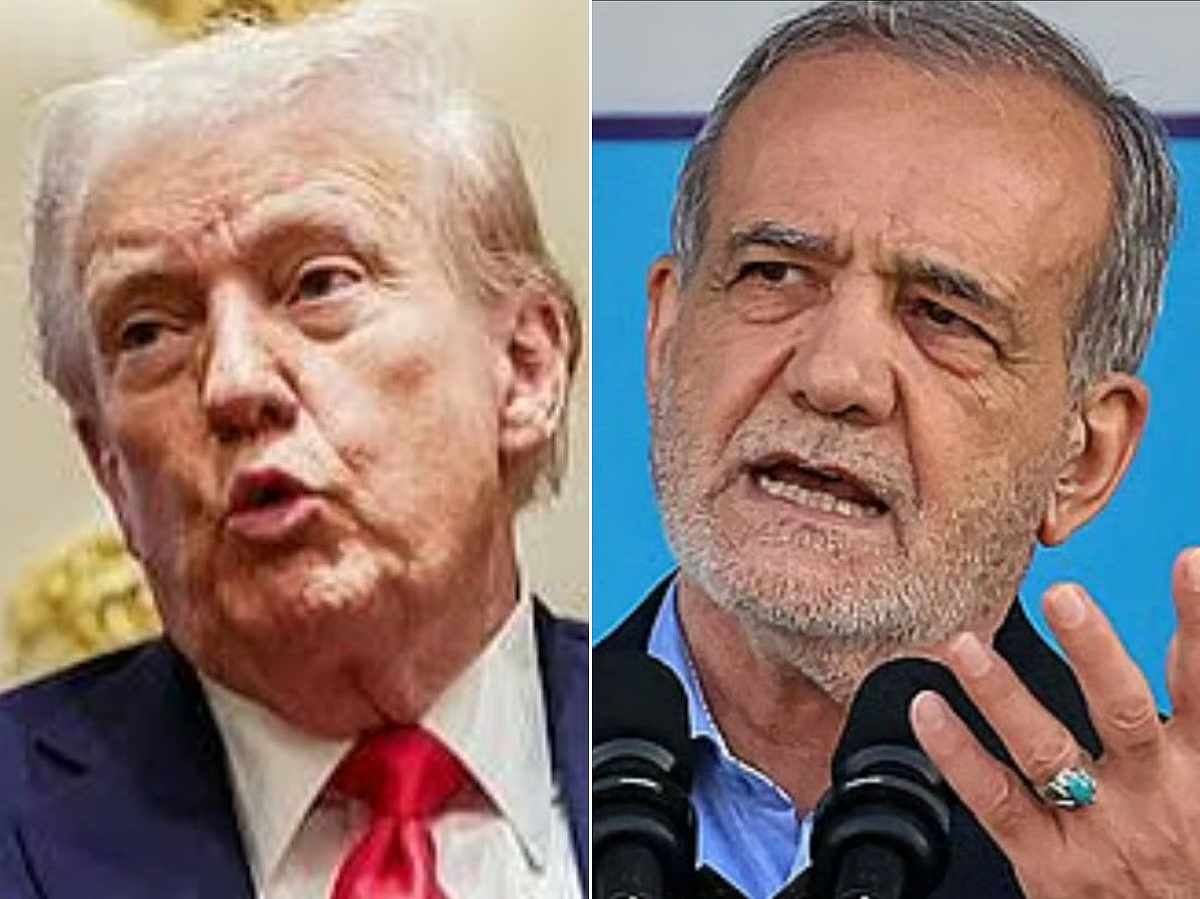
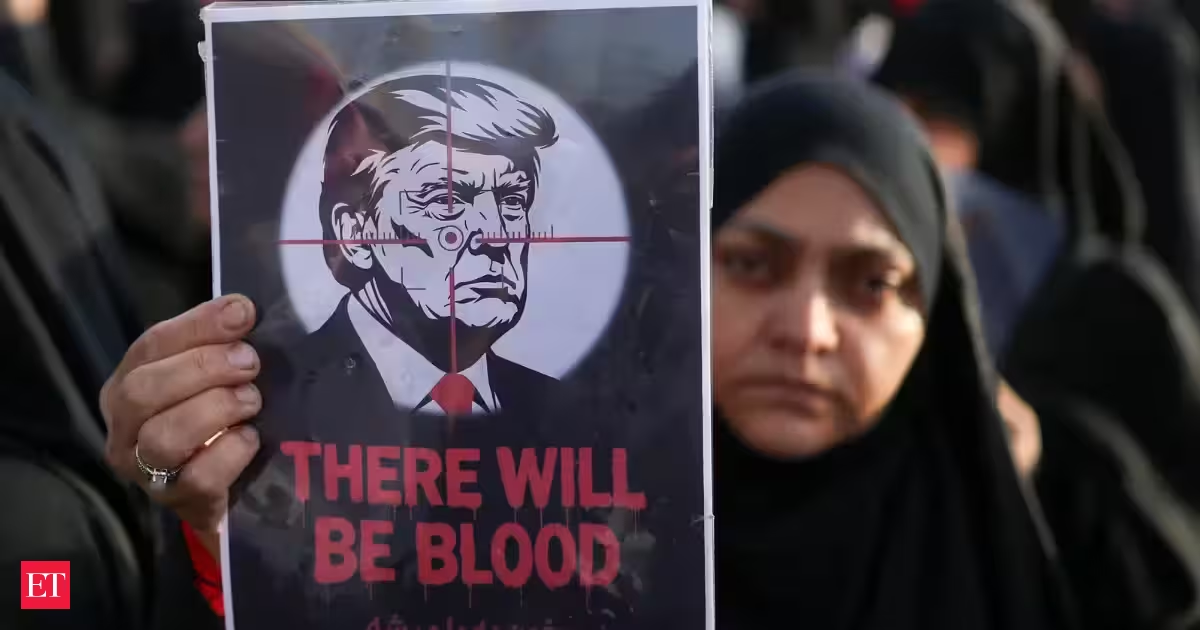
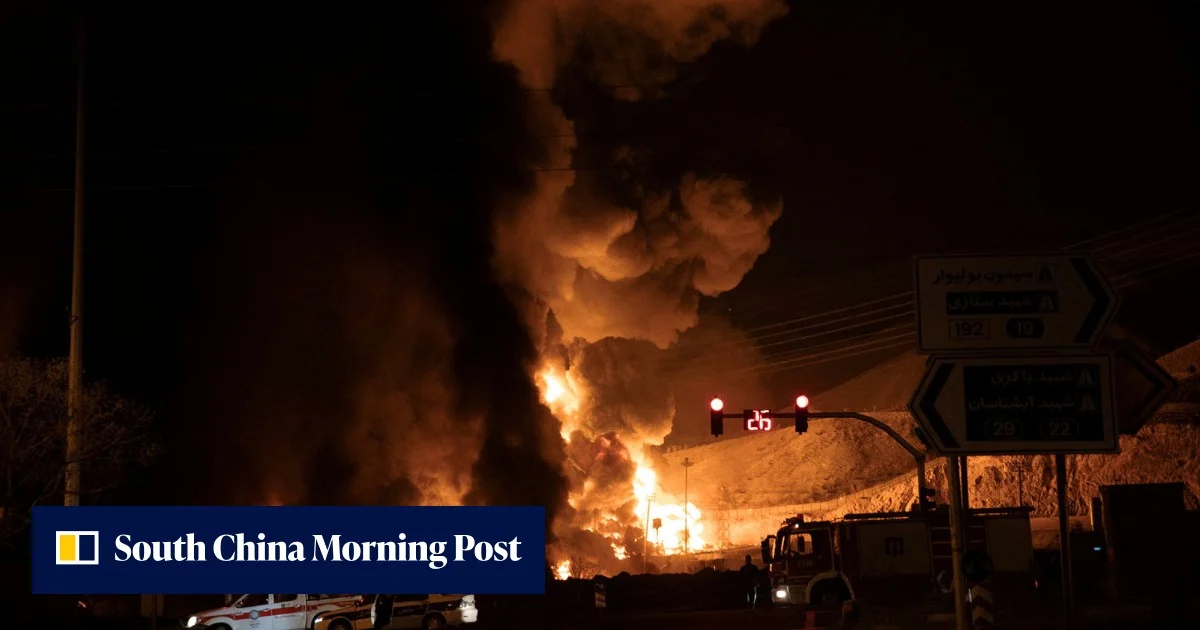
Since US President Donald Trump’s April ceasefire halted the joint US-Israeli bombing campaign against Iran, Washington and Tehran have been locked in a cycle of failed diplomacy and intermittent escalation. To break the stalemate, Bessent told reporters, the US would now unleash “an economic onslaught against Iran’s financial connections around the globe.”
“Our objective is to sever every economic lifeline that sustains this tyrannical regime until Tehran stands alone,” the secretary told reporters, warning that countries not joining US sanctions would “share in the isolation” of Iran and that Trump was already calling world leaders on the matter.
Prime Minister Benjamin Netanyahu welcomed the move and said Tuesday that he had urged Trump during their July meeting to “tighten the siege” on Iran by targeting regime support networks.
Some have asked whether the bombast will truly be backed up by strict imposition of the promised economic straitjacket. But even if the measures are fully enforced, it’s far from certain whether the sanctions will push Iran toward meaningful concessions, bring the regime closer to collapse, or simply cause the regime to dig in further, entrenching the standoff.