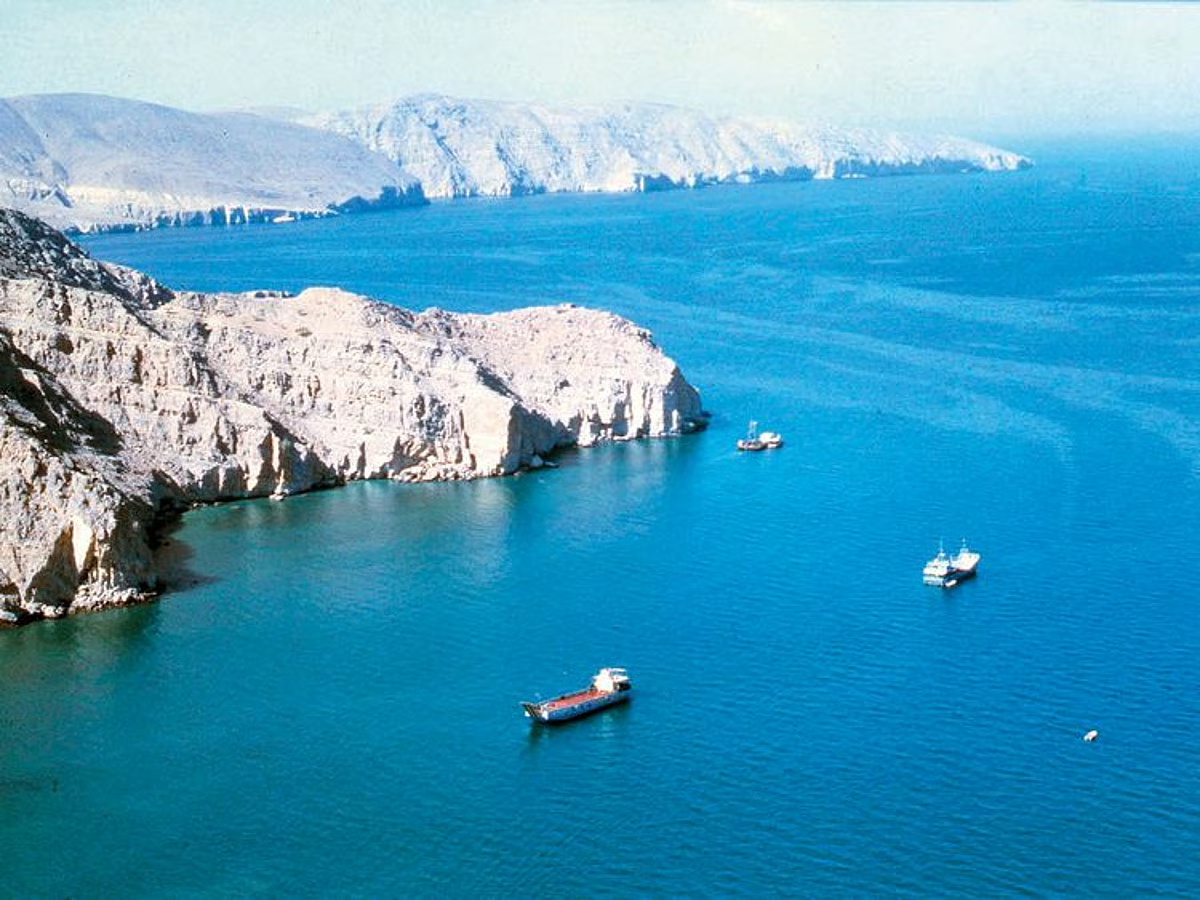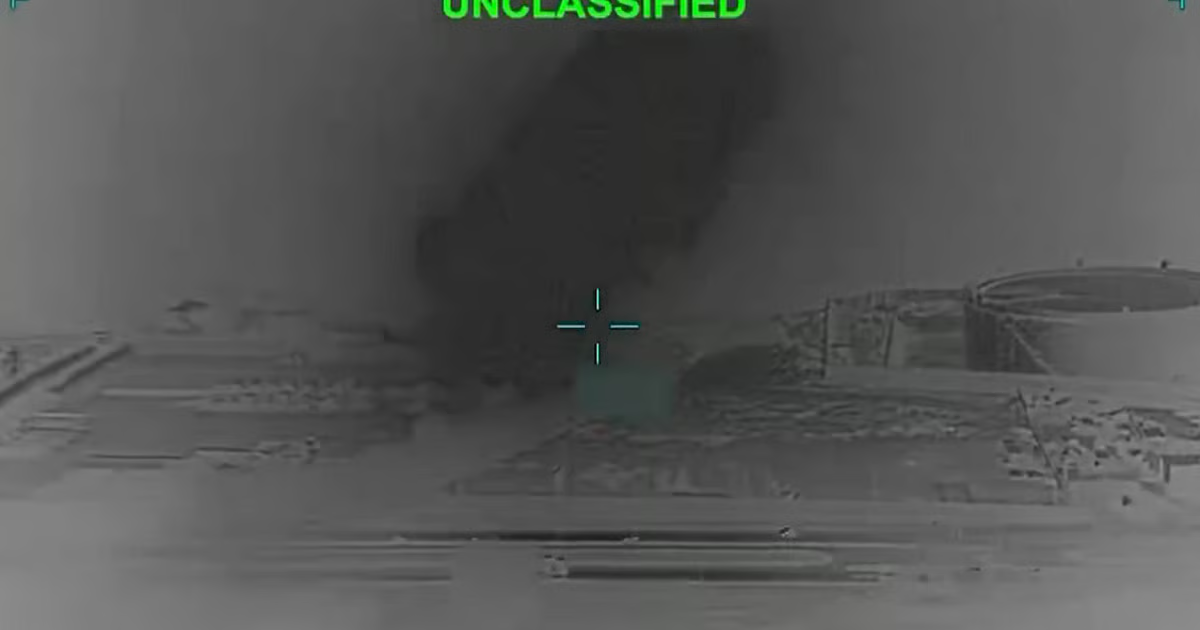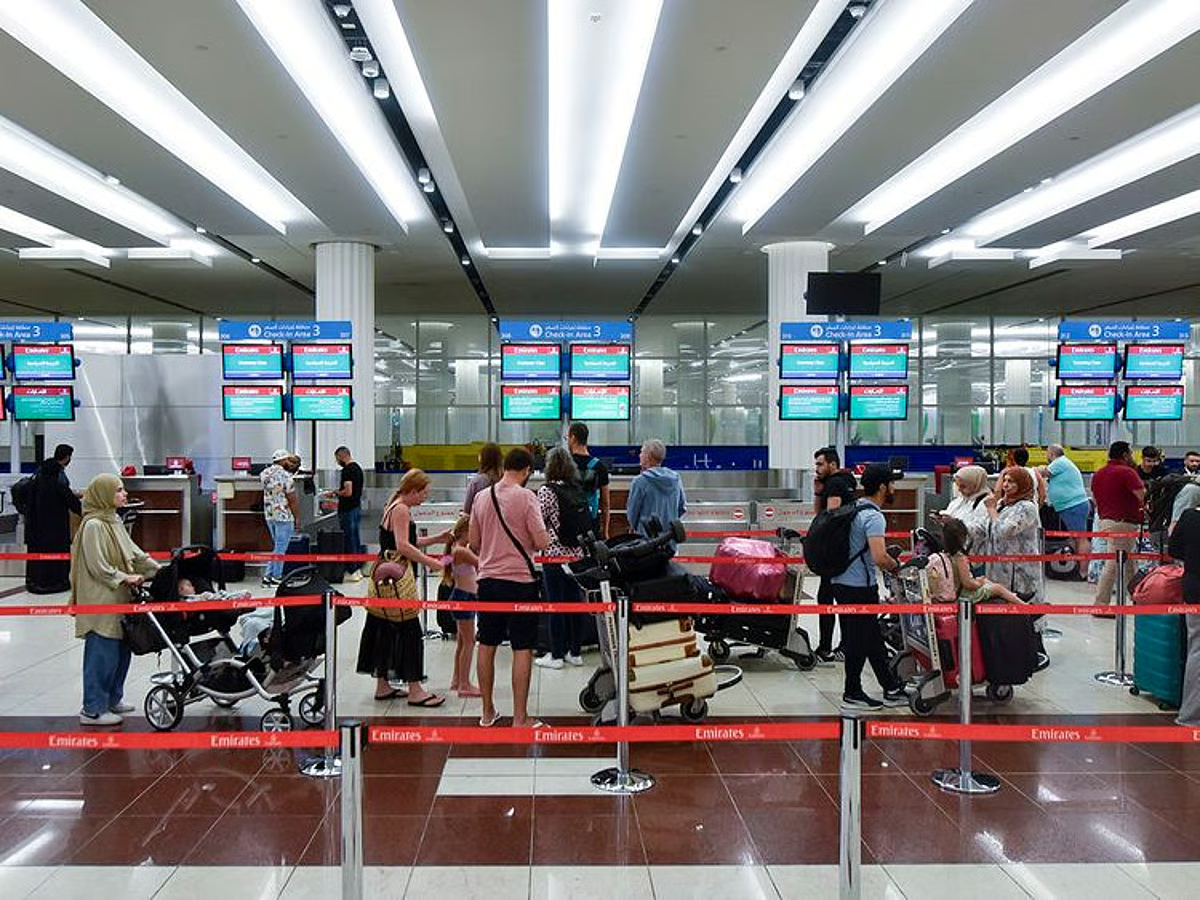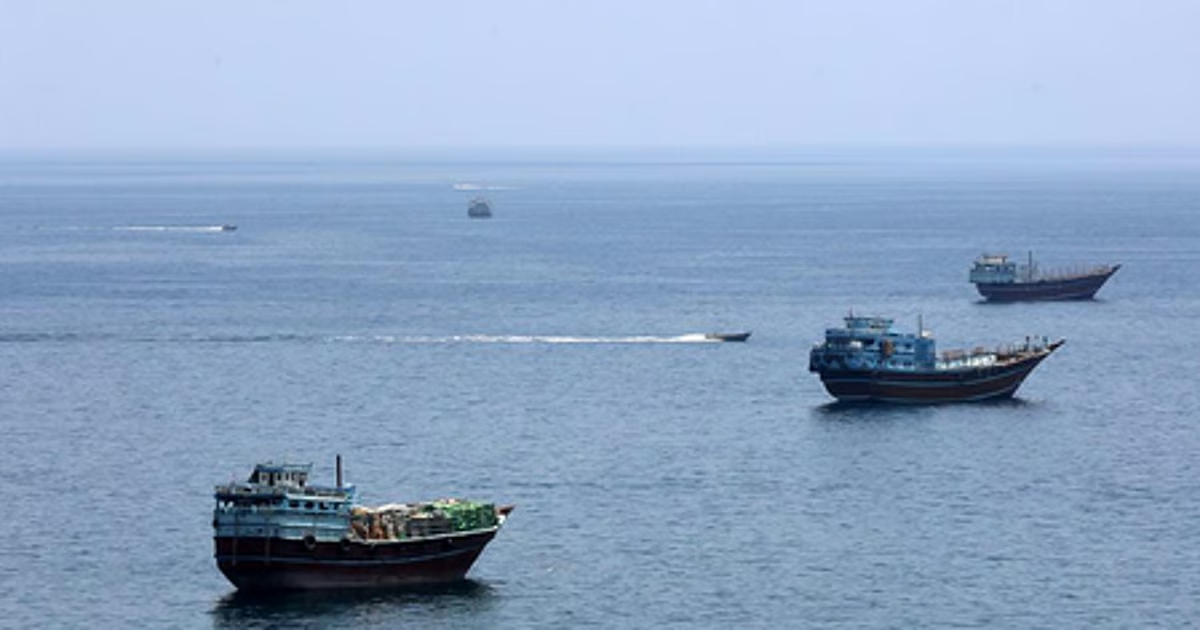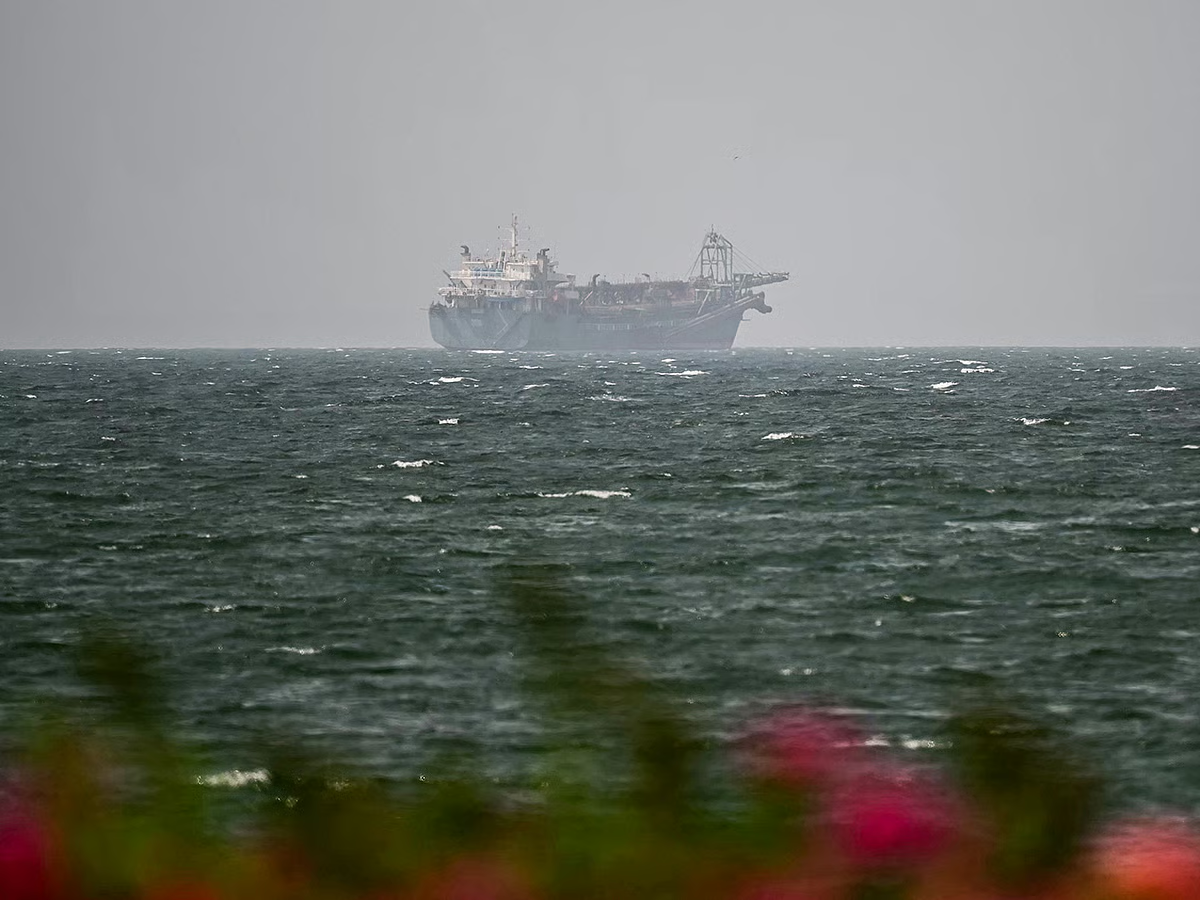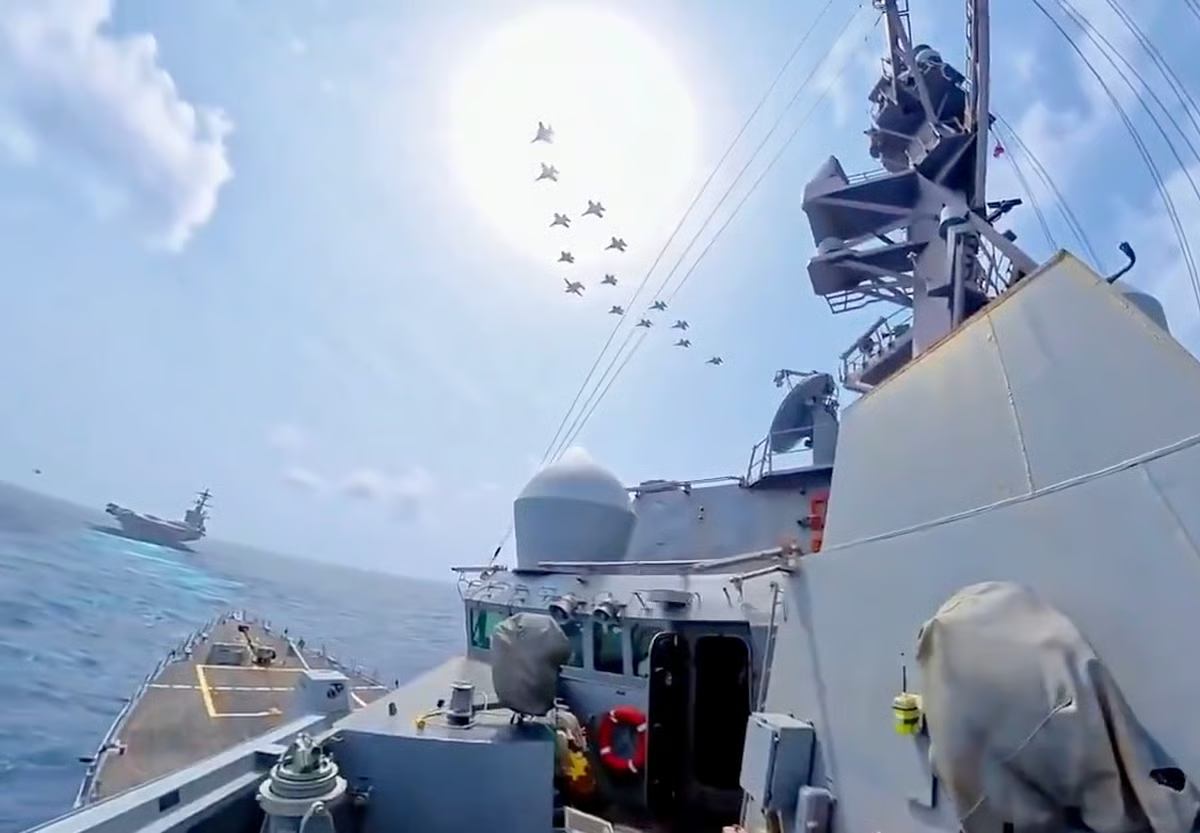
Trump hardens stance, Qatar pushes talks, Hormuz remains pressure point: Friday updatesLast updated: August 28, 2026 | 09:063 MIN READThe US military is keeping a tight grip over Iran-linked ships, keeping significant naval power in the region, sending a new carrier strike group to the region.@CentCom | XThe US-Iran conflict is entering a particularly delicate phase: Washington says it is not negotiating with Tehran, Iran is demanding conditions for reopening the Strait of Hormuz, and Qatar is making a fresh diplomatic push in Tehran.At the same time, the US military is keeping a tight grip over Iran-linked ships, keeping significant naval power in the region, sending a new carrier strike group as the prolonged conflict is reportedly putting pressure on US missile-defence stocks and keeping shipping and aviation risks elevated.Get it: Fast, verified news for FREE ... download the Gulf News app — simply click here For UAE residents, the immediate concerns remain security, flights, oil prices, shipping, banking restrictions and the possibility of another escalation.Here are the key developments on Friday, Aug. 28, 2026.Trump says the US is not talking to IranThe biggest diplomatic complication is the widening gap between indirect mediation and actual US-Iran negotiations.US President Donald Trump said Thursday that Washington is not currently talking to Iran, while the White House said Tehran must engage in a meaningful way before negotiations can resume.The administration is instead intensifying economic pressure through what it calls "Operation Economic Outcast", with sanctions aimed at choking Iran's access to money and international trade.Qatar is talking to Iran. Oman is talking to Iran. Pakistan is involved in mediation. But Washington says there are no US-Iran talks.That means the current diplomatic process is still essentially indirect diplomacy.Qatar's prime minister is in TehranQatar's Prime Minister and Foreign Minister Sheikh Mohammed bin Abdulrahman Al Thani has met Iranian President Masoud Pezeshkian and Foreign Minister Abbas Araghchi in Tehran.His mission: to try to revive a diplomatic pathway and prevent the conflict from escalating further. Qatar is particularly important because Doha has previously played a role in mediating between Iran and the United States. The latest effort comes as Oman and Iran work separately on a possible arrangement for commercial shipping through Hormuz.Why this mattersAny breakthrough could quickly affect:Strait of Hormuz shippingoil and gas pricesInflationmaritime insuranceaviation routesinvestor confidenceregional securityA reopening mechanism is emerging: Hormuz remains key sticking pointThe most significant potentially positive development is the emerging Iran-Oman shipping arrangement in the Straight of Hormuz.Iran says it has reached an initial understanding with Oman for a temporary shipping corridor through the strategy waterway, involving both Iranian and Omani territorial waters.Oman and Iran are also discussing mine-clearing operations and procedures for safely moving commercial vessels.But this is not a full reopening yet.Hormuz today: Possible corridor, but not the same as 'normal' shippingShipping traffic through the strait has increased slightly. Kpler data showed 10 commodity vessels transited the strait Wednesday, compared with eight the previous day.But the figure remains below the 10-day average of 15 vessels — and dramatically below pre-war traffic levels.A tanker was also hit by an unidentified projectile, underscoring that the route remains dangerous.For UAE businesses, the message is: Hormuz may be moving toward a controlled reopening — but it is nowhere near normal.US military presence remains substantial
US-Iran conflict: What UAE residents need to know today, Aug. 28
US-Iran tensions and Hormuz risks: key updates UAE residents need today, Aug. 28, on security, flights, oil prices, shipping and banking restrictions.
760 words~3 min read