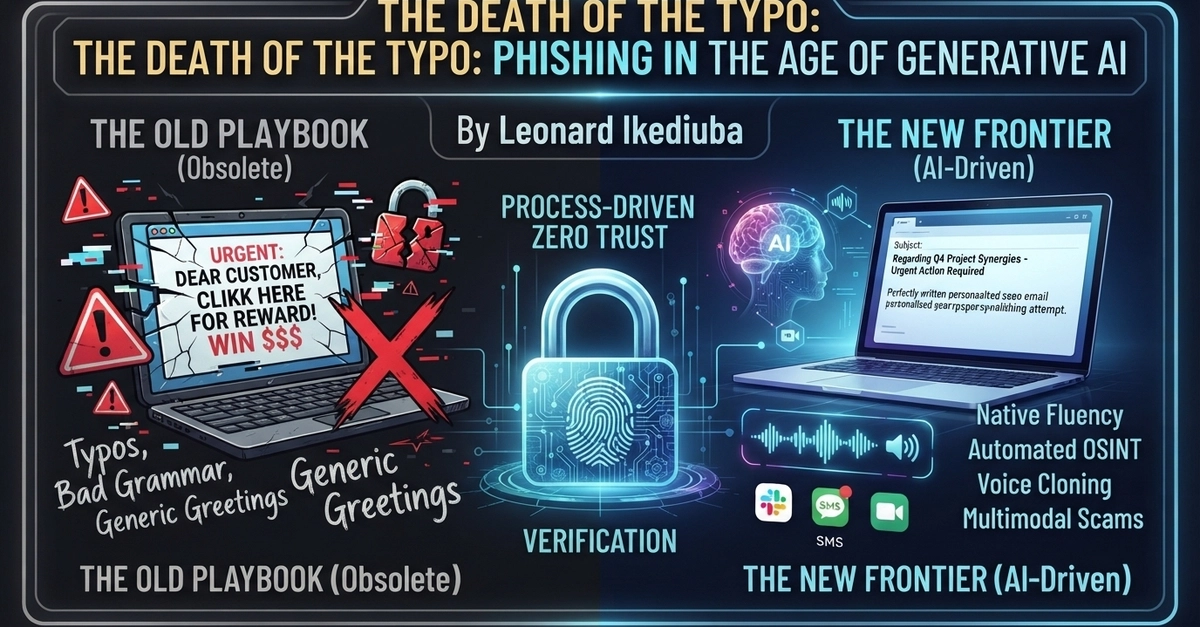
For years, spotting a scam was supposed to be a cinch. The email came from a suspicious address, the spelling was primary school level, the promise was hilariously unlikely, and somewhere in the middle sat a link that was an alphanumeric stew. Ignore it, delete that, and carry on. Right?That advice still has some value, but it no longer tells the whole story. Modern scams are increasingly designed to look like something you'd expect to receive, whether that's a delivery notification, a message from your bank, an account alert, or a conversation with someone you know.The trick isn't necessarily convincing you that a canon life event is happening. It's convincing you that something completely ordinary is occurring, then getting you to react before you stop to question it.
You May Also Like
The most dangerous scams are the ones that fit inA fake parcel notification doesn't need to promise you a billion dollars; it only needs to arrive on the same afternoon you're actually waiting for a delivery. A fraudulent banking message doesn't need an elaborate story when it can simply claim there's been a dodgy transaction and ask you to investigate.Scammers create a familiar situation, introduce a small problem or opportunity, then give you a straightforward way to resolve it.Scammers aren't necessarily trying to beat you at a game of intelligence. They're trying to control the circumstances in which you make a decision.Urgency is the scammer's favourite toolOne of the most useful warning signs is also one of the oldest: pressure.Messages telling you to act immediately, warning that an account will be kiboshed, claiming that a payment has bounced, or suggesting an opportunity will disappear are designed to short-circuit the bit of your brain that would normally ask whether the message makes sense.The warning sign is being pushed towards a decision before you've had time to verify what's happening.If a message claims to be from your bank, don't use the phone number or link supplied in it. Open the bank's official app or website yourself. If someone appears to be contacting you on behalf of a company, find that company's contact details independently.It might take another minute. That's precisely the point.Your eyes aren't the security system they used to beRubbish spelling, strange formatting and laughably suspicious URLs remain useful clues, but they're no longer a complete defence.Generative AI has made it easier to produce polished, convincing text, while scammers can combine legitimate branding, copied websites and familiar language to make fraudulent communications look considerably more professional than the phishing attempts many of us grew up recognising.