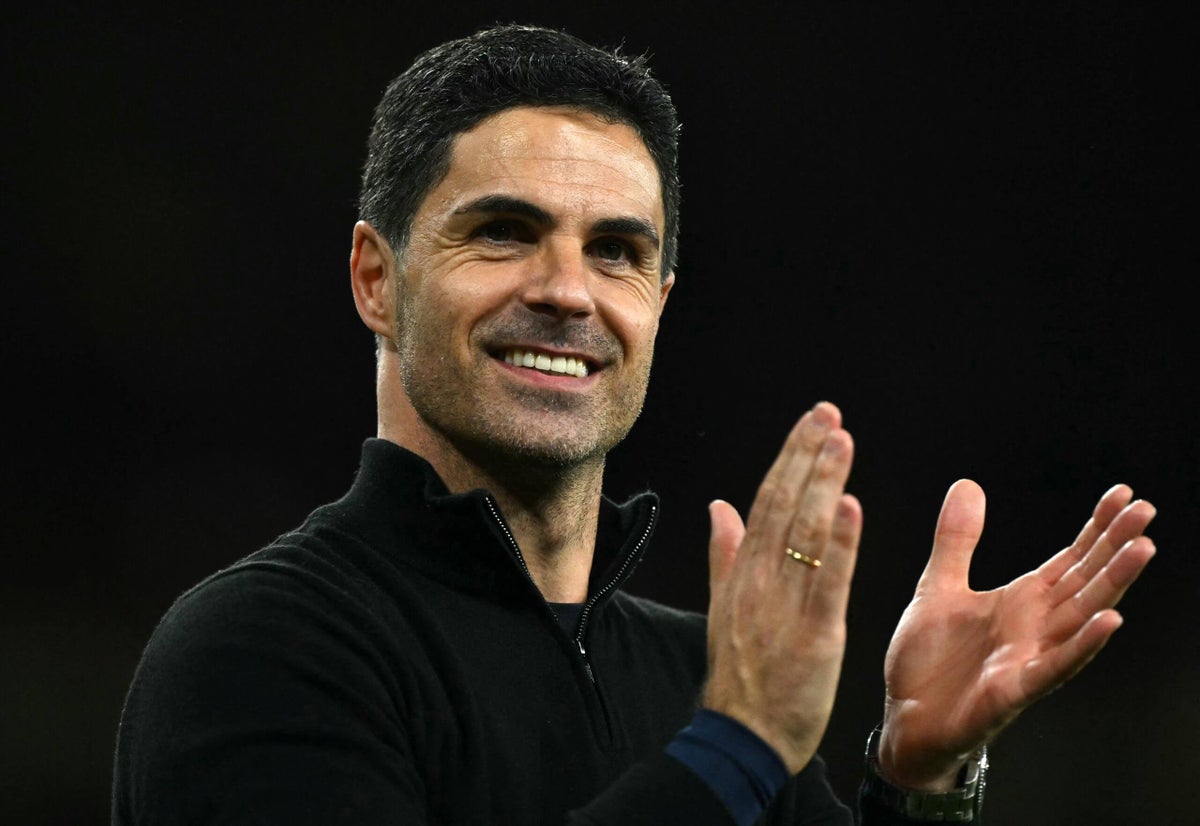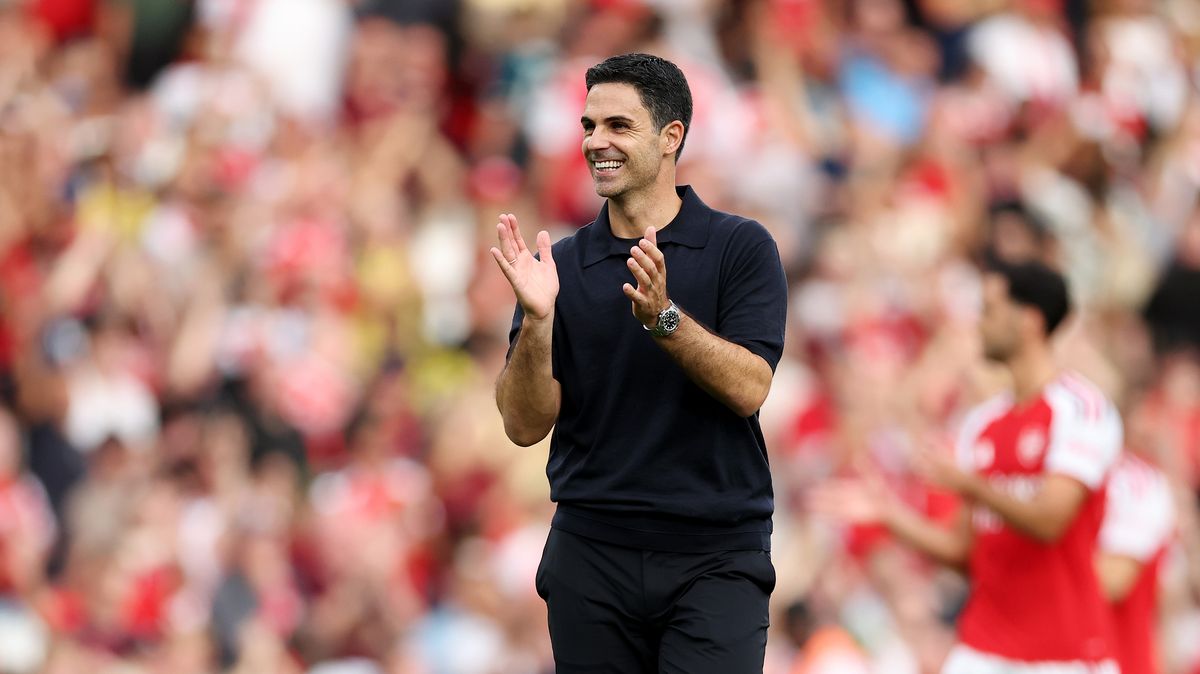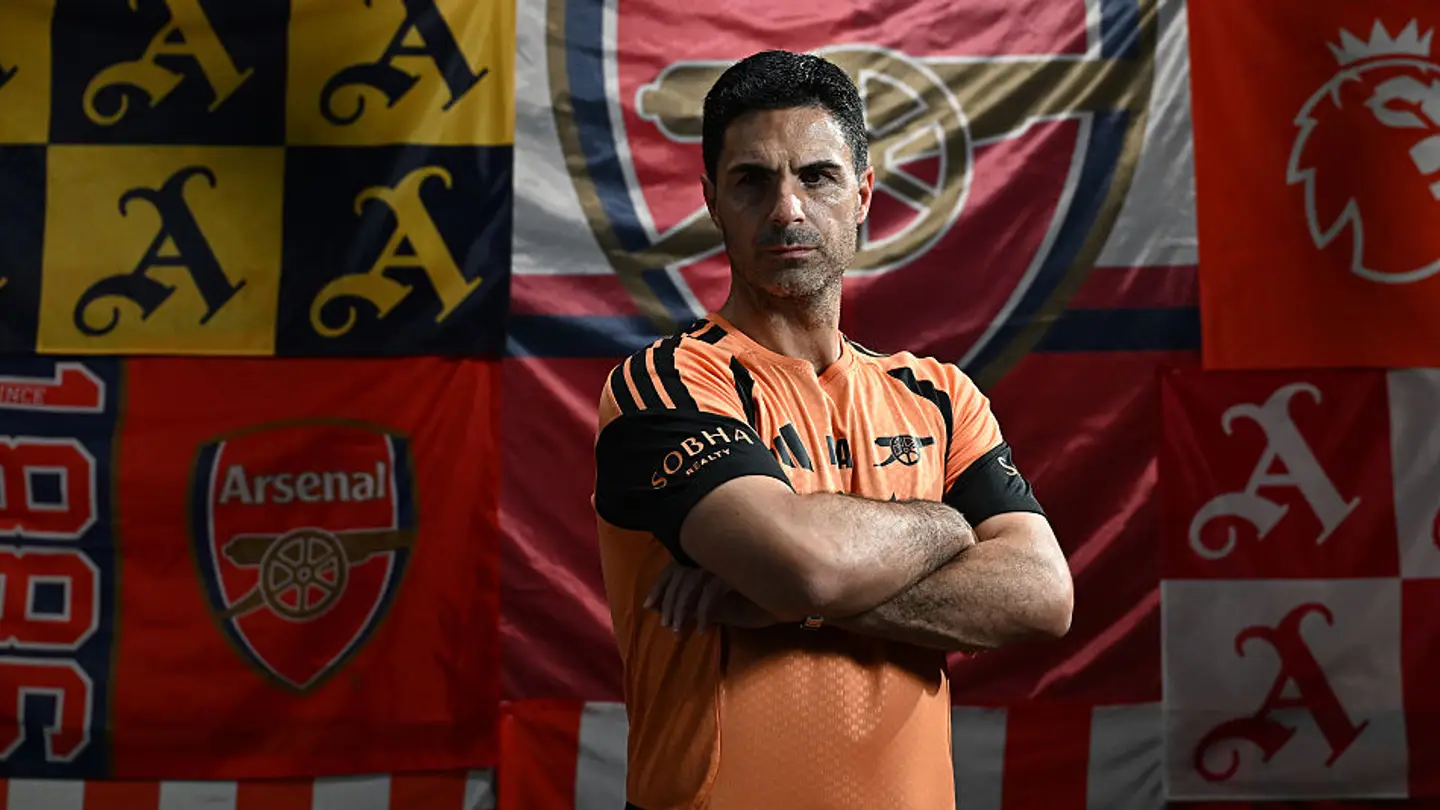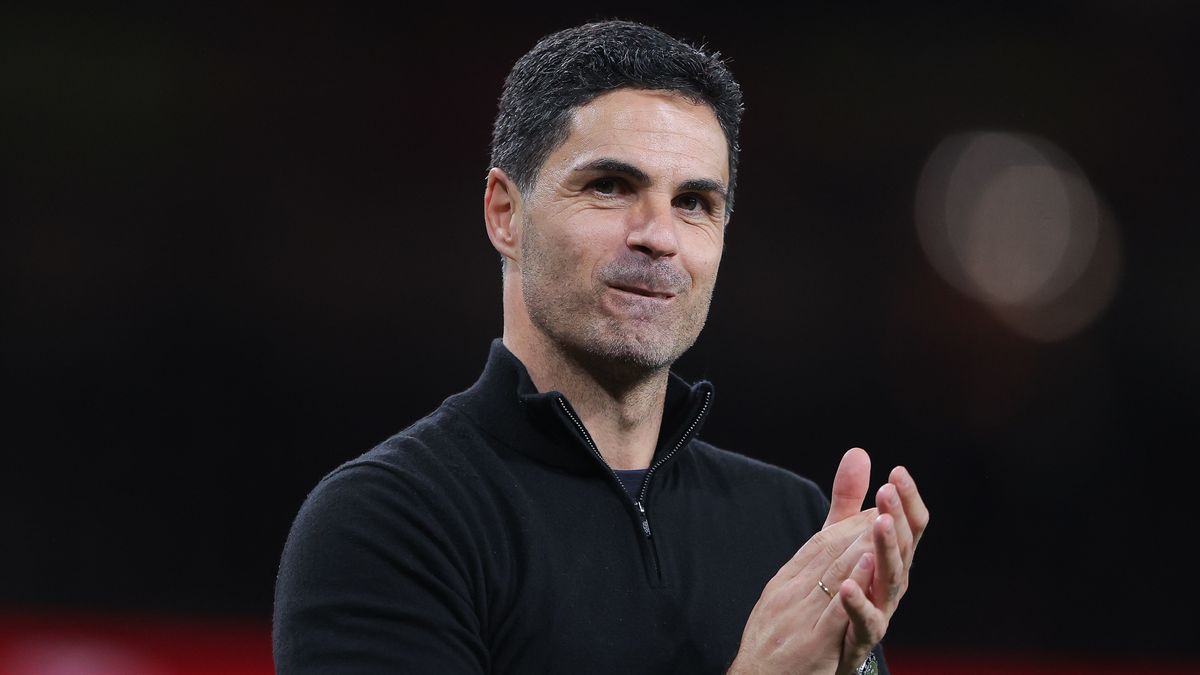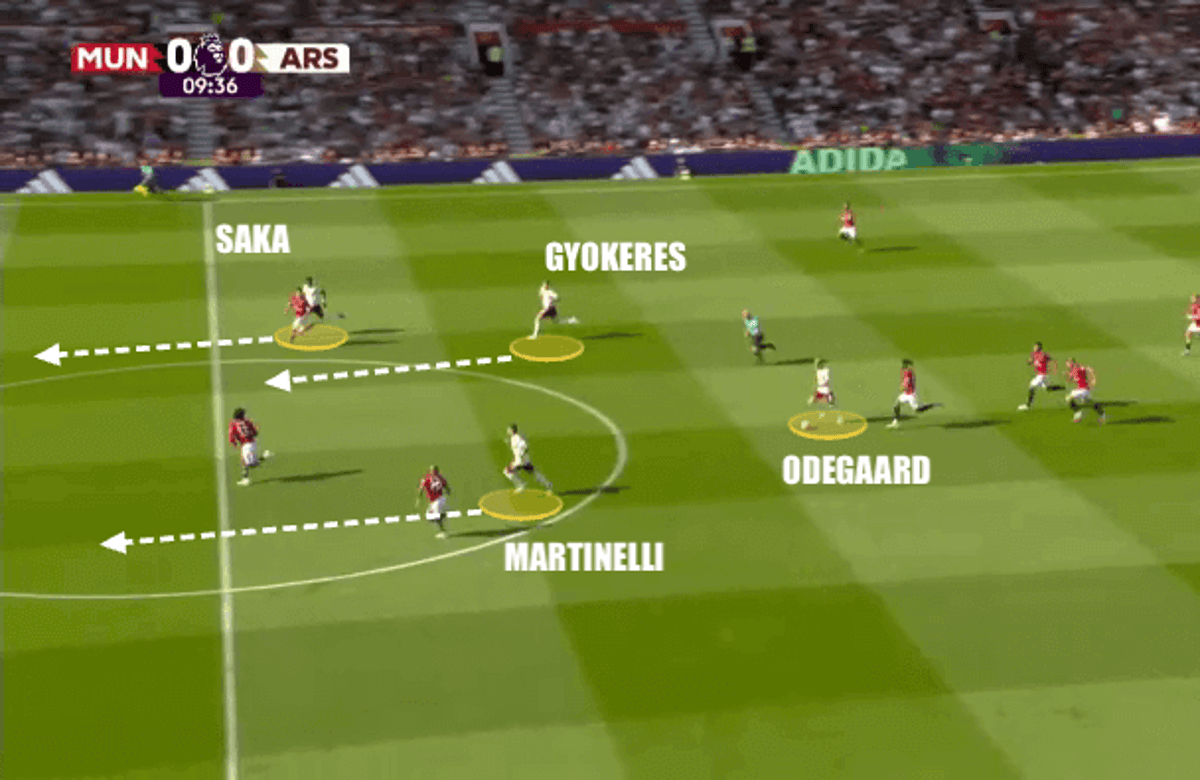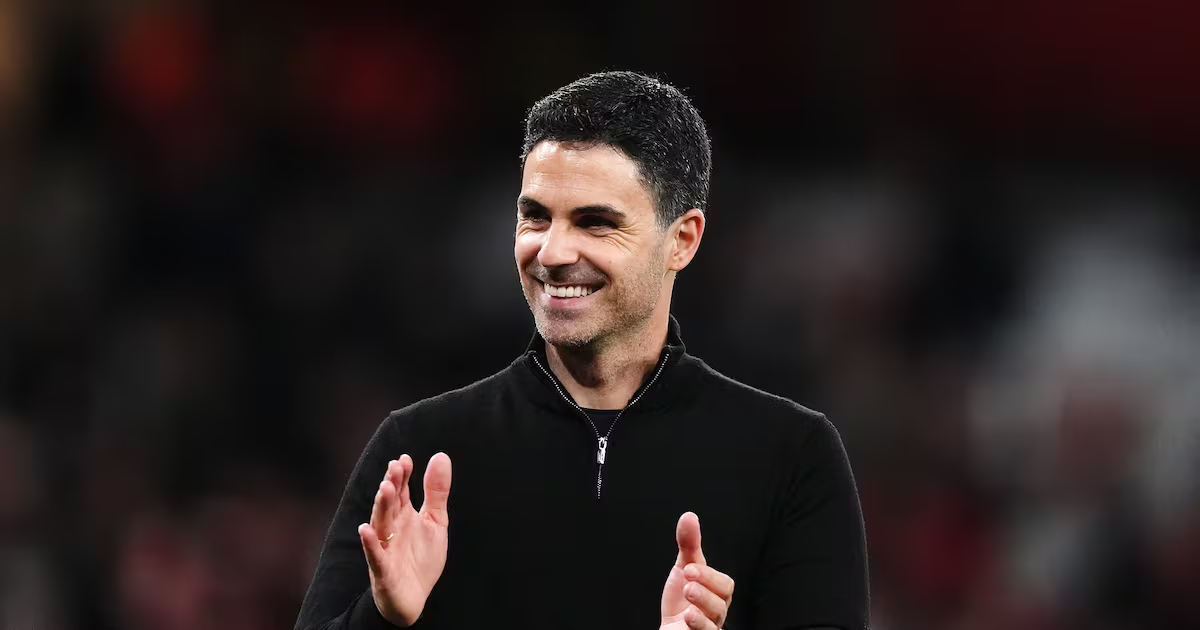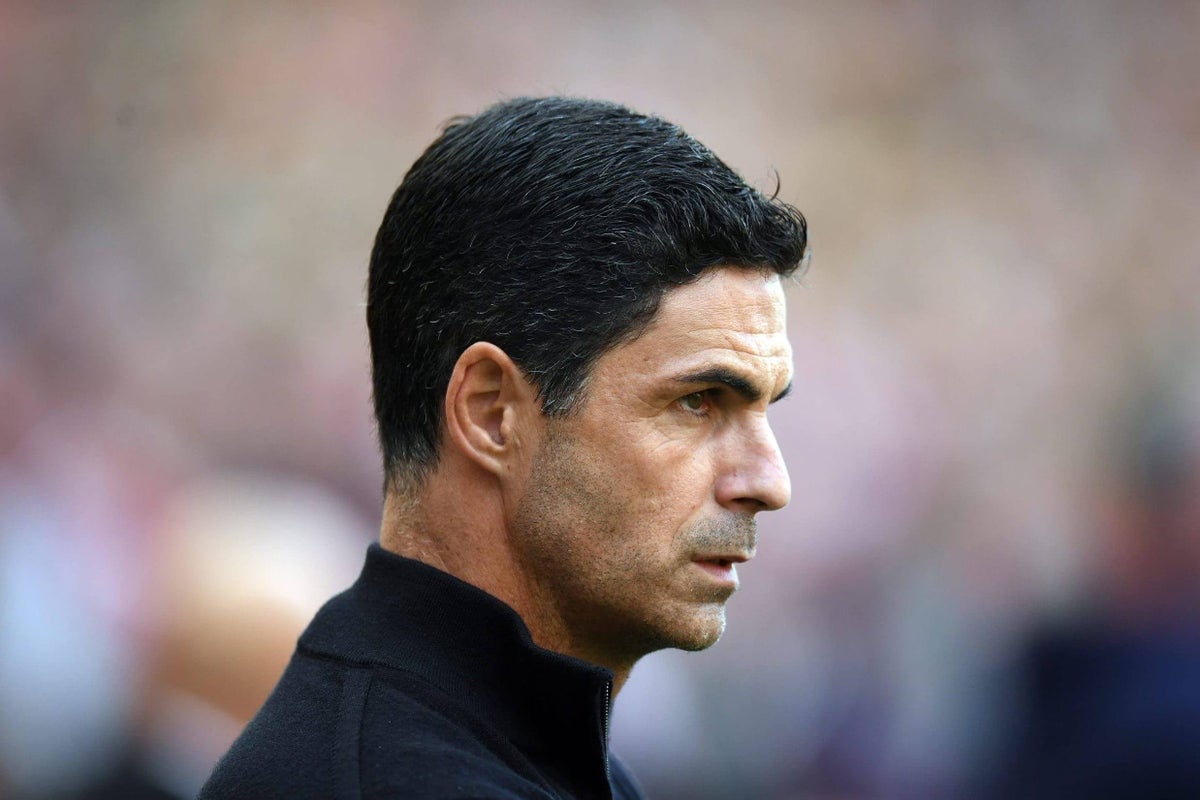
There can often be a stark difference between perceptions and reality.As Mikel Arteta pounded the rock by finishing second for three years in a row before finally winning the Premier League with his Arsenal side last season, there was a growing sense their football became more boring over those years because he wanted it to be that way. It was not uncommon for the north Londoners to be stuck in chess-like football matches decided by tight margins. That did not make for great viewing for neutrals who had not been on the journey with Arsenal or Arteta.The 44-year-old, who is now a champion in what is his first managerial job, is now the longest-serving current boss across all 92 teams in the Premier League and EFL (six years and 248 days, almost a year ahead of Nigel Clough at third-tier Mansfield Town, who is second on the list). He has had to act like a chameleon, constantly evolving, and it appears we could be in the early stages of the next evolutionary step for both himself and football as a whole.Before we get to what is next for Arteta, and football more generally, how has he had to reinvent himself since taking charge at Arsenal in December 2019?His ‘end-goal’ was to play in an expansive 4-3-3, but he compromised. Arteta switched to a back three to make his side more competitive, and that helped him guide Arsenal to an FA Cup final win after just eight months in the job in August 2020.He stuck with that shape for too long in the following season (2020-21), and it became predictable, until Emile Smith Rowe’s introduction as a No 10 against Chelsea on Boxing Day reinvigorated Arsenal.In 2021, signing six players aged 23 or under laid the foundations for a squad who would grow and succeed together. The seeds that led to the best football played under Arteta were sown in early 2022, and blossomed with the additions of Gabriel Jesus and Oleksandr Zinchenko, both from future title rivals Manchester City.After going toe-to-toe with City in 2023, losing 4-1 to them in Manchester on the run-in, Arteta said: “It took us a while to get over what happened at the Etihad, but we don’t want to accept that. You have to recognise that, on the day, when they took the game to a different level, we didn’t reach that level.”To close that gap, Arteta decided his team needed to be more robust. So, in came Declan Rice, Kai Havertz and Jurrien Timber. The arrival of goalkeeper David Raya that summer also pointed to the manager’s obsession with thinking ahead.The arrival of Rice made Arsenal more robust (Mike Hewitt/Getty Images)Year on year, Arteta has identified problems and found solutions — even if it has come at the cost of the neutral’s enjoyment. Because his job is not to please those watching, but to win football matches.When Arsenal’s playing style over the past two seasons in particular is viewed through that lens of constant adaptation, and a mountain of injuries across the squad, it makes much more sense — especially given the football that was served up between 2021 and 2024.“It’s (about) playing the best football that you possibly can, and what the game demands,” Arteta said before delving into the rapid increase in man-to-man marking — initiated by Eddie Howe’s Newcastle United — in the Premier League since January 2023 that forced him to adapt Arsenal’s style of play domestically.But England’s defending champions have opened 2026-27 with a sense of liberation in their first two fixtures, against City in the Community Shield and promoted Coventry in the league. So, has this been a taste of what their next evolutionary step under Arteta might be?
Mikel Arteta and Arsenal are constantly evolving — just like football
If Arsenal are about to make a change to the style of play that won them the Premier League, it might only match what will happen elsewhere
1,771 words~8 min read