Story audio is generated using AI
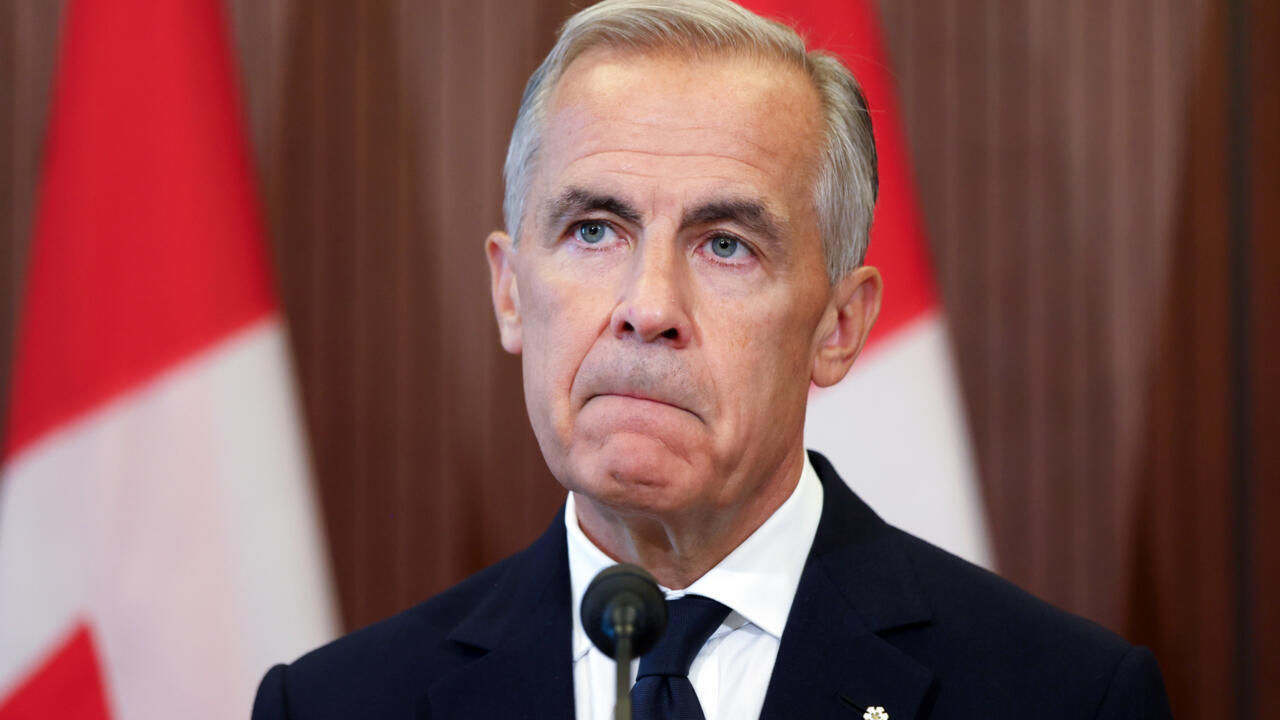
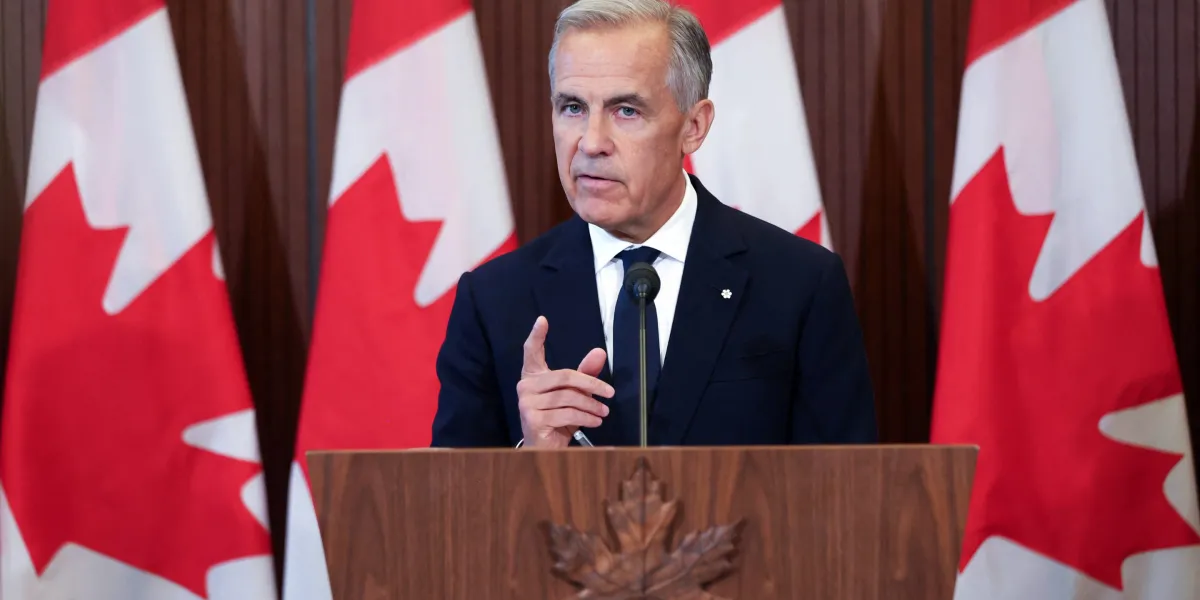
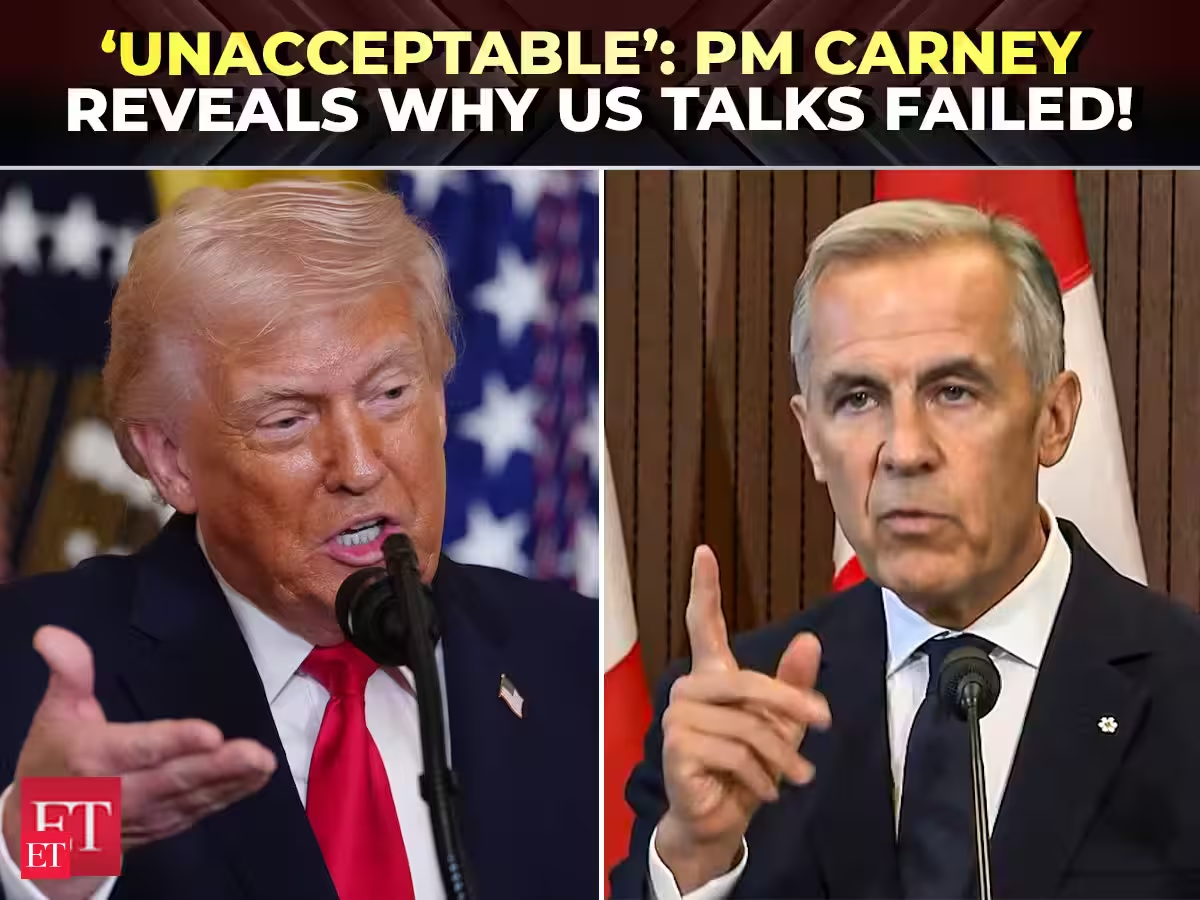
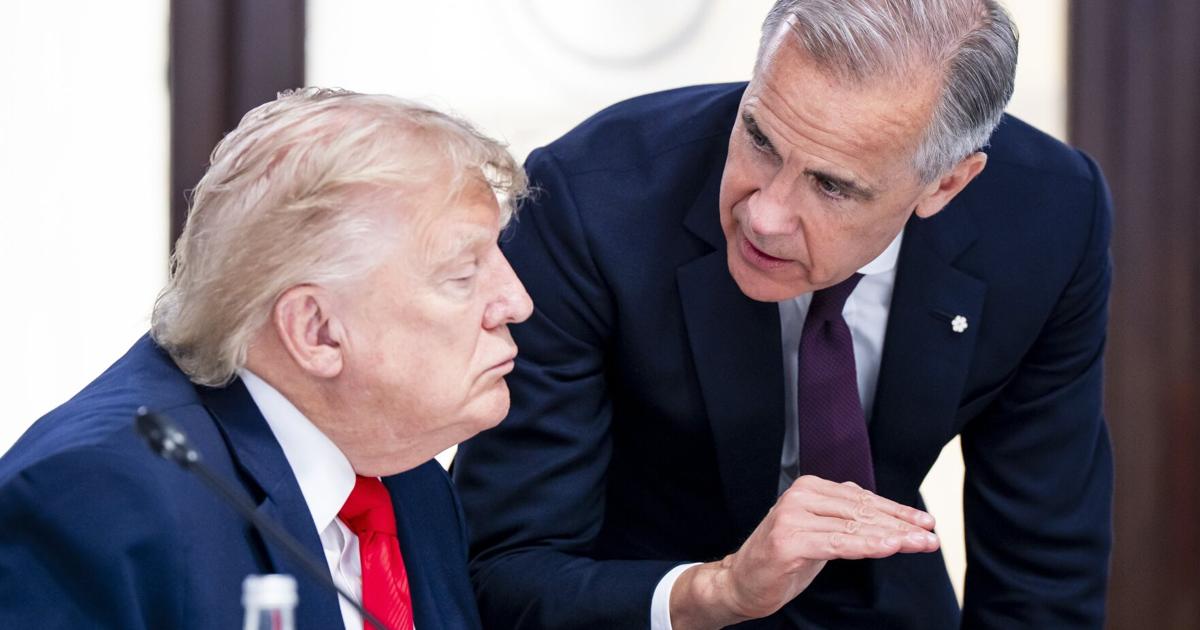
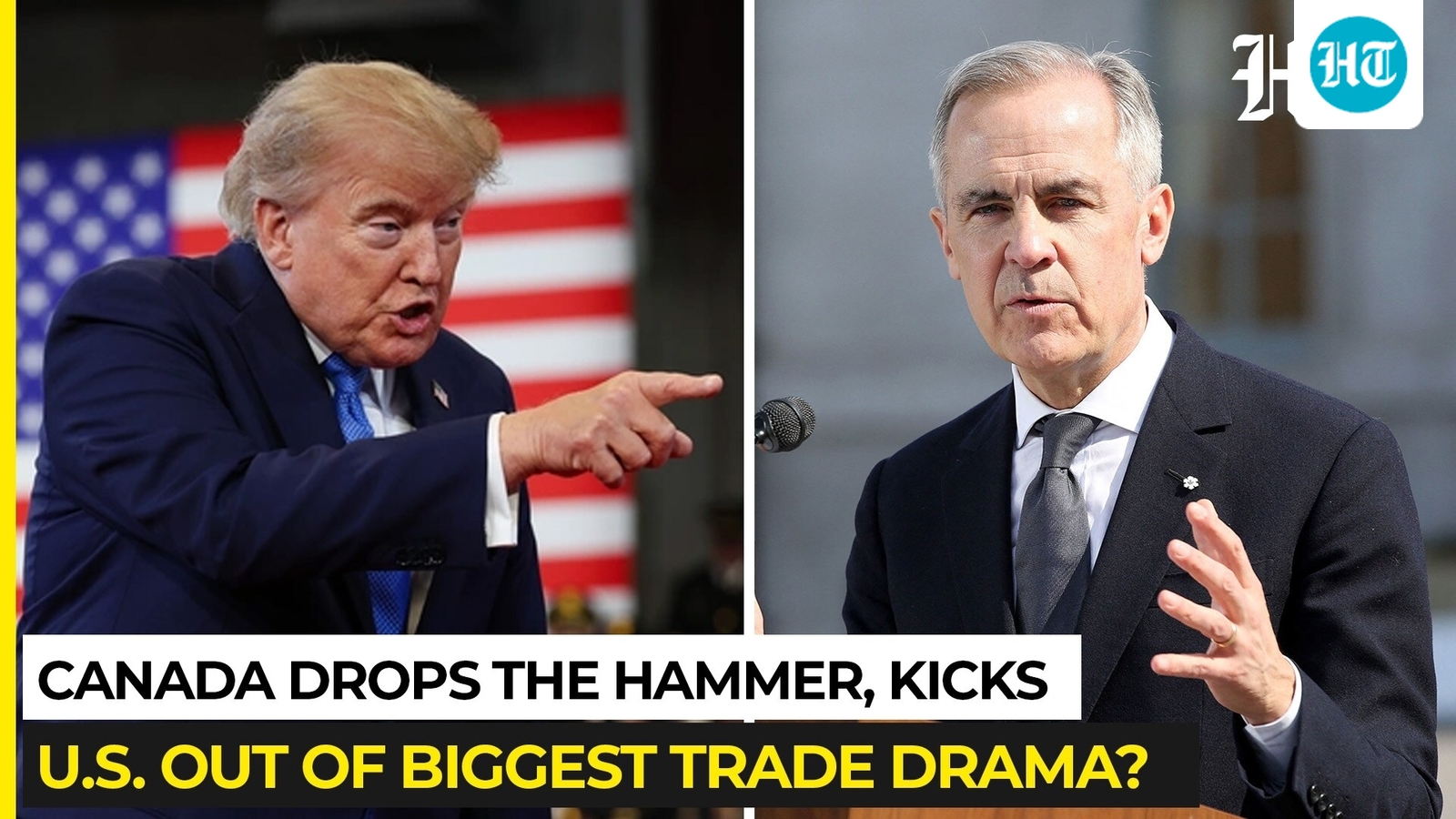
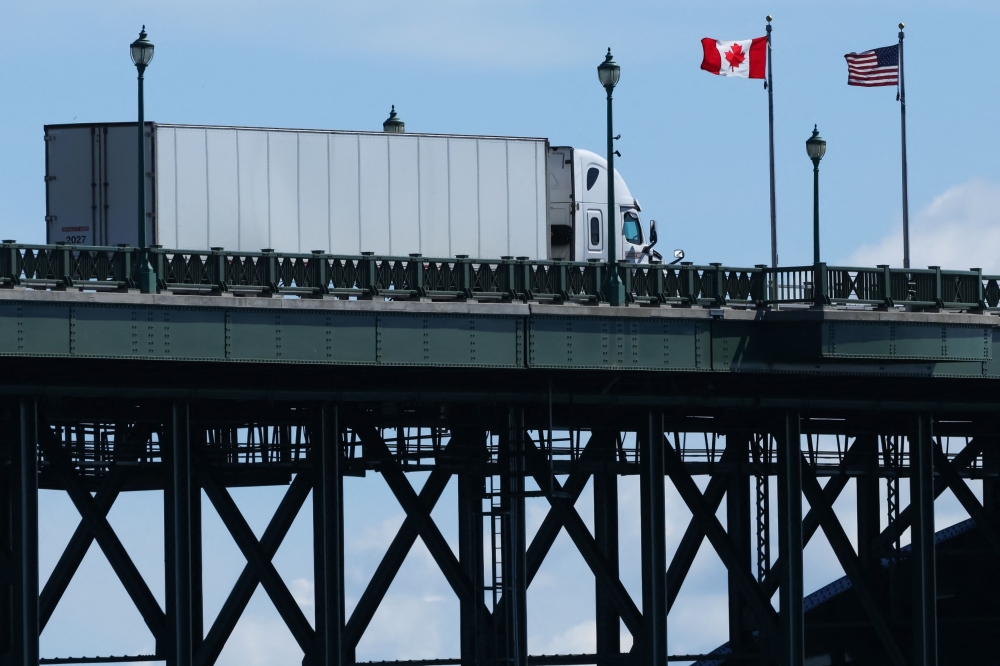
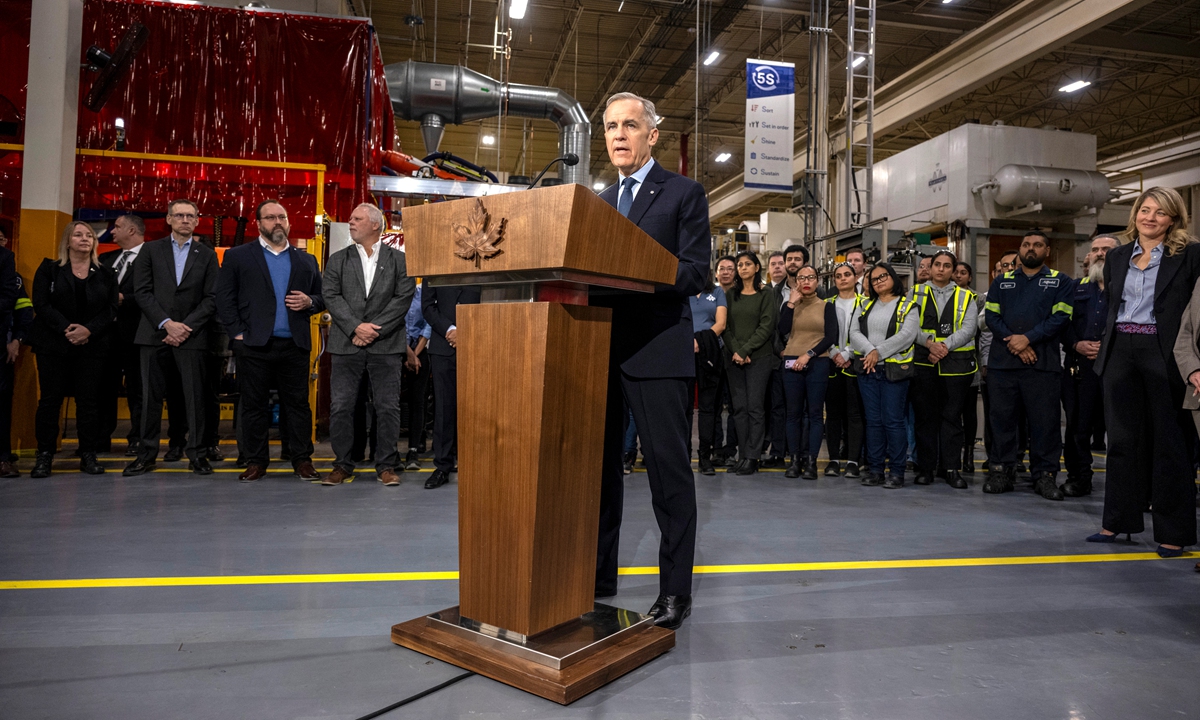
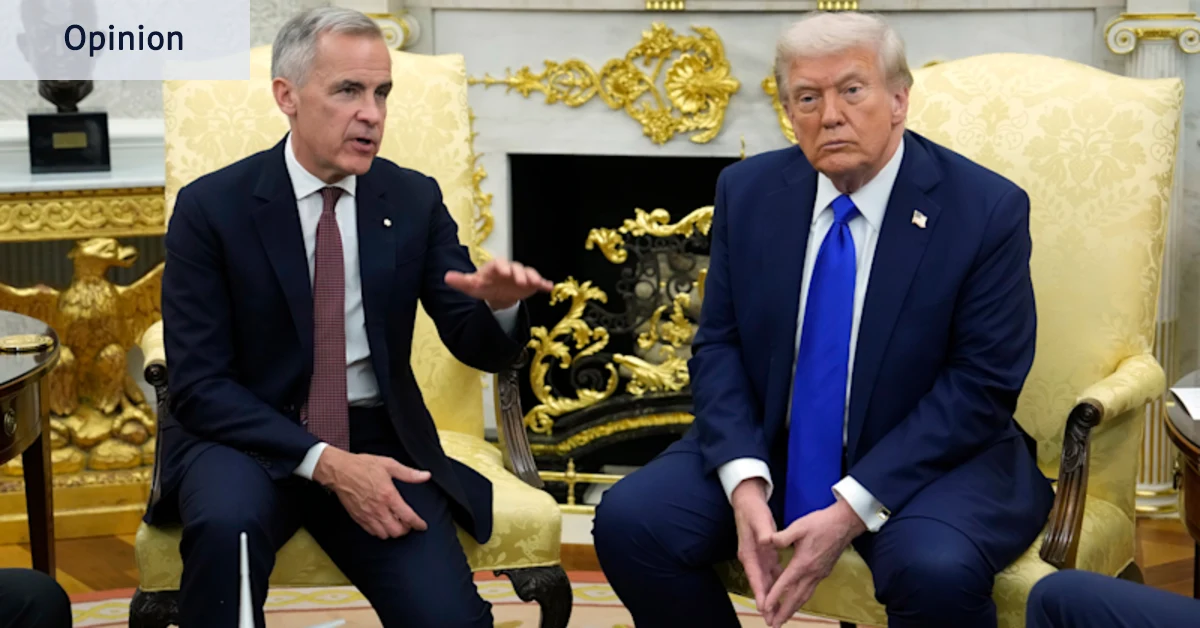
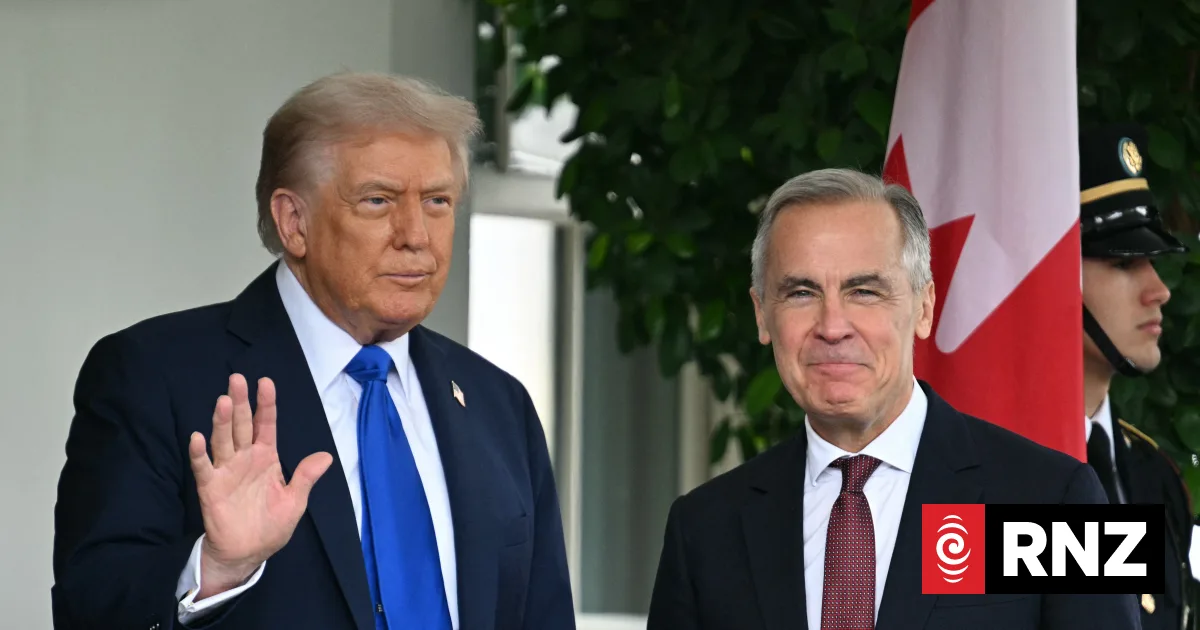
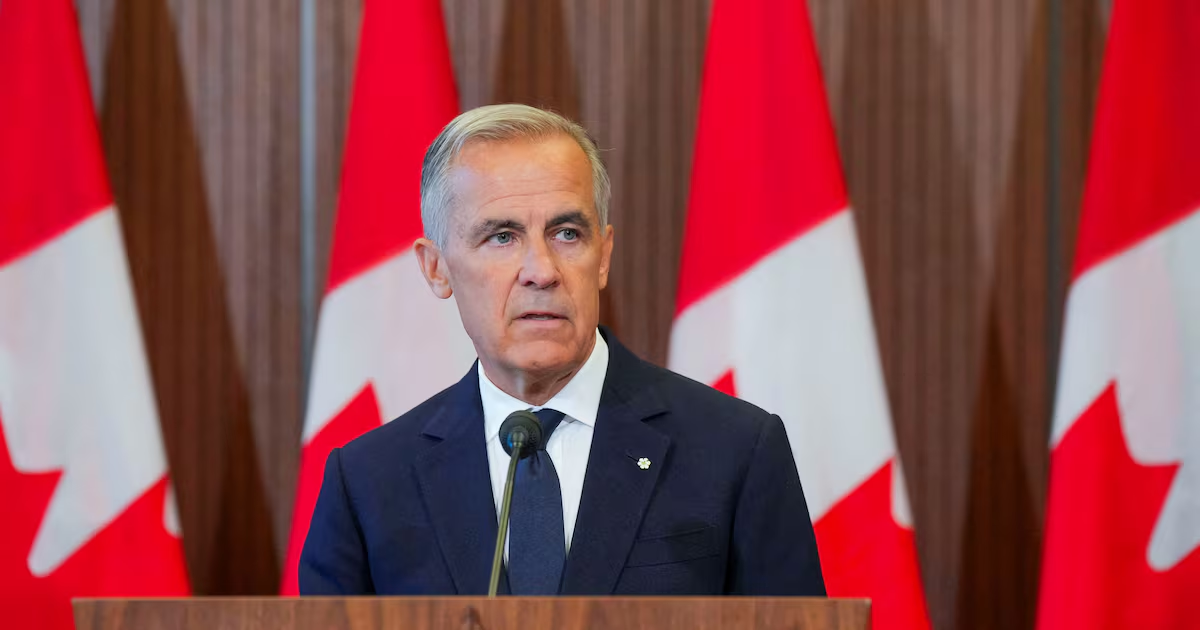
At last, it seems that small to mid-sized powers are finding their voice and agency to stand up to the world’s super power. Last Saturday, Mark Carney, Canada’s prime minister, pulled his team out of trade talks with the US. Recently, the Zambian government rejected strings attached to a bilateral trade deal. The US offered $2bn worth of health aid in the next five years in return for access to health information of Zambians and preferential access to Zambia’s critical minerals. But the Zambian government did well to tell Trump’s government where to get off.Carney was keen for a deal with the US. But he wouldn’t do a one-sided deal, let alone one with last-minute demands from Washington. The US has since slapped Canada with tariffs on a range of vehicle imports to America. In return, Canada has announced retaliatory $20bn “dollar-for-dollar” levies on US goods. While circumstances are different, the two cases have strong parallels. Both are close to the US. The current Zambian president, Hakainde “HH” Hichilema, enjoyed US support during his persecution by his predecessor Edward Lungu. Though 13 times smaller than the US economy, Canada supplies energy to the US. Zambia is small, indebted and underdeveloped, but as a major copper producer, it has leverage. Not only does Lusaka regard US demands as immoral, it also sees them as undermining its right to trade with the world. Carney came to power promising to reset relations with the US and to protect Canada’s sovereignty. What made Canada’s walkout unavoidable were provocations by Washington. In one remark, Trump said Canada was behaving as though it were a state, when it wasn’t. He has also threatened to annex Canada to the US. Ahead of the Saturday night walkout, senior US administration officials were also gloating about generous concessions they had secured from Canada. Carney’s gamble against his neighbour is a well-calculated, yet dangerous, move. While diversifying trade away from the US is conceptually appealing as a strategy, it will take longer than a year to cultivate new markets for Canada’s exports. Like much of the world, Canadians are enduring a cost-of-living crisis. US tariffs are likely to worsen the pain on ordinary households and businesses. Then this raises the question: how long can Canadians stay behind Carney while bearing the pain of economic hardship? Still, his gamble has served another purpose. It has told the rest of the world that it doesn’t have to accept being bullied by Trump. Zambia and Canada aren’t the first countries to have come up against Trump’s unique wielding of trade and diplomacy. South Africa notably has had to tread thoughtfully throughout his second term.For months, the Iranian regime has resisted the military force of Israel and the US. And, critically, Tehran is refusing to sign a peace deal that is not commensurate with the leverage it believes it holds. The war has held energy markets hostage through the trade blockages for months. Trump’s tariffs also hurt American consumers by depriving them of choice. As US midterm elections in November approach, Trump’s free hand will get weaker. Now that both sides have made their points, they need to avoid an all-out trade war. A full-scale trade war has no winners. The first step towards de-escalation should be restarting the paused trade talks. Both Trump and Carney should lead this effort. At present, Carney has thoroughly colonised the moral high ground. He was right to stand his ground on Saturday. A call to Trump to restart good faith negotiations will not diminish his stature. It will enhance it.