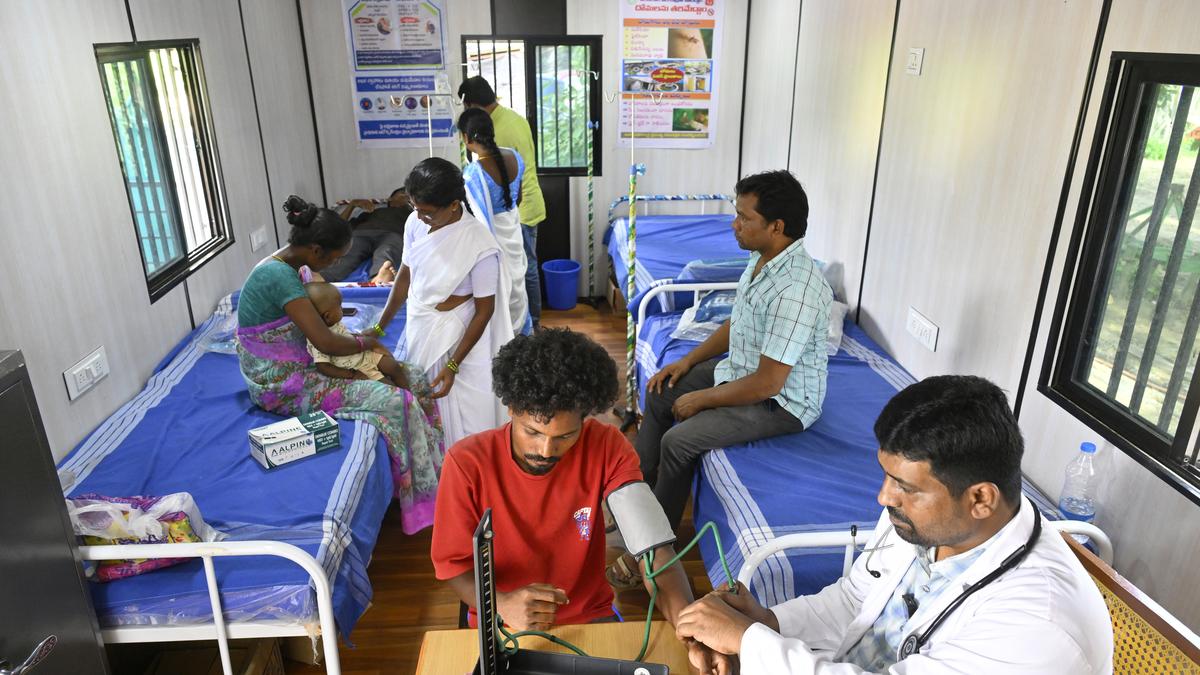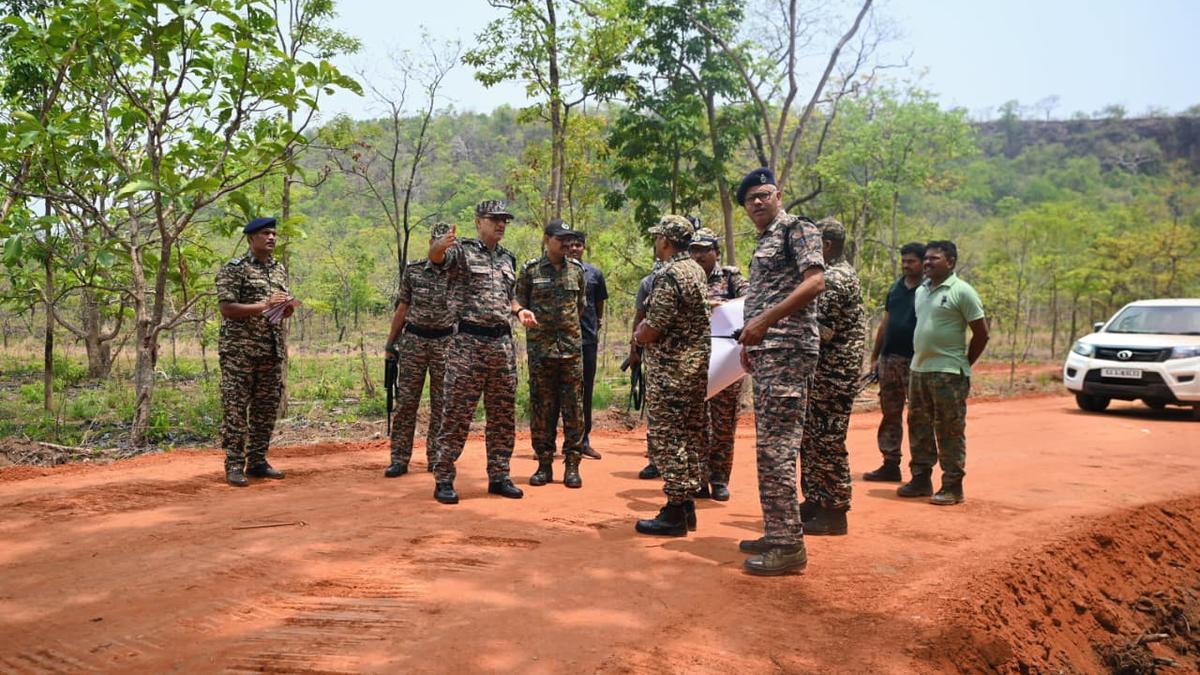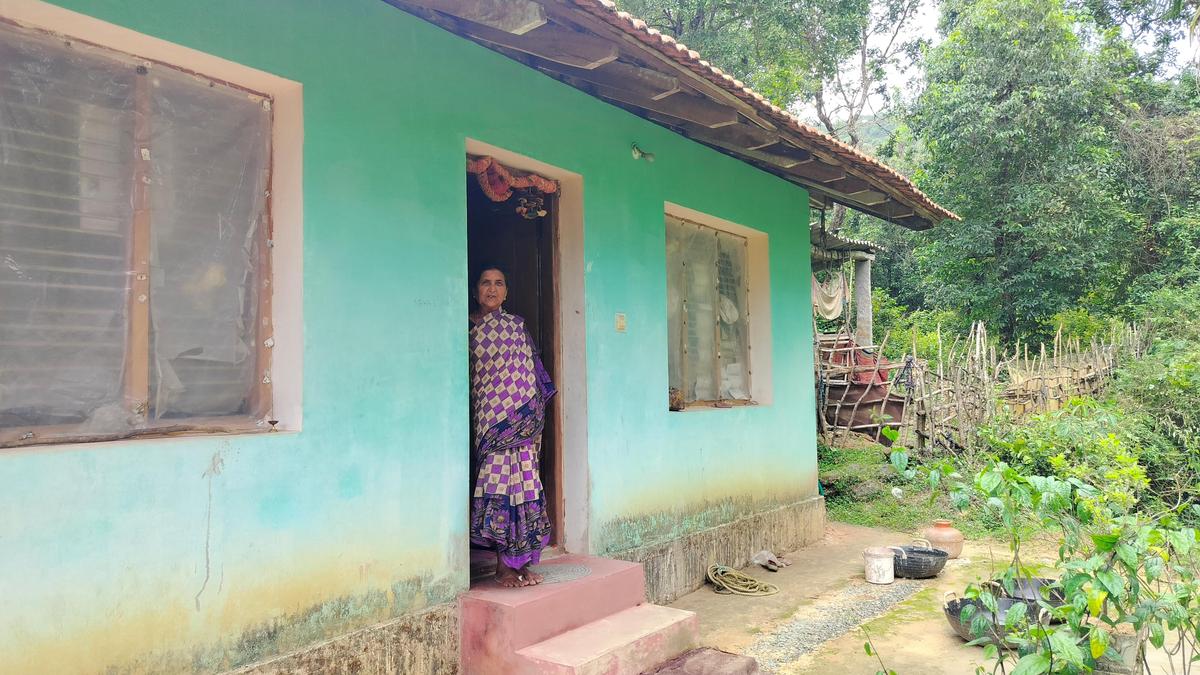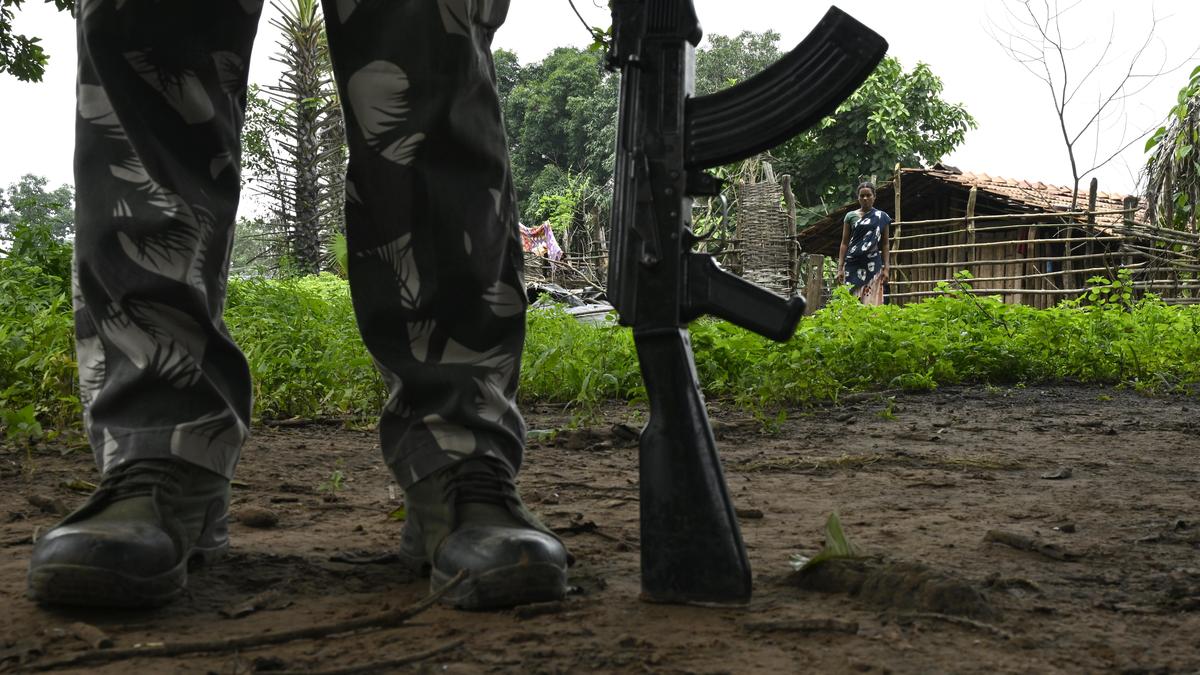
Madvi Kamini has spent much of her life listening to the forest.For years, its silence was never reassuring. The dense foliage around her home in the Karreguttalu Hills could conceal Maoist cadres, security forces or landmines buried beneath the paths. Every knock, every unfamiliar movement and every journey beyond Pamunuru village in Mulugu district carried the possibility of danger.The ‘annalu’ (Naxals), as the people of Pamunuru called them, would arrive at their homes with a message that was both familiar and cautionary: “Manchiga bathakandi. Maa gurinchi police laku cheppakandi. Memu mee kosame unnām. (Live well. Don’t tell the police about us; we are here for you.)”There was, however, little comfort in those words. The villagers had spent years caught between the Maoists and the police, fearing they could be killed by the former, targeted by the latter or arrested on suspicion of helping the banned outfit. “Many were arrested and spent over a year in jail too,” Kamini recalls.Now, sitting behind a makeshift fence woven from branches outside her modest mud-and-wood home, Kamini, a mother of three, watches a different kind of change unfold. A bumpy mud road leads into the village. Seven houses sit amid the forest, each with a small national flag fluttering outside — something earlier disallowed by the Red Army. A newly opened CRPF Forward Operating Base, at 342 metres above sea level, stands nearby. Soon, the villagers expect electricity too.It is a striking transformation for a place where, for decades, the Maoists held sway and the State struggled to establish a presence. “For decades, we were caught between the Maoists and the police. Now, we are free from both,” says Kamini.Her story is also the story of the Karreguttalu Hills, a rugged, densely forested stretch along the Telangana-Chhattisgarh border that once served as a Maoist stronghold but is now being opened up by roads and security forces after years of conflict.With the help of the district administration and the CRPF, the police have laid a 33.5-km road from Murumuru to Tadapala village across the hills in a carefully executed road-opening operation through terrain heavily infested with landmines. The operation lasted nearly six months, and the road now extends to Tadapala, the last village on the border.
And then there were seven in the silent hills
Discover how seven families in Telangana's Karreguttalu Hills transition from fear to hope amid development and security changes.
1,813 words~8 min read