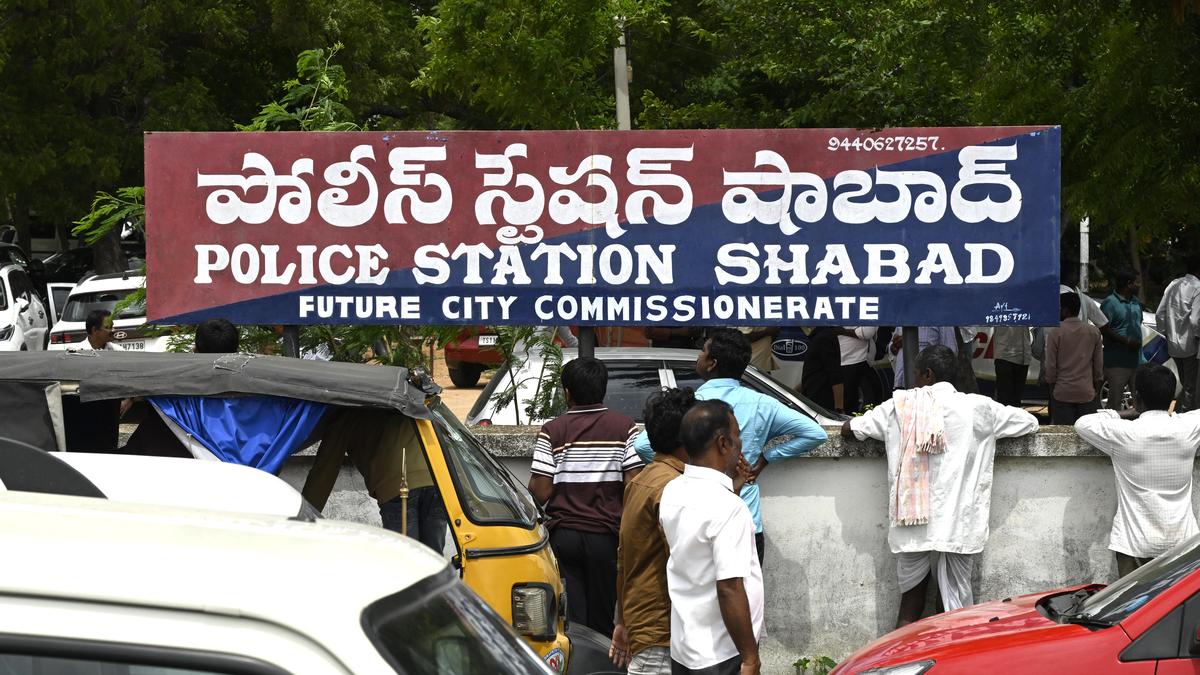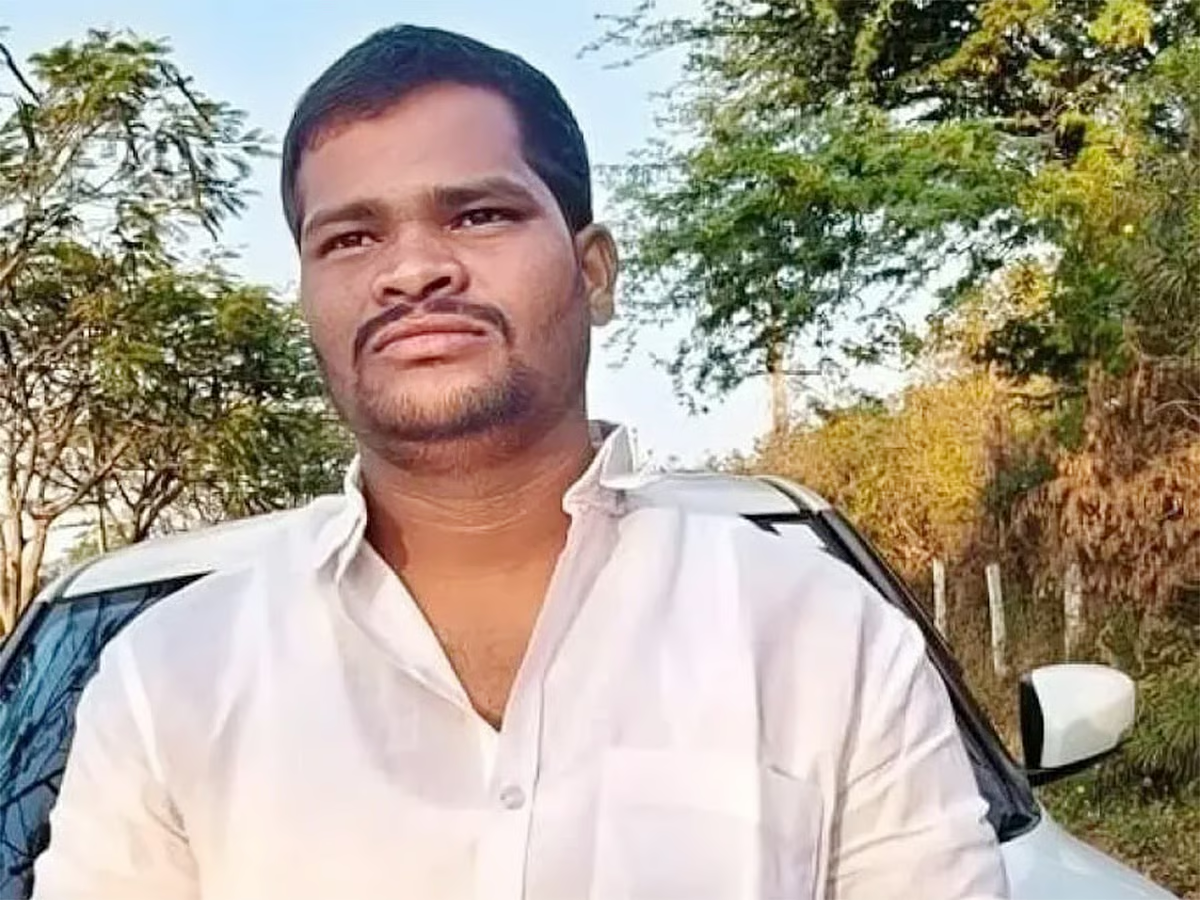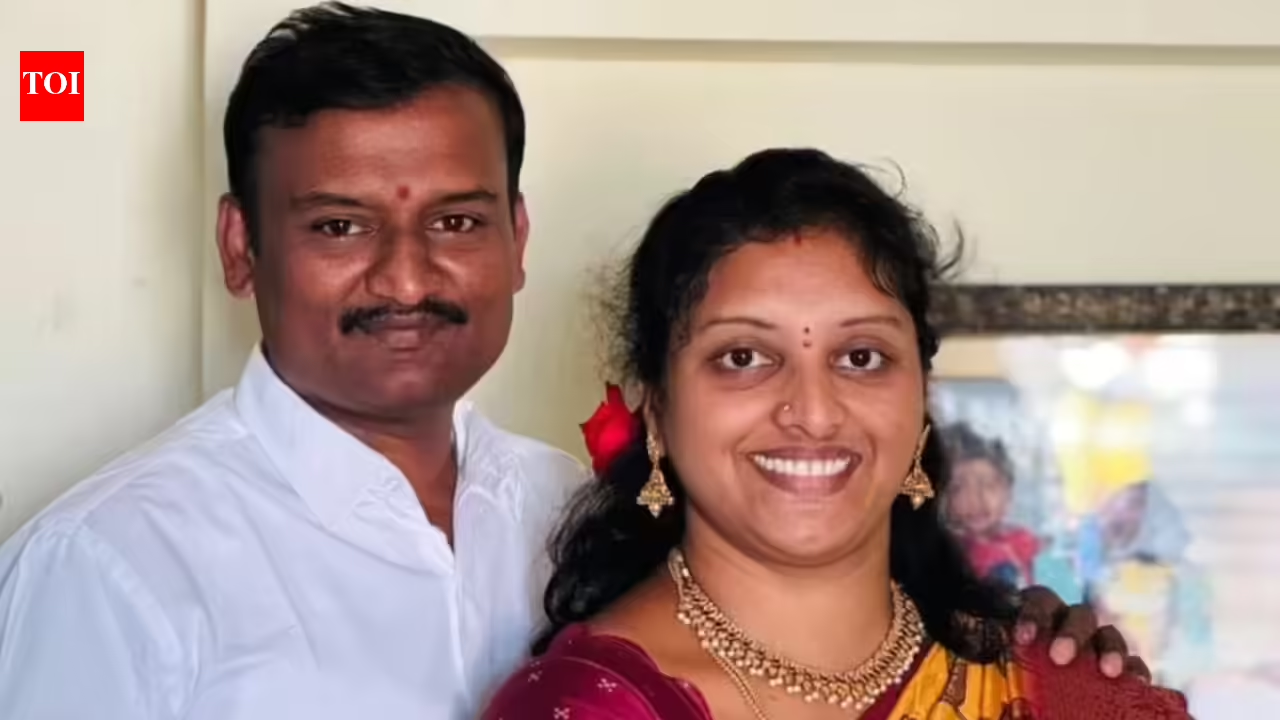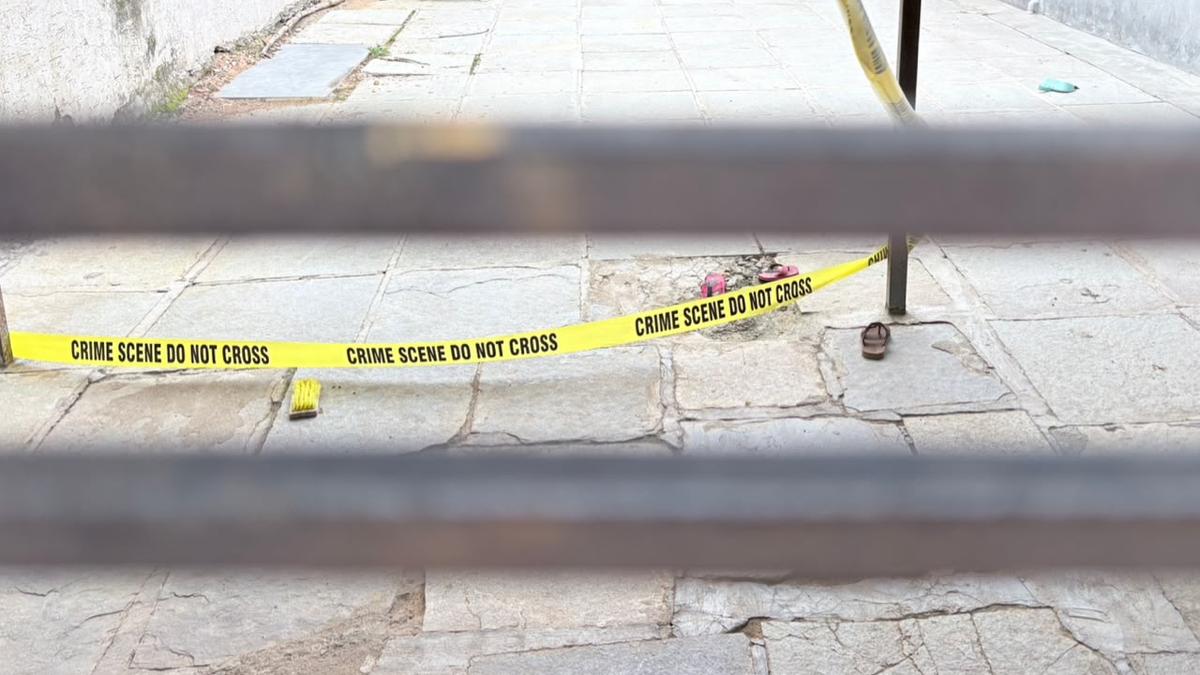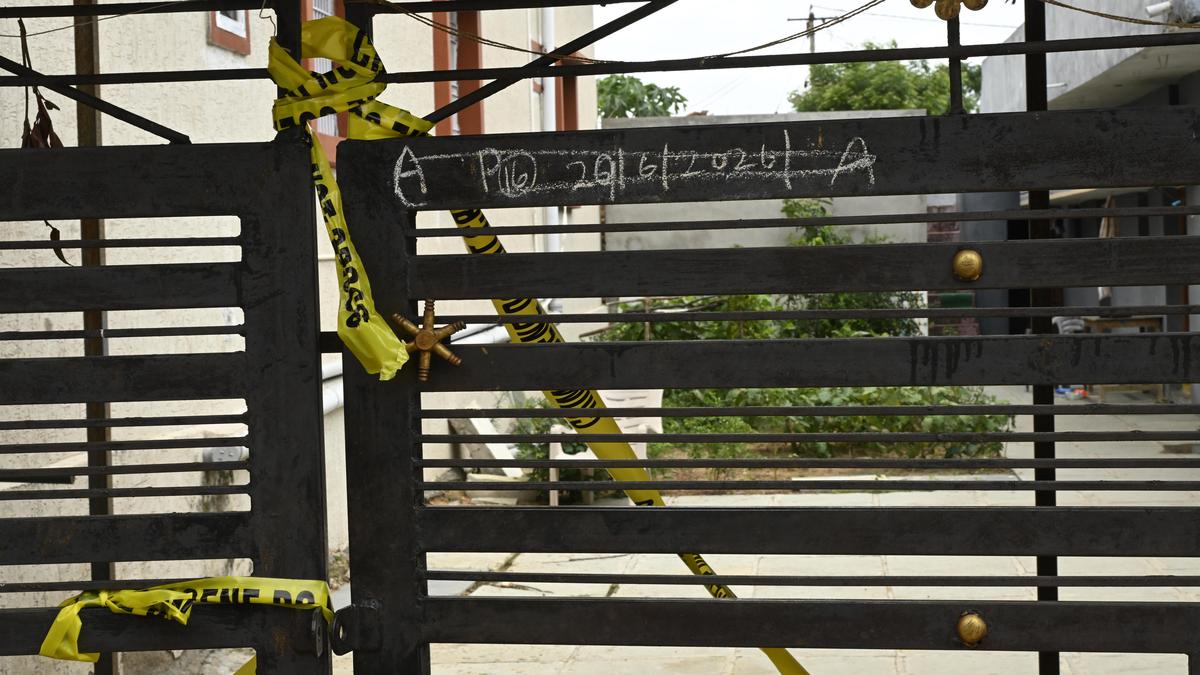
For 63 hours, the answers to six murders in a quiet farming village near Hyderabad lay with a man who had simply disappeared.His phone was on airplane mode. Surveillance cameras captured him stepping onto railway tracks as a train approached, only for him to step away at the last moment. A bus ticket to L.B. Nagar in the capital and ₹1,206 in cash was later found on him. Three days later, his body was discovered 20 km from home beside a bottle of herbicide.The trail led back to Daivalaguda village in Shabad, about 50 km from Hyderabad, where violent crime was virtually unheard of until the night of July 10. Between 10.30 p.m. and midnight, six people were killed in two houses six kilometres apart.The alleged killer, Parvathi Raj Kumar, was out on anticipatory bail in a Protection of Children from Sexual Offences (PoCSO) Act case involving one of the victims. At 11.50 p.m., he called his father, confessed to the killings and said he intended to end his life.The victims were 17-year-old Akshara (name changed), her mother Lakshmi, 44, and her grandmother Rukkamma, and Raj Kumar’s wife Saritha, 32, and their two young sons, aged 4 and 18 months.Raj Kumar’s disappearance and death have left investigators piecing together CCTV footage, a 13-minute video, forensic evidence and questions over the handling of the PoCSO case. With the only suspect now dead, many of the questions may never be answered.For residents of Daivalaguda, the case has left behind a haunting question: had Raj Kumar been arrested after the PoCSO case was registered on May 16, instead of securing anticipatory bail on June 13, could the killings have been prevented?The 63-hour gapPolice are still reconstructing Raj Kumar’s movements during those 63 hours.According to the preliminary investigation, Raj Kumar left his Daivalaguda home at 10.30 p.m. on July 10 in a red car hired from a man in Shadnagar after pledging his two-wheeler. Police believe the six murders were committed over the next hour.
Six murders, a dead suspect and a chilling trail gone cold
A chilling investigation unfolds in Daivalaguda, where six murders raise critical questions about justice and victim protection.
1,847 words~8 min read