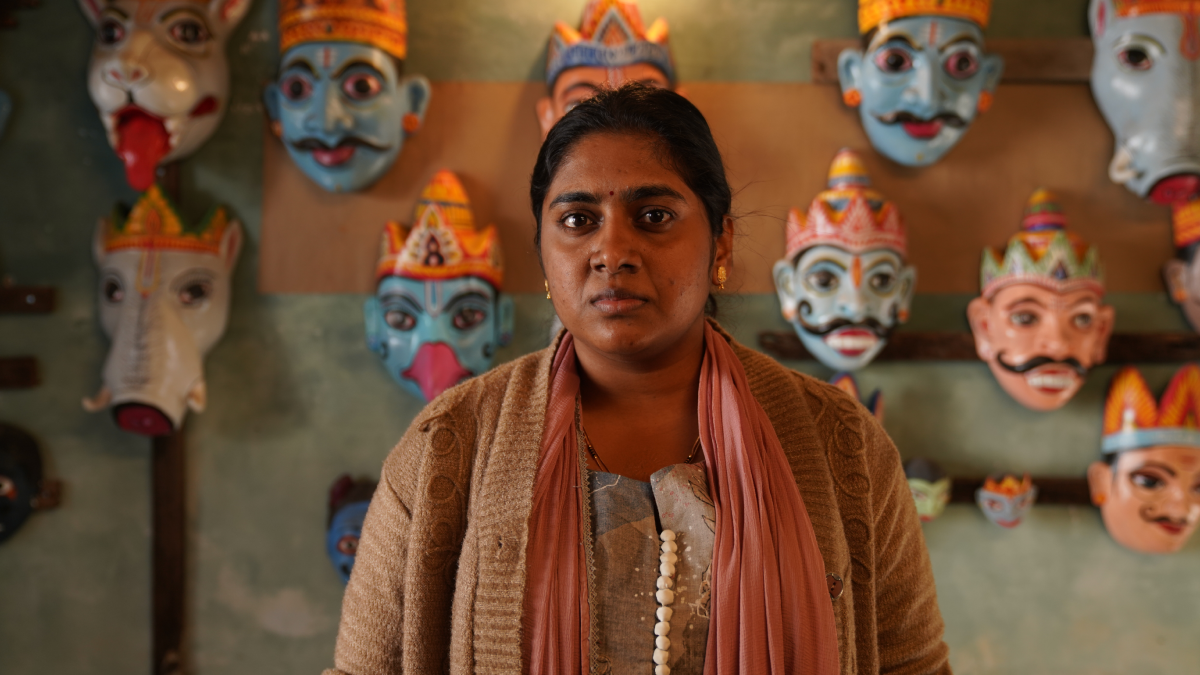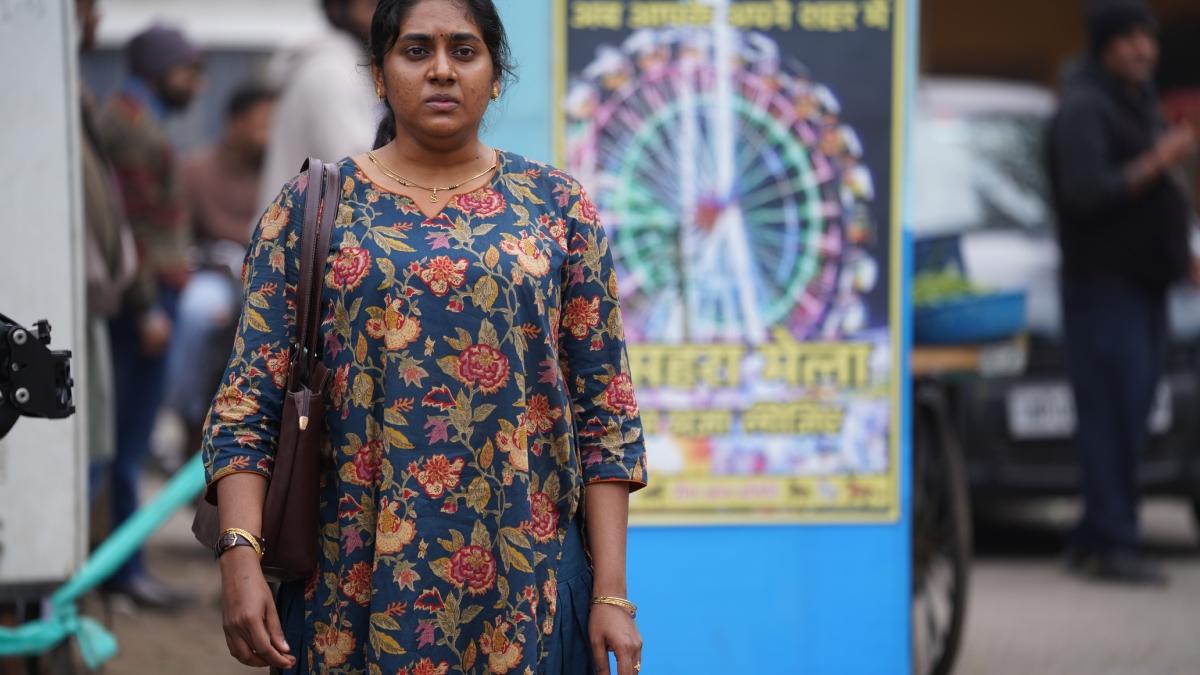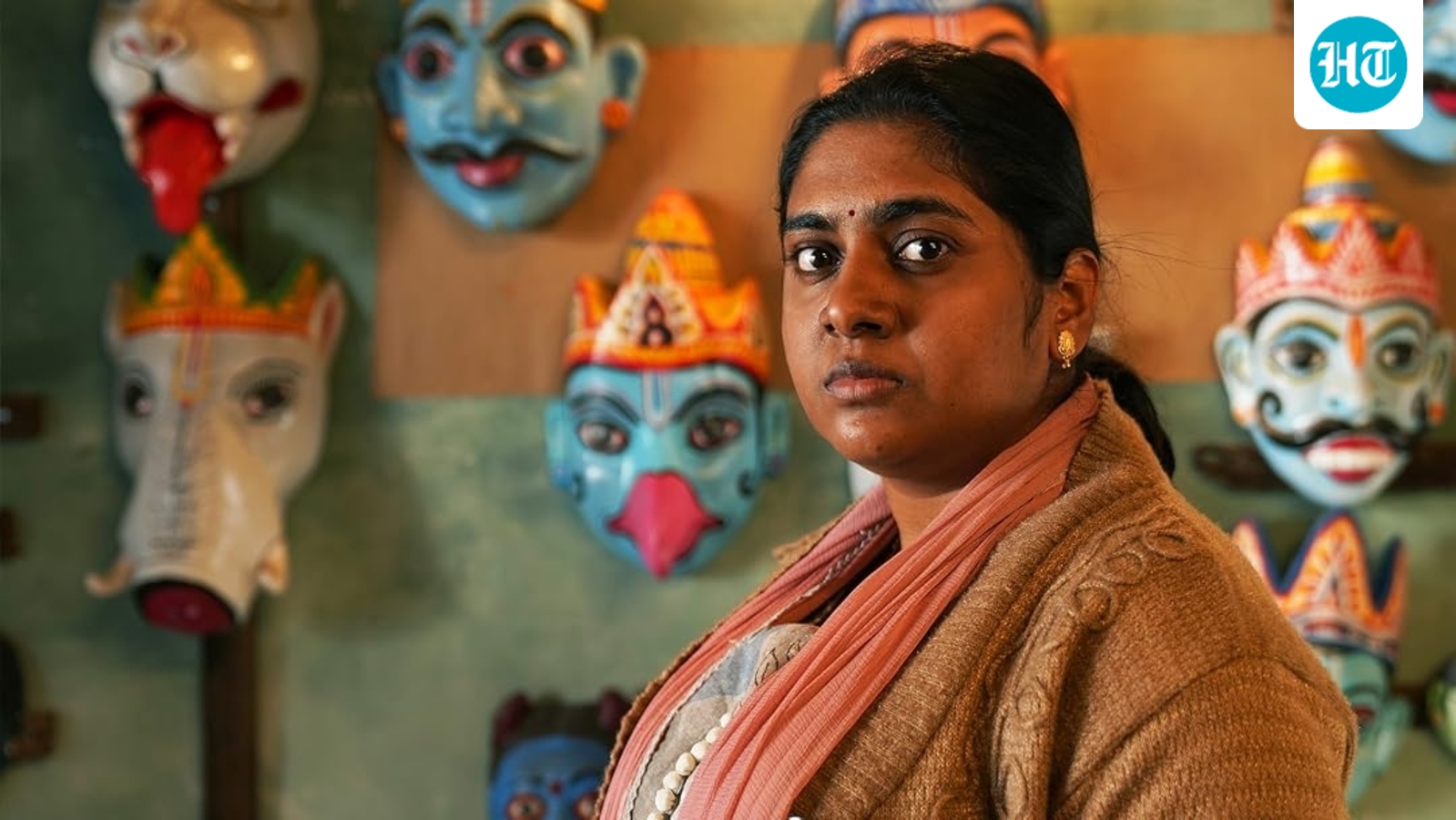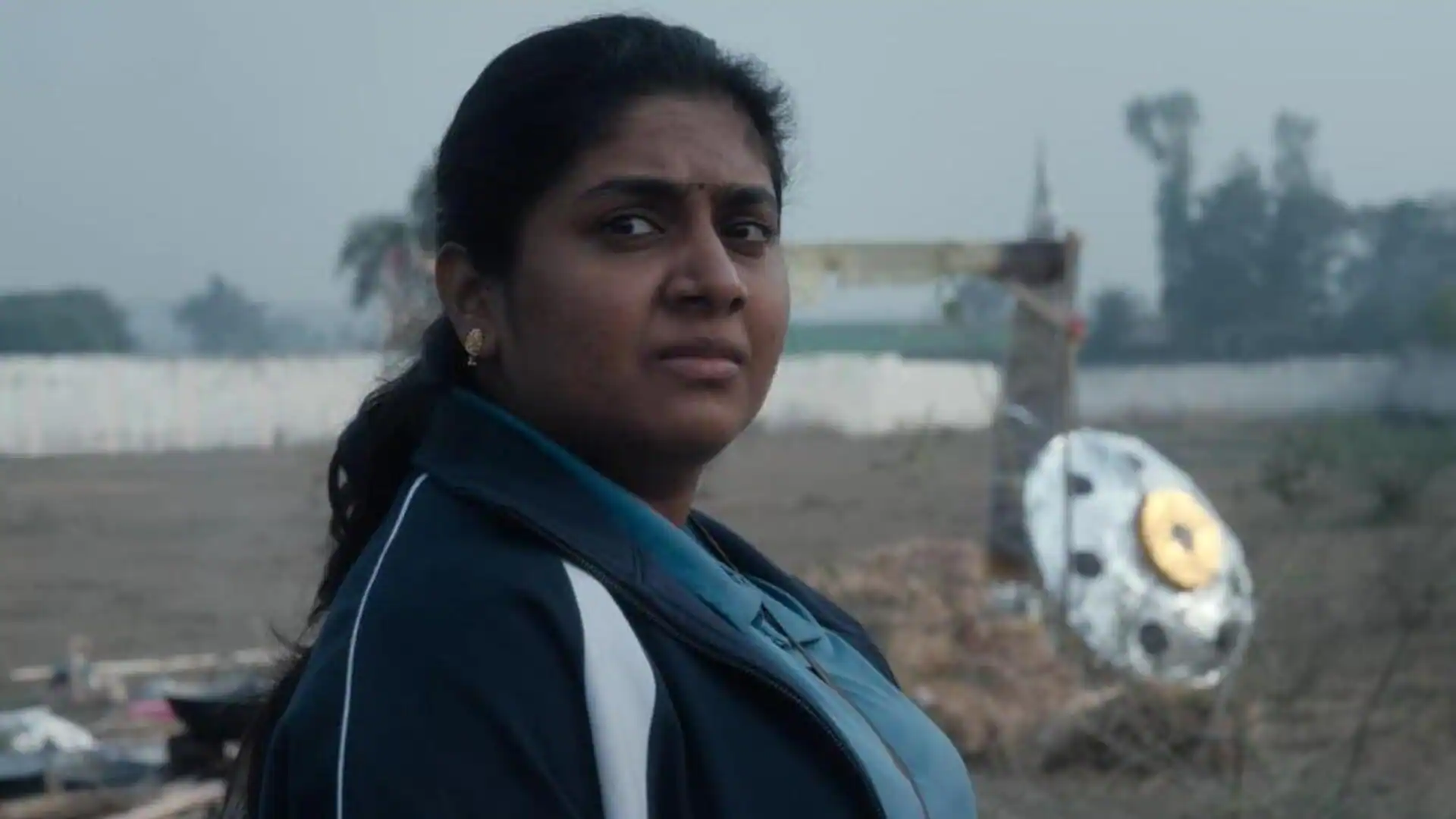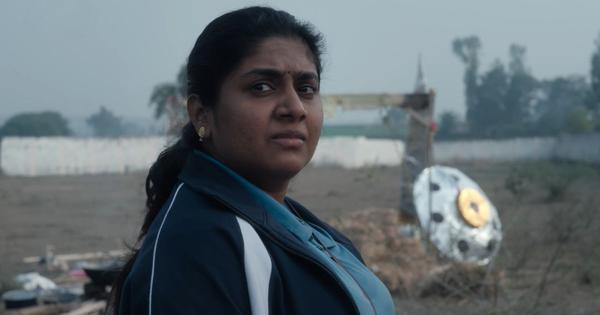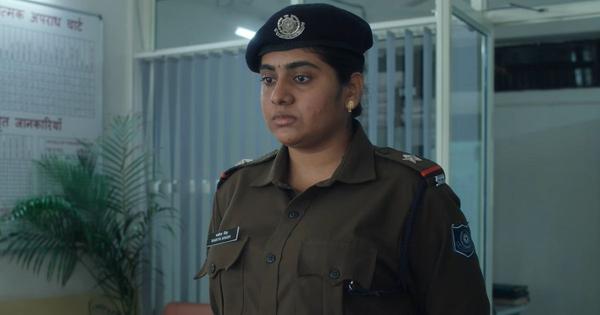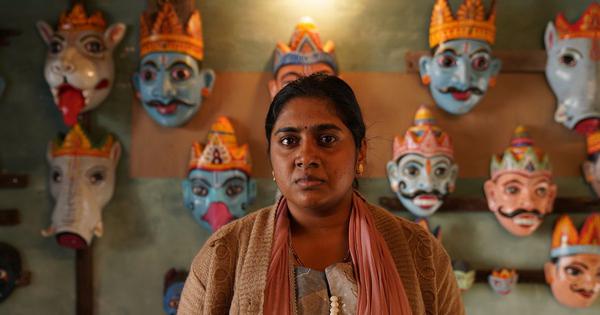
Everyone calls Babita Singh “Baby”. She doesn’t like to be infantilised, but she doesn’t know how to say no.Babita’s inability to stand up for herself has made the assistant sub-inspector a favourite at the police station in which she has been posted. It also causes her to be suspended. Babita and her husband Sharad (Anshumaan Pushkar) use the downtime to travel to their home town Rewa. There, Babita gets involved in cracking the mystery behind the death of her childhood friend, the idol maker Kisna (Barun Sobti).Babita’s efforts to seek justice for Bansi is off the books and threatens to spook Sharad as well as damage ties with her hostile mother-in-law (Sunita Rajwar) and sister-in-law (Priya Yadav). Bansi’s wife (Priyanka Setia) and Bansi’s brother (Nitin NS Goel) muddy, rather than clarify, matters.A Kabir-quoting sari seller (Ravi Jhankal) asks Babita whether she actually wants to learn the truth. Will this non-confrontational woman, who’s grappling with severe weight gain and low self-esteem, find the strength to come into her own? Is Bansi all he’s made out to be?Barun Sobti in Babita Singh Reporting (2026). Courtesy Amazon MGM/Film Squad/Act Three/Prime Video.Babita Singh Reporting, which is out on Prime Video, is excellent at posing the questions that matter. First-time feature director Ambiecka Pandit dexterously directs a script by Amita Vyas that deftly sets up Babita’s situation, but fumbles when it comes to producing the key that unlocks the mystery around Bansi. The unofficial inquiry gets progressively weaker, a casualty of the devotion to Babita’s psychological journey, leading to an anticlimactic ending.A cameo by Geetika Vidya Ohylan, as Babita’s empathetic colleague back in Delhi, is a reminder of Ohylan’s own acclaimed turn in Ivan Ayr’s police drama Soni (2018). Some bits are reminiscent of Sandhya Suri’s Santosh (2024), also about a low-ranking female cop unearthing horrible findings about caste, class and sexual desire.Sunita Rajwar, superb as the bullying mother-in-law, is another link between Santosh and Babita Singh Reporting. While the latest movie doesn’t have a compelling enough pay-off, it fulfils its chief purpose: a close examination of a typical middle-class existence that conceals micro-aggressions and macro-conflicts targetted at women.Nimisha Sajayan and Anshumaan Pushkar in Babita Singh Reporting (2026). Courtesy Amazon MGM/Film Squad/Act Three/Prime Video.One of the movie’s producers is Sudip Sharma, whose own projects thrive on revealing the serpents in the grass of the backyards of supposedly content households. Babita Singh Reporting too is a grim Indian version of the cosy British small-town mystery, in which the more important investigation isn’t into murder but into Babita’s transformation.The detailing needed to bring out Babita’s surroundings is all there: the barbed conversations over sari-buying and function-organising, the refusal to take Babita seriously and then the backlash when she makes progress. These home truths emerge through sharply written moments that Ambiecka Pandit deftly stages with the necessary patience. By letting scenes play out, Pandit allows the personality types as well as Babita’s evolution to emerge organically.The rich production design by Mukund Gupta and Vahi Shaikh brings out the typical clutter of middle-class homes. The writing and scene-setting reveal the ways in which the family, the most basic solution unit, can also be the fundamental source of severe disturbance.Nimisha Sajayan plays an unlikely heroine with heft and sensitivity. Sajayan admirably brings out Babita’s simmering rage and escalating discomfort.Anshumaan Pushkar is a solid foil as Babita’s husband Sharad. There’s a telling scene in which Sharad thinks he’s comforting Babita but is actually holding a mirror to their marriage. Priyanka Setia is noteworthy too as Bansi’s beleaguered wife.
‘Babita Singh Reporting’ review: A character study posing as a police procedural
Ambiecka Pandit’s Hindi film, written by Amita Vyas, is out on Prime Video.
605 words~3 min read