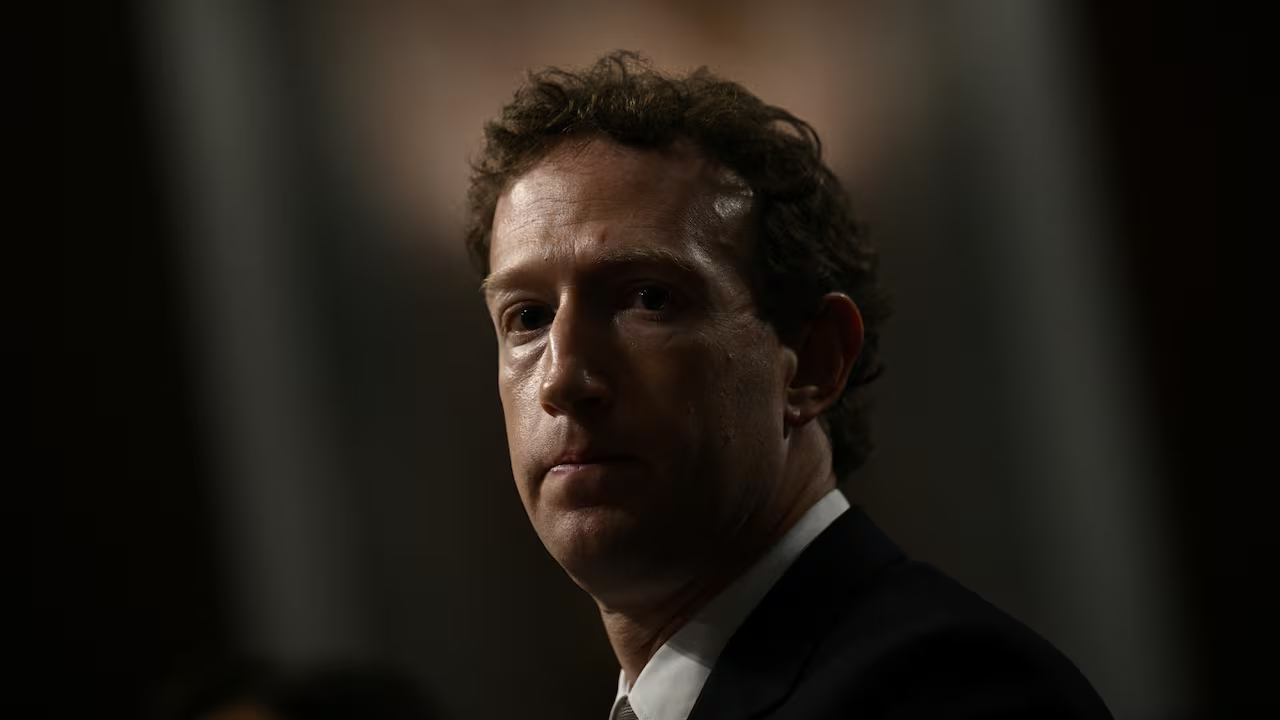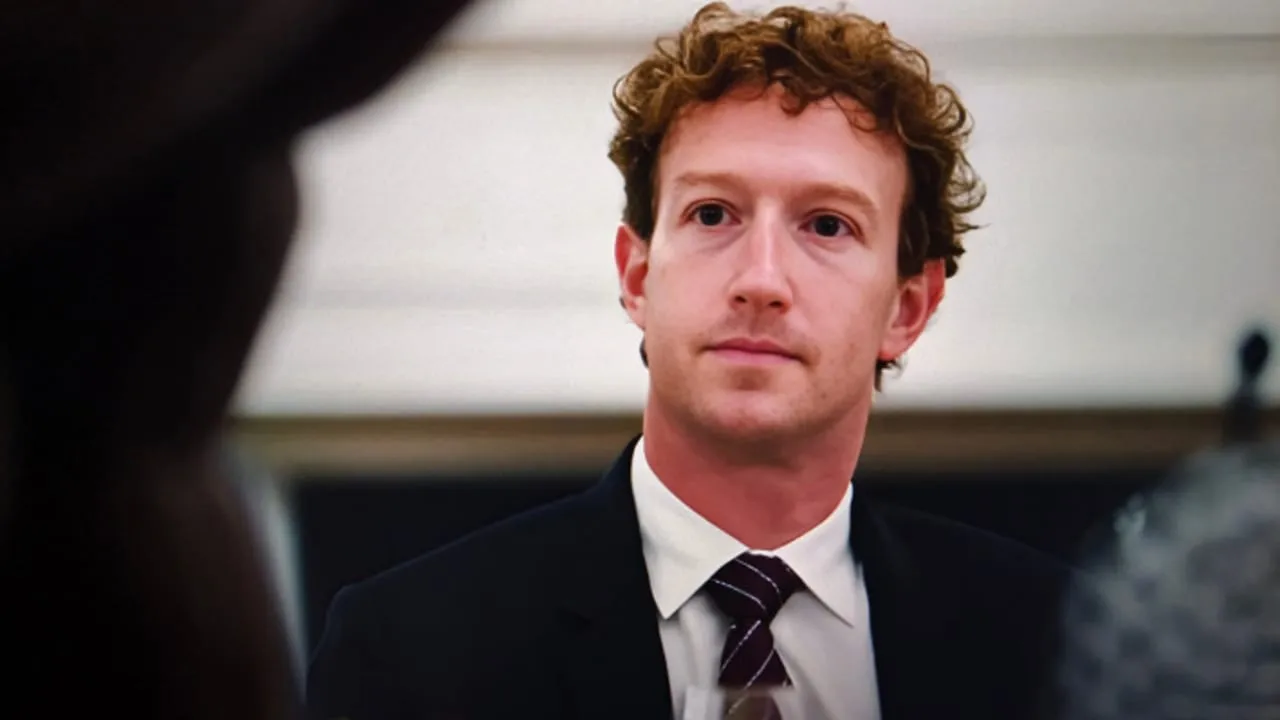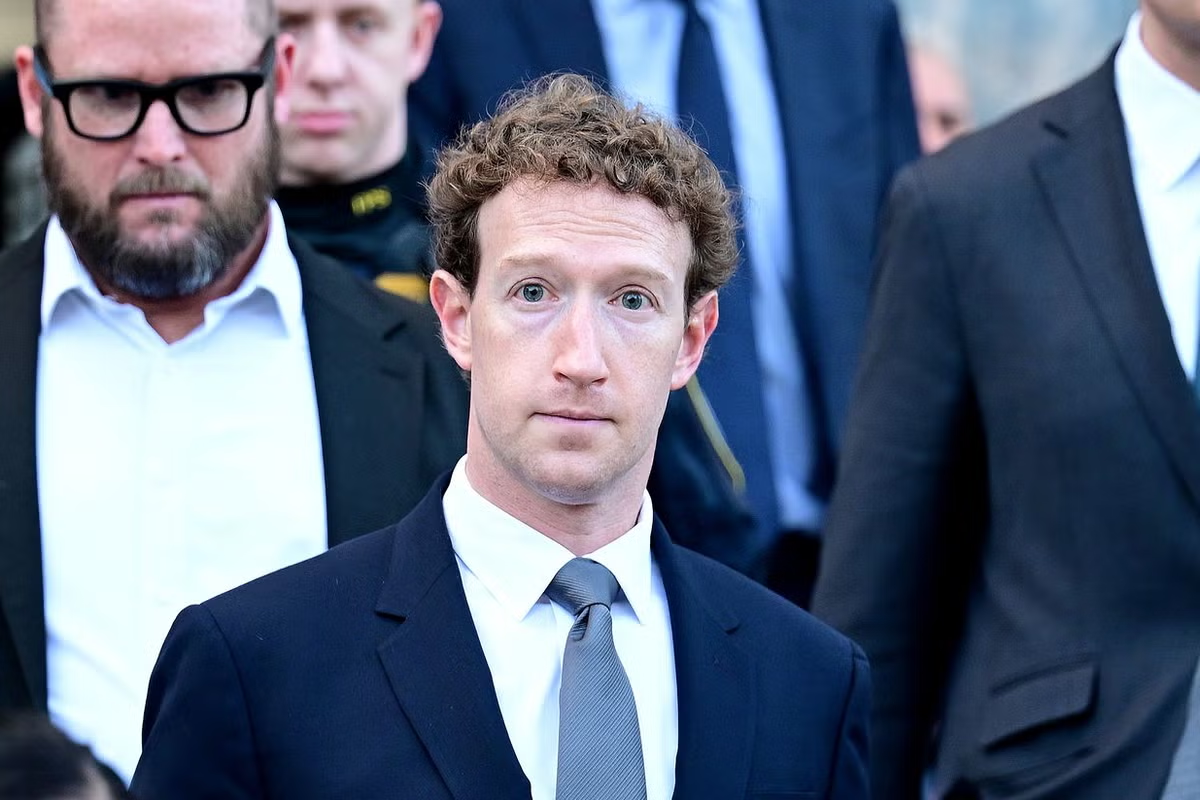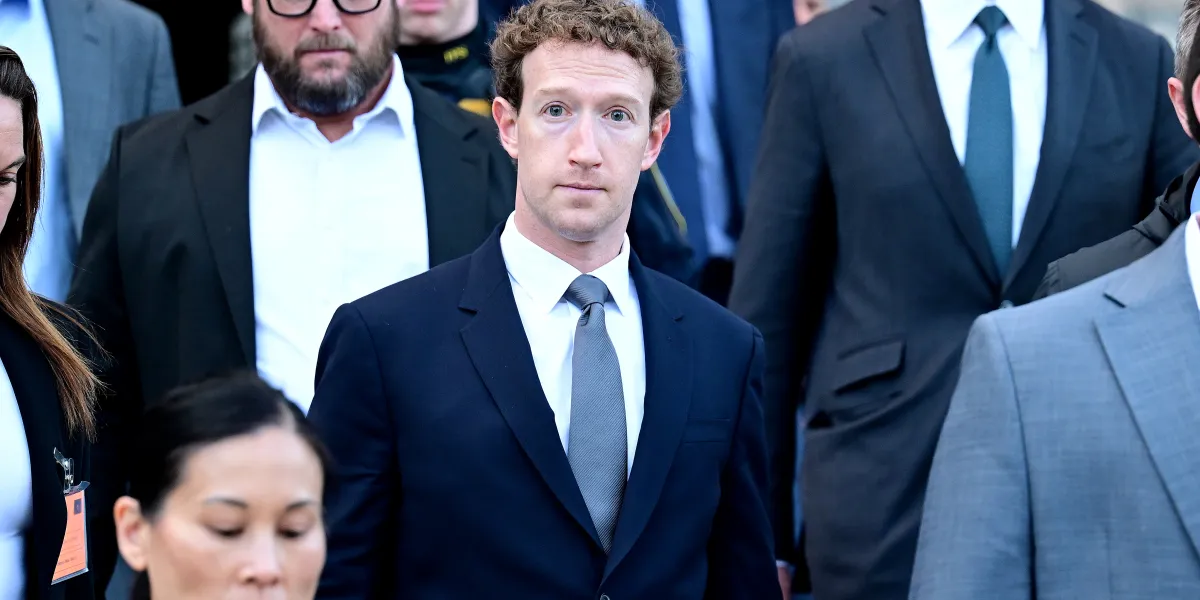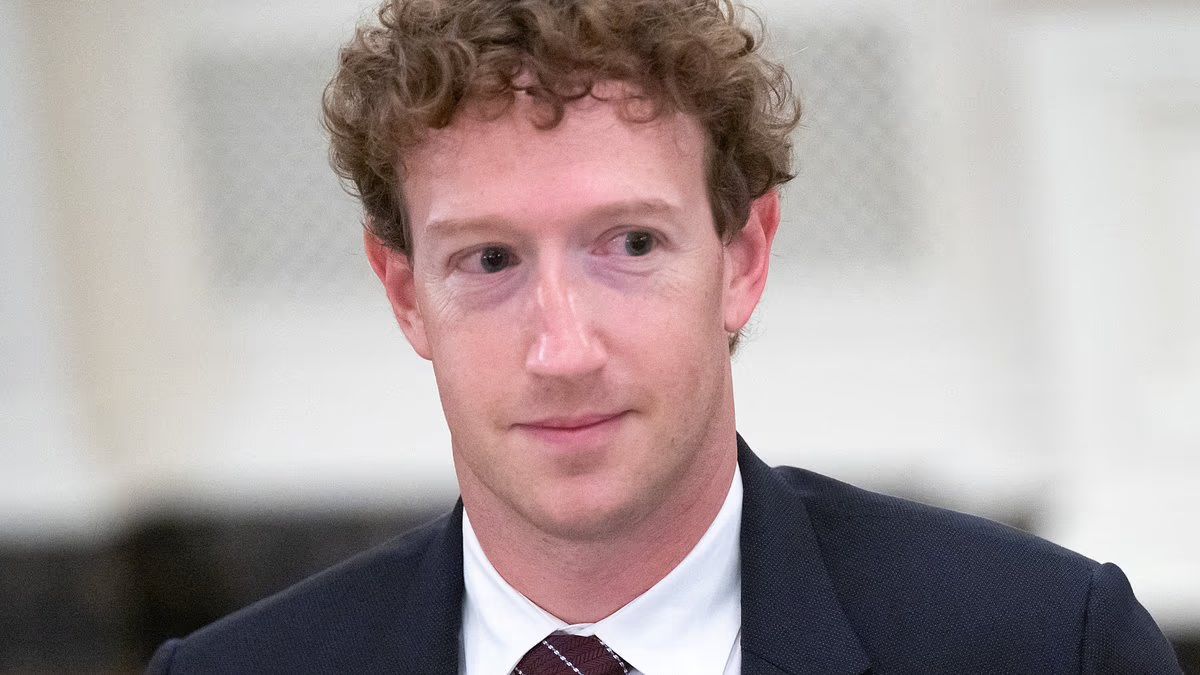
In May, the usual cosy complacency of the annual shareholders' meeting of Meta, the world's most profitable social media company, was abruptly shattered.Tammy Rodriguez told the owners of the online empire which includes Facebook and Instagram that, for two years, her daughter Selena, 11, had 'struggled with an Instagram addiction so severe that she would become physically violent when her phone was taken away'.Ms Rodriguez, from Connecticut, went on: 'Through Instagram's dangerously defective design, Selena was contacted by paedophiles and groomed to send pornographic videos to adult predators.' After being abused elsewhere on the platform by bullies who encouraged her to kill herself, Selena took a fatal overdose of her mother's antidepressant pills in 2021.'A light went out that we can never replace,' said her mother, adding: 'My daughter's story is not unique ... Across this country, thousands of families, maybe even yours, are living with consequences that Meta's own researchers predicted - and executives ignored.'Ms Rodriguez had been asked to address the meeting by an institutional investment firm that had been trying for more than a decade to cajole Meta's board to change the share structure, to end controversial founder Mark Zuckerberg's majority voting control and make the company's leadership more accountable. Selena Rodriguez took her own life at the age of 11 after becoming addicted to social media Selena's mother, Tammy Rodriguez, said she tried to control her daughter's social media useHowever, even her searing testimony failed to sway the meeting three months ago. Cynics would argue that Silicon Valley investors long ago became immune to appeals based on guilt and shame, especially when Zuckerberg and his cronies have brought them such enormous fortunes.This week, however, Meta's seemingly unstoppable march to monetise children's unhealthy online habits took a historic stumble when it agreed to pay up to $18billion (£13.3billion) and change its platforms to improve teen safety, in order to settle a potentially ruinous lawsuit filed by 29 US states.Claimants argued that Facebook and Instagram had purposefully fostered addiction in children and teenagers, spreading anxiety and depression and crippling the 'mental and physical wellbeing of America's youth'.One lawyer for California testified that Meta's business model boiled down to four 'H's: it 'hooks' users, 'holds' them on its platforms for as long as possible, 'harvests' their data and then 'hides' the truth from the public.The announcement on Wednesday that Meta wanted to end the trial after just five days was unprecedented following the company's years of insistence that it treated millions of underage users with compassion and responsibility.Lawyers for the states brought their case under online privacy-protection laws, but the trial focused on claims that Facebook and Instagram had intentionally got children and teenagers addicted. Meta boss Mark Zuckerberg, pictured in the White House in September 2025 California Attorney General Rob Bonta, who co-led the effort to sue Meta, said in a statement that changes would be seen on platforms like Facebook and Instagram 'within months'With six out of ten American teenagers using Instagram, California Attorney General Rob Bonta described the settlement as 'a major breakthrough, a watershed moment … instead of getting tied up in years of trials and appeals, we have secured the changes we were after'.Others counter that they should have gone for the jugular and not settled. Meta, which faced the potential PR nightmare of having the uncharismatic and invariably shifty-looking Zuckerberg grilled in the witness box if the trial had continued, admitted no wrongdoing. It avoided a far bigger anticipated payout, which it claimed could have reached $1.4trillion.It also won't have to pay all the money (which will fund underage online safety initiatives) unless its main rivals, including TikTok and YouTube, make a similar deal with the states. Experts believe that they will however. Critics note that $18billion is almost loose change for a company that last year alone recorded $60billion in profit. That said, the financial settlement is the largest of its kind since the 'Big Tobacco' cases of the 1990s exposed cigarette manufacturers' decades of secret research into nicotine addiction.Meta has now committed to withholding from children features on its apps that have been blamed for keeping them hooked. In particular, it has pledged to restrict the 'endless scrolling' facility for under 18s, in which new videos and pictures can be refreshed indefinitely, which has been a major concern for parents. Meta has agreed to place a two-hour daily limit for children across Instagram and Facebook, to 'mute' notifications - which can lure users back on to the platforms - overnight and during school hours and to hide 'likes' on posts for teens. An independent auditor will check that these measures are being enforced.Critics point out that some of these changes will only be optional or at parents' discretion. And all of them will depend on Meta being able to work out which of its users actually are children. Meta says it will introduce 'age-assurance' technology next year, but teenagers have previously been able to get around such checks with ease. Ellen Roome, from Gloucestershire, last month won a landmark judgement when the High Court ordered a fresh inquest into the death of her 14-year-old son, Jools Sweeney, who died in 2022 Ms Roome speaking to the media outside the Royal Courts of Justice in LondonAlthough these changes will only apply in the US, analysts predict that in a world where governments are increasingly trying to ban young people from accessing social media, other countries – including Britain – will soon be insisting they are included.While Silicon Valley's giants are now focusing their attention on developing artificial intelligence, they still derive most of their revenue from social media by selling their users' information to advertisers.However, the pressure on these companies has been building for months. In July, Meta admitted as much when it revealed it had spent about $2billion on lawyers in just the second quarter of this year to deal with the thousands of lawsuits it faces around the world.This week's settlement may end the challenges from US states, but more than 1,200 lawsuits brought by parents and schools can still go ahead.In March, a California jury found that Meta and Google were to blame for the severe depression and body dysmorphia of a 20-year-old woman who had used social media compulsively from the age of six. She was awarded $6million.Earlier this month, a New Mexico judge fined the company $942million for failing to warn the public about the dangers its platforms posed to children. Until this week, that was the largest fine the company had faced over child safety.Judge Bryan Biedscheid called Meta a 'public nuisance' comparable to air pollution and said it was responsible for the 'psychological harm and sexual exploitation of children'.Experts say social media companies are increasingly on the backfoot.'Meta wouldn't settle unless it sees the writing on the wall and feels really exposed,' said Nora Freeman Engstrom, a law professor at Stanford University.Stuart Benjamin, a law professor at Duke University, argued that the settlement showed that maintaining the features that keep young people addicted 'is just too big a risk'.Campaigners for banning children from social media altogether told the Daily Mail they were unimpressed with this week's settlement, insisting that the algorithm responsible for harmful content will continue to reach young people unless it is specifically turned off.Ellen Roome, from Gloucestershire, last month won a landmark judgement when the High Court ordered a fresh inquest into the death of her 14-year-old son, Jools Sweeney, who died in 2022. It has been claimed that Jools may have died after a 'TikTok challenge' went terribly wrong and his parents are now suing TikTok and its parent company in the US.Ms Roome told the Daily Mail she was 'disappointed' by the US settlement, adding that the changes were 'a step in the right direction, but they don't go far enough ... It would be great if Meta had the morals to say they will make these changes across the world and particularly in the UK. But these companies never do anything until they're forced to.'I just hope the rest of the world is going to look at [this settlement] because now it's happened, they cannot continue to get away with saying they don't have harmful features on their platforms.'Former schools minister Lord Nash, who is campaigning for a ban on all social media for under-16s, described the California settlement as 'a significant moment but sadly not a game changer'.He said that Meta's changes will 'pile the pressure on parents' and 'sets up even more difficult conversations within families'.Silicon Valley has never shown itself particularly bothered about domestic harmony. But as it tries to force through an AI revolution on a suspicious public, it may yet decide that it's time to let younger family members out of its clutches.
How Meta's march to monetise children's online habits took a stumble
Claimants argued that Facebook and Instagram had purposefully fostered addiction in children and teenagers, spreading anxiety and depression.
1,459 words~7 min read