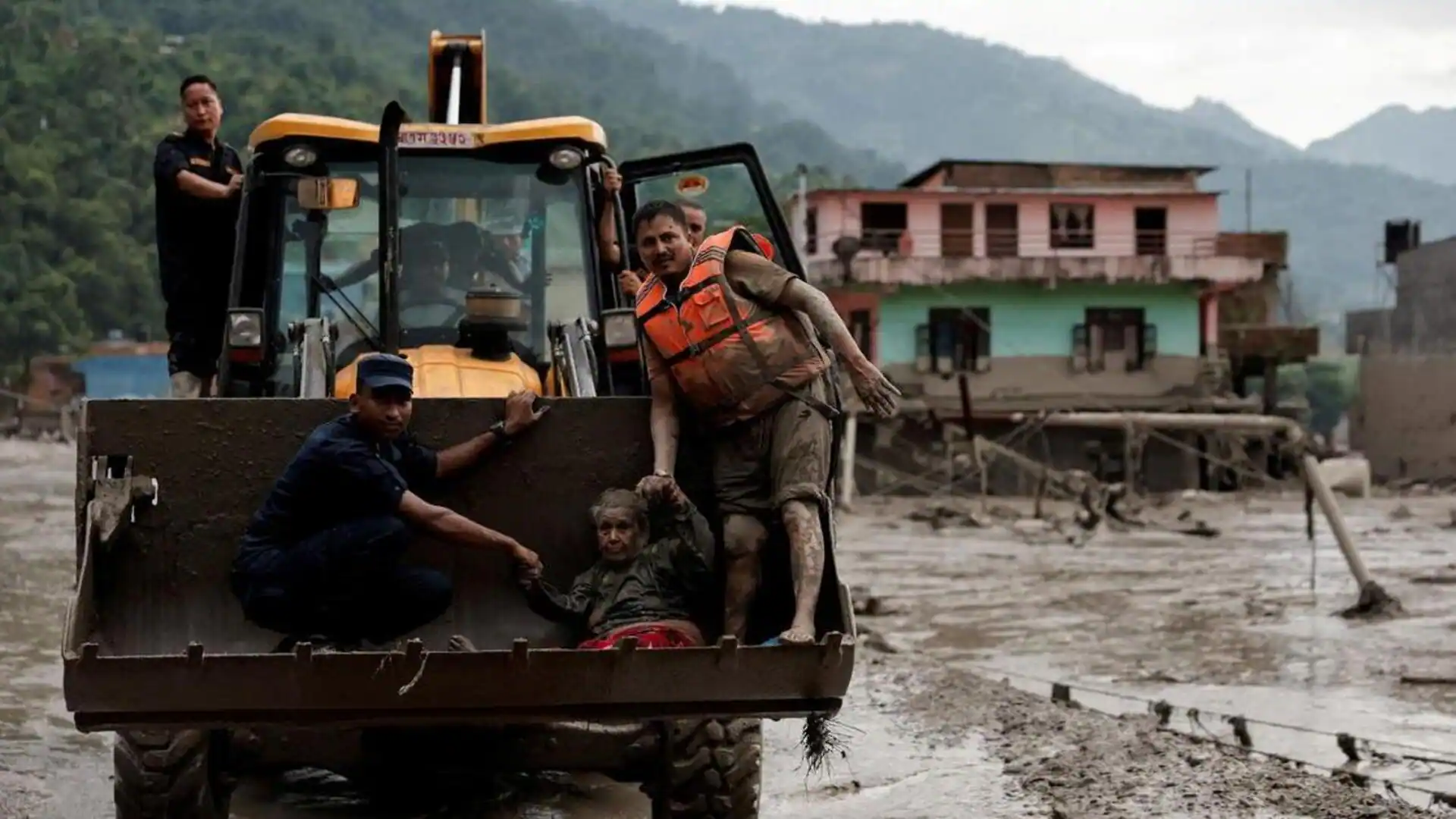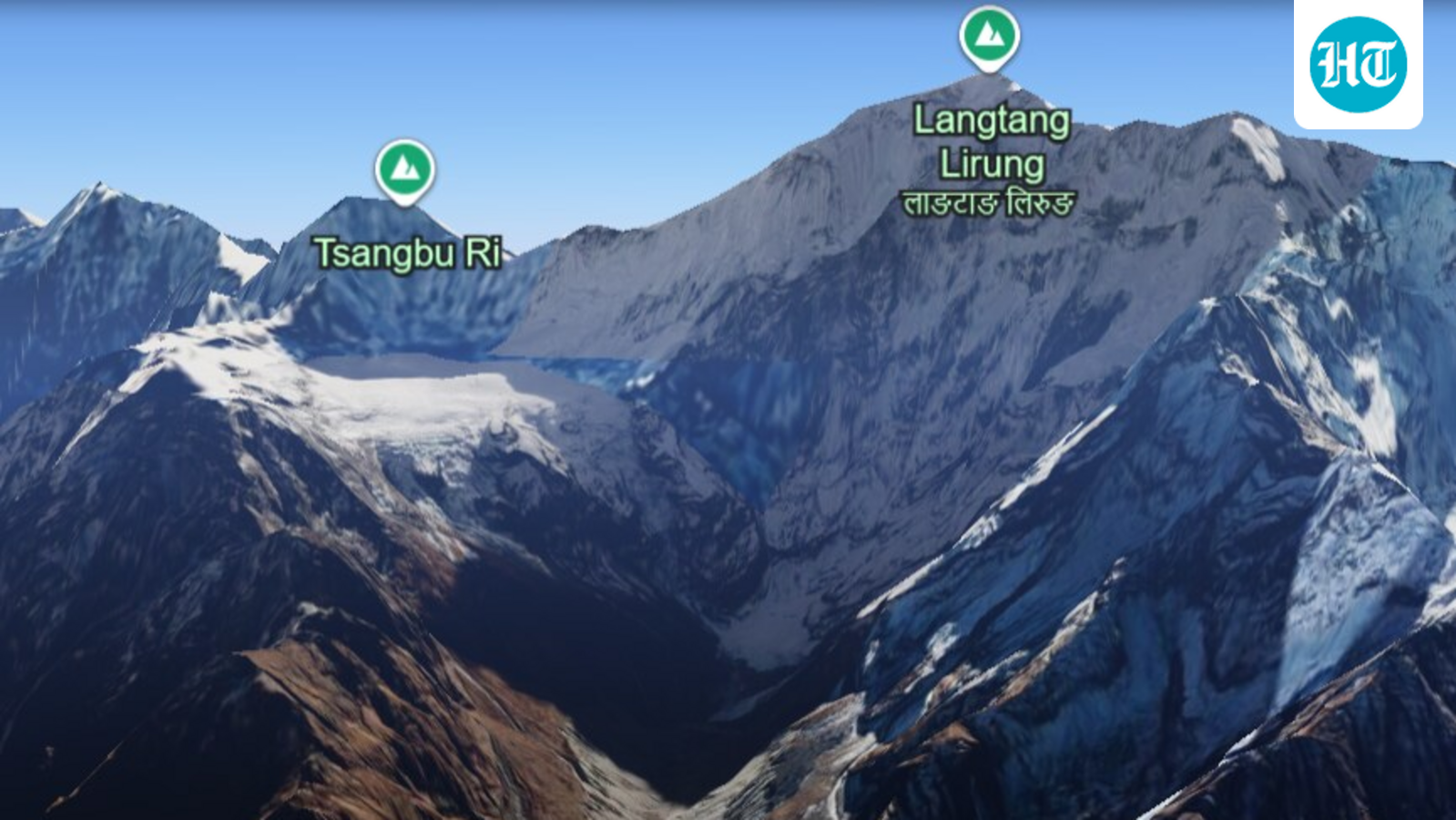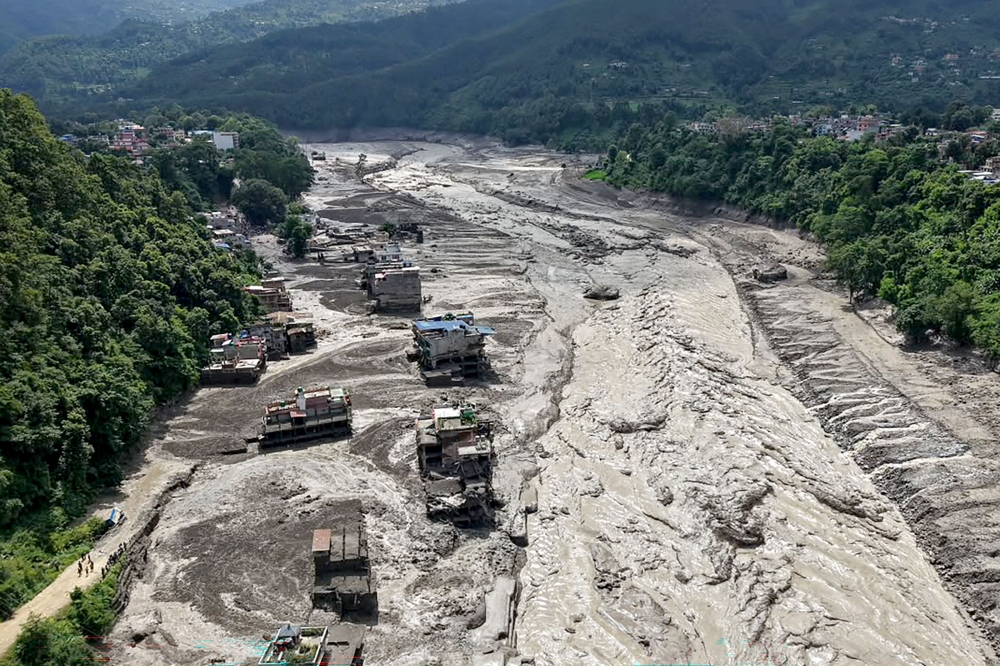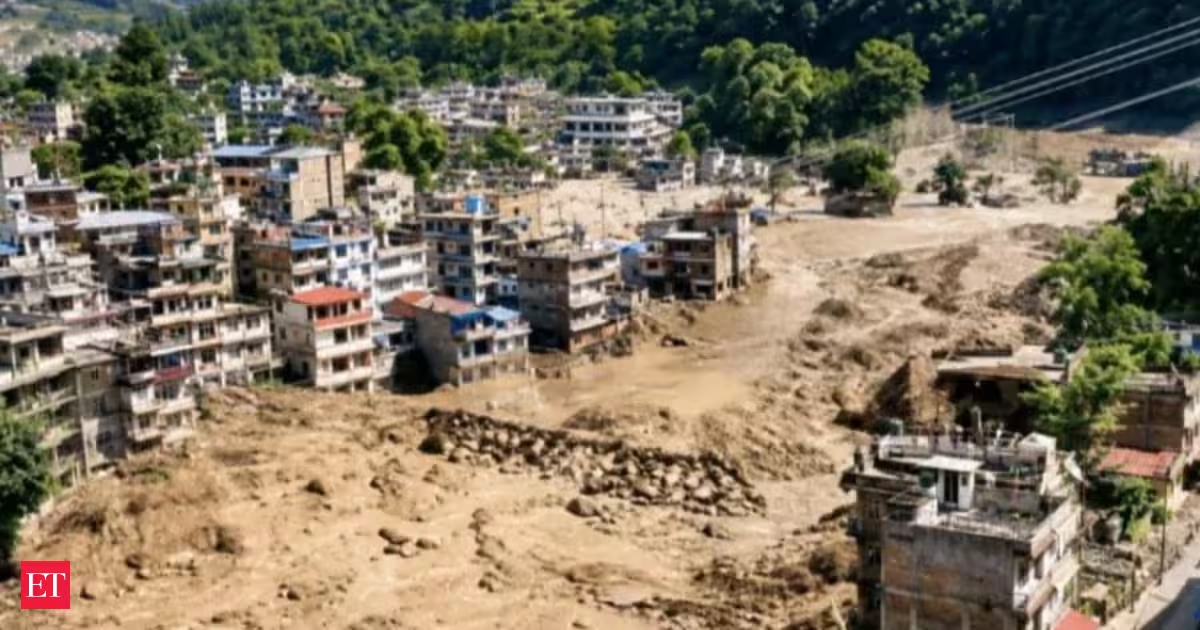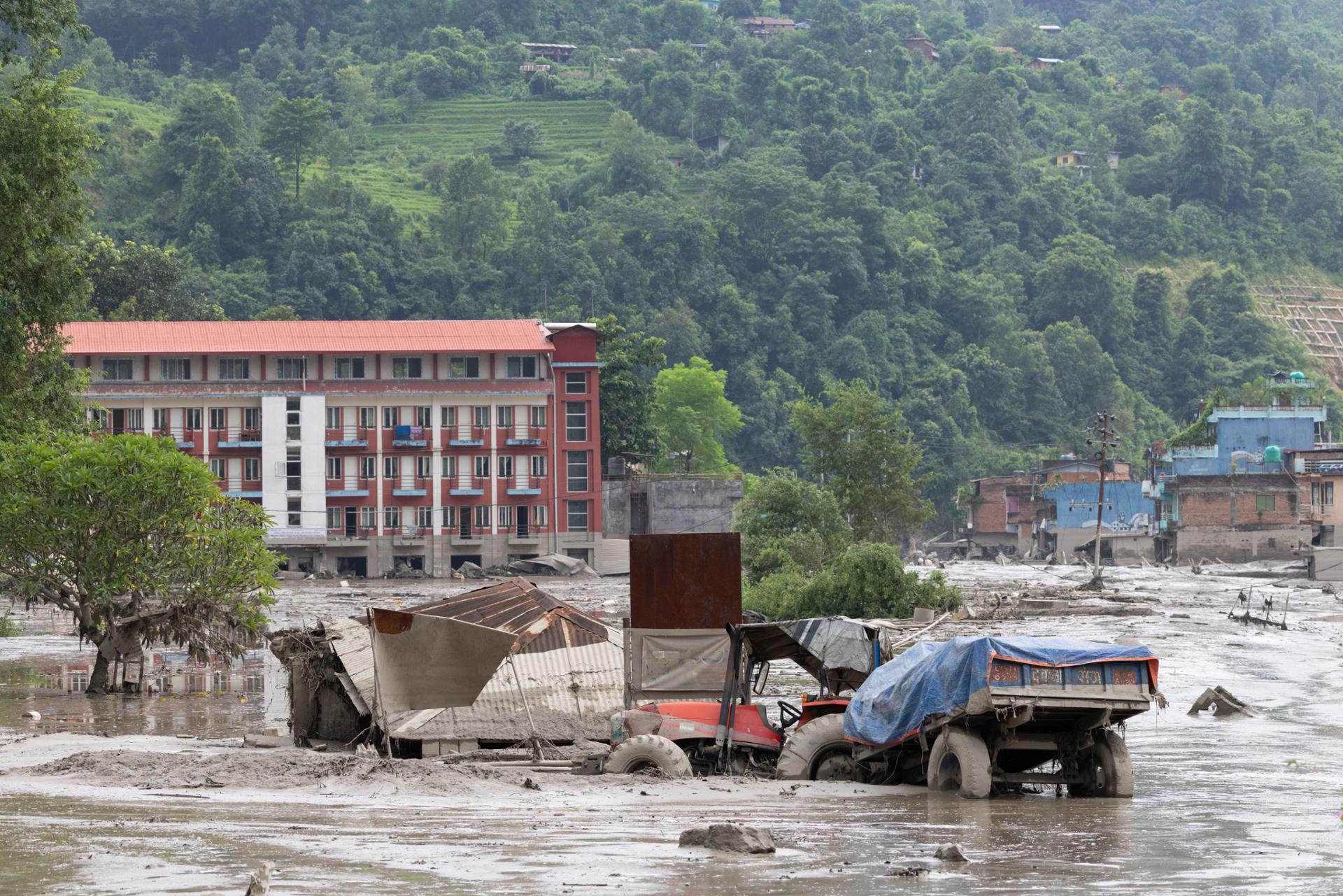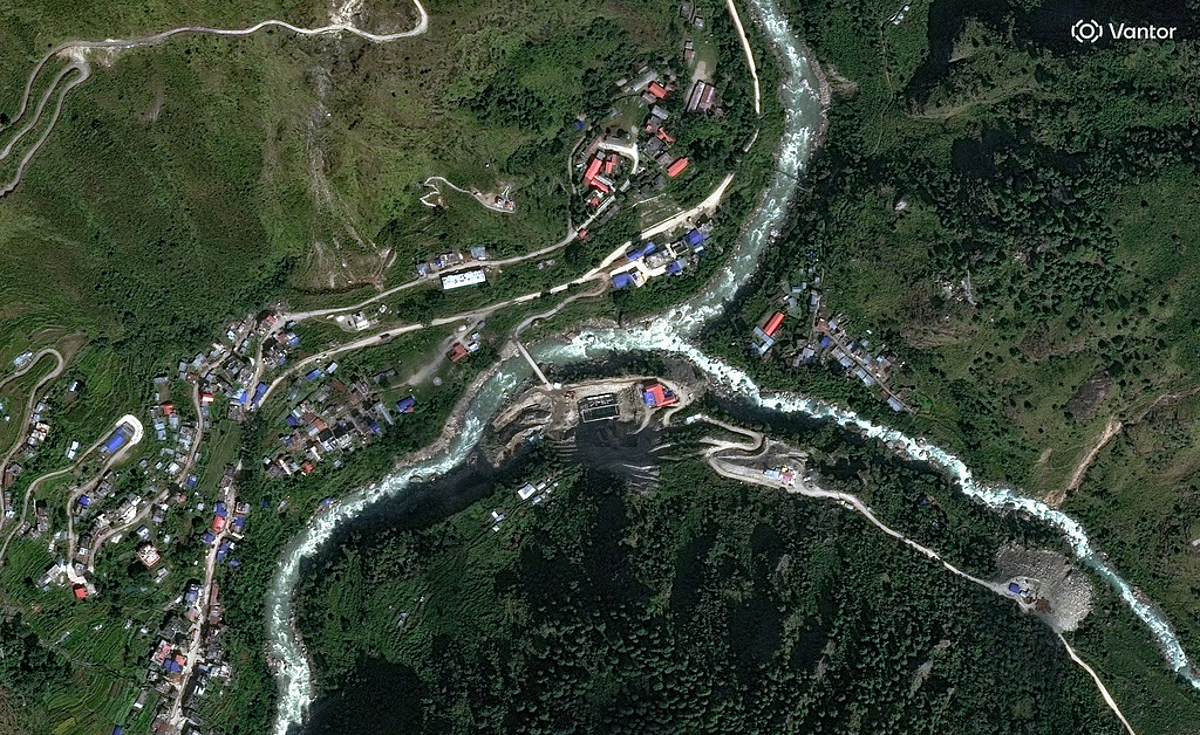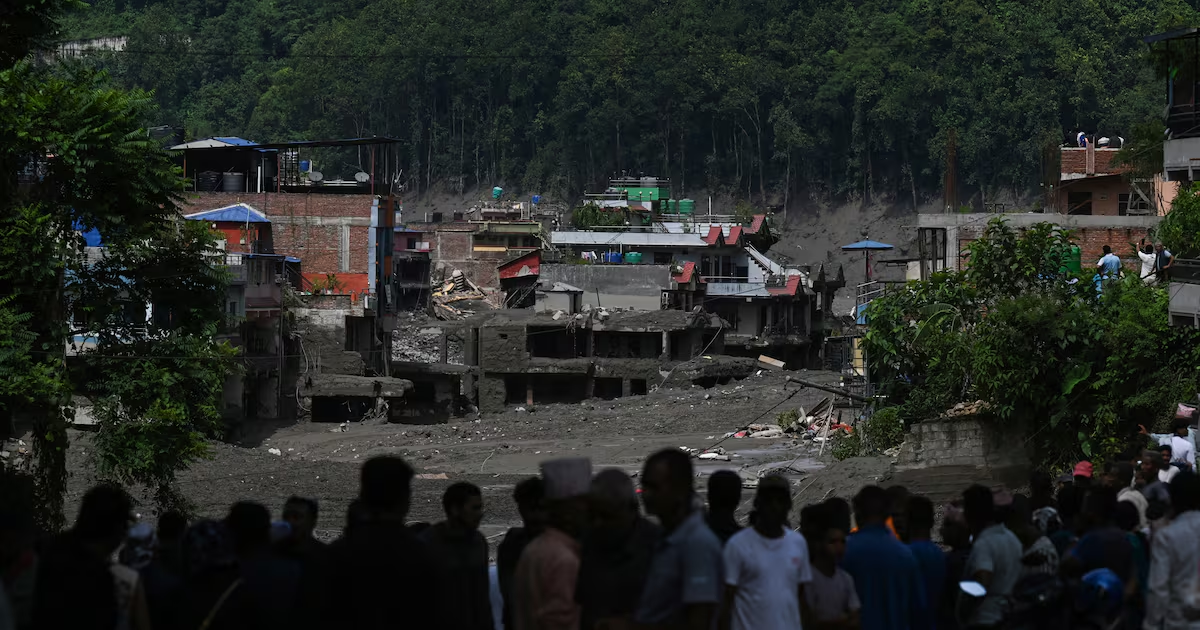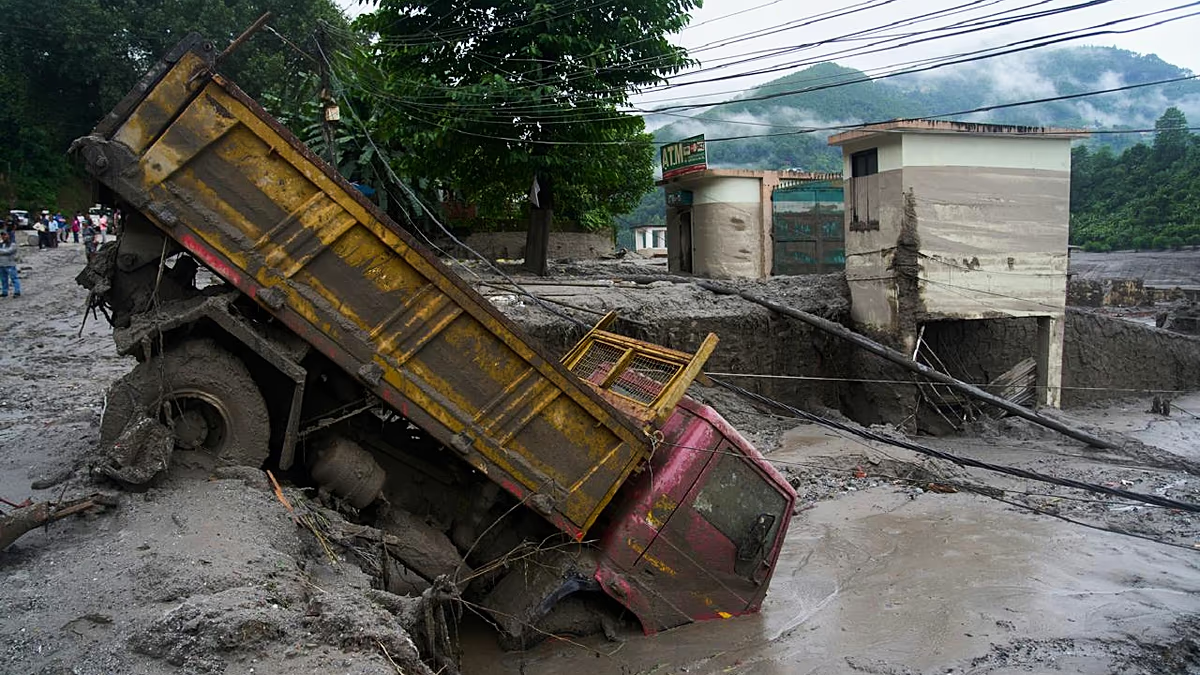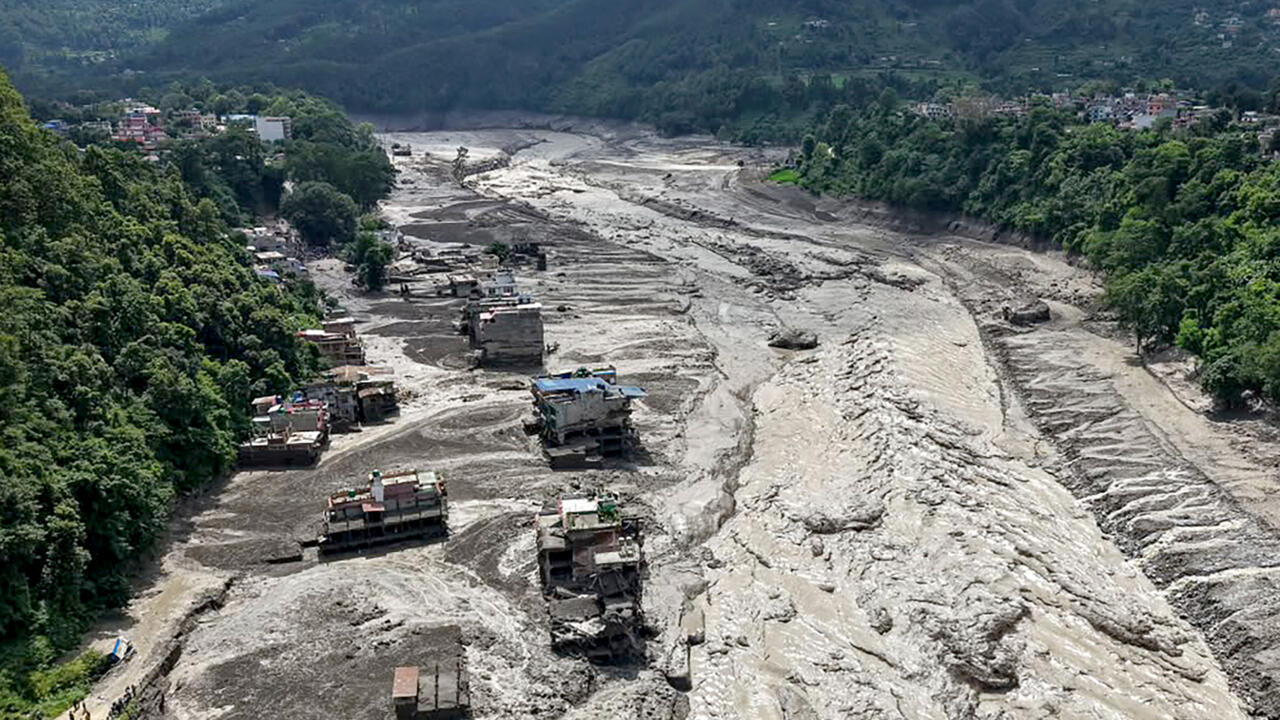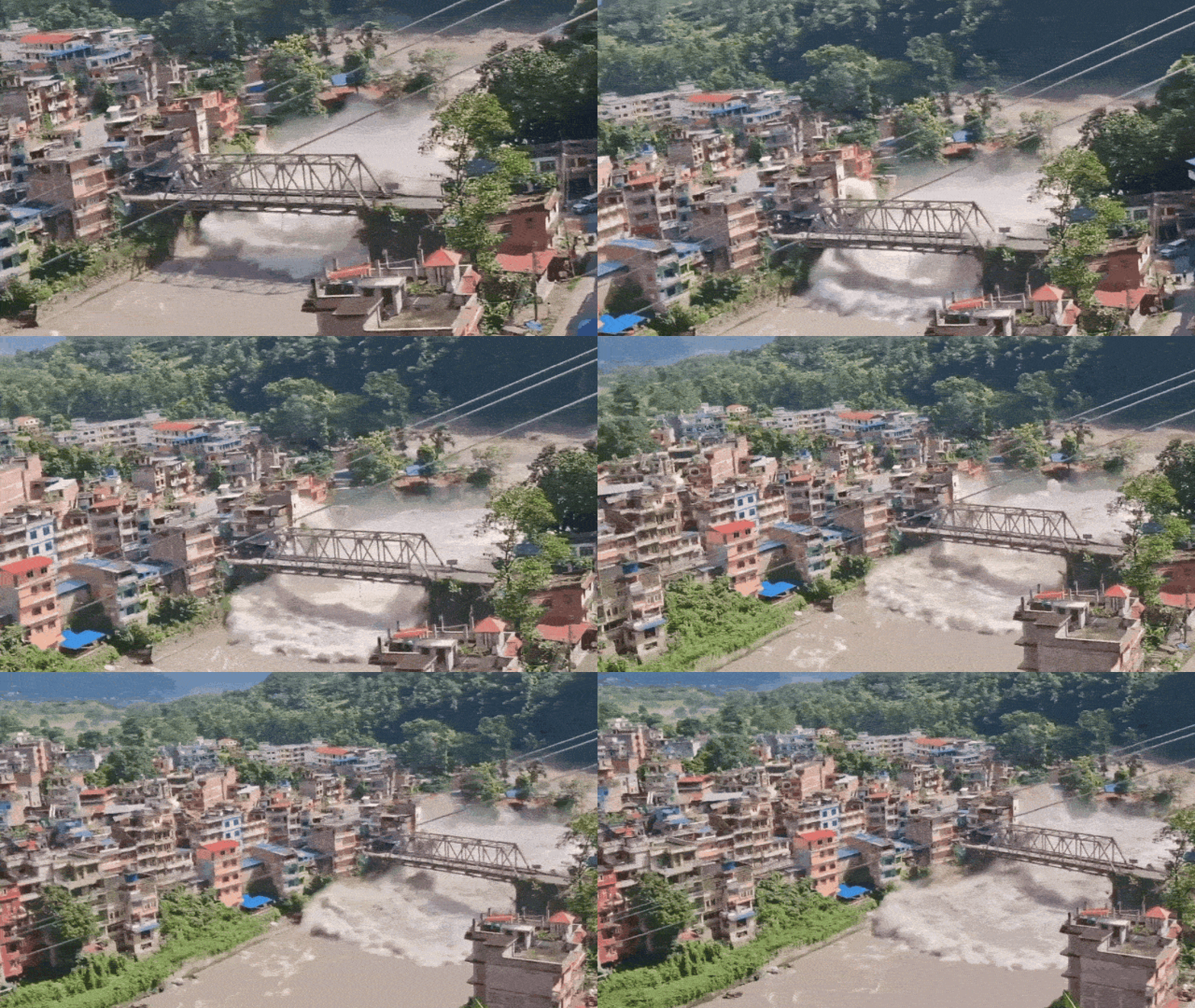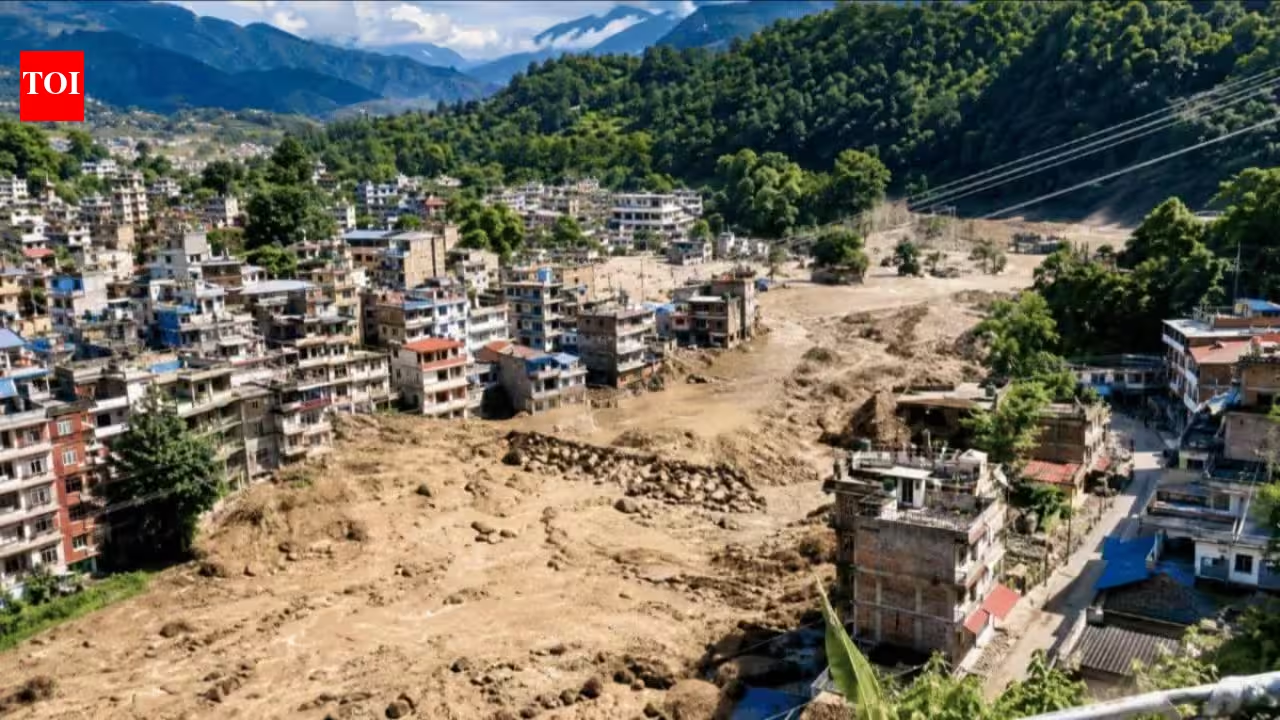
Glacial collapse behind Nepal’s ‘catastrophic’ floodsNearly two-thirds of a high-altitude glacier near the Nepal-Tibet border sheared away and plunged about 1.2km into the Lhende Khola river catchment Wednesday. This triggered a chain reaction in which falling ice gathered rock, snow and sediment, temporarily blocked the river and then released a debris-laden torrent into the Bhote Koshi-Trishuli corridor, satellite analysis and scientists’ assessments showed. The collapse occurred on the Nepalese side of the border.Satellite images analysed by Isro’s national remote sensing centre showed that almost two-thirds of the glacier body had detached. A Sentinel-2 image from Aug 24 showed the glacier intact, while a Landsat-9 image taken after the disaster on Aug 26 revealed a large scar identified as the “zone of glacier breakage and collapse”. The images also traced a broad ice-rock avalanche path descending towards the river.The scale of the fall was crucial to what happened next. Daniel Shugar, a geomorphologist at the University of Calgary, estimated from Planet Labs imagery that roughly 200 square metres of ice broke off at an altitude of around 5,200 metres and “collapsed about 1.2km vertically” to the valley floor. The drop “converted enormous gravitational energy into motion, allowing the mass to break apart and sweep up loose material rather than remaining a relatively coherent block of ice”.As the avalanche descended, it bulked up. Simon Cox, principal scientist at Earth Sciences New Zealand, said the collapsing glacier transformed into “a very large debris flow”, picking up rocks, sediment, trees and other material in its path.That sequence explained why the flood behaved very differently from an ordinary rise in river water. Hatim Sharif, a hydrologist at University of Texas at San Antonio, described such fast-moving mud-and-water flows as “like liquid concrete” — dense enough to sweep away vehicles, structures and large boulders rather than simply flow around them. The collapse was also strong enough to register on seismic instruments.
Glacier sheared off, plunged 1.2km before ‘liquid concrete’ flood swamped Nepal
Nearly two-thirds of a high-altitude glacier near the Nepal-Tibet border sheared away and plunged about 1.2km into the Lhende Khola river catchment Wednesday. This triggered a chain reaction in which falling ice gathered rock, snow and sediment, temporarily blocked the river and then released a debris-laden torrent into the Bhote Koshi-Trishuli corridor, satellite analysis and scientists’ assessments showed.
315 words~1 min read