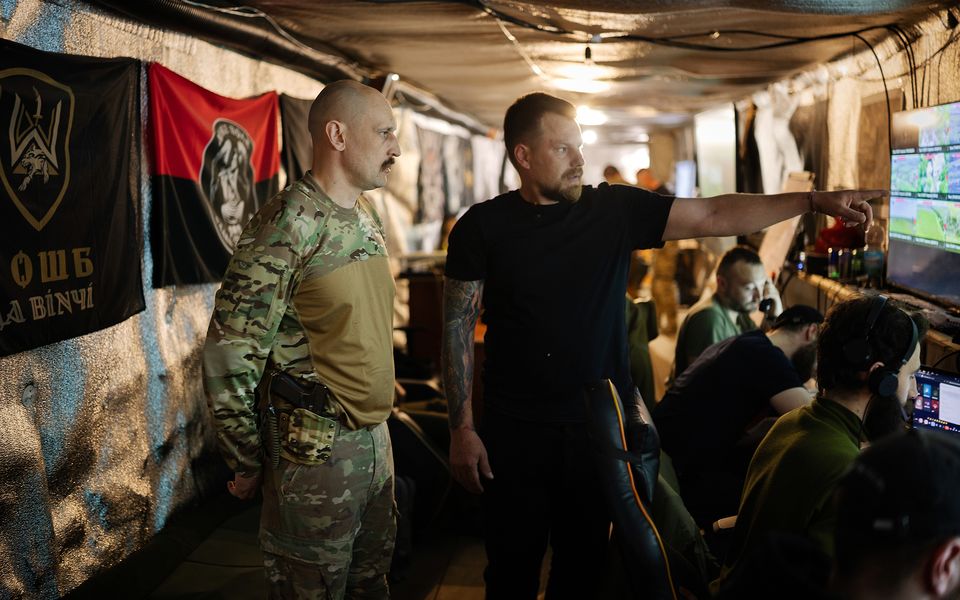
NEAR THE EASTERN FRONT, Ukraine — The screens, showing live drone footage of the battlefield, flickered with color-coded frames: green for Russian equipment, blue for Ukrainian forces, orange when friend and foe were hard to tell apart. Then, a frame flashed red, indicating a Russian soldier sprinting along a tree line.
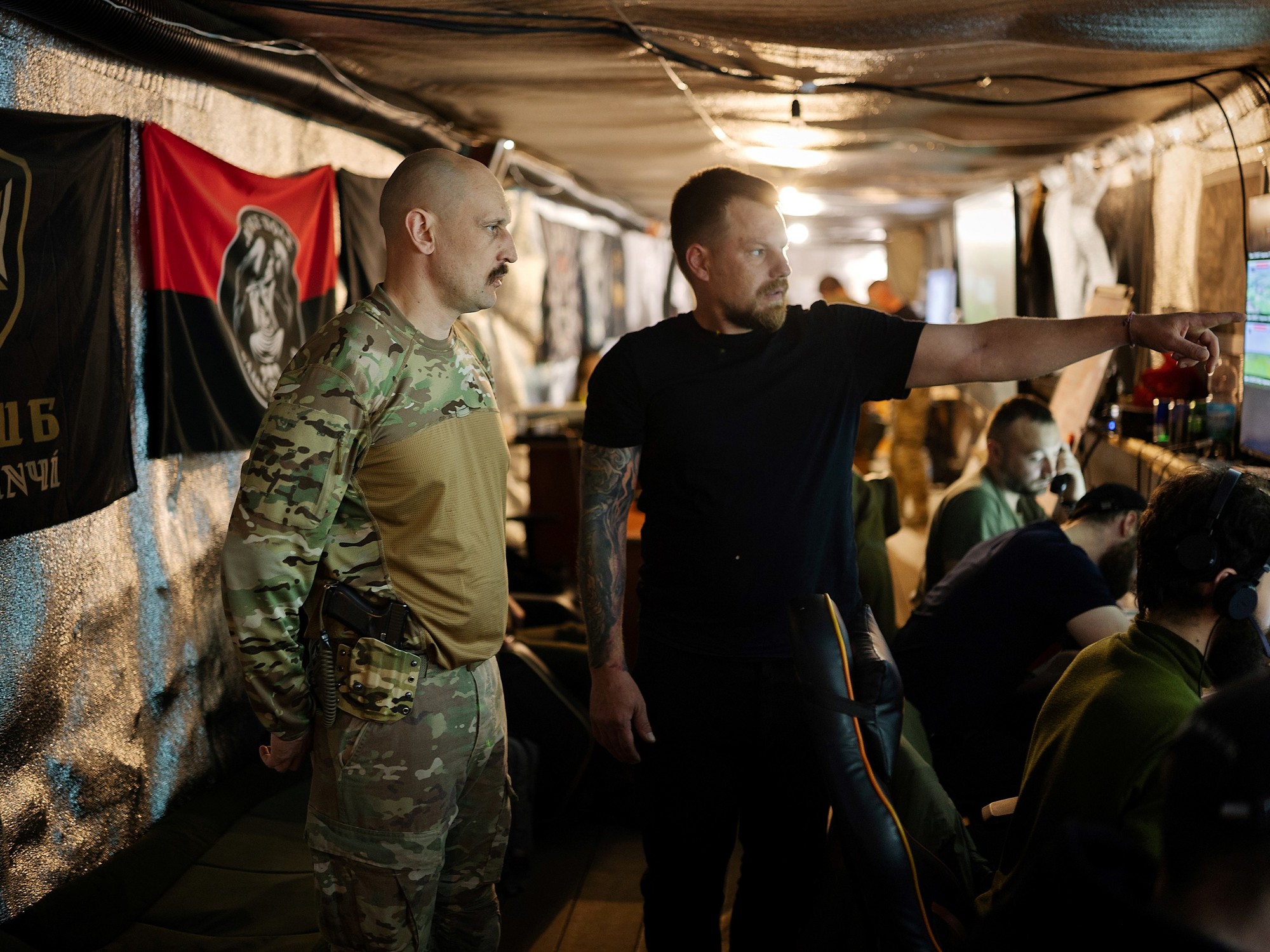
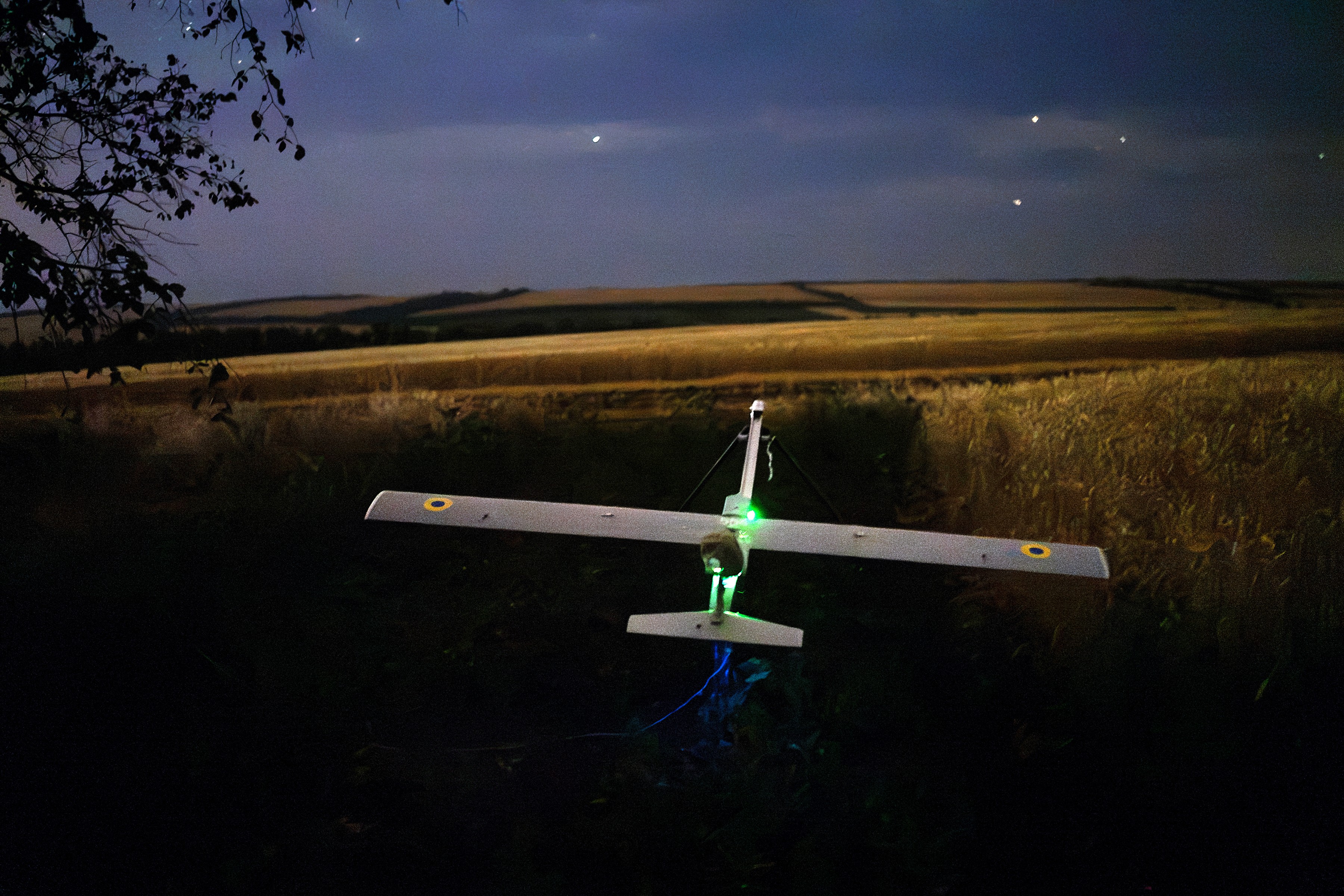
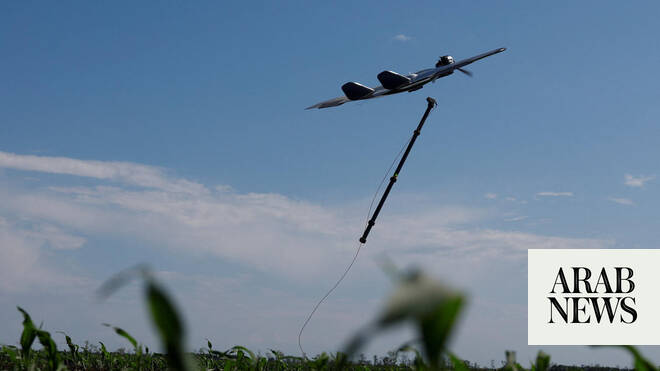
The Ukrainian troops watching from an underground command post on the eastern front sprang into action. A duty officer logged the Russian soldier’s coordinates into a computer. This automatically placed a diamond-shaped marker on a digital battlefield map, visible to all units in the vicinity. Within minutes, three attack drones were in the air, closing in.
The first drone missed. But the duty officer, from the Ukrainian 1st Separate Assault Regiment, fed the strike location and a video of the attack to drone teams from two other units so they could try to kill the Russian soldier.
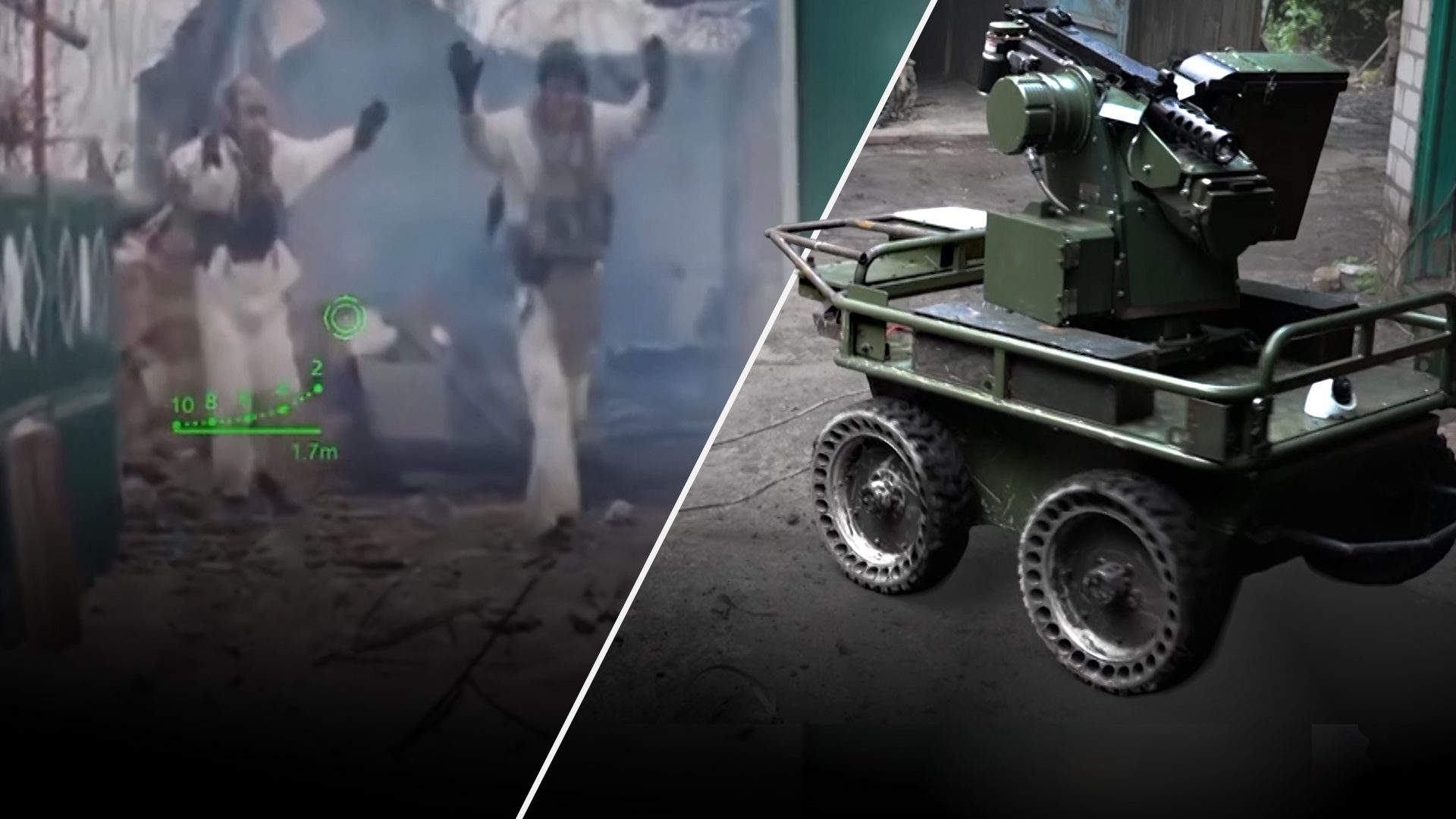
This chilling sequence — detection, tracking, strike — all depended on powerful software that Ukraine has developed, called Delta.
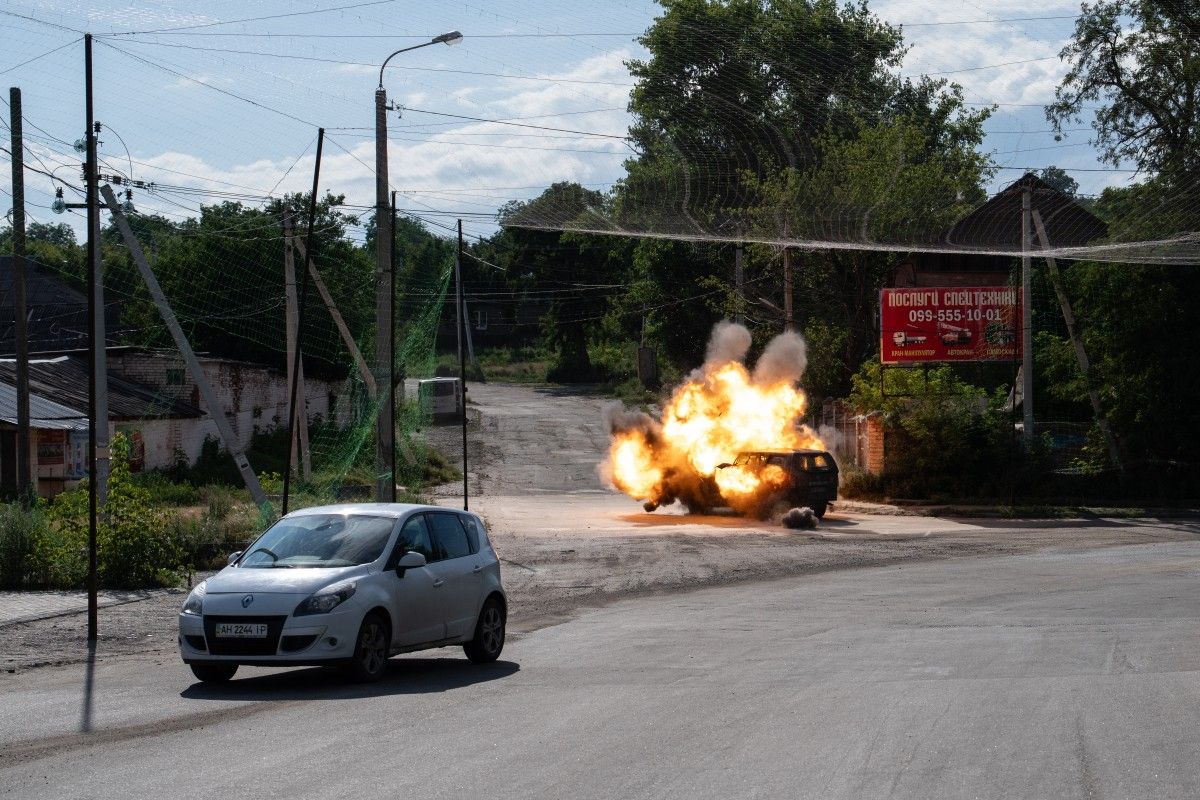
The software pulls streams of battlefield intelligence, including drone video feeds, radio intercepts and satellite images, into a single platform that helps detect targets. The system then distributes the targets to thousands of reconnaissance and attack drones that fly around the clock, helping to create a miles-wide “kill zone” where anything that moves can be spotted and hit within seconds.