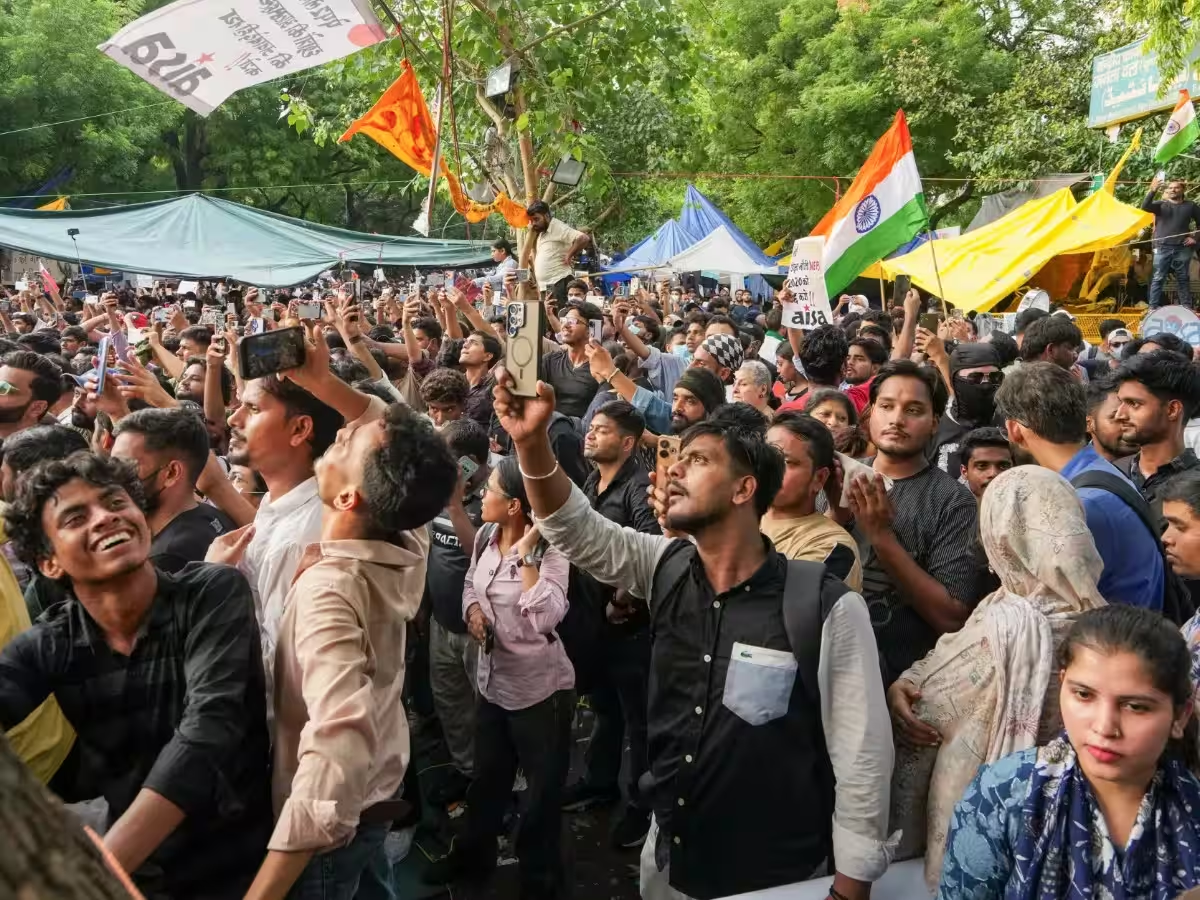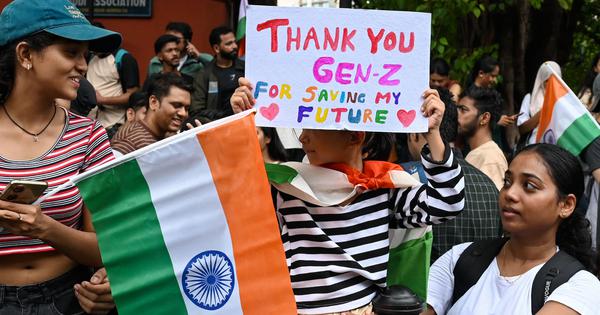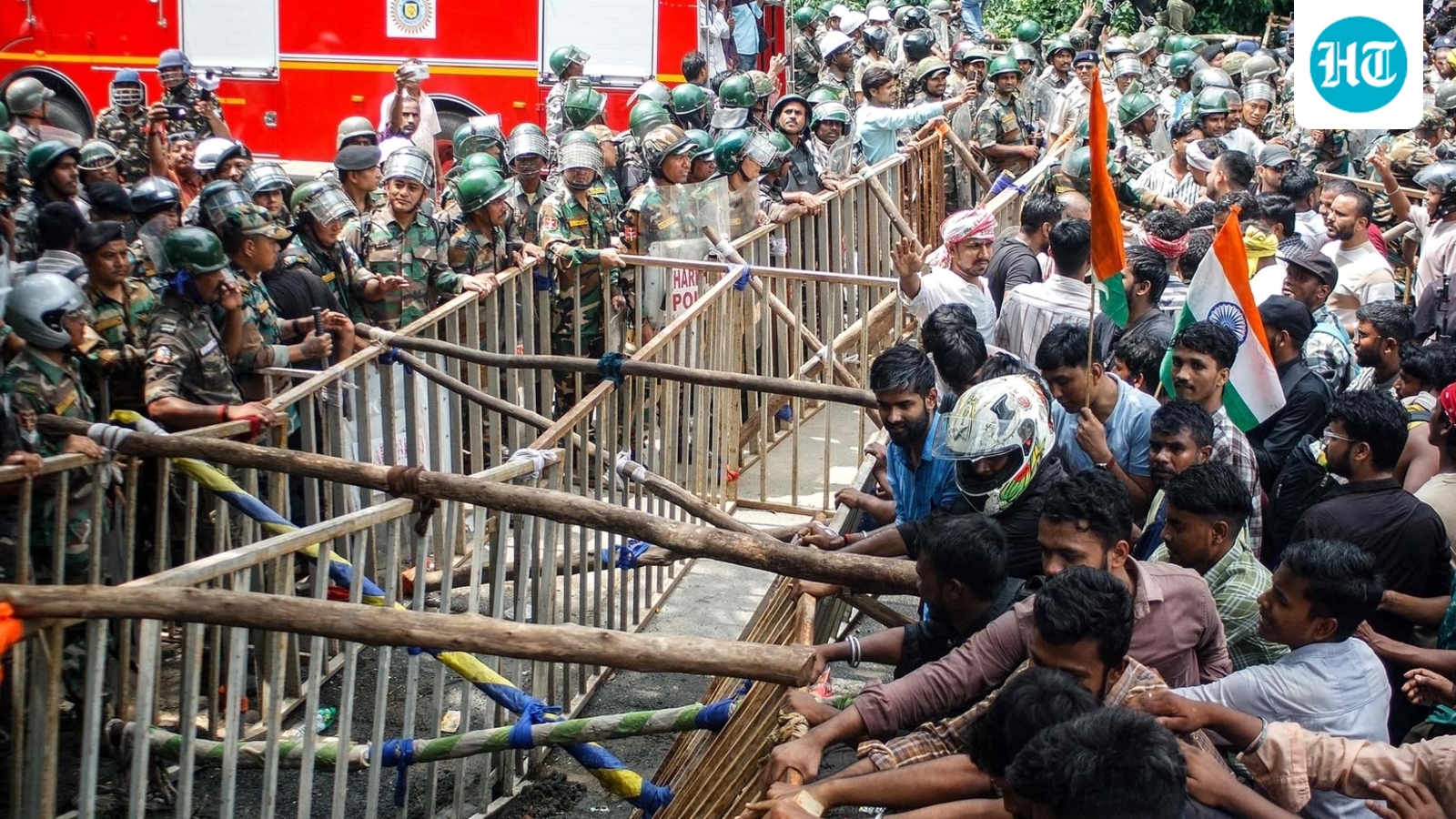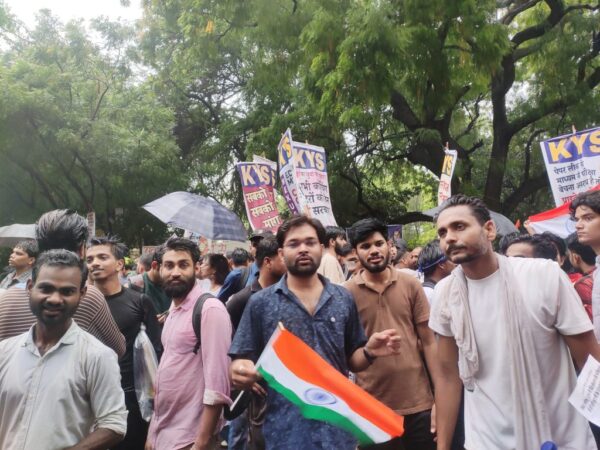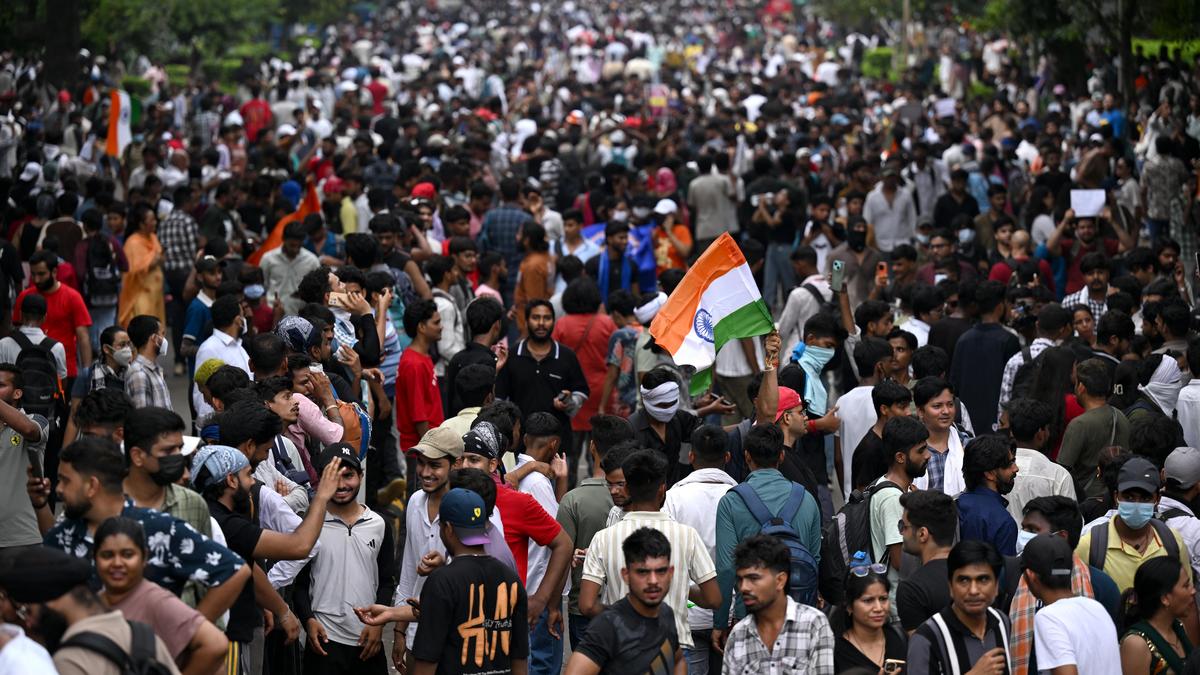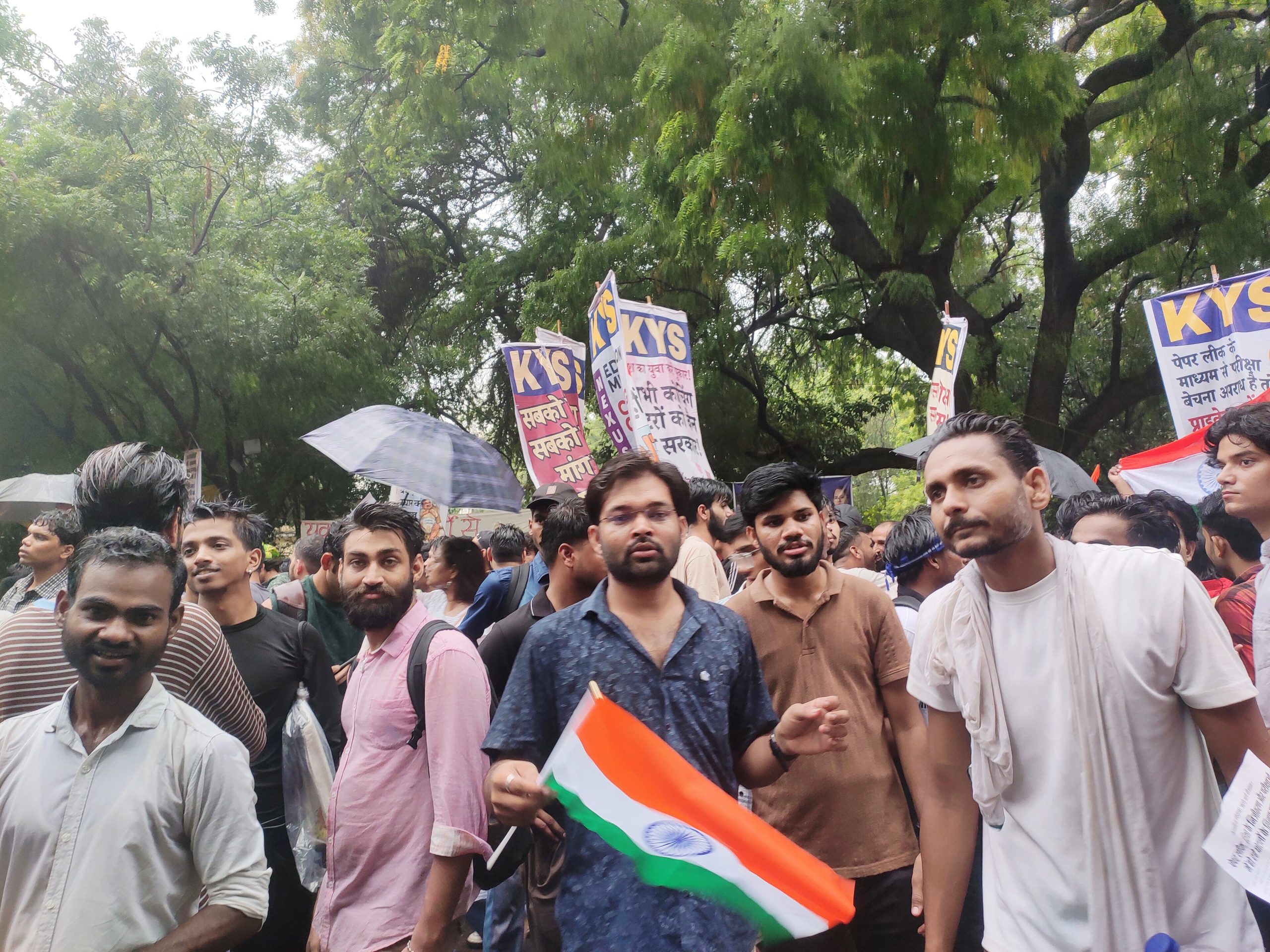
The protests in New Delhi that led to the resignation of the then Union Education Minister Dharmendra Pradhan have understandably been interpreted through a political lens. Yet, beneath the debates over demands, slogans and governmental response lies a more enduring story.
For many observers, the protesters’ temperament was the most striking during the entire episode. Their willingness to question authority, their irreverent language, their ability to convert internet culture into collective action and their apparent indifference to traditional political hierarchies have generated both admiration and anxiety. Much of the public discourse has, therefore, become a referendum on Gen Z itself.That would be a mistake. Apart from a political event, the protests should be read as a sociological one. They reveal a generation whose relationship with authority has been shaped by social conditions fundamentally different from those that shaped the managers, policymakers and institutional leaders now attempting to understand it.
Those differences will outlast the politics of any particular protest. They will increasingly define India’s workplaces, universities and public institutions over the coming decade.Different understanding of authority