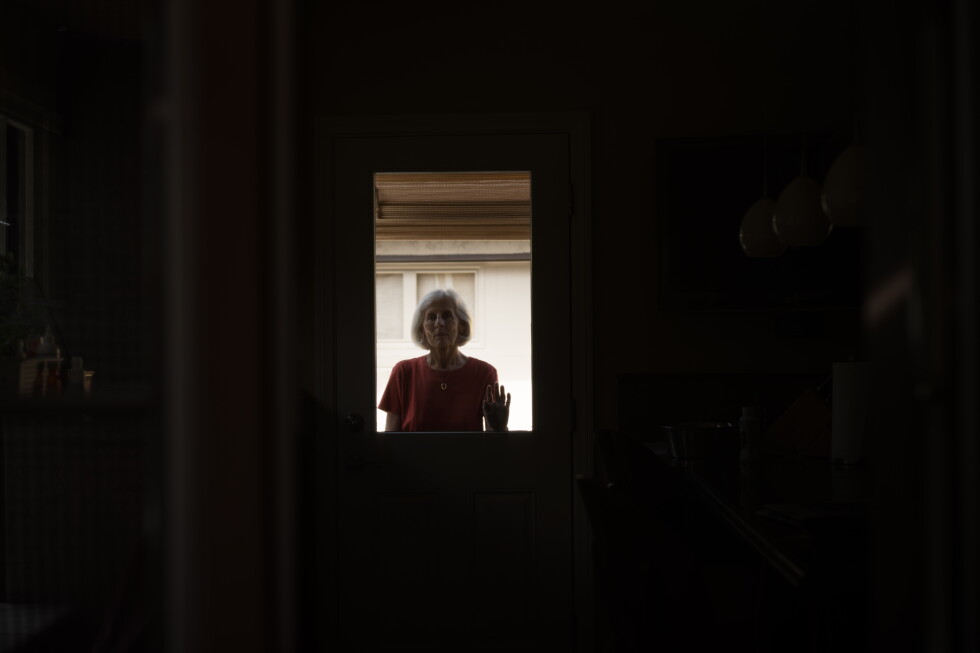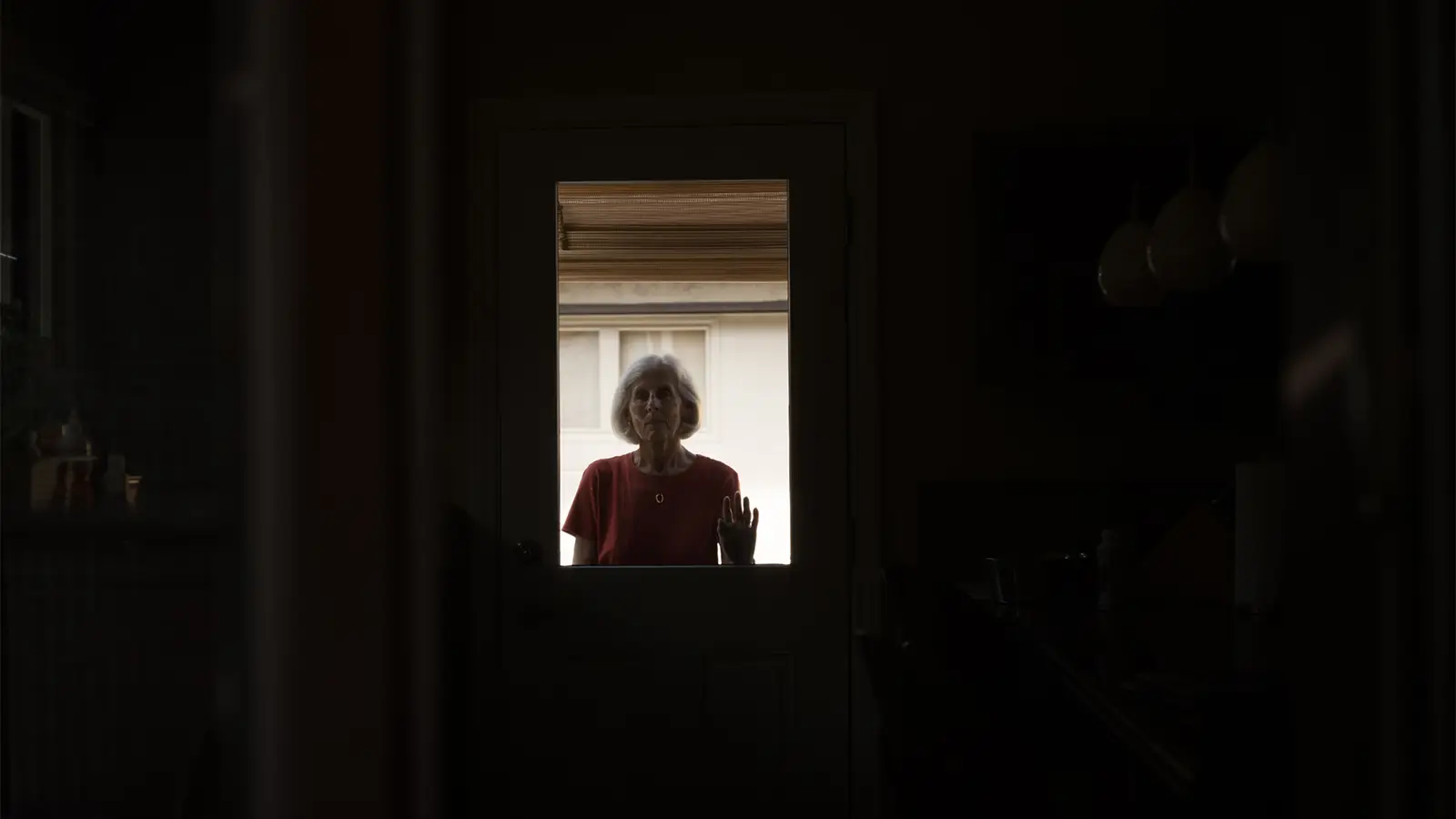
At 71 and a few years into retirement, Linda Henry felt like she was in good health, and only went to her doctor in Southern California for the occasional checkup.
So it was a shock when she found out in 2024 that she had been enrolled in hospice, a specialized end-of-life care usually provided to people with 6 months or less to live. A Medicare worker told her the system said she had heart failure.
Henry was a victim of rampant fraud in the hospice industry, a problem that's been especially extreme in California, where scammers have taken advantage of historically weak government oversight. Fraudsters have created fake hospices and tricked people into enrolling, or stolen people's identities to bill Medicare for hospice services.
California's been a focus of the Trump administration's crackdown on fraud in federally-funded health programs, with more than 1,000 California hospices removed from Medicare since early 2025. Federal officials estimate LA County alone accounts for an estimated $3.5 billion in fraudulent hospice claims.
The state says it's doing its part to tackle the issue. California has revoked nearly 500 licenses since putting a moratorium on new hospices in 2021 and in June adopted long-awaited emergency regulations that set more stringent criteria for approving new licenses.