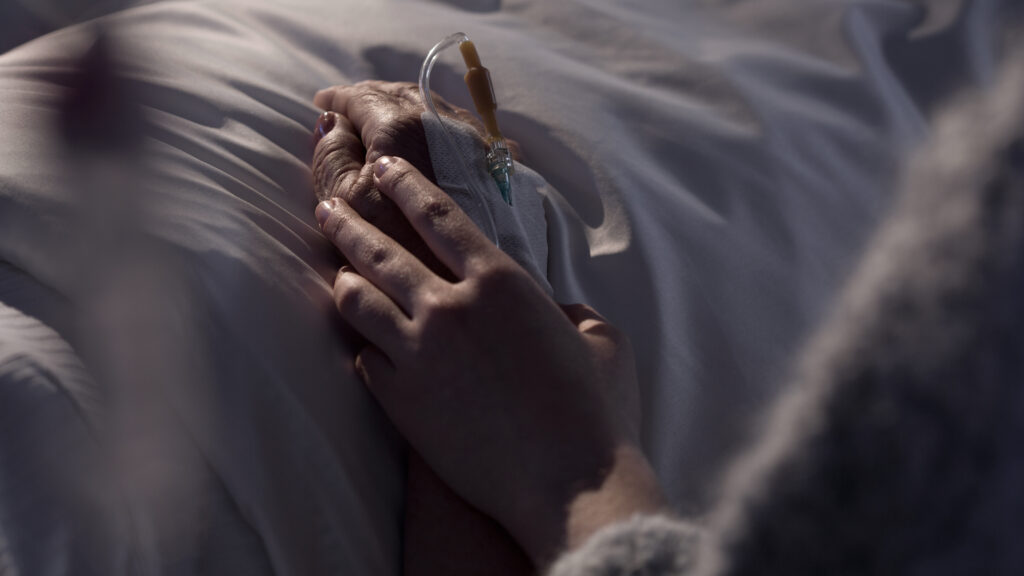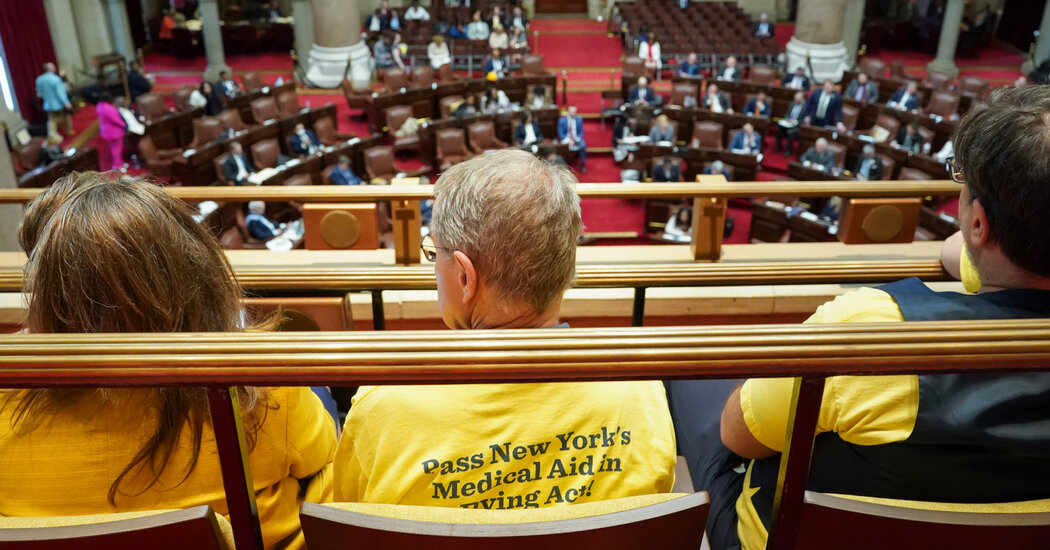
Earlier this month, New York made medical aid in dying available for terminally ill New Yorkers with less than six months to live. Unlike most states, however, New York has added an unusual safeguard: In order to receive life-ending medication, patients must record their oral request on audio or video.
The recording requirement makes vivid how much this law depends on patient choice. Proponents of medical aid in dying (MAiD) — the practice of allowing terminally ill patients to obtain medicine they can use to end their lives — argue that as long as there is no undue influence, giving people the choice to end their lives on their own terms empowers them. The recording simply helps to prove that the choice really was the patient’s.
This thinking assumes that more choice means more autonomy, and more autonomy is better. But that assumption is too simple.
A few decades ago, the philosopher David Velleman challenged that premise. He wasn’t worried that patients might be pressured into choosing death. Instead, he argued that sometimes, simply having an option can be harmful. More surprisingly, he argued that the harm can occur even if we never exercise the option — and even if we exercise it and benefit from doing so.