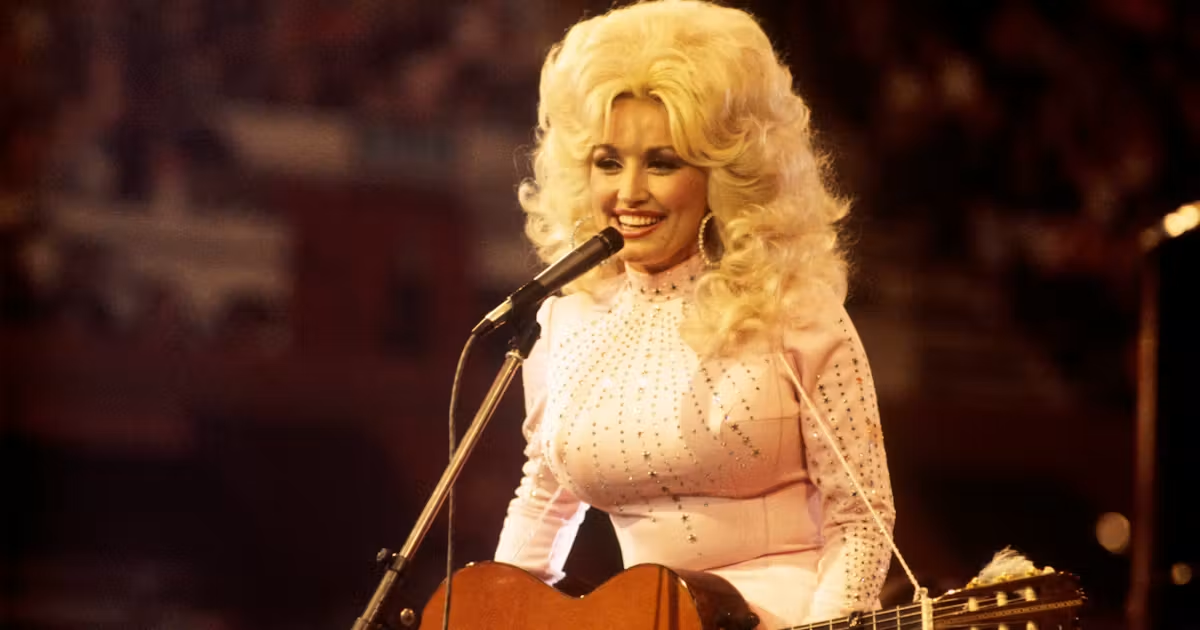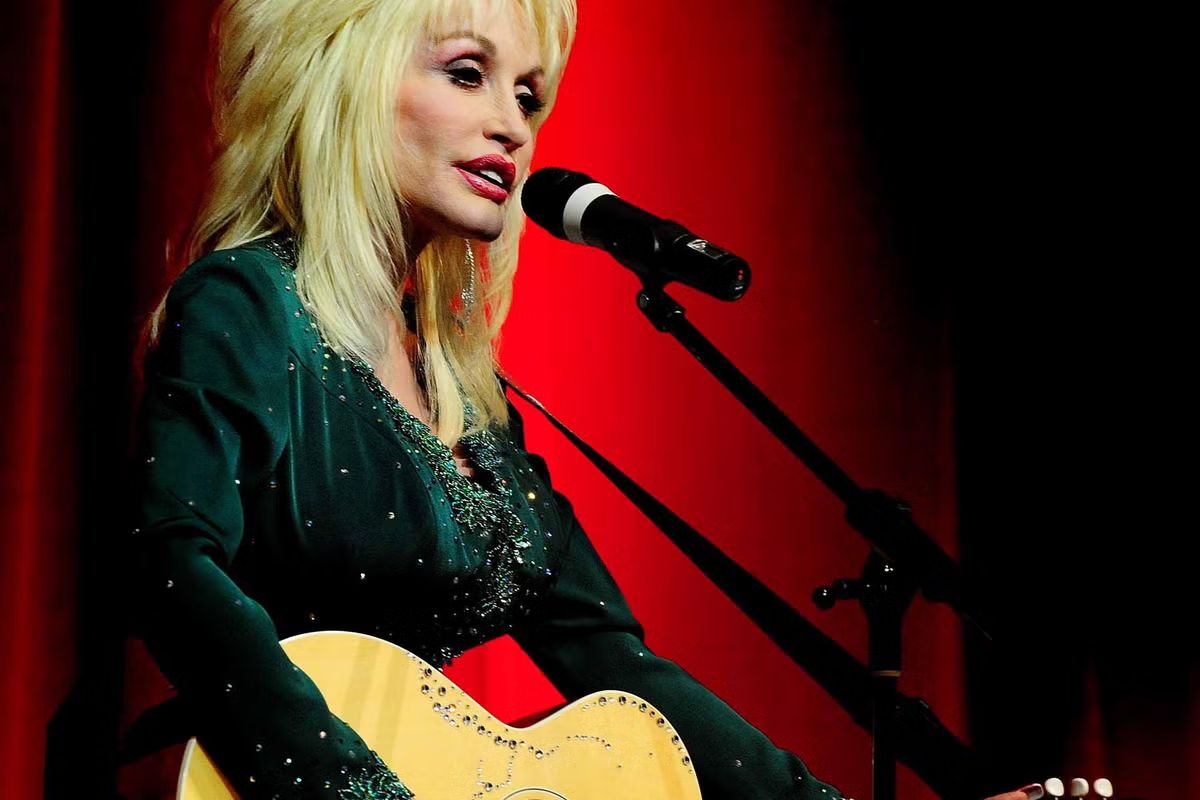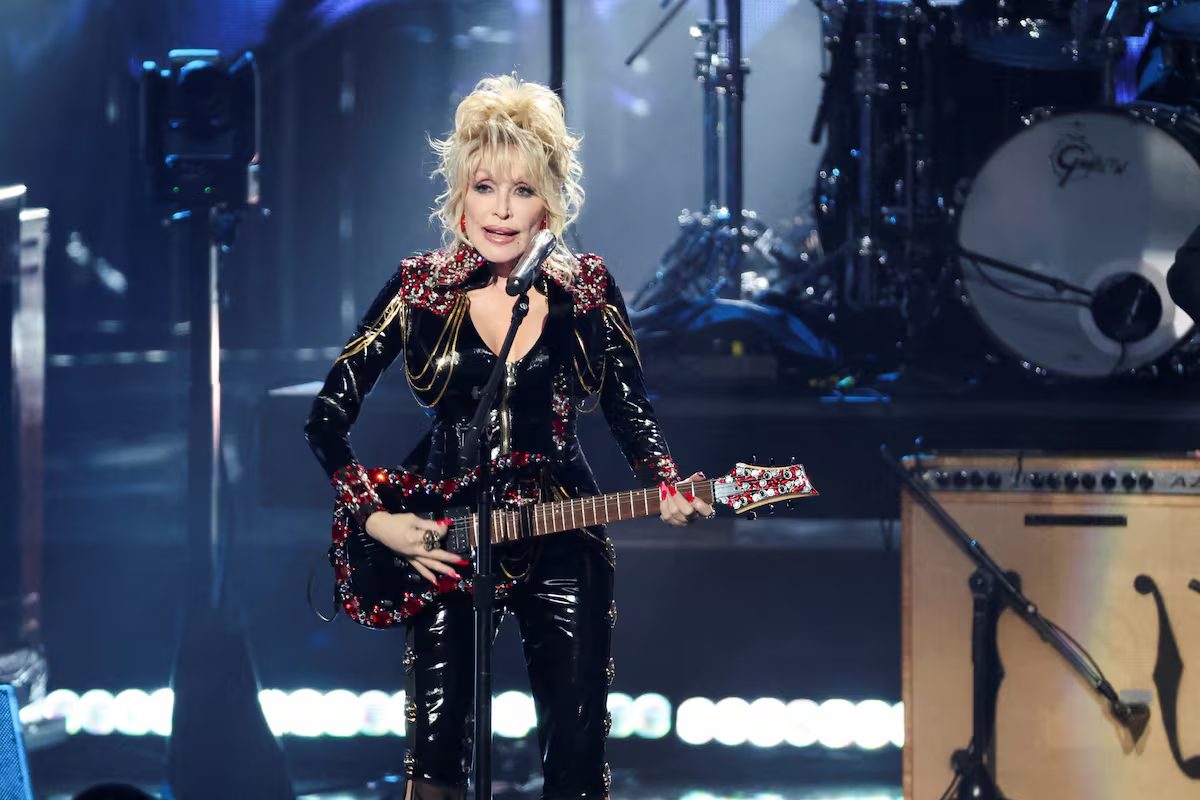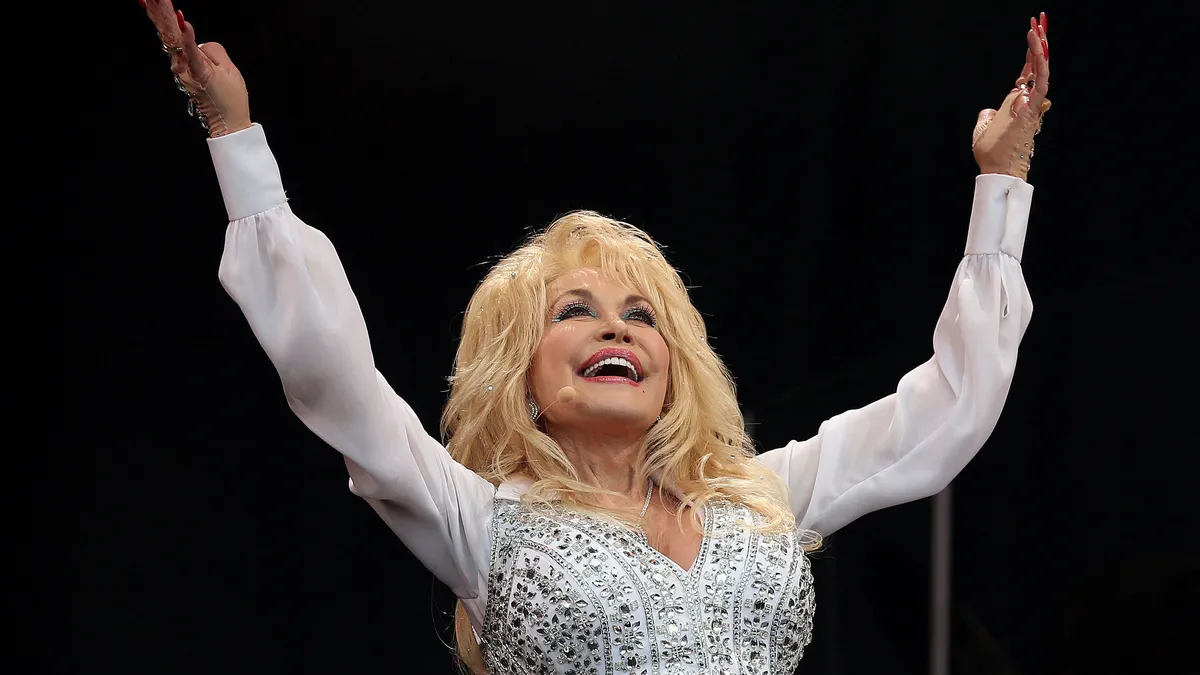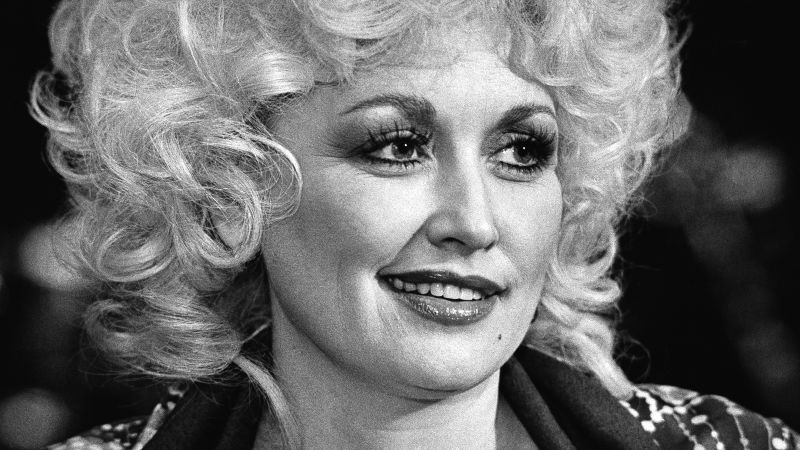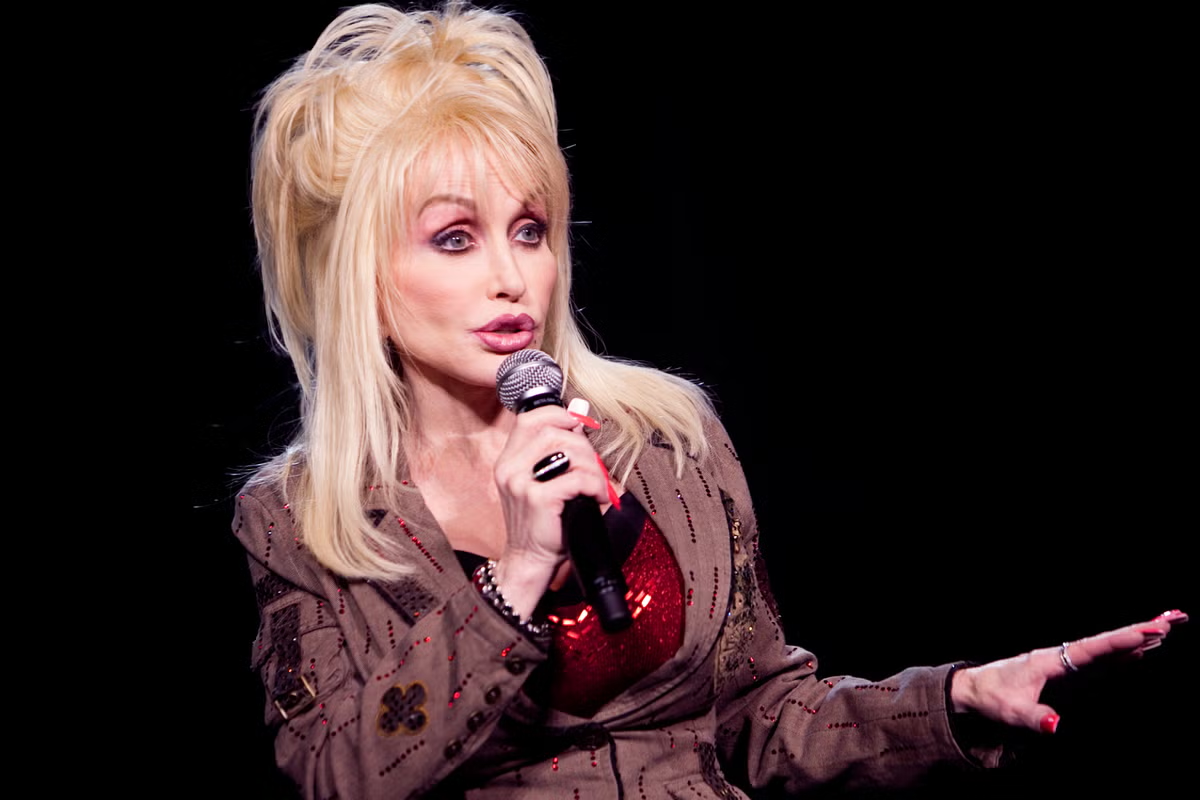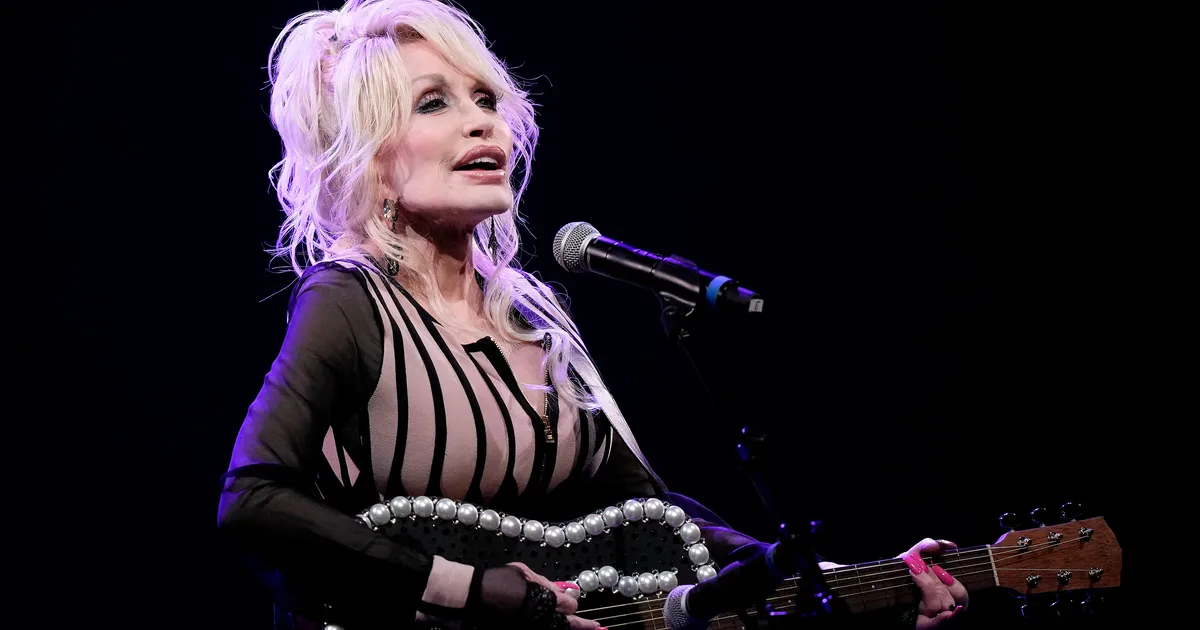
Dolly Parton died Tuesday, aged 80. For once, America found consensus in its mourning. The same cable panels that spend their airtime fighting over immigration, women’s rights, and everything in between landed on one simple thing to say about her: that we’d lost someone good.For most, her death means something personal. For me, growing up, I listened not just to Dolly but the Judds, Kenny Rogers, Reba McEntire, Garth Brooks, Johnny Cash and others. I knew country music before I discovered hip-hop. I often got comments about how that was odd; I’m a Black woman, and country musicians are mainly white. But country music’s art of storytelling and the banjo are very similar to the African storyteller, the griot, and his Kora, in a way that reaches across cultures and speaks of home. Dolly simply told her story the way she wanted to tell it, and billions of us heard it.Part of what made that possible is that she embodied something close to the American spirit itself: self-made, big-hearted, unbothered by her own contradictions and never ashamed of where she came from.She also never hid her faith.She talked about God the way she talked about her family, plainly, without asking anyone’s permission first and without flinching from it either. And she kept herself almost entirely out of politics, declining to endorse candidates, deflecting reporters who pushed her on elections, turning down the Medal of Freedom twice rather than let either party claim her.That combination, open faith paired with deliberate political silence, is what let Americans who agree on nothing else claim her as their own. It’s exactly that combination that no longer seems buildable in this country.But Dolly Parton’s kind of faith — devout, public, and never traded for political capital — may not survive her.I write this as a faith elder at Christ Citadel International Church in Los Angeles, having spent decades as a Black woman inside American Christianity, a tradition that knows what it means to have your faith questioned, used against you or sorted into somebody else’s hierarchy of who counts as a real believer.No single figure has done more to close that space than Donald Trump, who has spent this year turning faith into an instrument of both foreign and domestic politics. Christians in Nigeria became a rallying point, with a threat to intervene militarily and a vow to go “guns-a-blazing“ against Islamic terrorists in that “now disgraced country.”Weeks before Parton’s death, after Abdul El-Sayed won Michigan’s primary, Trump posted a graphic pairing a formal photo of himself and Melania with a casual one of El-Sayed and his hijab-wearing wife, captioned “Two VERY DIFFERENT America’s.” One family was offered as the real America; the other, the alternative.At home, the same instinct runs in reverse, rewarding rather than punishing: a White House Faith Office, a Religious Liberty Commission, a Task Force to Eradicate Anti-Christian Bias claiming “a consistent and systematic pattern of discrimination against Christians.” His Justice Department went further, telling a court that pulpits could back candidates without costing a church its tax exemption, unwinding a rule that had held since Eisenhower, until a federal judge threw the arrangement out the following spring. Trump’s own inaugural address credited being “saved by God to make America great again.”Faith earns rank now, worth threatening war over abroad, worth building federal infrastructure around at home, worth mocking when it shows up on the wrong family. Parton spent her career refusing to take that test.A view of flower bouquets, handwritten notes, and candles left by mourners at the base of the iconic Dolly Parton mural outside The Lytle House event venue in the Edgewater neighborhood in Chicago, Illinois, United States, on Aug. 26, 2026. Fans and community members have transformed the local landmark into a growing memorial site to pay their respects following the passing of the country music legend, actress, and philanthropist at age 80.Anadolu via Getty ImagesI’ve spent my career watching that kind of neutral ground get harder to hold, long before any of this had a name. Yet Parton’s theology showed up in what she did, almost never in what she argued for.Look at how she gave. When wildfires killed 14 people and destroyed more than 2,000 homes in her home county in 2016, Parton launched a relief fund within 48 hours, paying displaced families $1,000 a month for six months, no cause attached to it.Four years later, she gave Vanderbilt University Medical Center $1 million for coronavirus research, funding that helped support the early trials that led to Moderna’s vaccine. When reporters tried to credit her with saving lives, she waved it off: “I probably get a lot more credit than I deserve.” No individual can hold Parton’s kind of neutral ground for 30 years anymore. Stay that quiet today, as a rising figure of faith, and it reads as evasion, not humility.At the Grammys in February, country singer Jelly Roll won three awards and used the stage to talk about Jesus, holding up a Bible and telling the crowd that faith is available to anyone, “broken” or not. He said, almost word for word, what Parton spent her career demonstrating instead of arguing: “Jesus is not owned by one political party.”It didn’t matter. Critics online accused him of “religious psychosis.” Others branded him “very MAGA” for the same 15 seconds. He never claimed a side. The internet assigned him one anyway.I’m aware that this essay is itself a kind of politics, and that naming a president and characterizing his record are not the neutrality I’m describing in Parton. I’m not claiming her silence for myself, and I don’t think I could hold it even if I tried.But I’ve spent my ministry trying to be the kind of elder who doesn’t demand people declare themselves before I’ll sit with them, the way Parton never demanded it of her audience. I don’t know how much longer that will stay possible, for them or for me.The pastors before me buried the dead and married the living without ever having to ask who they’d voted for. Parton got 60 years of that same freedom, in public, without anyone demanding she account for it.Watching Parton get to be devout without ever declaring herself was rarer than most of us realized while it was still happening. The room for it had been shrinking for years. Her death just made that visible.Dr. Nathalie Beasnael is a nurse, a FEMA-trained emergency responder and the founder of Health4Peace, which delivers medical care to hospitals across Chad, Senegal, Ghana, and South Africa. She has spoken at COP28 and serves as a diplomatic envoy for Chad. Her writing has appeared in USA Today, Newsweek, the Los Angeles Times, and HuffPost, where she has written on faith, disaster response, and the politicization of the pulpit.Do you have a compelling personal story you’d like to see published on HuffPost? Find out what we’re looking for here and send us a pitch at pitch@huffpost.com.RelatedPoliticsdolly parton
Dolly Parton Never Picked A Side. No One Gets That Choice Anymore.
“She talked about God the way she talked about her family, plainly, without asking anyone’s permission first and without flinching from it either. “
1,156 words~5 min read