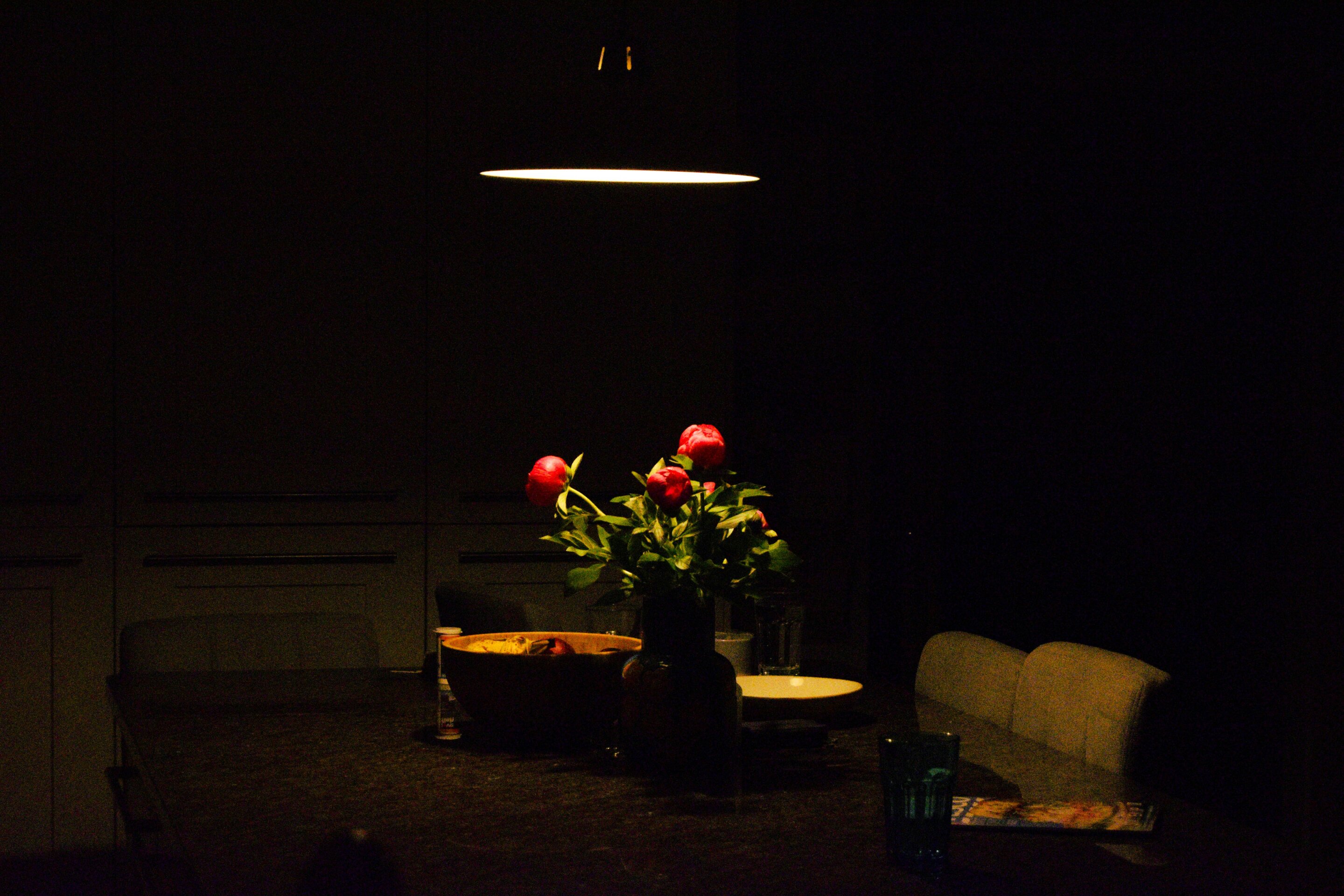
Modern cameras can capture an extraordinary amount of detail, producing images made up of millions of pixels that reveal textures, edges and colors invisible to earlier generations of digital photography. In poor lighting conditions, however, much of that information becomes difficult to recover, with pictures coming out grainy and details getting lost in dark patches of the frame.
Now that cameras are increasingly being used as inputs for computer vision systems in domains such as surveillance, health care and autonomous driving, the issues introduced by poor lighting extend beyond aesthetics.
Interestingly, fixing this problem only gets harder as image resolution goes up. An ultra-high-definition (UHD) image contains both broad, scene-level information and extremely fine details, so machine learning-based enhancement systems must handle these scales carefully. They need to preserve overall illumination, color and scene structure while properly recovering small features.
On top of this, the huge number of pixels in a UHD image makes it difficult to use sophisticated neural networks on consumer-grade hardware. How can we use machine learning to enhance UHD low-light images, preserving global appearance and fine details, without excessive computational demands?