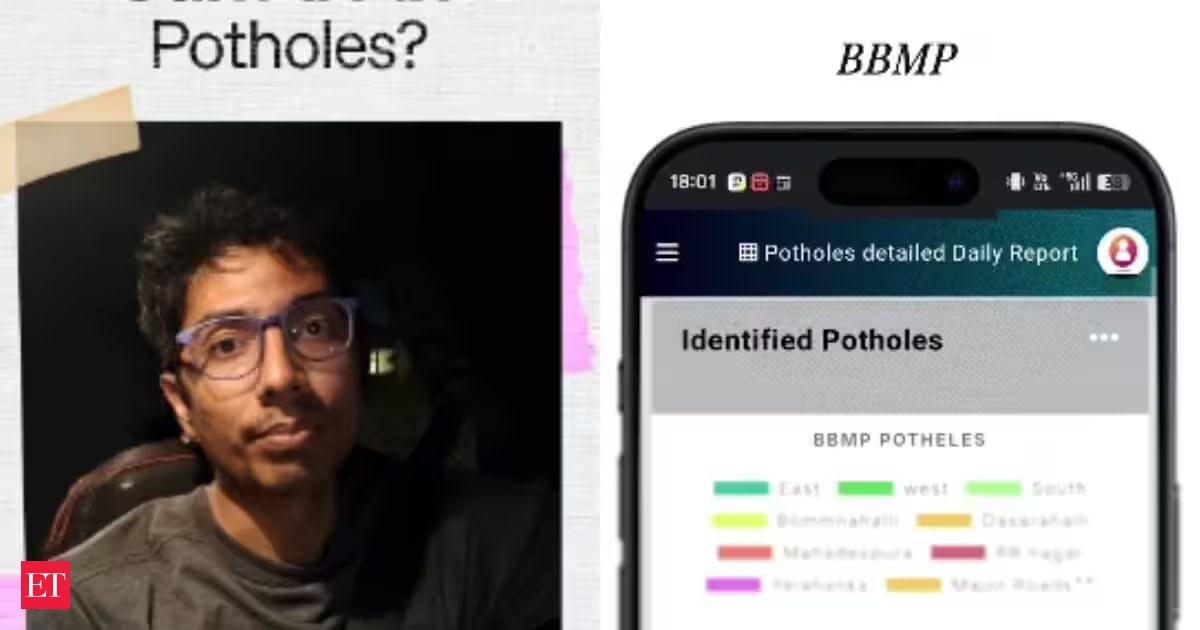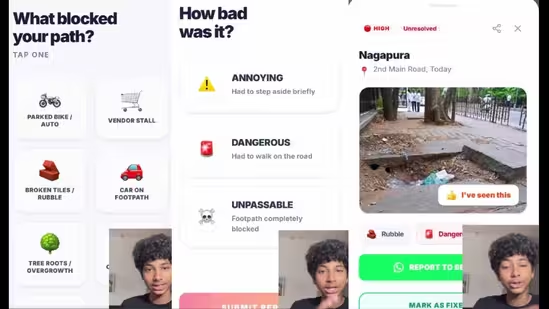
In 2020, another engineer claimed to have devised a technology that could detect a pothole. But was this enough? “I thought that detecting a pothole would be super easy. But it would mean more if I find the person (or authority) responsible for it,” Sen tells ThePrint.In July this year, he started working on the tech after mulling over the idea for a week. “Most of the research was where we could get more information on the contractor who made the road and other details, ways to source this out as well as looking up if there were any existing products or apps that did the same job,” he says.While all earlier attempts have been a manifestation of years of research, Sen gamed the system with AI, creating the app before the frustration fizzled out.Sen has joined a new generation of AI-powered start-ups and entrepreneurs who are reimagining road safety, turning smartphones into more than tools of content consumption. “It is a one-day effort now, otherwise it would have taken me two months otherwise. Because of AI, I can make it in a day. So the frustration that comes for a day, and likely to fizzle out soon, is actually resulting in something,” he says.He created what was simply and directly called, ‘Pothole Reporter’.With just one click from the mounted phone on a dashboard, the app he created can now access all public records of the contractor who built the road, details of the tender, and even send all these details in a pre-registered e-mail to the Chief Commissioner of the Greater Bengaluru Authority (GBA).The poor road conditions in Bengaluru have long overshadowed its more endearing monikers, such as India’s ‘IT and Startup Capital’, and made the city a template of urban ruin. The city’s treacherous roads have given Bengaluru the dubious distinction of retaining the top position for most deaths caused by the negligence of civic bodies among India’s biggest urban centres.
‘Pothole Reporter': How Bengaluru techie turned yrs of frustration over broken roads into AI-led action
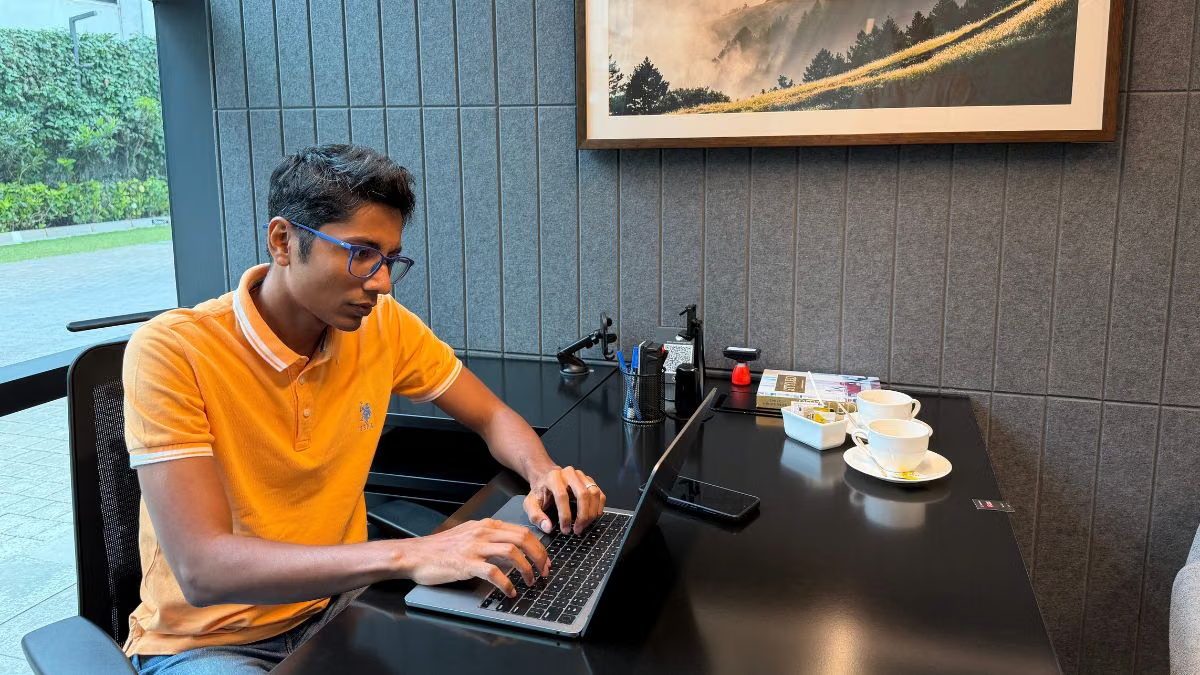
Gaurav Sen joins a new generation of AI-powered start-ups and entrepreneurs who are reimagining road safety, turning smartphones into more than tools of content consumption.
1,067 words~5 min read