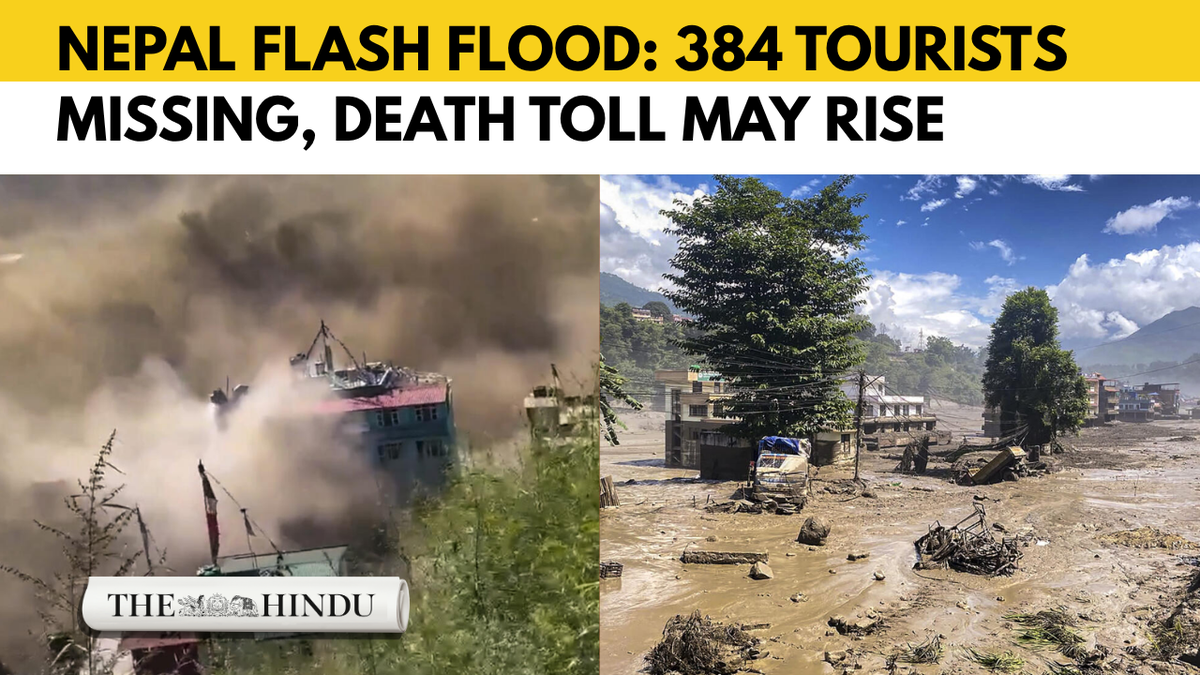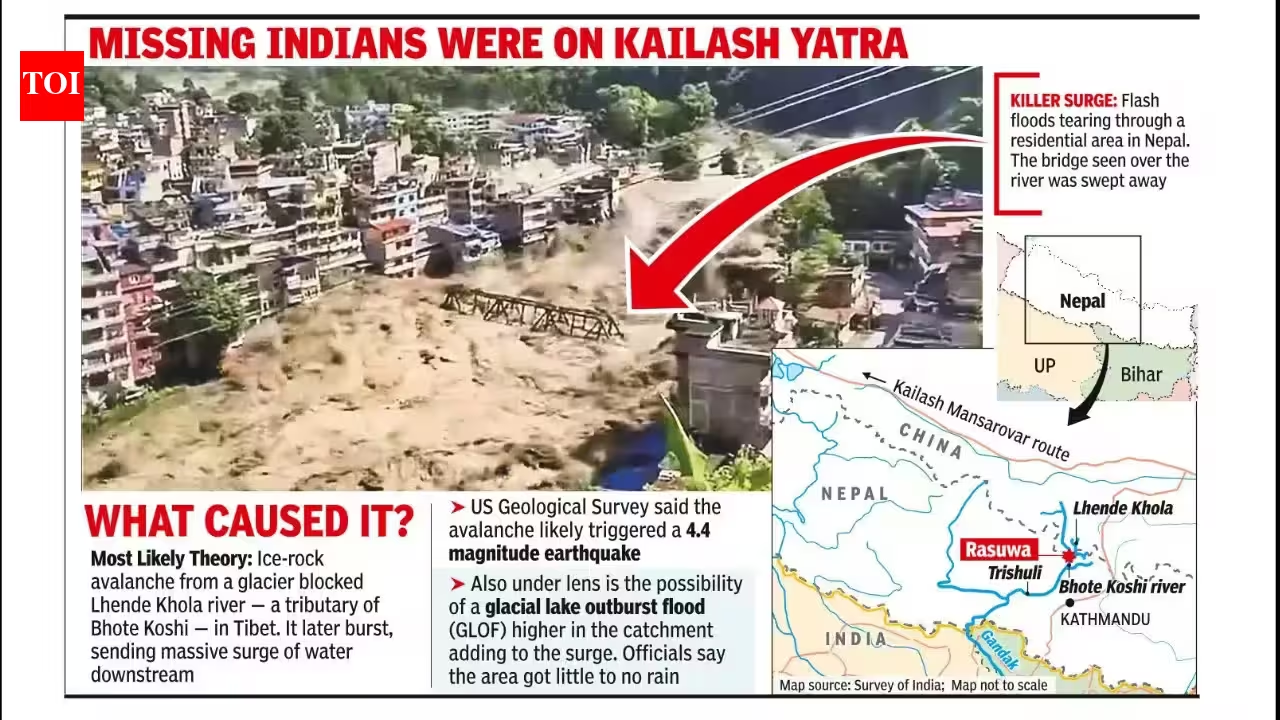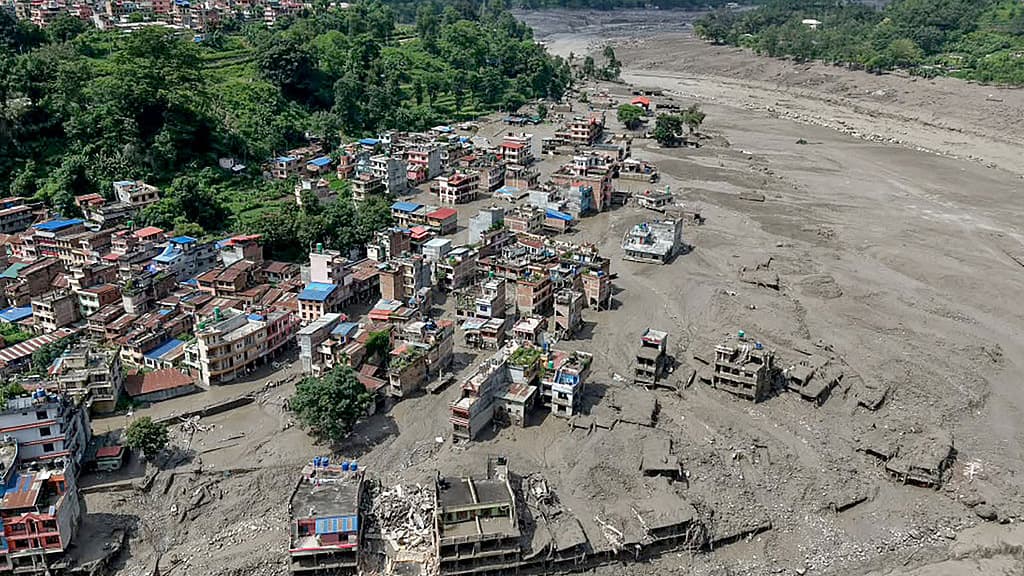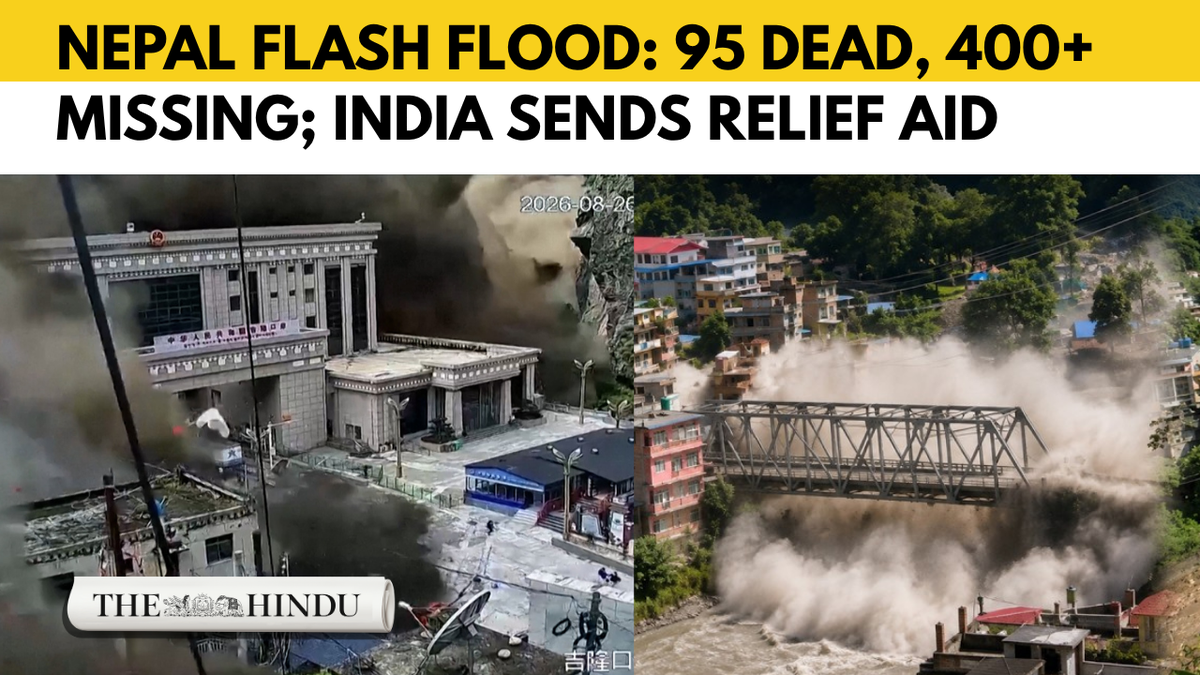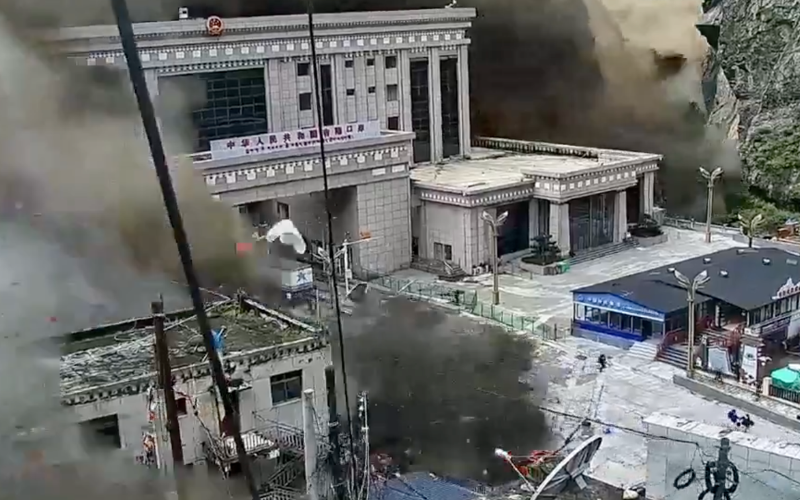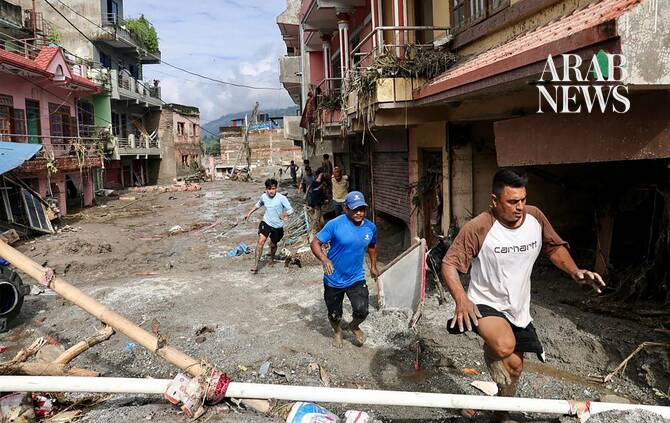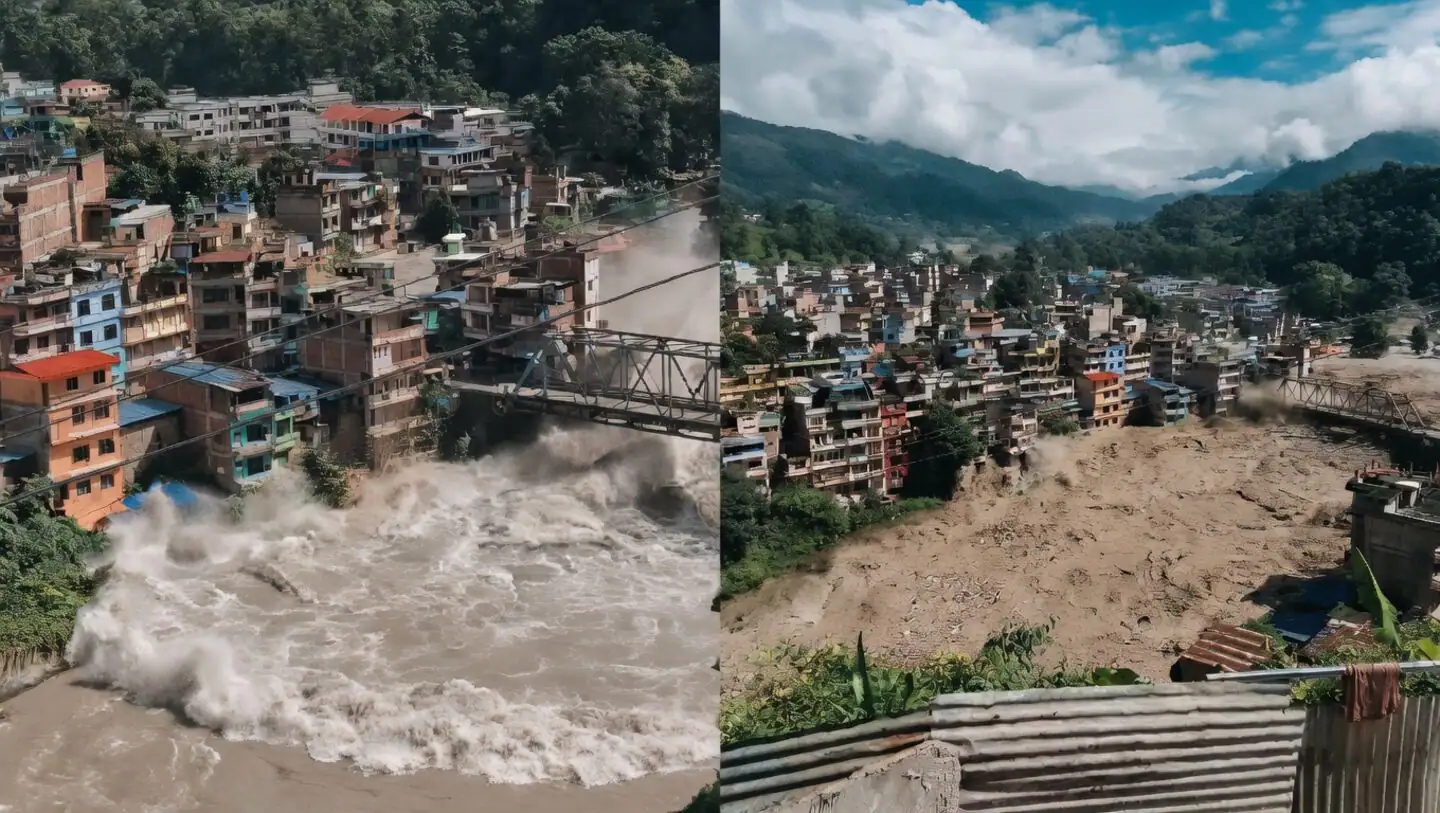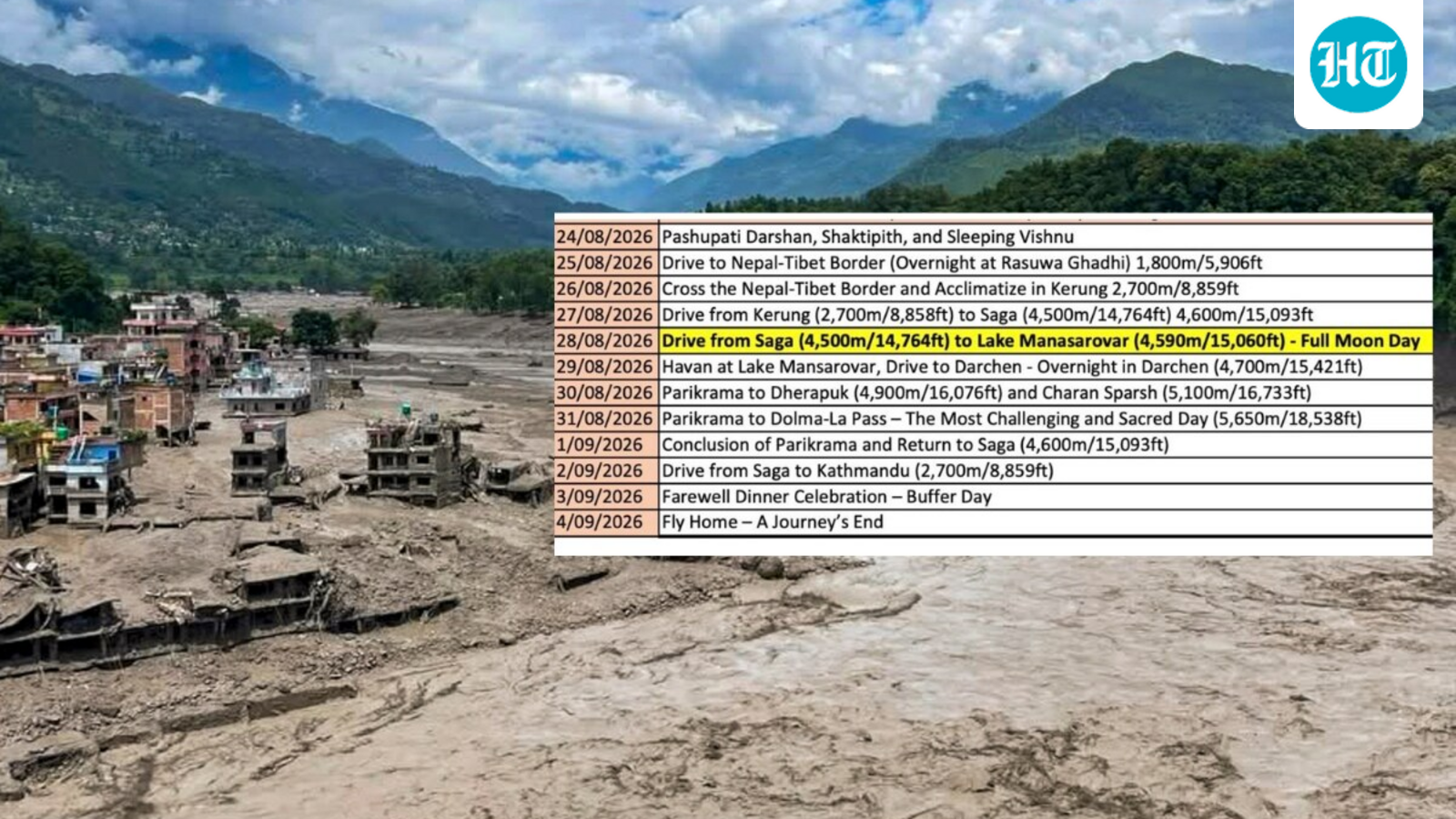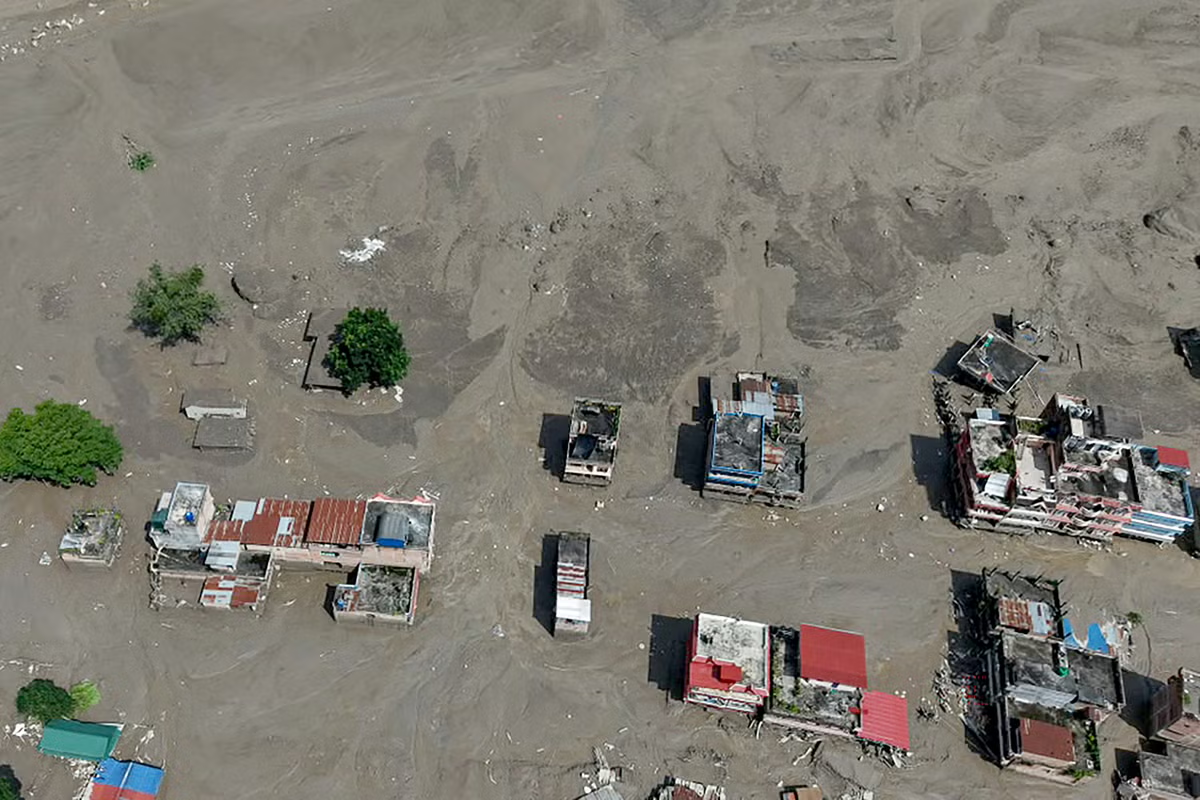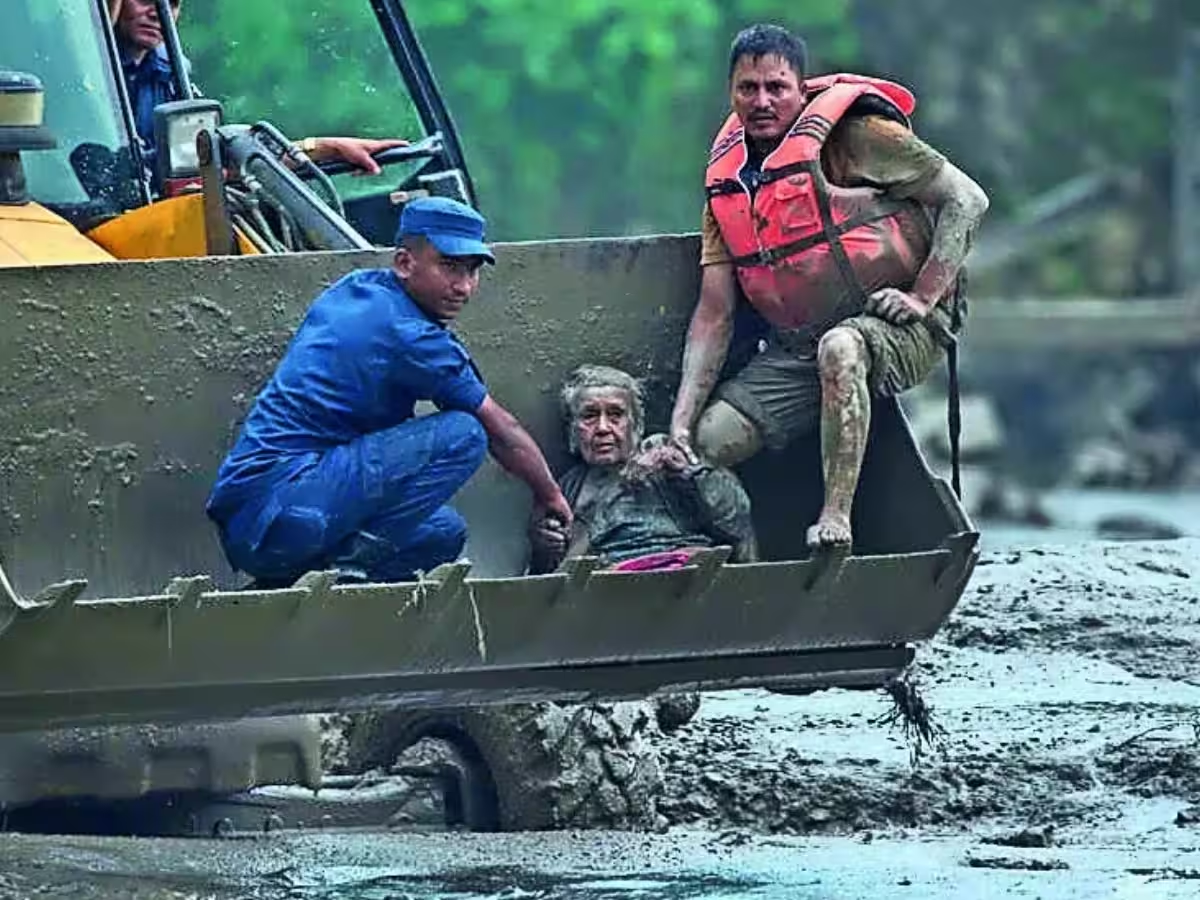
Kathmandu: On Wednesday, a flash flood tore through the towns of Timure and Syabrubesi in Nepal's Rasuwa district and sent a wall of water down the Bhote Koshi river into the Trishuli. More than 350 people were killed, and hundreds, including 288 Indian nationals - most of whom are pilgrims on the Kailash Mansarovar route through Rasuwagadhi, the main overland crossing into Tibet - are missing.Even as search and rescue continue, the uncomfortable fact sitting upstream of both countries remains: Bhote Koshi has wreaked havoc now twice in 14 mths, and nothing about how it is monitored has changed in between.The flood in July 2025 originated from Tibet's Lhende stream, killing at least 9 people and leaving 19 missing, swept away the Miteri Bridge connecting Nepal and China, and damaged the Rasuwagadhi dry port, along with nearby hydropower projects. It also shut down Nepal's main overland trading route with China for months. The remarkable thing about this week's flood is how little has changed in response since then.The flash flood may have originated in a glacial lake outburst upstream in Tibet. There has been no rainfall in the affected districts. Nepal's Department of Hydrology and Meteorology is working with local administrative offices and Chinese counterparts to examine satellite data and establish a cause.But Nepal's vulnerability on Bhote Koshi is not primarily a story about climate or geography. It's a story about absence of a standing, real-time data- sharing arrangement with China covering glacial lakes that feed this river, and about a national response system still built to evacuate people after a flood has already crossed the border.The upper Bhote Koshi and its tributaries sit inside a belt of glacial lakes on the Tibetan plateau that has been flagged for years as prone to sudden outburst floods - floods that occur without local rainfall and without warning to anyone downstream. Rasuwa has no glacier of its own capable of producing a flood this size, and only light rain fell overnight. The water came from somewhere else, and nobody downstream knew it was coming until it arrived.Hydropower plants along the lower banks were swept away. So was the stretch of road connecting Syabrubesi to the border crossing at Rasuwagadhi, a corridor that was only partially rebuilt after being crippled by last year's flood. Every rupee spent on that reconstruction was a bet that the river would hold. It didn't. Rebuilding the same infrastructure in the same fragile location, without any early-warning system in place, is not resilience but repetition.The institutional response has looked nearly identical to the one last year: convene, evacuate, wait for information from across the Chinese border. Nepal reacted fast, speed being the only tool available to it.Nepal cannot compel China to share hydrological data on its own territory. And no warning system will fully offset a border that sits beneath some of the most unstable glacial terrain on Earth. But bilateral data-sharing arrangements on transboundary rivers exist elsewhere in the region, including between India and its own upstream neighbours. Nepal needs the will to negotiate such an arrangement before a third flood arrives. Given that Bhote Koshi feeds Trishuli, which, in turn, feeds Gandak that flows into Bihar, India has more than a humanitarian stake in seeing a negotiation happen.A phone call from Narendra Modi to Balendra Shah after the flood is an act of solidarity. A shared monitoring system before the flood would be prevention. Syabrubesi will rebuild, again. The road will reopen, hydropower plants will come back online, and settlements along Trishuli will return to something like normal. What won't change, unless someone in Kathmandu - or Beijing, or New Delhi - decides otherwise, is the next flood arriving faster than any warning currently in place.The writer is a Kathmandu-based businessman(Disclaimer: The opinions expressed in this column are that of the writer. The facts and opinions expressed here do not reflect the views of www.economictimes.com.)
Nepal’s deadly flood is a warning no one is listening to - The Economic Times
A devastating flash flood struck Nepal's Rasuwa district, causing significant loss of life and missing persons. Hundreds of Indian pilgrims were among those missing after the disaster hit the Kailash Mansarovar route. This flood, originating from Tibet, highlights Nepal's vulnerability and lack of early warning systems. The absence of real-time data sharing with China exacerbates the situation for downstream communities.
649 words~3 min read