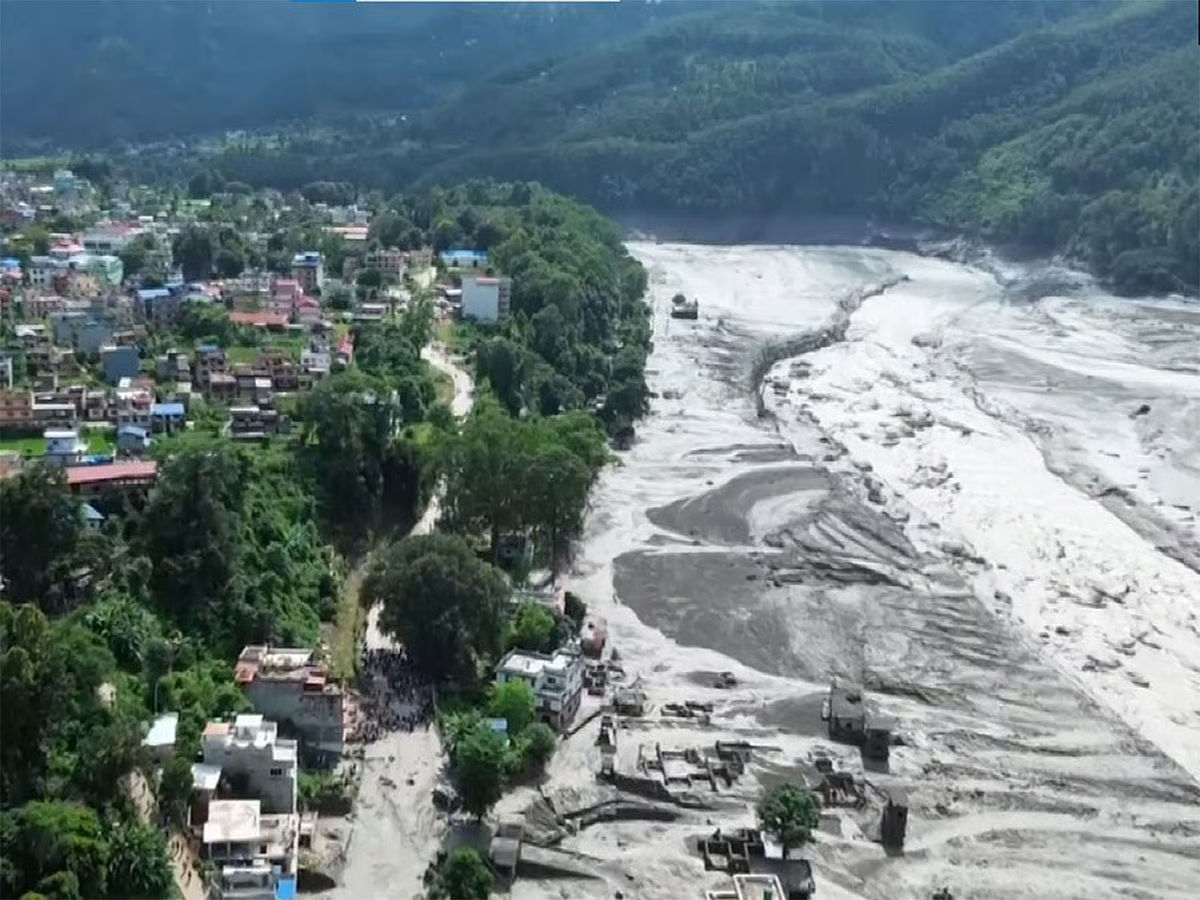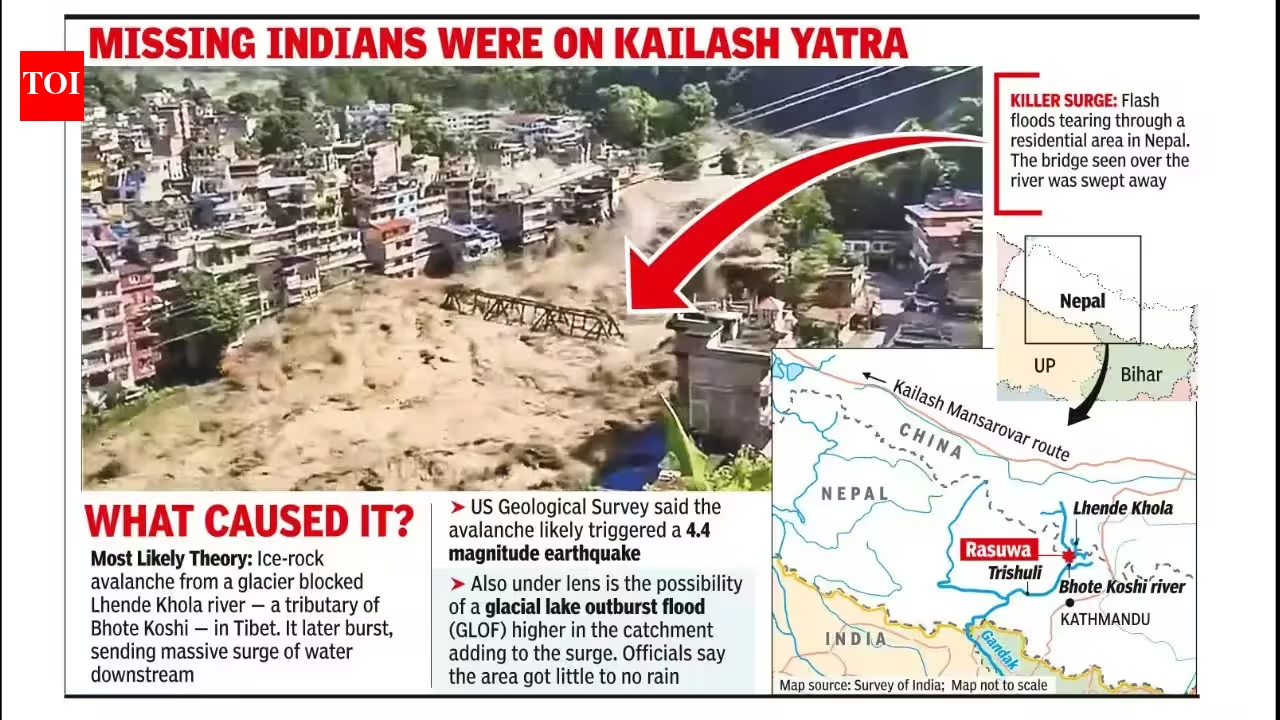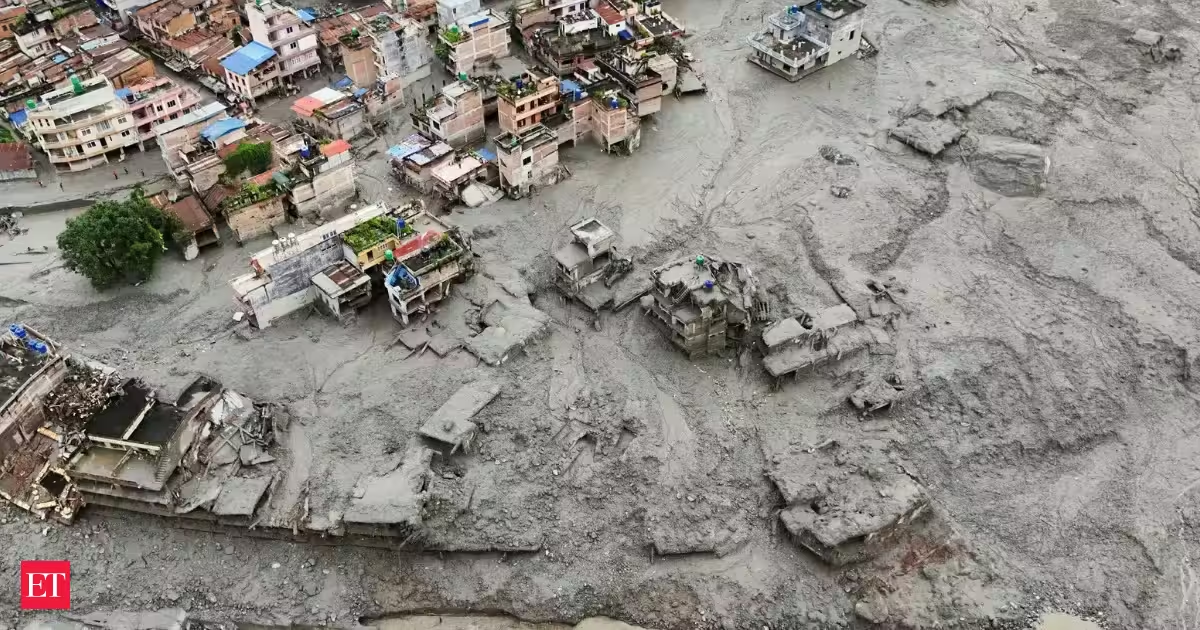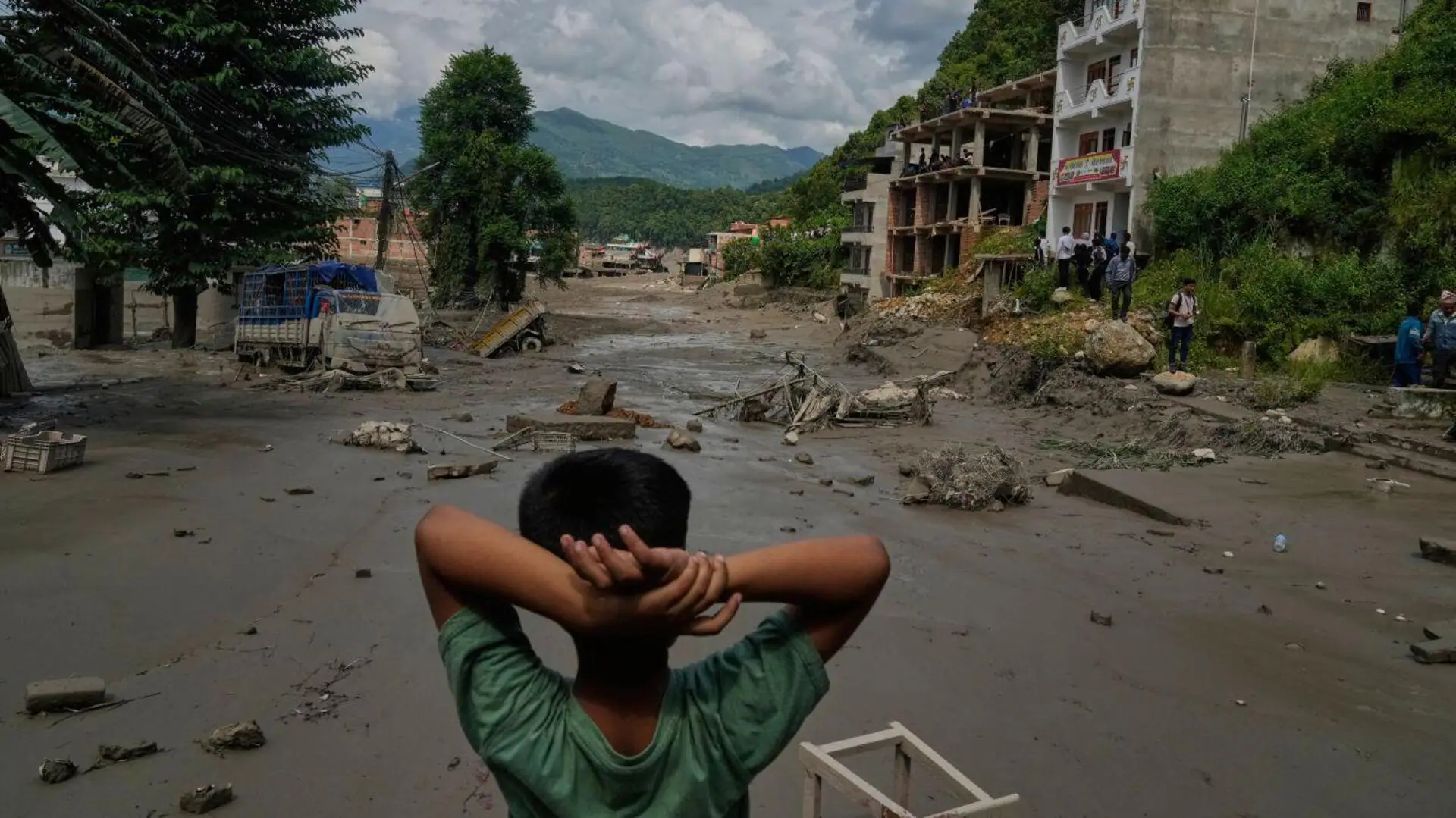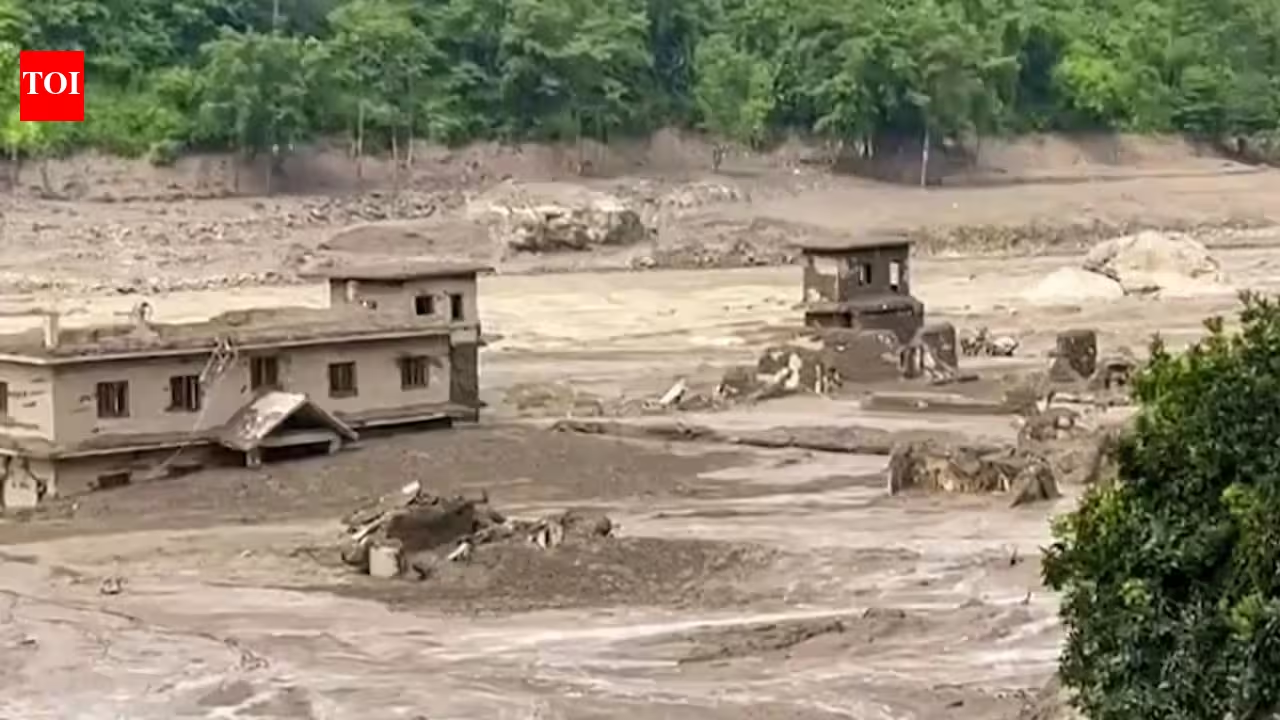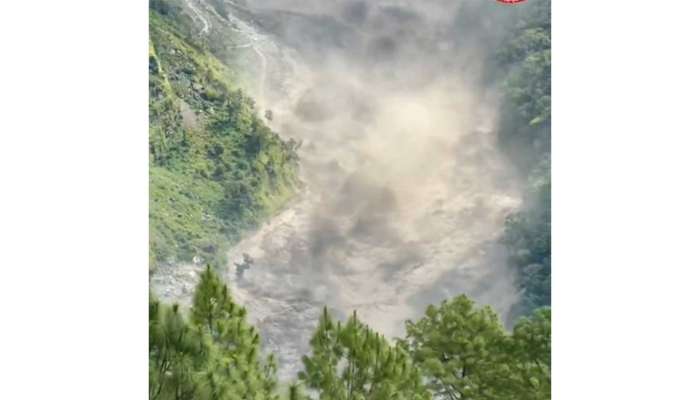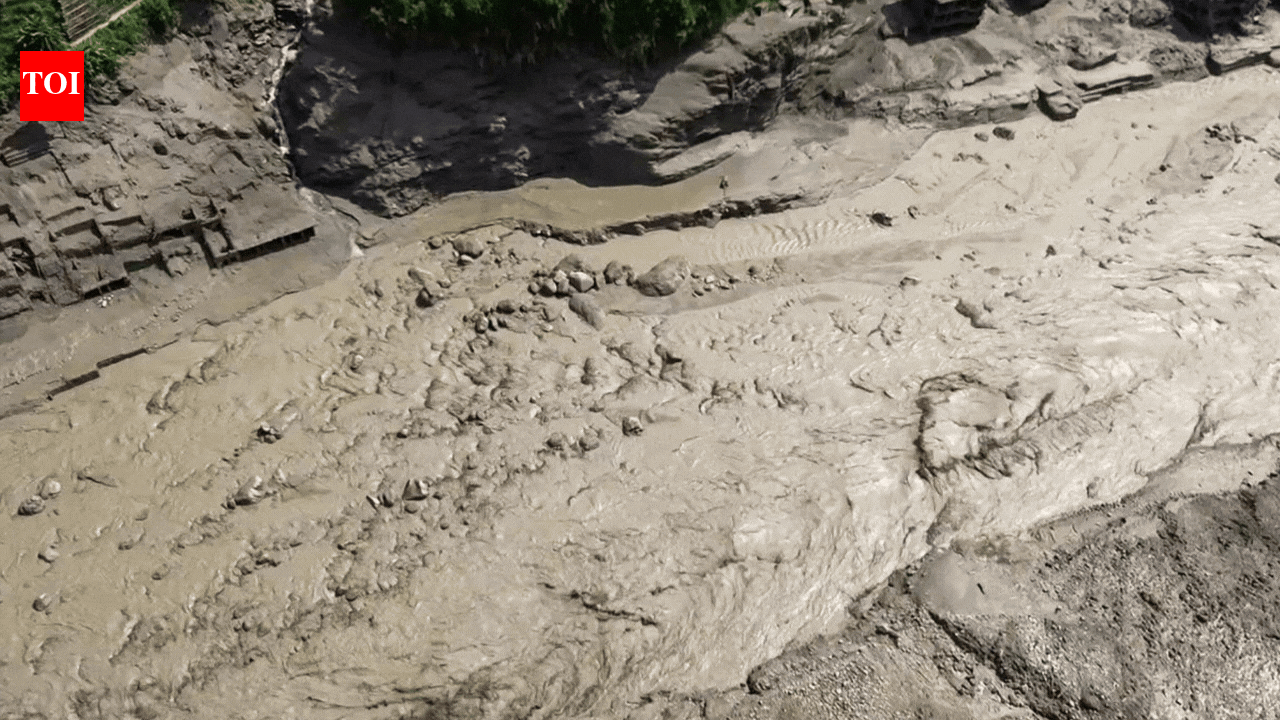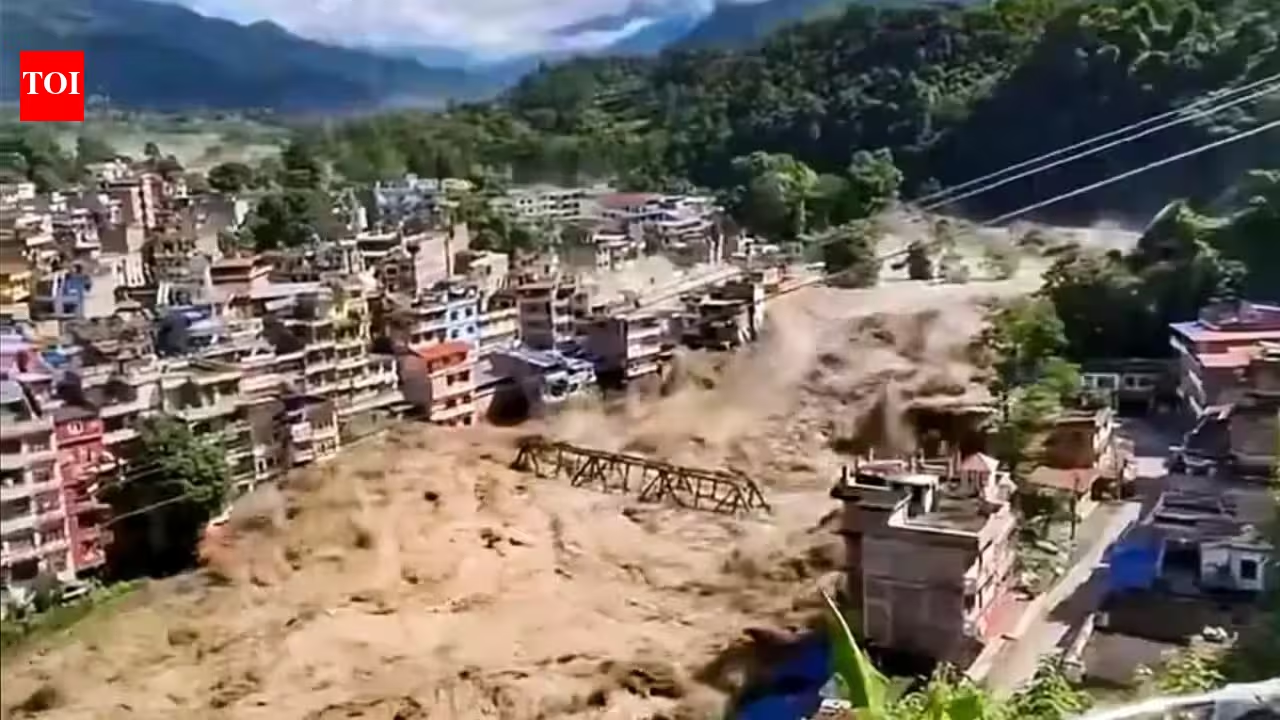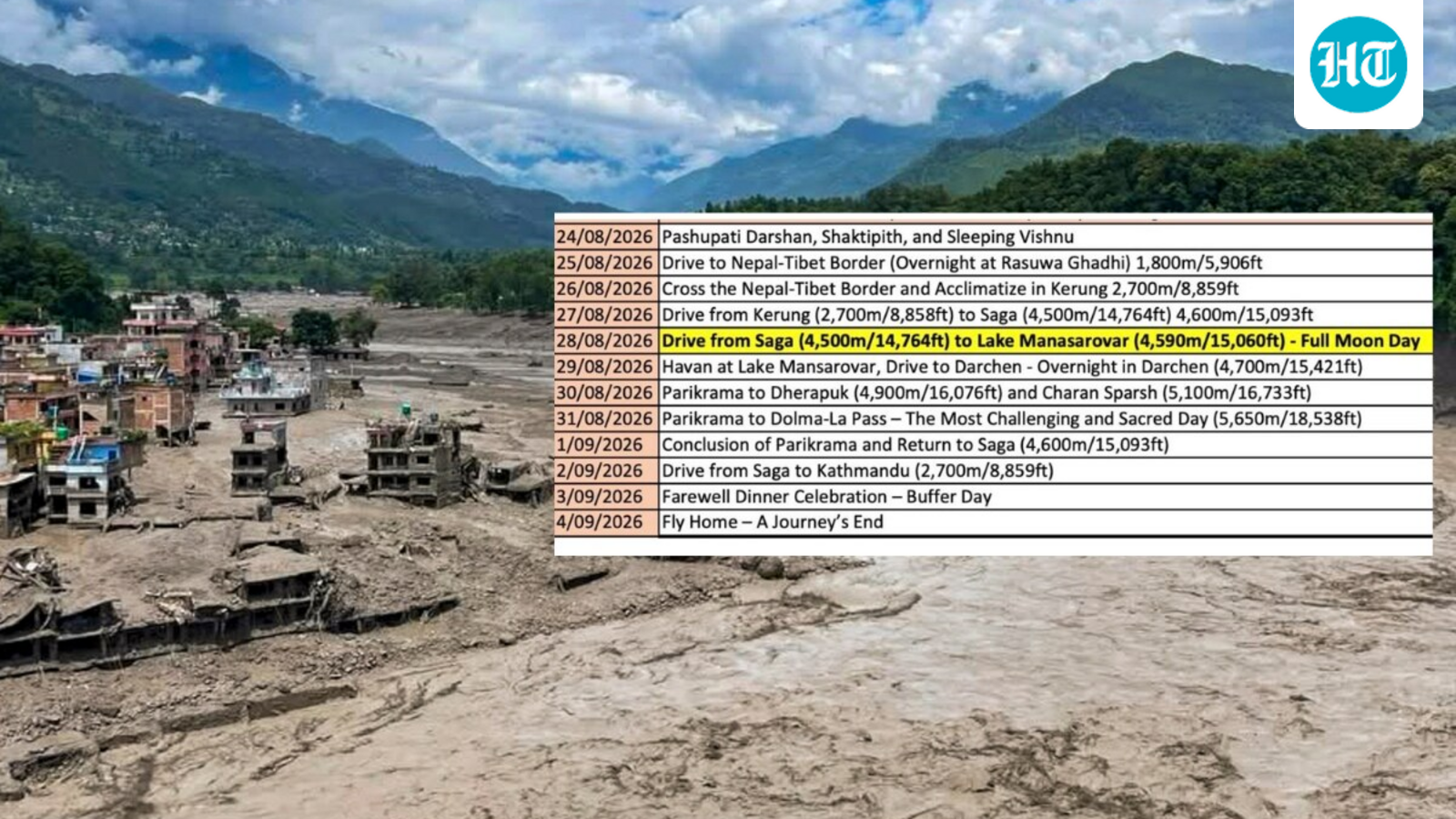
What was planned as a carefully organised Kailash Mansarovar Yatra for a group of Indian nationals and NRIs took a tragic turn after a devastating flash flood struck Nepal’s Rasuwa district on Wednesday morning. The itinerary, shared by relatives, shows that the group had spent Tuesday night at Rasuwagadhi, a key transit point near the Nepal-China border, and was scheduled to cross into Tibet on Wednesday.Itinerary of Kailash Mansarovar Yatra group of Indian nationals and NRIs. shows they were set to cross the Nepal-China border on Wednesday. (PTI)More than 100 of the nearly 1,300 people missing after massive floods in a border area of Nepal and China were on a pilgrimage to Mount Kailash, a sacred site in the Himalayas, The Associated Press reported. Track Nepal floods LIVE updatesAt the time of reporting, 270 people had been killed in flooding in the Himalayan border areas of India, Tibet and Nepal. The ministry of external affairs said on Thursday that 200 Indians were missing on the Tibet side, while 288 were missing in Nepal. The ministry also said that 21 Indians, all from Tamil Nadu, had been rescued from the Nepal side.The group's itinerary shows they were to cross Nepal-Tibet border on Aug 26The journey had been mapped out day by day, with the group travelling from Kathmandu towards the Nepal-China border before gradually moving to higher altitudes for acclimatisation. After an overnight stay at Rasuwagadhi at around 1,800 metres, the pilgrims were due to cross the border and spend a day acclimatising in Kerung before continuing towards Saga and eventually Lake Manasarovar. The itinerary also included the traditional parikrama around Mount Kailash, including the challenging Dolma-La Pass.Also Read | Shashi Tharoor was on way to Kathmandu as Nepal floods wreaked havoc: ‘Blissfully unaware of drama’But on the morning of August 26, just as the group was preparing to cross into Tibet, a catastrophic flash flood and debris flow struck the Rasuwagadhi-Timure area. The disaster sent a massive surge of water, mud and rocks through the border region, destroying roads, bridges, vehicles and settlements. Initial reports suggested an earthquake may have triggered the disaster, but the US Geological Survey later said the seismic signal was generated by a glacial collapse and debris flow.The pilgrimage route, which had been planned around altitude acclimatisation, border formalities and rest days, was suddenly transformed into a disaster zone. Hundreds of people, including Indian nationals and other foreign tourists travelling towards Kailash Mansarovar, were reported missing after the floods. Nepal authorities have been conducting search-and-rescue operations in extremely difficult conditions, with damaged roads, high river levels and heavy sediment hampering access to the worst-hit areas.Also Read | Man records raging floodwaters rushing towards him, co-workers in Nepal: ‘Rescued by helicopter’The religious significance of Mount KailashMount Kailash is a Himalayan peak in southwestern Tibet, near China’s borders with Nepal and India. Rising more than 6,400 metres (21,000 feet), it lies close to Lake Manasarovar, both deeply rooted in Sanskrit religious traditions.The mountain is sacred to Hindus, Buddhists, Jains and followers of the Tibetan Bon tradition. Hindus regard it as the abode of Shiva and Parvati, while Bon followers consider it a centre of spiritual power linked to founder Tonpa Shenrab. Geographer Emily Yeh wrote that Kailash is also associated with Mount Meru, the mythical centre of the world in Hindu and Buddhist cosmology.(With inputs from Prawesh Lama)
How a well-planned Kailash Mansarovar Yatra turned into tragedy for group of Indians and NRIs as floods hit Nepal, Tibet
Nepal floods: The ministry of external affairs said on Thursday that 200 Indians were missing on the Tibet side, while 288 were missing in Nepal | India News
560 words~3 min read