Published August 27th, 2026 - 17:20 GMT
Highlights
“No Islamic land should become a platform for aggression against another Islamic land,” he said, underscoring Tehran’s stated position that regional security should be based on cooperation and respect for national sovereignty.
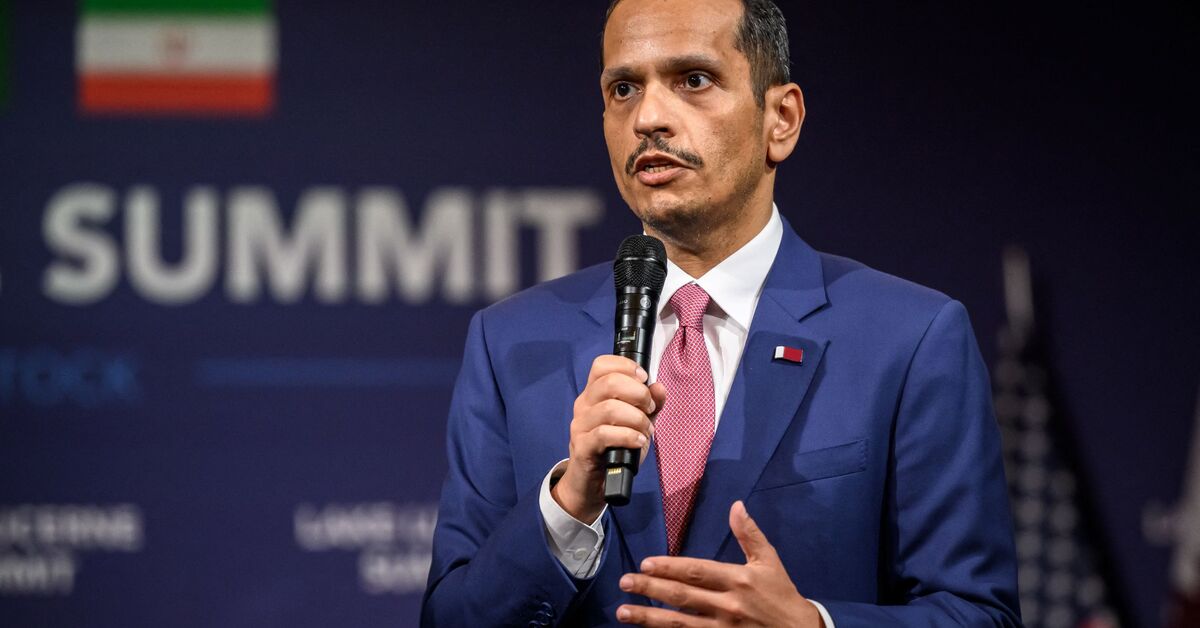
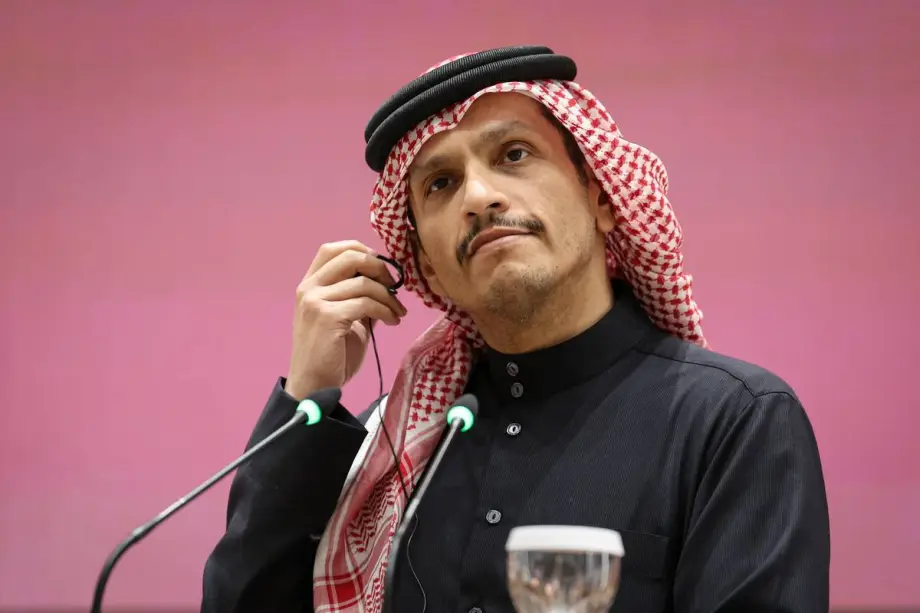
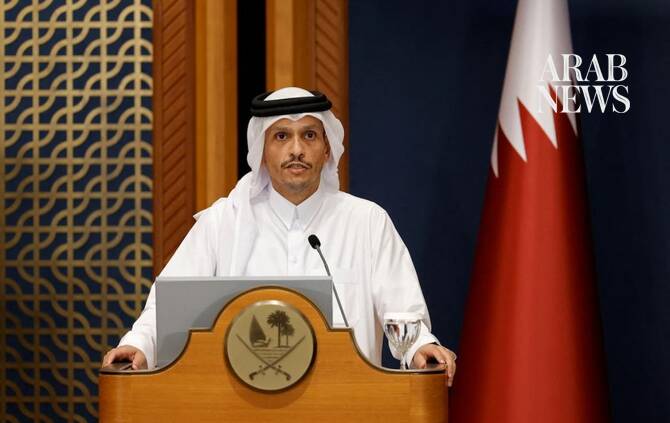
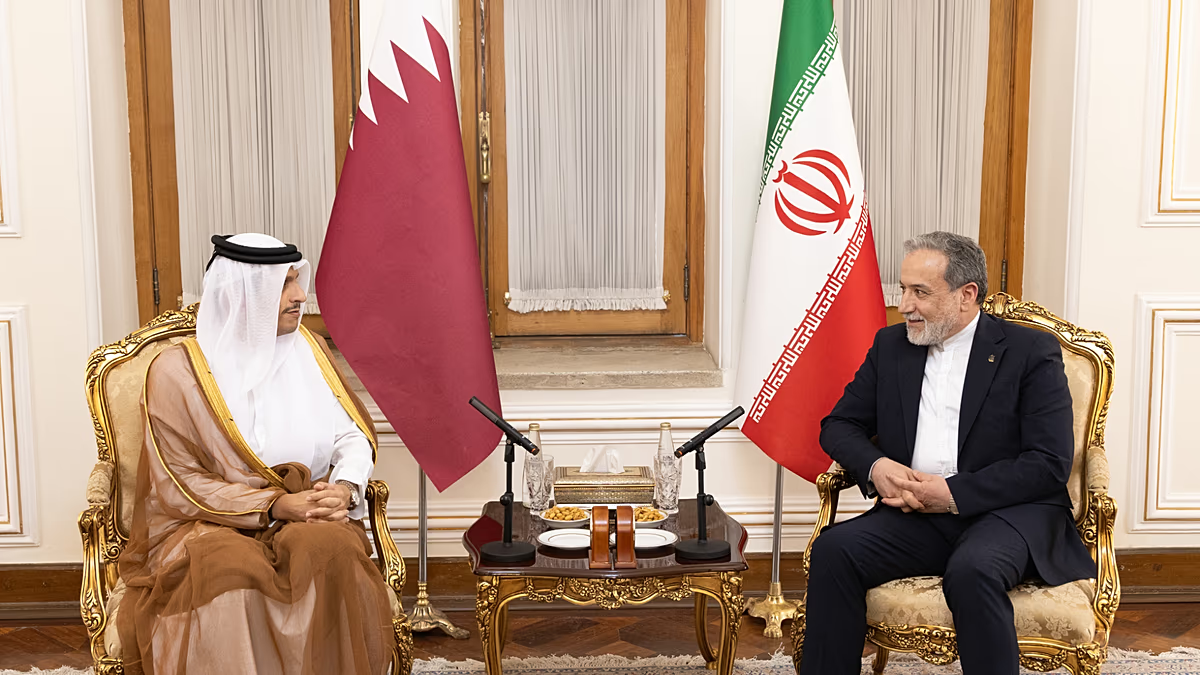
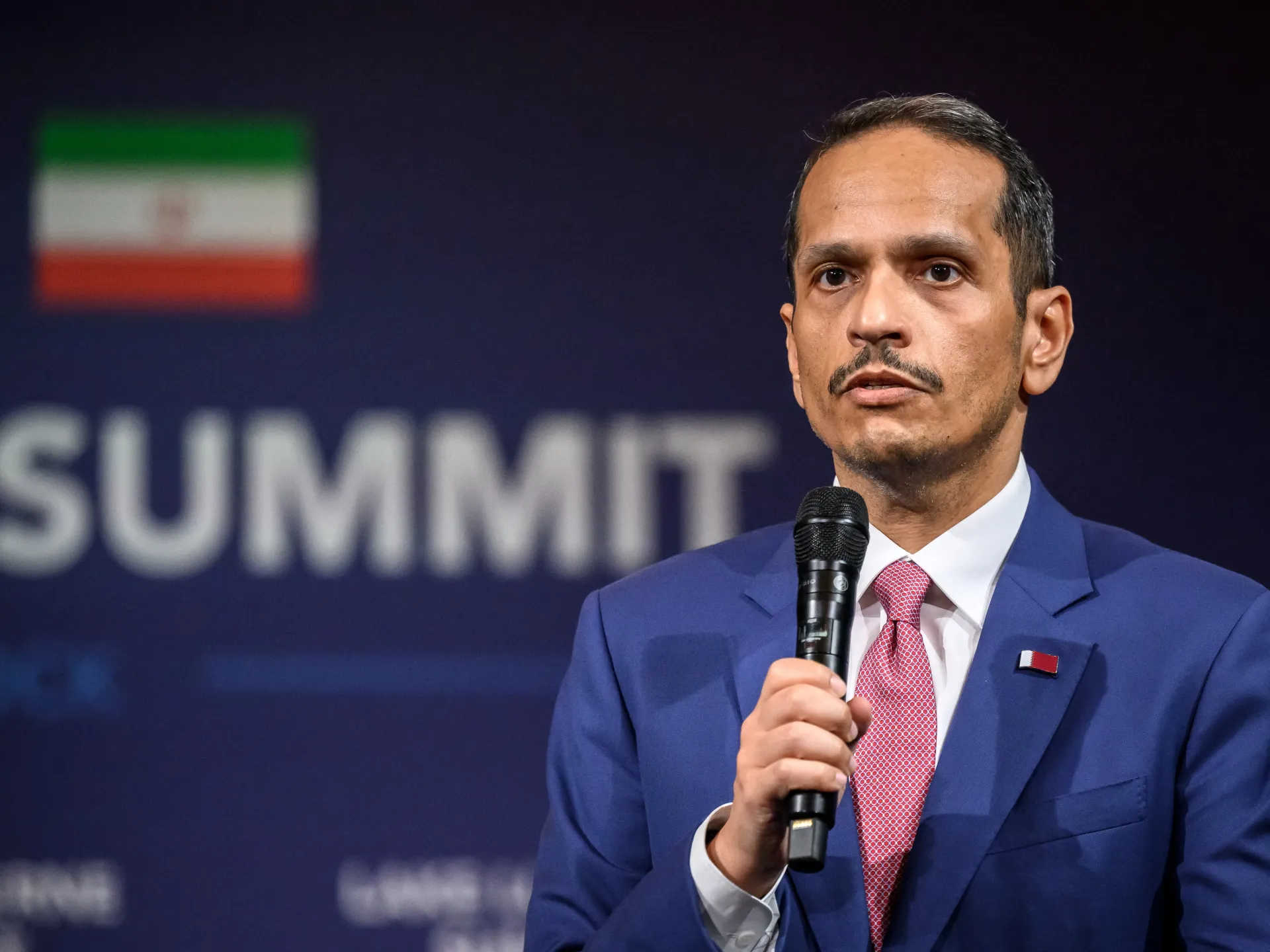
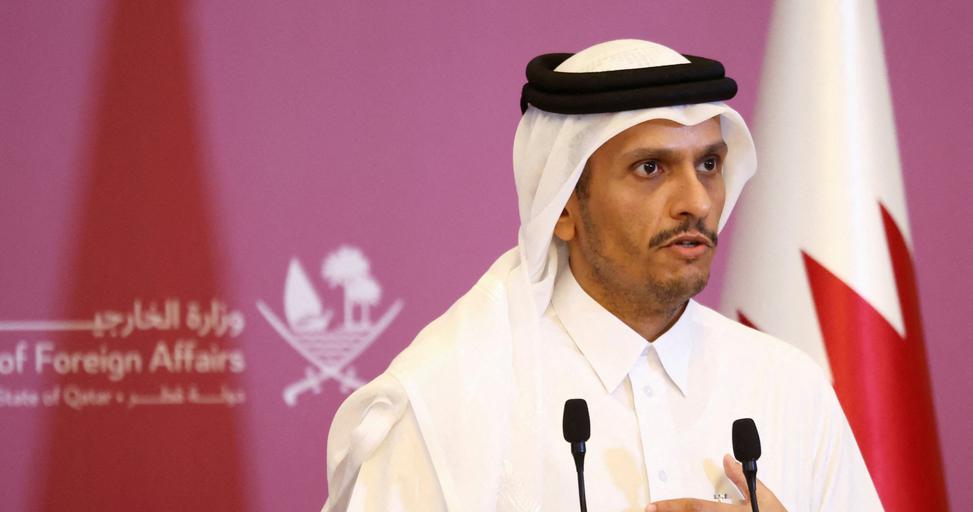
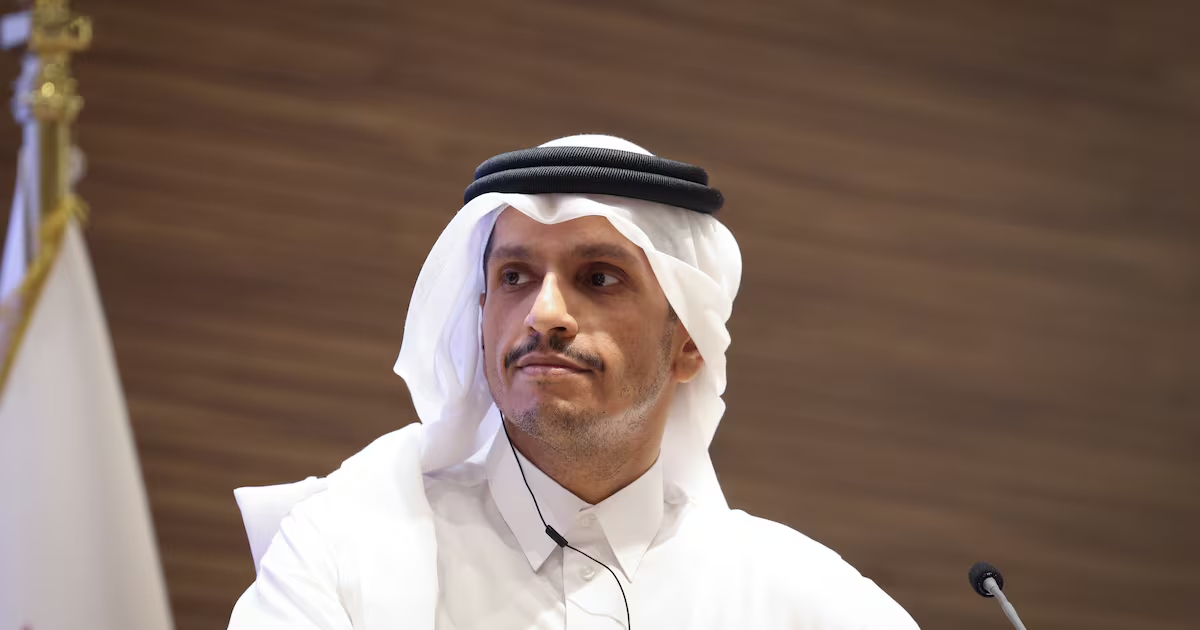
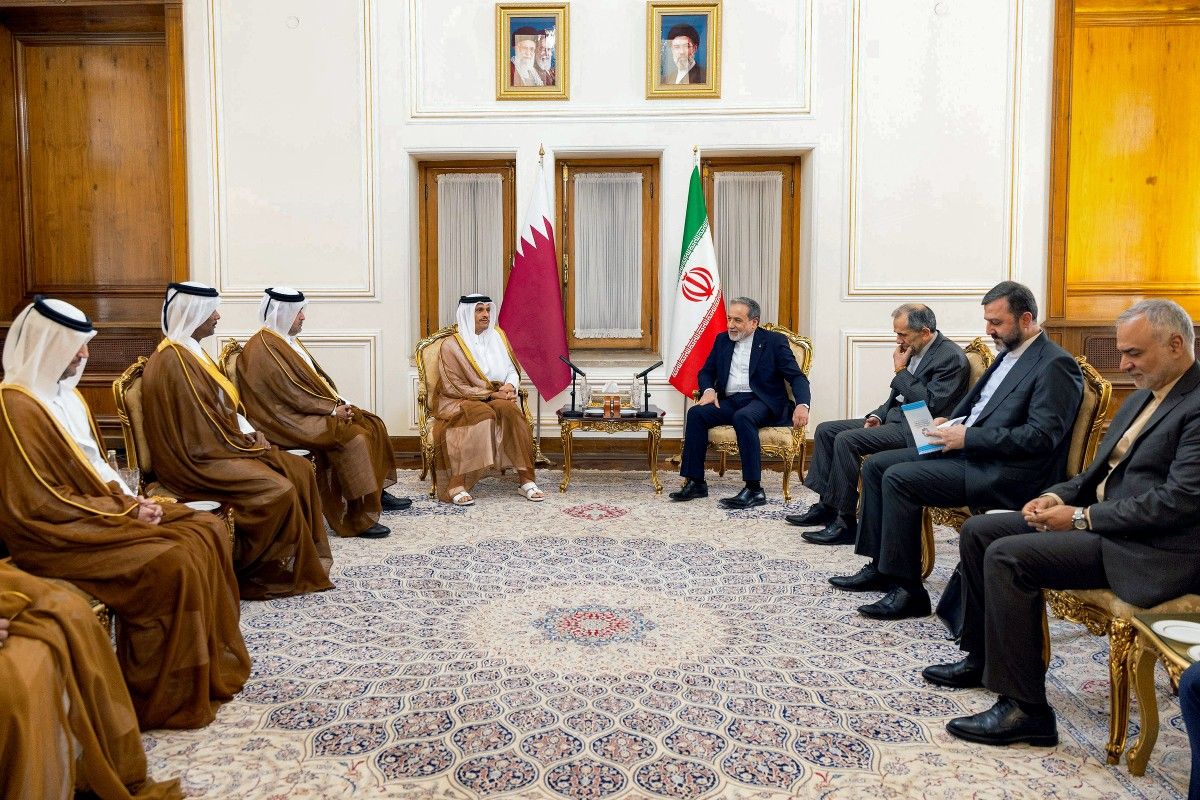
ALBAWABA- Qatari Prime Minister and Foreign Minister Sheikh Mohammed bin Abdulrahman Al Thani arrived in Tehran on Thursday for high-level talks aimed at easing tensions between Iran and the United States and creating conditions for a return to negotiations, as regional mediation efforts intensify after months of conflict. His visit is the latest in a series of diplomatic missions to Tehran by senior officials from Pakistan and Oman. During a meeting with Sheikh Mohammed, Iranian President Masoud Pezeshkian said Iran was seeking nothing beyond its “legal rights” and would not accept pressure or what he described as coercive dictates.He stressed that Tehran was prepared to resolve outstanding issues through dialogue rather than war and said peace would serve the interests of Iran, the region and the wider international community.Pezeshkian thanked Qatar’s leadership for its mediation efforts and for working to promote peace. According to the Iranian presidency, he told the Qatari prime minister that logic called for reviving an earlier memorandum of understanding in its previous form, while emphasizing the need to recognize the Iranian people’s legal rights.The Iranian president also warned that forces in the United States, Israel and Iran itself were seeking to prevent an agreement, underscoring the political obstacles facing any renewed diplomatic process. He said Iran and Qatar could overcome what he called “painful events” in their bilateral relationship and restore cooperation.Pezeshkian also emphasized Iran’s commitment to peaceful relations with neighboring countries, saying that defending Iran should not be interpreted as hostility toward neighboring or Muslim nations. “No Islamic land should become a platform for aggression against another Islamic land,” he said, underscoring Tehran’s stated position that regional security should be based on cooperation and respect for national sovereignty.رئیسجمهور در دیدار نخستوزیر و وزیر خارجه قطر🔹️تمام حقوق ملت ایران باید به رسمیت شناخته شود🔹️جنگ به ایران تحمیل شد، ادامه آن به زیان کشور، منطقه و جهان است. صلح به سود ایران، منطقه و جهان خواهد بود🔹️ایران و قطر میتوانند با عبور ازحوادث تلخ، همکاریهای خودرا از سربگیرند pic.twitter.com/iJHajVeO2O— pezeshkian (@drpezeshkian2) August 27, 2026 Sheikh Mohammed’s visit comes amid an intensive regional diplomatic push to reopen channels between Washington and Tehran. Pakistan’s army chief, Field Marshal Asim Munir, visited Tehran on Monday and met Pezeshkian, Parliament Speaker Mohammad Bagher Ghalibaf and other senior officials. Oman’s Foreign Minister Badr Albusaidi followed on Tuesday, holding talks with his Iranian counterpart on the Strait of Hormuz and a proposed framework for restoring safe navigation.The Oman-Iran discussions produced proposals for a temporary joint navigation corridor through Hormuz and cooperation on mine clearance, with further negotiations envisaged over a permanent navigation arrangement. Qatar is also discussing the proposed corridor with Tehran as part of its mediation efforts.The diplomatic activity comes as Washington has shifted toward intensified economic pressure after months of military confrontation with Iran. The Trump administration has imposed new sanctions on Iranian-linked entities and threatened countries and companies continuing to trade with Tehran. At the same time, Washington maintains a naval blockade around Iranian ports and has rejected arrangements that would give Tehran greater control over shipping through Hormuz.That position contrasts sharply with Tehran’s insistence on its sovereign rights over the strategic waterway. Iran and Oman have continued discussing arrangements for commercial navigation, while Washington has signaled that it does not recognize agreements reached without U.S. participation. An American source cited by Al Jazeera said any agreements between Iran and Oman had no significance to Washington, while maintaining that the Strait of Hormuz was open, mines had been removed, and no negotiations with Iran were currently scheduled.The competing diplomatic tracks highlight the central challenge facing the mediation effort: regional states are seeking to reopen Hormuz and create a pathway back to negotiations, while Washington continues to combine economic pressure with its military posture and Tehran insists that any agreement must include recognition of its rights and changes in U.S. policy.Qatar’s intervention therefore comes at a potentially critical juncture. With the military option having failed to produce a political settlement, and economic pressure deepening Iran’s isolation, the growing involvement of Qatar, Oman and Pakistan suggests that regional mediators are seeking to turn the current confrontation into a negotiated off-ramp. Whether those efforts can overcome the fundamental differences between Washington and Tehran remains uncertain.